
Trusted by 165+ Homeowners
Ceiling Drywall Water Damage Restoration in Norcross, GA
- Over 165 5-Star Reviews
- Free Estimates and Quotes
- 100% Satisfaction Guaranteed
- Child, Family & Pet Safe Steps
- 24-Hour Emergency Service
- Fully Licensed & Insured
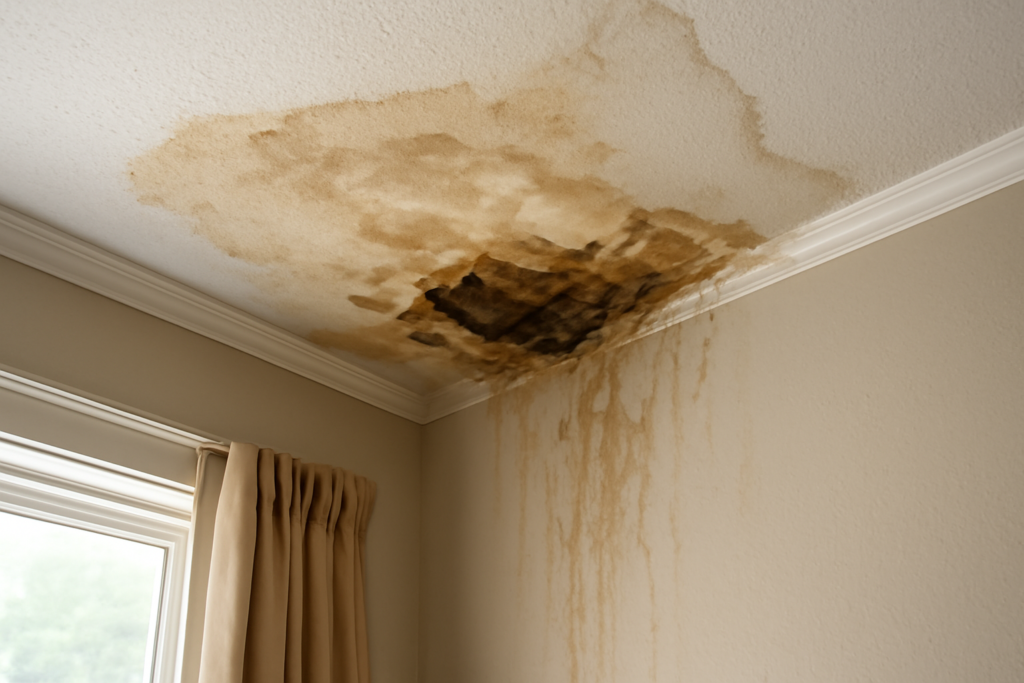
Don’t Let Ceiling Water Damage Go Unchecked in Norcross, GA
If you’ve noticed a new stain on your ceiling, or worse, a drip, it’s important to understand that water damage spreads quickly. What might seem like a small issue today can quickly become a much larger, more expensive problem if not addressed immediately. For homeowners in Norcross, GA, dealing with ceiling drywall water damage means recognizing the urgency and acting fast to protect your home’s structure and your family’s health. Ignoring these signs can lead to mold growth and structural weakening, so it’s crucial to get professional help right away.
It’s no wonder so many local homeowners have trusted our team with their ceiling water damage concerns, as reflected in our 165+ five-star reviews. We understand the unique challenges that water intrusion can present to your home’s drywall and insulation. When you choose us for your ceiling drywall water damage restoration needs, you’re selecting a team dedicated to swift, effective, and thorough repairs, ensuring your property is restored to its pre-loss condition with minimal disruption.
- Rapid response to prevent further saturation and secondary damage, like mold growth, from taking hold in your ceiling materials.
- Specialized drying techniques using advanced equipment to ensure your ceiling and the underlying structure are completely dried, not just superficially.
- Expert patching, repairing, and seamless finishing to restore your ceiling’s appearance and structural integrity, making it look like the damage never happened.
How Our Ceiling Drywall Water Damage Restoration Process Works
When water finds its way into your ceiling, a systematic and rapid approach is absolutely critical. Our process for ceiling drywall water damage restoration is designed to be efficient, targeting the source of the leak, removing all moisture, and restoring the affected materials with precision. Cutting corners here doesn’t just leave you with a cosmetic flaw; it can lead to persistent moisture problems, mold, and compromised structural integrity, costing you far more in the long run. We prioritize getting it right the first time, every time, to safeguard your investment.
1. Initial Inspection and Water Source Identification
Our team begins with a detailed inspection to pinpoint the exact source of the water intrusion and assess the full extent of the damage to your ceiling drywall. We use moisture meters and thermal imaging cameras to detect hidden pockets of water, ensuring no area is overlooked. This initial assessment is key to developing an effective restoration plan and preventing future leaks.
2. Water Extraction and Moisture Removal
Once the source is stopped, our priority is removing standing water and extracting moisture from saturated materials. We utilize high-powered pumps and professional-grade water extractors to quickly remove visible water. Following this, specialized drying equipment like air movers and dehumidifiers are strategically placed to circulate air and capture residual moisture, accelerating the drying process.
3. Controlled Drying
This phase is crucial for preventing secondary damage. We deploy a network of industrial air movers and dehumidifiers to create an environment that encourages rapid evaporation from your ceiling and the space above it. Our technicians monitor humidity and temperature levels closely, adjusting equipment as needed to ensure thorough and efficient drying of all affected areas.
4. Damage Assessment and Containment
During the drying process, we carefully examine the ceiling drywall for signs of structural compromise or severe damage that may necessitate removal. We’ll contain any areas that are crumbling or showing significant weakness to prevent further spread of debris or damage. This step ensures we address the full scope of the problem before repairs begin.
5. Repair and Restoration
Once everything is dry and deemed structurally sound, our skilled crews will begin the repair process. This typically involves carefully cutting out and replacing damaged sections of drywall, applying joint compound, sanding for a smooth finish, and priming. We pay close attention to detail to ensure a seamless blend with existing surfaces, making your ceiling look as good as new.
Don’t wait for the stain to grow or the ceiling to sag further. Contact us immediately to begin the drying and restoration process for your ceiling. Early intervention is your best defense against extensive damage and costly repairs.
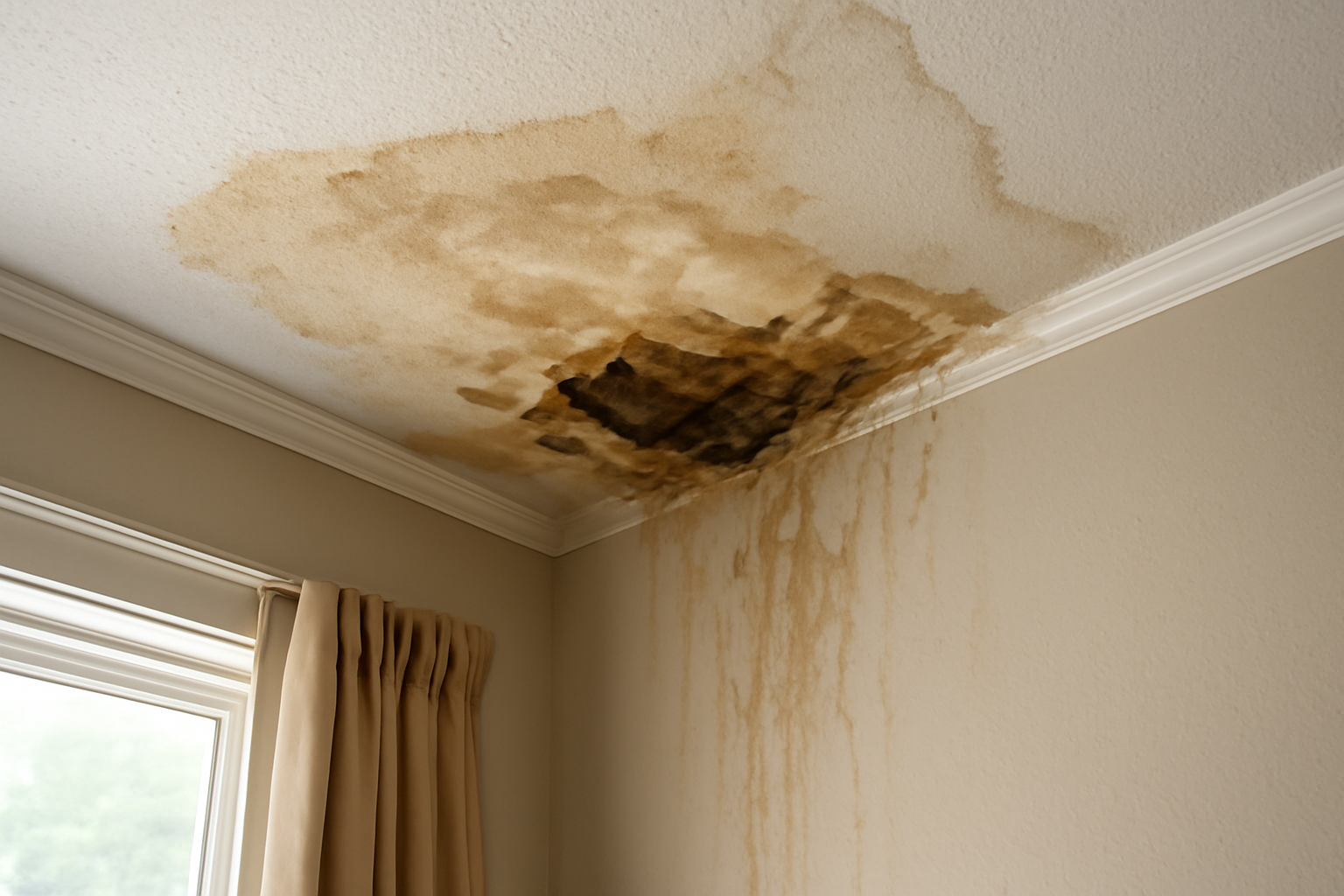
Warning Signs You Need Ceiling Drywall Water Damage Restoration
Catching the early signs of ceiling water damage is vital for preventing more significant structural issues and mold growth. Many homeowners overlook subtle indicators, but recognizing them can save you considerable stress and expense. Pay close attention to your ceiling’s appearance and any unusual smells to ensure prompt and effective intervention.
Discolored Stains or Water Spots
The most obvious sign is a yellow or brown stain that appears on your ceiling. These spots indicate that water has saturated the drywall and is likely affecting the insulation and framing above. Don’t ignore these spots; they are a clear signal of an active or past leak.
Musty Odors That Won’t Go Away
A persistent damp, musty smell, especially in a specific area of a room, is a strong indicator of hidden moisture. This odor often signifies mold growth beginning behind the drywall, which can pose significant health risks. Address these smells promptly to prevent mold proliferation.
Peeling or Bubbling Paint
When water seeps into the drywall, it can cause the paint or wallpaper above it to lose its adhesion. You might see peeling edges or blistering areas where the paint is pulling away from the surface. This is a visual cue that moisture is compromising the finish.
Sagging or Soft Spots in the Ceiling
As drywall absorbs water, it becomes heavy and can begin to sag or feel soft to the touch. A visibly drooping ceiling is a serious warning sign that the material is losing its structural integrity and could potentially collapse. Immediate attention is required if you notice sagging.
Visible Water Dripping or Puddles
The most alarming sign is, of course, water actively dripping from the ceiling or forming puddles on the floor below. This indicates a significant leak that requires urgent attention to prevent further damage and potential electrical hazards. Act with extreme urgency if you see active water.
Cracks or Cracks Spreading
Water absorption can weaken the drywall’s structure, leading to new cracks or the widening of existing ones. These cracks can appear anywhere on the ceiling and are a sign that the material is under stress from moisture. Monitor any new or worsening cracks closely.
Ceiling Drywall Water Damage Restoration vs. DIY: When To Call a Professional
| Situation | DIY? | Call a Pro? | Why |
|---|---|---|---|
| Small, fresh water spot from a minor, quickly fixed leak (e.g., a brief toilet overflow on the floor above) | Yes, with caution | No | You can likely clean, dry, and monitor a very small, superficial spot yourself. |
| Large, spreading water stains on the ceiling | No | Yes | The stain indicates significant saturation requiring professional drying to prevent mold and structural issues. |
| Visible sagging or bulging ceiling drywall | No | Yes | This is a sign of imminent collapse and requires immediate professional assessment and repair for safety. |
| Musty odors accompanying water damage | No | Yes | Odors suggest mold growth, which needs specialized containment and remediation by experts. |
| Water dripping from the ceiling | No | Yes | Active leaks are emergencies requiring immediate professional intervention to stop the flow and mitigate damage. |
| Water damage originating from plumbing or HVAC systems | No | Yes | These sources often involve complex repairs and potential contamination requiring professional expertise. |
For any situation involving more than a minor, superficial water spot, calling a professional is almost always the best course of action. Our team has the specialized equipment and expertise to ensure complete moisture removal and proper restoration, preventing long-term problems like mold and structural weakness.
Ceiling Drywall Water Damage Restoration Cost In Norcross, GA
The cost for ceiling drywall water damage restoration in Norcross, GA, can vary widely based on the size and severity of the damage, the accessibility of the affected area, and the extent of repairs needed. These figures represent typical ranges for homeowners in the area, but an on-site assessment is essential for an accurate estimate.
| Service | Typical Price Range | What Affects Cost |
|---|---|---|
| Moisture Detection and Assessment | $200 – $700 | Complexity of the leak, required equipment like thermal imaging. |
| Water Extraction (for minor standing water) | $300 – $1,200 | Volume of water, accessibility of the area. |
| Controlled Drying (Air Movers & Dehumidifiers) | $400 – $2,000 (per day/week) | Size of the affected area, duration needed for complete drying. |
| Drywall Repair and Replacement (per sq ft) | $5 – $15 | Thickness of drywall, complexity of the patch, need for structural support. |
| Priming and Painting | $2 – $6 per sq ft | Type of paint, number of coats, ceiling height. |
| Mold Remediation (if necessary) | $500 – $5,000+ | Severity of mold growth, containment needs, and specialized treatments. |
These costs are estimates, and the final price will depend on a thorough inspection of your property. We offer free, no-obligation estimates to provide you with a clear understanding of the required work and investment.
Service Areas Near Norcross, GA
Atlanta, Alpharetta, Berkeley Lake, Chamblee, Clarkston, Doraville, Duluth, Dunwoody, Johns Creek, Lilburn, Marietta, Norcross, Peachtree Corners, Powder Springs, Roswell, Sandy Springs, Snellville, Stone Mountain, Suwanee, Tucker
Common Questions About Ceiling Drywall Water Damage Restoration
What should I do immediately after noticing water on my ceiling?
The very first step is to turn off electricity to the affected area if possible, to prevent electrical hazards. If the water source is obvious and accessible (like a dripping pipe), try to contain it with buckets. Then, call our team immediately to begin the professional mitigation process. We’ll guide you on what to do next while we dispatch our crews.
How long does ceiling drywall water damage restoration typically take?
The timeline for ceiling drywall water damage restoration varies greatly depending on the extent of the water intrusion. The drying process alone can take anywhere from 24 hours to several days, depending on humidity and the materials involved. Full repairs, including patching, texturing, and painting, might add another few days. We focus on efficient drying to speed up the entire process.
Is ceiling water damage dangerous to my health?
Yes, ceiling water damage can pose significant health risks, primarily due to mold growth. If moisture isn’t properly removed, mold can develop within days and release spores into the air, which can cause respiratory problems, allergic reactions, and other health issues. Our process includes thorough drying and, if necessary, professional mold remediation to ensure your home is safe.
What kind of equipment do you use for drying ceilings?
We utilize a range of professional-grade equipment designed for efficient moisture removal. This includes powerful truck-mounted or portable water extractors, industrial-strength air movers to increase airflow and evaporation, and specialized dehumidifiers to capture moisture from the air. We also use moisture meters and thermal imaging cameras to accurately assess dryness and identify hidden water.
Will my insurance cover ceiling drywall water damage restoration?
In many cases, water damage to ceilings is covered by homeowner’s insurance, especially if it results from a sudden and accidental event like a burst pipe. However, coverage can depend on the cause of the damage (e.g., flood damage from rising water might require separate flood insurance) and your specific policy. We can help you navigate the insurance claims process and provide the necessary documentation.
Check Our Other Relevant Services
Serving Norcross, GA And Nearby Areas


