Trusted by 165+ Homeowners
Concrete Water Damage Restoration in Powder Springs, GA
- Over 165 5-Star Reviews
- Free Estimates and Quotes
- 100% Satisfaction Guaranteed
- Child, Family & Pet Safe Steps
- 24-Hour Emergency Service
- Fully Licensed & Insured

Don’t Let Water Ruin Your Concrete: Expert Restoration in Powder Springs, GA
If you’re seeing cracks, crumbling, or persistent moisture on your concrete surfaces, it’s crucial to act fast. Ignoring concrete water damage can lead to much bigger structural issues down the line. Many homeowners mistakenly think a little dampness is harmless, but it can slowly erode the integrity of your foundation, driveway, or patio. We’ve seen firsthand how quickly these problems can escalate if not addressed properly. Prompt water removal is key to preventing further deterioration.
Locally, homeowners trust our team because we understand the specific challenges that water poses to concrete in our area. With over 165 five-star reviews, we’re known for our rapid response and effective restoration techniques. You can count on us to assess the situation thoroughly and implement a plan that gets your concrete back in shape. We’re dedicated to restoring your property with care and expertise, ensuring a lasting solution.
- We specialize in identifying the root cause of water intrusion, not just treating the surface symptoms, which prevents recurring issues.
- Our advanced drying and dehumidification equipment can remove moisture from concrete pores far more effectively than air drying alone.
- We offer specialized concrete repair and sealing to restore structural integrity and protect against future water damage, giving you a durable finish.
How Concrete Water Damage Restoration Works
When water affects your concrete, a structured, fast approach is absolutely essential. Delaying professional help means more water seeps deeper, weakening the material and making restoration more complex and costly. Our process is designed to quickly extract standing water, thoroughly dry the affected areas, and then repair any damage. We utilize specialized equipment and proven methods to ensure complete moisture removal and prevent long-term problems like mold or structural compromise. This focused approach is what sets us apart when dealing with concrete water damage.
1. Initial Water Extraction
Our first priority is to remove any standing water from your concrete surfaces. We use powerful submersible pumps and industrial-grade extractors to quickly clear the bulk of the water. This step is critical for stopping further saturation and minimizing damage. It typically takes just a few hours, depending on the volume of water.
2. Advanced Drying and Dehumidification
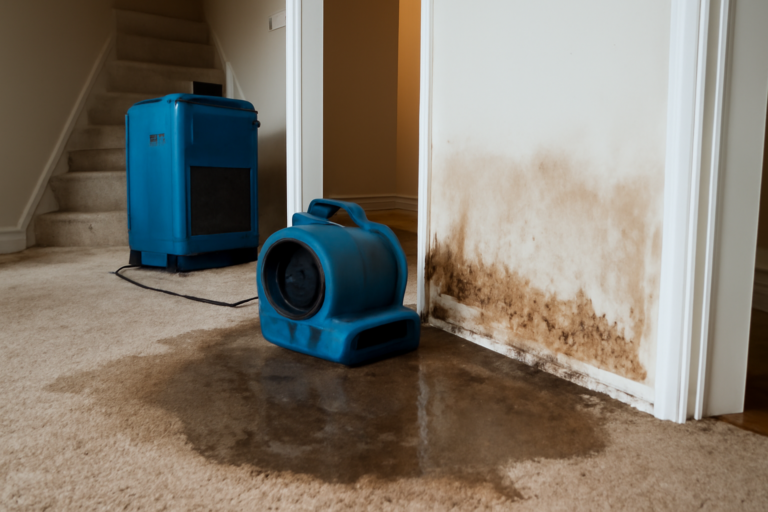
Once standing water is gone, we deploy high-speed air movers and industrial dehumidifiers. These machines work tirelessly to extract residual moisture trapped within the concrete’s pores and the surrounding environment. This process can take several days, but it’s vital for preventing hidden moisture and potential mold growth.
3. Moisture Assessment and Monitoring
Throughout the drying process, we use specialized moisture meters to accurately measure humidity levels. This ensures that all affected concrete areas are drying uniformly and reaching safe, dry levels. We continue monitoring until our readings confirm the concrete is completely dry, which is a key indicator of successful restoration.
4. Concrete Damage Assessment
After drying, we thoroughly inspect the concrete for any signs of structural compromise, such as cracking, spalling, or efflorescence (white powdery deposits). We document all findings to provide you with a clear understanding of the damage. This assessment helps us determine the best repair strategy for restoring concrete integrity.
5. Repair and Sealing
Depending on the damage, we’ll perform necessary repairs, which might include patching cracks, filling voids, or reinforcing weakened sections. We then apply appropriate sealants to protect your concrete from future water intrusion and staining. This final step ensures your concrete is not only dry but also protected for the long term.
Don’t let water damage compromise your concrete structures. Contact us immediately if you suspect water intrusion. We’re ready to deploy our team and equipment to your property to begin the restoration process without delay.

Warning Signs You Need Concrete Water Damage Restoration
Catching these signs early can save you considerable time and money. Water can do more damage than you might think, especially to the underlying structure supporting your concrete. Recognizing these indicators means you can call for help before minor issues become major headaches. Early detection is crucial for effective concrete water damage restoration.
Musty Odors That Won’t Go Away
Persistent damp or musty smells, especially in basements or garages, are a strong indicator of trapped moisture. This odor often signals that water is present and potentially causing damage, even if you can’t see it. Ignoring these smells means allowing hidden moisture to fester.
Visible Cracks and Crumbling
New or worsening cracks, especially those that appear to be widening or deepening, can be a sign that water is weakening the concrete. Crumbling edges or surface flaking (spalling) also suggest that water has penetrated and is causing the material to break down. This is a clear sign of structural weakening.
Efflorescence on Concrete Surfaces
Efflorescence is the white, powdery residue that appears on concrete surfaces. It forms when water dissolves salts within the concrete, then evaporates, leaving the salts behind. While not always a sign of immediate danger, it indicates that water is moving through your concrete.
Damp or Wet Spots
Any unexplained dampness or wet spots on your concrete floors, walls, or driveways are a direct sign of water intrusion. These spots might be accompanied by discoloration or staining. It’s important to address persistent dampness promptly.
Pooling Water After Rain
If water consistently pools on your driveway, patio, or around your foundation after rain, it suggests drainage issues or subsurface saturation. This standing water can seep into cracks and expand when it freezes, causing significant damage. Addressing pooling water is essential for preventing freeze-thaw damage.
Changes in Concrete Color or Texture
Noticeable darkening of concrete that doesn’t dry, or a softening of the surface texture, can indicate that water has saturated the material. These visual cues are often the first signs that the concrete’s integrity is being compromised. Don’t overlook these visual changes.
Concrete Water Damage Restoration vs. DIY: When To Call a Professional
| Situation | DIY? | Call a Pro? | Why |
|---|---|---|---|
| Minor surface dampness on a driveway after a heavy rain. | Yes | No | Usually evaporates on its own; monitor for recurring issues. |
| Standing water in a garage after a storm. | Yes (for initial removal) | Yes (if persistent or deep) | Deep water can saturate sub-base, requiring professional drying. |
| New, hairline cracks appearing on a patio. | No | Yes | Cracks can indicate structural issues or water intrusion needing expert assessment. |
| Musty smell in a basement originating from concrete walls. | No | Yes | Hidden moisture behind walls requires specialized drying and inspection. |
| Crumbling or spalling concrete on steps. | No | Yes | This suggests significant material degradation needing professional repair and reinforcement. |
| Water seeping through a concrete basement floor. | No | Yes | Indicates hydrostatic pressure or foundation cracks requiring immediate professional intervention. |
While minor spills can be managed with basic cleanup, any situation involving significant water volume, persistent dampness, or visible damage to the concrete itself warrants professional attention. Our experienced crews have the specialized equipment and knowledge to handle complex concrete water damage effectively. Trying to manage serious issues yourself can often lead to incomplete drying and worsening structural problems.
Concrete Water Damage Restoration Cost In Powder Springs, GA
The cost of concrete water damage restoration in Powder Springs, GA, can vary significantly. Factors like the extent of the water intrusion, the size of the affected concrete area, the type of concrete, and the complexity of the repairs all play a role. These price ranges are estimates and a thorough on-site assessment is always needed for an exact quote.
| Service | Typical Price Range | What Affects Cost |
|---|---|---|
| Water Extraction & Drying (per sq ft) | $0.50 – $2.50 | Volume of water, duration of drying needed, accessibility. |
| Moisture Assessment & Monitoring | $300 – $700 | Size of the affected area, use of advanced tools. |
| Concrete Crack Repair (per linear foot) | $10 – $50 | Depth, width, and type of crack; material used for repair. |
| Concrete Patching/Resurfacing (per sq ft) | $5 – $25 | Thickness of repair layer, type of patching compound, finish required. |
| Concrete Sealing Application (per sq ft) | $2 – $10 | Type of sealant, number of coats, surface preparation needed. |
| Emergency Service Call Fee (after hours) | $150 – $400 | Time of day or weekend service is requested. |
For a precise understanding of your concrete water damage restoration costs, schedule a free estimate with our team. We’ll provide a detailed breakdown after assessing your specific situation. Transparency in pricing is important to us.
Service Areas Near Powder Springs, GA
Austell, Lithia Springs, Marietta, Smyrna, Kennesaw, Acworth, Douglasville, Atlanta, Vinings, Sandy Springs, Roswell, Woodstock, Canton, Dallas, Hiram, Mableton, Clarkdale, Powder Springs, Ellenwood, Lovejoy.
Common Questions About Concrete Water Damage Restoration
What is the biggest mistake homeowners make with concrete water damage?
The biggest mistake is often delaying action or attempting a DIY fix for serious issues. Waiting too long allows water to saturate the concrete and sub-base, leading to potential structural damage, mold growth, and significantly higher restoration costs. Our team is equipped to handle rapid water extraction and thorough drying to prevent these complications.
How long does concrete water damage restoration usually take?
The timeline varies greatly depending on the severity of the water damage. Initial water extraction can take a few hours, but the critical drying and dehumidification process can take anywhere from 24 hours to several days or even weeks. We use advanced equipment to expedite the drying process, but thoroughness is key to preventing future issues.
Is concrete water damage a health hazard?
Yes, it can be. Trapped moisture in concrete and surrounding materials can lead to mold and mildew growth, which release spores into the air. Inhaling these spores can cause respiratory problems, allergies, and other health issues. Addressing water damage quickly helps prevent mold from developing and protects your family’s health.
What kind of equipment do you use for concrete drying?
We utilize a range of professional-grade equipment, including high-powered submersible pumps for water extraction, industrial-grade dehumidifiers to remove moisture from the air and materials, and high-speed air movers to circulate air and speed up evaporation. These tools are essential for effective moisture removal from concrete and its environment.
Can concrete water damage be prevented?
While not all water damage is preventable, good maintenance can significantly reduce the risk. Ensuring proper grading around your property slopes water away from the foundation, keeping gutters clean and functional prevents overflow, and promptly repairing any visible cracks in concrete can stop water intrusion. For existing concrete, applying a quality sealant offers an excellent layer of protection against water.
Check Our Other Relevant Services
- Basement Water Damage Restoration in Powder Springs, GA
- Attic Mold Remediation in Powder Springs, GA
Serving Powder Springs, GA And Nearby Areas