Trusted by 165+ Homeowners
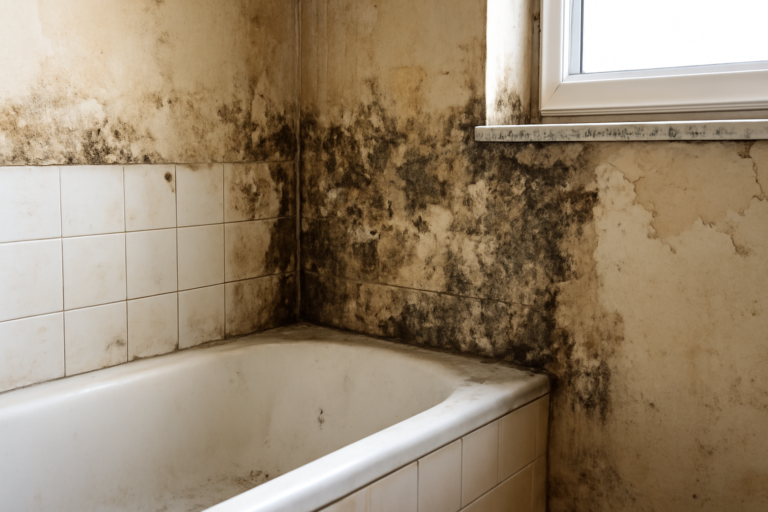
Corroded Pipe Water Damage Restoration in Mableton, GA
- Over 165 5-Star Reviews
- Free Estimates and Quotes
- 100% Satisfaction Guaranteed
- Child, Family & Pet Safe Steps
- 24-Hour Emergency Service
- Fully Licensed & Insured

When Your Pipes Leak More Than Just Water in Mableton, GA
You walk into your basement or utility closet, and there it is: a faint, metallic smell, a rusty stain spreading across the floor, and the tell-tale dampness that isn’t just from a minor leak. Your pipes are corroding, and the resulting water damage is a serious issue that needs immediate attention. This isn’t just about water; it’s about the slow degradation of your home’s infrastructure. You’re seeing the signs of corroded pipe damage, and it’s time to act fast.
We know dealing with this kind of hidden damage can be incredibly stressful for homeowners around here. That’s why we’re here to help, just like we have for over 165 five-star reviews from your neighbors. They trust us because we understand the unique challenges of corroded pipe water damage and have a proven method to address it thoroughly. We’re committed to getting your home dry and secure again, quickly and efficiently.
- We use specialized equipment to detect and measure hidden moisture, ensuring no dampness is left behind to cause further issues.
- Our team focuses on the specific structural vulnerabilities that corroded pipes can create, preventing long-term problems.
- We provide detailed documentation for your insurance claims, making the process smoother for you.
The Science Behind Restoring Corroded Pipe Water Damage
When your pipes corrode, they don’t just leak; they can compromise the integrity of surrounding materials and create environments where mold and bacteria thrive. Our approach to corroded pipe water damage restoration is rooted in science and meticulous attention to detail. We don’t just clean up water; we analyze the extent of the damage, identify the source, and implement a targeted drying and restoration plan. Cutting corners here can lead to recurring problems and costly repairs down the line, which is why our process is designed for thorough and lasting results.
Initial Assessment and Containment
The first step is a detailed inspection using advanced moisture meters and thermal imaging to pinpoint exactly where the water has spread. We’ll then set up containment barriers if needed to prevent any further moisture migration and protect unaffected areas of your home. This critical phase ensures we understand the full scope of the issue before starting any drying. It’s about targeted moisture detection and effective water containment.
Water Extraction
Once containment is established, our powerful extraction equipment goes to work, removing as much standing water as possible. We use specialized pumps and vacuums designed to handle various types of water damage, ensuring we get to the deepest water sources quickly. This step is crucial for starting the drying process effectively and minimizing saturation. We focus on rapid water removal.
Advanced Drying Techniques
This is where the science really comes into play. We deploy a range of drying equipment, including industrial-grade air movers and dehumidifiers, to create an optimal drying environment. We carefully monitor humidity levels and material moisture content, adjusting our equipment as needed. Our goal is to dry your property below industry standards, preventing secondary damage like mold growth. We utilize strategic drying protocols.
Odor Control and Sanitization
Corroded pipes can leave behind unpleasant odors and potential health hazards. We use professional-grade deodorizing agents and antimicrobial treatments to neutralize odors and sanitize affected areas. This ensures your home is not only dry but also safe and healthy for your family. We focus on complete odor elimination.
Reconstruction and Material Replacement
Depending on the extent of the damage, some materials may need to be removed and replaced. Our skilled technicians can handle the necessary repairs, from replacing drywall and insulation to restoring flooring and baseboards. We aim to return your home to its pre-damage condition with minimal disruption. We ensure quality reconstruction services.
Don’t let corroded pipe water damage linger; it can cause significant problems if left untreated. Call us today for an immediate assessment and to begin the fastest possible restoration.

Warning Signs You Need Corroded Pipe Water Damage Restoration
Catching the signs of corroding pipes early is key to preventing extensive and expensive water damage. Ignoring these subtle (and not so subtle) indicators can lead to much larger issues down the road, including structural weakness and unhealthy living conditions. Pay close attention to what’s happening in your home; these are often the first clues that your plumbing is failing.
Discoloration in Water
If your water starts coming out of the faucet with a reddish or brownish tint, it’s a strong indicator of rust and corrosion within your pipes. This isn’t just an aesthetic issue; it means the pipe material is breaking down. You might also notice metallic-tasting water, which is another red flag. Don’t ignore visible pipe degradation.
Rusty Streaks or Stains
Look for rusty streaks or stains on walls or ceilings, especially near plumbing fixtures or where pipes might be located. These can appear as water seeps through drywall or plaster. These stains mean water is escaping your pipes and potentially causing hidden damage behind your walls. It’s a clear sign of active pipe leakage.
Pinhole Leaks
These are small, often difficult-to-spot leaks that can appear as tiny drips or even just a constant damp spot on a pipe. They’re a hallmark of advanced corrosion and can waste a surprising amount of water over time, leading to significant water waste and damage. Pinhole leaks are a sign of imminent pipe failure.
Reduced Water Pressure
Corrosion and rust can build up inside your pipes, narrowing the passageways for water flow. This leads to a noticeable drop in water pressure throughout your home. If your showers aren’t as strong or your faucets trickle, it could be due to internal pipe blockages. It’s a sign of plumbing system issues.
Musty Odors That Won’t Go Away
A persistent musty or earthy smell, especially in basements, crawl spaces, or utility rooms, often indicates hidden moisture. This dampness is likely coming from leaking pipes and can be a breeding ground for mold and mildew. You need to address the source of the dampness to eliminate these unpleasant household smells.
Lukewarm Hot Water
Corroded pipes, especially in your hot water lines, can lead to leaks that lose heat as the water travels. You might notice your hot water isn’t as hot as it used to be, or it runs out much faster. This could mean hot water is escaping your system before it reaches your fixtures. It’s a sign of leaking hot water pipes.
Corroded Pipe Water Damage Restoration vs. DIY: When To Call a Professional
| Situation | DIY? | Call a Pro? | Why |
|---|---|---|---|
| Detecting a small, visible drip from a pipe joint. | Yes, if you’re comfortable with basic plumbing. | Yes, if the leak is constant or hard to access. | DIY might fix a minor issue, but pros ensure a perfect seal and check for hidden moisture. |
| Noticing a faint musty smell in the basement. | No. | Yes. | A smell indicates hidden moisture, which requires specialized drying equipment and expertise to locate and eliminate. |
| Seeing minor rust stains on a visible pipe. | Maybe. | Yes. | Surface rust can be cleaned, but it often signals deeper corrosion that needs professional assessment. |
| Finding widespread dampness and peeling paint on a wall. | No. | Yes. | This signifies significant water intrusion behind the wall, requiring professional drying, mold remediation, and repair. |
| Experiencing a sudden, significant drop in water pressure. | No. | Yes. | This often points to a major internal pipe blockage or a burst pipe, needing immediate professional intervention. |
| Identifying a clear, active water leak from a corroded section of pipe. | No. | Yes. | Active leaks can cause rapid damage; professionals can stop the flow, extract water, and begin drying immediately. |
While some minor plumbing issues might seem manageable with a DIY approach, corroded pipe water damage is rarely a simple fix. The unseen nature of the moisture and potential for structural compromise means professional intervention is usually necessary. Our team has the specialized tools and trained technicians to handle these complex situations effectively.
Corroded Pipe Water Damage Restoration Cost In Mableton, GA
The cost for restoring corroded pipe water damage can vary significantly based on several factors. These are estimates, and a precise quote will be provided after an on-site assessment. We aim to provide transparent pricing for our services in Mableton, GA and the surrounding areas.
| Service | Typical Price Range | What Affects Cost |
|---|---|---|
| Initial Inspection and Moisture Mapping | $300 – $700 | The size of the affected area and the complexity of the building structure. |
| Water Extraction | $500 – $2,000 | The volume of water to be removed and the accessibility of the affected spaces. |
| Structural Drying (Dehumidification & Air Movers) | $700 – $3,000+ | The duration of drying needed, size of the space, and number of units required. |
| Odor Control and Sanitization | $200 – $800 | The severity of the odor and the type of treatments needed for complete elimination. |
| Minor Drywall and Insulation Replacement | $400 – $1,500 per section | The amount of material that needs removal and replacement, and complexity of the repair. |
| Flooring Repair or Replacement (e.g., subfloor) | $500 – $3,000+ | The type of flooring and the extent of damage to the subfloor beneath. |
An on-site assessment is the only way to get an accurate estimate for your specific situation. We offer free, no-obligation estimates to help you understand the scope of work and costs involved. You can schedule your free estimate today.
Service Areas Near Mableton, GA
Austell, Smyrna, Marietta, Atlanta, Vinings, Powder Springs, Douglasville, Lithia Springs, Kennesaw, Acworth, Sandy Springs, Dunwoody, Roswell, Johns Creek, Suwanee, Duluth, Norcross, Lilburn, Stone Mountain, Clarkston.
Common Questions About Corroded Pipe Water Damage Restoration
What are the biggest risks if I don’t fix corroded pipe water damage immediately?
Ignoring corroded pipe leaks can lead to significant structural damage as moisture weakens wood and drywall over time. It also creates ideal conditions for mold and mildew growth, which can pose serious health risks to your family. Furthermore, the constant leaking can increase your water bills substantially. We can help mitigate these urgent risks with prompt action.
How long does the drying process typically take after corroded pipe damage?
The drying process can vary, but typically it takes between 3 to 7 days for most water damage situations from corroded pipes. This depends heavily on the amount of water involved, the materials affected, and the drying conditions we can create. We use advanced drying technology to speed up the process safely and efficiently.
Is corroded pipe water damage covered by homeowners insurance?
Generally, homeowners insurance policies cover water damage caused by sudden and accidental pipe bursts or leaks. However, damage resulting from slow leaks or gradual deterioration due to corrosion might be excluded. It’s always best to check your specific policy and contact your insurance provider. We can provide detailed documentation to support your claim.
What kind of equipment do you use to dry out a home after pipe leaks?
We utilize a range of professional-grade equipment, including high-speed air movers to circulate air, industrial dehumidifiers to remove moisture from the air, and specialized moisture meters to track drying progress. For corroded pipe damage, we might also use thermal cameras to find hidden moisture pockets. Our industry-leading equipment ensures effective and efficient drying.
Can I prevent my pipes from corroding in the first place?
Preventing corrosion involves maintaining your plumbing system. This can include managing water pH levels, avoiding harsh chemicals in drains, and addressing hard water issues. Regular inspections can catch early signs of corrosion before they lead to leaks. If you suspect your pipes are aging, proactive maintenance is key. We can assess the condition of your plumbing system during our visits.
Serving Mableton, GA And Nearby Areas