
Trusted by 165+ Homeowners
Ceiling Drywall Water Damage Restoration in Austell, GA
- Over 165 5-Star Reviews
- Free Estimates and Quotes
- 100% Satisfaction Guaranteed
- Child, Family & Pet Safe Steps
- 24-Hour Emergency Service
- Fully Licensed & Insured
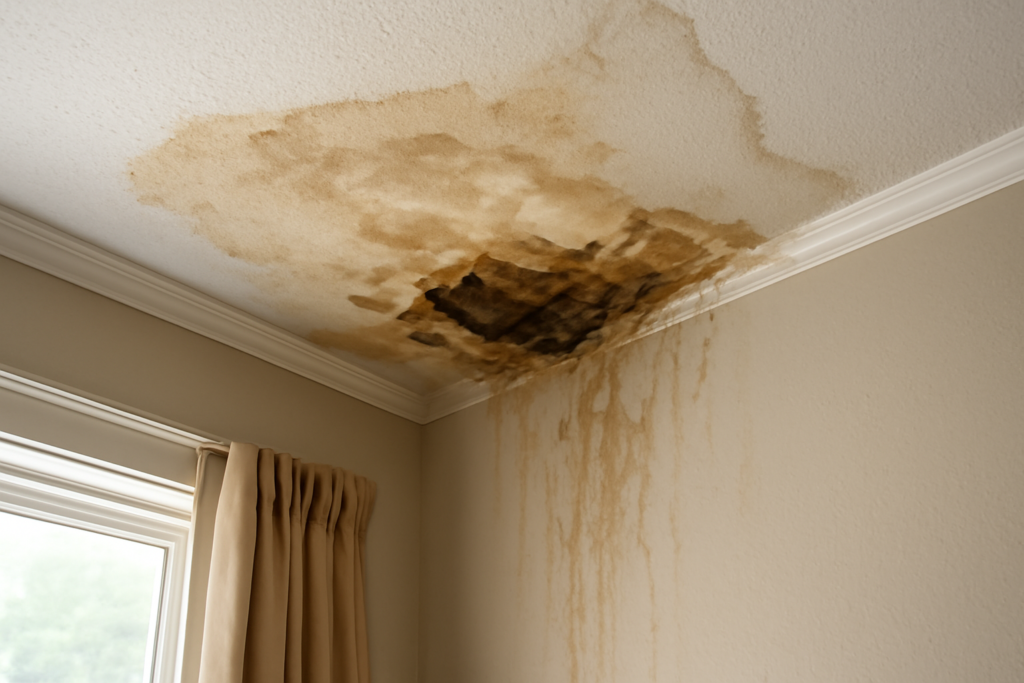
When Water Falls From Above: Ceiling Drywall Damage in Austell, GA
Did you know that water stains on your ceiling aren’t just unsightly? They can actually indicate a much larger issue, with nearly 40% of ceiling water damage cases requiring more than just a simple patch. This often happens after a leaky pipe, roof problem, or even a backup from an upstairs bathroom. Dealing with ceiling drywall water damage means you need a specific approach, and we’re here to guide you through it. We understand that seeing water seep through your ceiling can be incredibly stressful, especially here in Austell, GA.
You’ll find that over 165 five-star reviews from your neighbors speak volumes about our focused approach to ceiling drywall water damage. Homeowners around here trust us because we get it right the first time. We don’t just fix the visible issue; we address the underlying moisture that can cause mold and structural problems later. Our team is committed to providing clear communication and getting your home back to normal quickly.
- We focus on targeted drying techniques specifically for ceiling cavities, preventing hidden moisture from lingering.
- Our process includes thorough mold detection and remediation if any signs are found due to the water intrusion.
- We work directly with your insurance adjuster to document everything properly, making the claims process smoother for you.
How Ceiling Drywall Water Damage Restoration Actually Works
When water invades your ceiling, it’s not just about the drywall. The entire structure above it, including insulation and framing, can be compromised. A rushed or incomplete restoration can lead to persistent musty odors, mold growth, and even ceiling collapse down the line. That’s why our structured process is so important for restoring your home safely and effectively. We focus on detailed assessments and targeted repairs, ensuring no detail is overlooked.
Initial Water Source Identification
Our first step is always to pinpoint the exact source of the water. This is critical for preventing recurrence. Whether it’s a roof leak, plumbing issue, or HVAC condensation, we’ll find it. We use specialized tools to trace the moisture’s path, often taking less than an hour for this assessment. Accurate source identification prevents future headaches.
Water Extraction and Drying
Once the source is stopped, we begin removing standing water and drying the affected area. We use high-powered water extractors to pull out as much moisture as possible. Then, we deploy industrial-grade air movers and dehumidifiers. These machines work tirelessly to pull moisture from the air and materials, often needing 24 to 72 hours to dry the cavity and surrounding drywall completely. Proper drying is essential to prevent mold.
Damage Assessment and Containment
With the area dry, we conduct a thorough inspection. We’ll look for saturation, structural integrity issues, and any signs of mold. If necessary, we’ll carefully contain the affected area to prevent cross-contamination. This might involve setting up containment barriers. We document all findings meticulously for insurance purposes. This assessment phase can take several hours, depending on the extent of the damage.
Drywall Repair and Replacement
Severely damaged or saturated drywall must be removed and replaced. We cut out the compromised sections, ensuring we reach solid framing. New drywall is then installed, taped, mudded, and sanded to match the existing ceiling texture. This part of the process usually takes 1 to 3 days, depending on the size of the area needing repair. Skilled drywall repair is key to a seamless finish.
Finishing and Painting
Once the new drywall is ready, we prime and paint the repaired sections to blend perfectly with your existing ceiling. We aim for a flawless finish that makes it look like the damage never happened. This final step typically takes a day or two. Quality finishing ensures your satisfaction. We’ll ensure the color matches precisely.
Don’t let ceiling water damage linger. Contact us today for a prompt assessment. We’ll help you navigate the repair process efficiently.
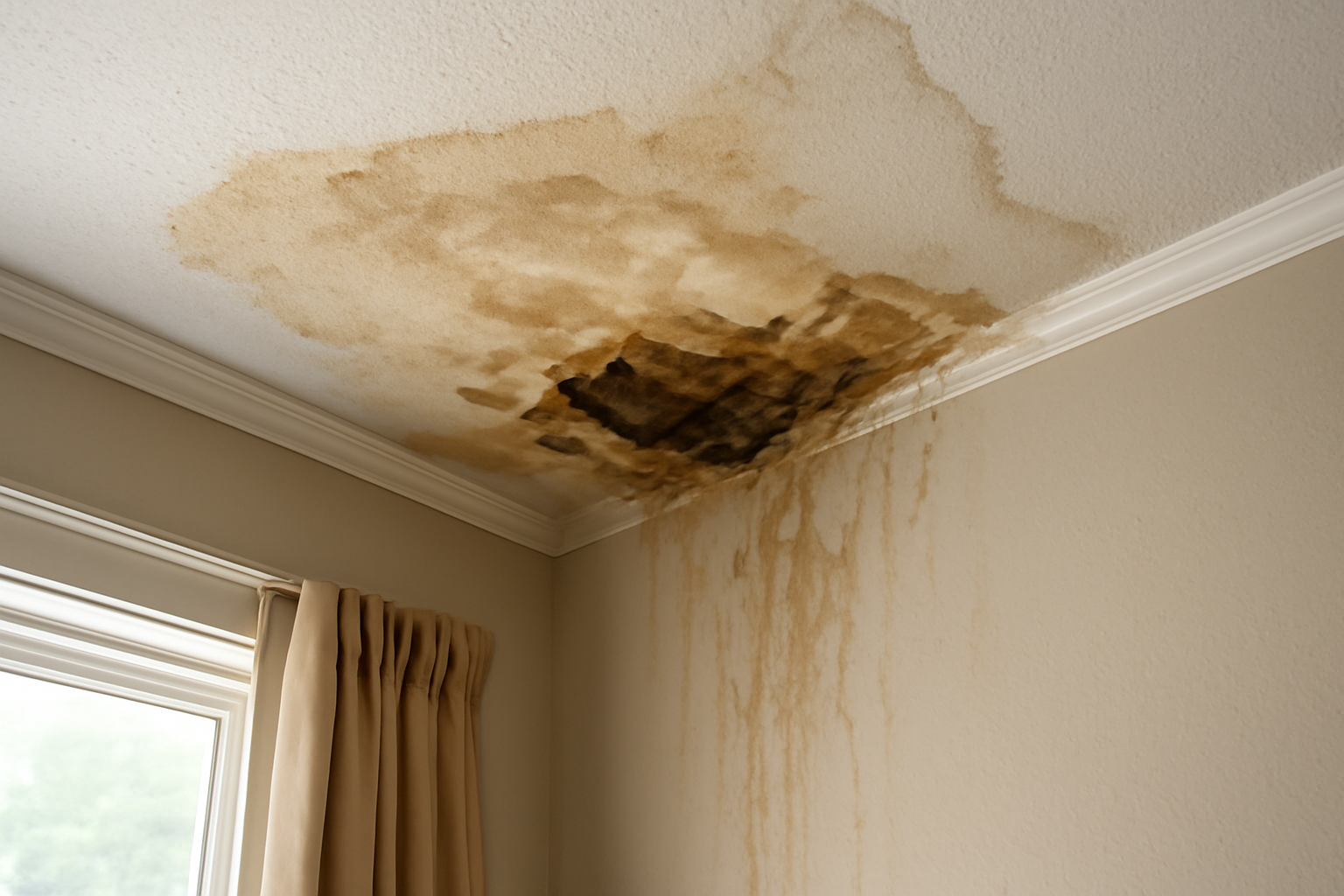
Warning Signs You Need Ceiling Drywall Water Damage Restoration
Catching these signs early can save you a significant amount of money and prevent much bigger problems down the road. Ignoring them means you risk mold growth, structural damage, and costly repairs later. Your ceiling is a critical part of your home’s structure.
Visible Water Stains or Discoloration
These are the most obvious indicators. Yellow or brown stains spreading across your ceiling are a clear sign of water intrusion. Don’t assume it’s just cosmetic; it means water has penetrated the drywall. This requires immediate attention.
Sagging or Bulging Drywall
When drywall becomes saturated, it loses its rigidity and can start to sag or even bulge downwards. A sagging ceiling is a serious structural concern. It indicates significant water absorption and potential weakening of the material. This needs professional assessment right away.
Musty Odors That Won’t Go Away
Even if you don’t see visible signs, a persistent musty or damp smell coming from your ceiling area is a strong indicator of hidden moisture. Mold thrives in damp environments, and these odors are often the first sign of its presence. This needs prompt investigation.
Peeling or Bubbling Paint
Water trapped behind paint can cause it to peel, blister, or bubble away from the drywall surface. This is another visual cue that moisture is present and affecting the integrity of the ceiling finish. It signals that water has seeped into the paint layer.
Dripping Water
If you see actual drips of water falling from your ceiling, the situation is urgent. This means the water source is active and significant. You need immediate professional help to stop the flow and begin the drying process. This is a critical emergency.
Cracks or Crumbling Drywall
Water can weaken the paper and gypsum core of drywall, leading to cracks or even crumbling. This indicates compromised structural integrity. If you notice sections of your ceiling becoming brittle or breaking apart, it’s a clear sign of water damage.
Ceiling Drywall Water Damage Restoration vs. DIY: When To Call a Professional
| Situation | DIY? | Call a Pro? | Why |
|---|---|---|---|
| Small, fresh water spot from a recent, easily fixed leak (e.g., a temporary plumbing drip) | Yes | No | Minor spots can often be blotted and dried with fans. |
| Large or spreading water stains on the ceiling | No | Yes | Large stains mean deep saturation and potential hidden damage. |
| Visible sagging or bulging of the drywall ceiling | No | Yes | This is a significant structural risk requiring immediate professional assessment. |
| Musty odors present, even without visible stains | No | Yes | Odor indicates potential mold growth, which needs professional containment and removal. |
| Water damage from a roof leak or damaged plumbing line | No | Yes | These sources often cause widespread saturation and require specialized drying equipment. |
| Need to file an insurance claim for water damage | No | Yes | Professionals document damage thoroughly, which is crucial for successful insurance claims. |
When it comes to ceiling drywall water damage, DIY is generally limited to very minor, fresh incidents. Any sign of sagging, odor, or extensive staining warrants professional attention. Professionals have the equipment and expertise to ensure the damage is fully remediated.
Ceiling Drywall Water Damage Restoration Cost In Austell, GA
The cost for ceiling drywall water damage restoration in Austell, GA, can vary widely. Factors like the size of the affected area, the severity of the water damage, and the complexity of the repair will influence the final price. These figures are estimates for the local area.
| Service | Typical Price Range | What Affects Cost |
|---|---|---|
| Water Damage Assessment and Inspection | $250 – $750 | Complexity of finding the source and extent of saturation. |
| Water Extraction and Drying (using equipment) | $500 – $2,500 | Square footage of affected ceiling and duration of drying. |
| Mold Testing and Remediation | $500 – $3,000+ | Amount of mold present and containment needs. |
| Drywall Removal and Replacement (per sheet) | $150 – $300 | Height of ceiling, accessibility, and type of drywall. |
| Taping, Mudding, Sanding, Priming | $200 – $500 | Size of patched area and required texture matching. |
| Painting and Finishing | $150 – $400 | Square footage to be painted and paint quality. |
An on-site assessment is the only way to get an accurate quote for your specific situation. We offer free estimates to help you understand the scope and cost.
Service Areas Near Austell, GA: Atlanta, Smyrna, Marietta, Mableton, Lithia Springs, Powder Springs, Douglasville, Kennesaw, Acworth, Vinings, Clarkdale, Hiram, Dallas, Woodstock, Roswell, Sandy Springs, College Park, East Point, Hapeville, Palmetto.
Common Questions About Ceiling Drywall Water Damage Restoration
How long does ceiling drywall water damage restoration usually take?
The timeline varies greatly depending on the extent of the damage. A simple patch might take 2-3 days, including drying and finishing. However, if there’s significant saturation or mold, it could extend to a week or more. We prioritize thorough drying and proper repair, so we won’t rush the critical steps. We’ll keep you informed throughout the process.
Will my insurance cover ceiling drywall water damage?
Often, yes, but it depends on the cause of the water damage. Standard homeowner’s insurance typically covers sudden and accidental events like burst pipes or storm damage. Issues like long-term neglect or poor maintenance might not be covered. We work closely with insurance companies to help document the damage and support your claim. We’ll help you understand what your policy might cover.
Is ceiling water damage a health risk?
Absolutely. The primary health risk associated with ceiling water damage is mold growth. Mold spores can spread through the air and cause respiratory problems, allergic reactions, and other health issues, especially for those with existing conditions. Prompt professional drying and remediation are vital to prevent mold. We take health concerns very seriously.
What kind of equipment do you use to dry out a wet ceiling?
We use specialized equipment beyond typical household fans. This includes high-volume air movers to create airflow within the ceiling cavity and commercial-grade dehumidifiers to pull moisture from the air. We also use moisture meters to accurately measure drying progress. Advanced equipment ensures effective and complete drying, preventing future problems. This is key to successful restoration.
Can I just paint over a water stain on my ceiling?
Painting over a water stain without addressing the underlying moisture and damage is a bad idea. The stain will likely reappear, and any mold present will continue to grow behind the paint. Proper restoration involves identifying the water source, drying the area completely, repairing or replacing damaged drywall, and then painting. We never recommend painting over damage.
Check Our Other Relevant Services

Jerry Johns is a licensed Damage Restoration Expert with over 20 years of hands-on experience helping homeowners and businesses navigate property crises. As a trusted authority in the field, Jerry combines technical precision with a compassionate approach to disaster recovery.
𝗖𝗲𝗿𝘁𝗶𝗳𝗶𝗰𝗮𝘁𝗶𝗼𝗻𝘀: Jerry holds multiple elite IICRC certifications, including Water Damage Restoration (WRT), Applied Microbial Remediation (Mold), Applied Structural Drying (ASD), Odor Control, and Fire and Smoke Restoration.
𝗙𝗮𝘃𝗼𝗿𝗶𝘁𝗲 𝗣𝗮𝘀𝘁𝗶𝗺𝗲: When he isn’t on a job site, Jerry is an avid outdoorsman who enjoys fly fishing and restoring vintage woodworking tools.
𝗕𝗲𝘀𝘁 𝗣𝗮𝗿𝘁 𝗼𝗳 𝘁𝗵𝗲 𝗝𝗼𝗯: Jerry finds the most fulfillment in seeing the relief on a client’s face when their property is finally restored to its pre-loss condition, turning a stressful disaster into a fresh start.


