Trusted by 165+ Homeowners
HVAC Water Damage Restoration in Forest Park, GA
- Over 165 5-Star Reviews
- Free Estimates and Quotes
- 100% Satisfaction Guaranteed
- Child, Family & Pet Safe Steps
- 24-Hour Emergency Service
- Fully Licensed & Insured

Expert HVAC Water Damage Restoration for Forest Park, GA Homes
We’ve seen our share of unexpected water issues pop up in homes around Forest Park, GA. From leaky AC units in older homes to condensation problems in newer constructions, HVAC systems can become a surprising source of water damage. It’s not a common problem people think about, but when your air conditioning or heating system starts leaking, it can quickly cause serious trouble for your ceilings, walls, and even your foundation. Our team’s been tackling these exact kinds of problems for a long time, understanding the unique challenges our local climate and building styles present.
You’ll find over 165 five-star reviews from homeowners who trusted us when their HVAC system decided to act like a leaky faucet. They chose us because they knew we wouldn’t just patch things up; we get to the root of the problem. When you’re dealing with the stress and disruption of water damage, you need a team that’s not only skilled but also genuinely cares about getting your home back to normal. We’ve honed our process specifically for HVAC-related water issues, ensuring you get reliable service you can count on.
- We quickly identify and stop the source of the leak, preventing further damage to your HVAC components and your home’s structure.
- Our advanced drying and dehumidification equipment are specifically chosen to tackle the unique moisture profiles created by HVAC leaks, ensuring a thorough and safe restoration.
- We handle the entire process, from initial assessment and water extraction to structural drying and mold prevention, making it easier for you.
How Our HVAC Water Damage Restoration Process Works
Dealing with water damage from your HVAC system is stressful enough without worrying about how the restoration will happen. That’s why we’ve developed a clear, effective process designed to minimize your disruption and maximize results. When corners are cut, you might end up with lingering moisture, mold growth, and structural issues down the line. Our structured approach ensures we address every aspect of the damage, from the initial water removal to the final drying and sanitization. We believe in transparency, so you’ll always know what to expect as we work to restore your property.
1. Emergency Response and Assessment
As soon as you notice a problem, we’ll dispatch our trained technicians to your property. We’ll conduct a thorough inspection to pinpoint the exact source of the leak, assess the extent of the water damage, and determine the best course of action. This initial assessment is crucial for planning an effective restoration. We use specialized moisture meters and thermal imaging to find hidden water.
2. Water Extraction
Once we’ve located the source, our priority is to remove all standing water as quickly as possible. We use powerful, truck-mounted water extractors and portable pumps to remove bulk water. Rapid water extraction is key to preventing secondary damage like mold and rot. This phase can often be completed within hours, depending on the volume of water.
3. Drying and Dehumidification
This is where specialized equipment truly makes a difference. We strategically place industrial-grade air movers and dehumidifiers to speed up the evaporation process. These machines work tirelessly to draw moisture out of the air and materials like drywall, insulation, and wood. Proper structural drying is essential to prevent long-term problems. This step can take several days, monitored closely by our team.
4. Cleaning and Sanitization
After drying, we’ll clean and sanitize all affected areas and materials. We use professional-grade cleaning agents to remove any contaminants or odors left behind by the water. Thorough sanitization helps ensure a healthy living environment. This step often involves wiping down surfaces and treating affected materials to prevent microbial growth.
5. Restoration and Repair
Finally, we’ll repair any damaged structural elements. This might include replacing damaged drywall, repainting, or making minor repairs to the HVAC system itself if needed. Our goal is to return your home to its pre-loss condition. Restoring your home means making it look and feel like the water incident never happened.
Don’t let a leaky HVAC system cause lasting damage. Call us today to get your home back to normal. Act fast to prevent further issues and schedule your assessment now.

Warning Signs You Need HVAC Water Damage Restoration
Catching water damage early is always better. The sooner you address the problem, the less extensive the damage and the lower the cost of repairs. Ignoring these signs can lead to more significant structural issues and potentially unhealthy mold growth within your home’s ductwork and living spaces. We’ve put together a list of common indicators that suggest your HVAC system might be causing water damage.
Musty Odors That Won’t Go Away
A persistent musty or moldy smell, especially when your HVAC system is running, is a strong indicator of hidden moisture. Investigate these smells immediately, as they often signal mold growth within your ductwork or the unit itself.
Visible Water Stains or Dripping
If you see water stains on ceilings or walls, especially near air vents or your HVAC unit, it’s a clear sign of a leak. Address visible water promptly to prevent further saturation of building materials.
Increased Humidity Levels
Your HVAC system should help regulate humidity, but a leak can cause indoor humidity to rise significantly. Monitor your home’s humidity; if it feels unusually damp, there might be an issue.
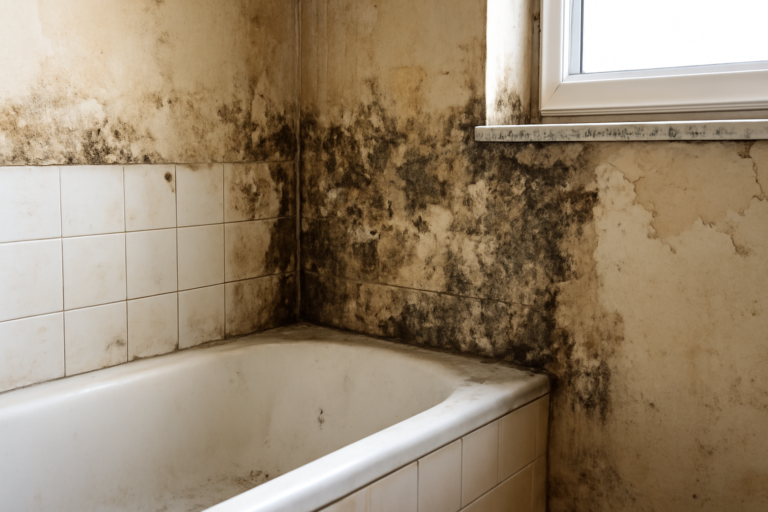
Mold or Mildew Growth
Any visible mold or mildew around your vents, on your walls, or near the HVAC unit is a serious problem. Remove mold growth carefully, and understand that it likely indicates an underlying water source.
Unusual Noises from the Unit
While not always directly related to water, gurgling or dripping sounds coming from your HVAC system can point to a blockage or internal leak. Listen for odd sounds; they can be an early warning.
Unexpectedly High Energy Bills
A water-damaged or malfunctioning HVAC system often works harder, leading to higher energy consumption. Check your utility bills for sudden spikes, as this can be a symptom of deeper issues.
HVAC Water Damage Restoration vs. DIY: When To Call a Professional
| Situation | DIY? | Call a Pro? | Why |
|---|---|---|---|
| Small condensation leak from AC drain pan | Yes, if you’re comfortable with basic plumbing. | Yes, if you’re unsure or the leak is extensive. | DIY is fine for minor issues, but a pro ensures the root cause is fixed and prevents future problems. |
| Water stains on ceiling near vent | No. | Yes. | Ceiling stains indicate water has saturated insulation and drywall, requiring professional drying and assessment for mold. |
| Musty odor throughout the house when AC runs | No. | Yes. | This often means mold has grown inside the ductwork or HVAC unit, requiring specialized cleaning and remediation. |
| Visible mold growth around HVAC unit or vents | No, unless it’s a very tiny, surface spot you can immediately clean. | Yes, definitely. | Mold needs to be professionally removed to prevent spore spread and ensure thorough remediation of the water source. |
| HVAC system is actively leaking large amounts of water | No. | Yes, immediately. | Large leaks require immediate extraction and professional drying equipment to prevent catastrophic damage and mold. |
| Damp or wet insulation found near the air handler | No. | Yes. | Wet insulation loses its R-value and can harbor mold; it needs professional removal, drying, and replacement. |
For anything beyond a minor condensation drip, calling a professional is your safest bet. Professional intervention ensures the water source is correctly identified and repaired, and that all moisture is removed to prevent lingering issues. Trusting the experts saves you time, money, and potential health hazards down the road.
HVAC Water Damage Restoration Cost In Forest Park, GA
The cost of HVAC water damage restoration in Forest Park, GA can vary significantly. Factors like the size of the affected area, the amount of water, the type of materials damaged, and the complexity of the HVAC system all play a role. These figures are general estimates to help you understand potential costs. Understanding these costs can help you prepare for the restoration process.
| Service | Typical Price Range | What Affects Cost |
|---|---|---|
| Initial Inspection and Water Damage Assessment | $300 – $750 | Scope of damage, need for specialized tools like thermal cameras. |
| Water Extraction (Bulk Water Removal) | $500 – $2,500 | Volume of water, accessibility of affected areas. |
| Structural Drying and Dehumidification | $1,000 – $5,000+ | Size of affected space, materials to dry (e.g., concrete vs. carpet), duration of drying needed. |
| HVAC Duct Cleaning and Sanitization | $500 – $1,500 | Square footage of ductwork, severity of contamination. |
| Mold Testing and Remediation (if applicable) | $1,000 – $10,000+ | Amount of mold, containment needs, structural repairs required. |
| Minor Structural Repairs (drywall, insulation) | $500 – $3,000+ | Extent of material replacement, complexity of repairs. |
The exact pricing for your specific situation will depend on a thorough on-site assessment. We offer free, no-obligation estimates so you know exactly what to expect before we begin. Get your free estimate today.
Service Areas Near Forest Park, GA
Atlanta, Decatur, Duluth, Lithonia, Morrow, Riverdale, Stockbridge, Union City, Forest Park, GA, Ellenwood, Conley, Rex, Scottdale, Avondale Estates, Clarkston, Stone Mountain, Pine Lake, Redan, Belvedere Park, Gresham Park
Common Questions About HVAC Water Damage Restoration
How quickly do I need to address water from my HVAC system?
You should address HVAC water damage as soon as possible, ideally within 24-48 hours. The longer water sits, the more it can saturate materials, leading to structural damage, rot, and mold growth. Our team offers emergency response services to tackle these issues promptly.
Will my homeowner’s insurance cover HVAC water damage restoration?
Often, homeowner’s insurance policies cover water damage, but it depends on the cause. Leaks from sudden and accidental sources are typically covered, while gradual leaks or lack of maintenance might not be. We can help you navigate the insurance claims process and provide the necessary documentation for your claim.
How long does the entire HVAC water damage restoration process take?
The timeline varies greatly depending on the severity of the water damage. Extraction might take hours, but drying and dehumidification can take several days, followed by repairs. We use advanced drying technology to speed up the process considerably, but thoroughness is key to preventing future issues.
What are the health risks associated with HVAC water damage?
The primary health risk is mold growth, which can thrive in damp ductwork and hidden areas. Inhaling mold spores can cause allergic reactions, respiratory problems, and other health issues. Our sanitization process is designed to eliminate mold and bacteria, ensuring your home’s air quality is safe.
Can I prevent my HVAC system from causing water damage?
Regular maintenance is key. Ensure your condensate drain line is clear, and have your system inspected annually by a qualified technician. Preventative maintenance can help catch potential issues before they lead to water damage, saving you from costly repairs later.
Check Our Other Relevant Services
- Downspout Failure Water Damage Restoration in Forest Park, GA
- Attic Mold Remediation in Forest Park, GA

Jerry Johns is a licensed Damage Restoration Expert with over 20 years of hands-on experience helping homeowners and businesses navigate property crises. As a trusted authority in the field, Jerry combines technical precision with a compassionate approach to disaster recovery.
𝗖𝗲𝗿𝘁𝗶𝗳𝗶𝗰𝗮𝘁𝗶𝗼𝗻𝘀: Jerry holds multiple elite IICRC certifications, including Water Damage Restoration (WRT), Applied Microbial Remediation (Mold), Applied Structural Drying (ASD), Odor Control, and Fire and Smoke Restoration.
𝗙𝗮𝘃𝗼𝗿𝗶𝘁𝗲 𝗣𝗮𝘀𝘁𝗶𝗺𝗲: When he isn’t on a job site, Jerry is an avid outdoorsman who enjoys fly fishing and restoring vintage woodworking tools.
𝗕𝗲𝘀𝘁 𝗣𝗮𝗿𝘁 𝗼𝗳 𝘁𝗵𝗲 𝗝𝗼𝗯: Jerry finds the most fulfillment in seeing the relief on a client’s face when their property is finally restored to its pre-loss condition, turning a stressful disaster into a fresh start.