Trusted by 165+ Homeowners
Structural Drying Services in Hapeville, GA
- Over 165 5-Star Reviews
- Free Estimates and Quotes
- 100% Satisfaction Guaranteed
- Child, Family & Pet Safe Steps
- 24-Hour Emergency Service
- Fully Licensed & Insured

When Water Damage Lingers: Expert Structural Drying Services in Hapeville, GA
Did you know that up to 50% of water damage claims involve issues that aren’t immediately visible? That’s a lot of potential problems hiding behind your walls. When water infiltrates your home’s structure, it doesn’t just sit on the surface. It can seep into insulation, subflooring, and framing, creating an environment ripe for mold growth and long-term decay. Addressing this hidden moisture quickly is crucial for your property’s health and your family’s well-being. We’re here to help you tackle these unseen threats head-on, right here in Hapeville, GA.
Locally, homeowners trust our team because we understand the urgency and the science behind drying out a home thoroughly. With over 165 five-star reviews, you can see that we’re dedicated to getting it right the first time. We’ve helped many families in your neighborhood recover from water intrusion events, ensuring their homes are safe and dry. You can count on our experienced crews to bring your property back to its pre-loss condition efficiently and effectively.
- Prevent Mold and Mildew Growth: Prompt structural drying eliminates the damp conditions that mold needs to thrive, protecting your home’s air quality and preventing costly remediation down the line.
- Protect Your Home’s Value: Hidden moisture can weaken structural components and lead to rot, significantly impacting your home’s integrity and market value. Our drying process safeguards your investment.
- Avoid Secondary Damage: By quickly removing excess moisture from building materials, we prevent warping, buckling, and other forms of secondary damage that can occur as materials dry out unevenly.
How Our Structural Drying Process Works
A proper structural drying process is more than just pointing a fan at a wet spot. It involves a methodical approach using specialized equipment to extract moisture from deep within building materials. Cutting corners here can lead to persistent dampness, mold, and escalating repair costs. We work meticulously to ensure every affected area is targeted, documented, and dried to industry standards. This methodical approach is key to a successful recovery after water damage in your property.
Initial Water Extraction
After any standing water is removed, our first step is to extract as much remaining moisture as possible from your flooring, walls, and furniture. We use powerful commercial-grade water extractors and specialized tools to pull out water that’s absorbed into materials. This phase is critical because the less water we leave behind, the faster and more effectively we can dry the structure.
Setting Up Drying Equipment
Once the bulk of the water is gone, we deploy an array of advanced drying equipment. This includes high-velocity air movers to create airflow, industrial dehumidifiers to pull moisture from the air, and sometimes specialized drying chambers or heaters. The goal is to accelerate the evaporation process and control humidity levels throughout your home. We’ll position equipment strategically based on our moisture readings.
Monitoring and Moisture Measurement
Drying isn’t a set-it-and-forget-it job. Our technicians use advanced moisture meters and thermal imaging cameras to constantly track the drying progress. We measure moisture content in various materials like drywall, wood, and carpet to ensure we’re reaching the desired dryness levels. This data is crucial for documenting the drying process for insurance purposes and confirming when the job is truly done.
Humidity and Temperature Control
Controlling the environment is just as important as airflow. Our dehumidifiers work to lower the relative humidity, allowing wet materials to release their moisture more easily. We also manage temperature to optimize the drying rate without causing additional damage. Maintaining these controlled drying conditions is vital for preventing further issues.
Final Inspection and Documentation
Before we consider the structural drying complete, we perform a thorough final inspection. We’ll take final moisture readings to confirm that all affected materials are dried to safe levels. We provide detailed documentation of the entire process, including readings and equipment used, which is essential for your insurance claim. This ensures you have a complete record of the work performed.
Don’t let hidden moisture cause long-term problems. Contact us immediately if you suspect water has affected your home’s structure. We’ll get the drying process started right away to protect your property.

Warning Signs You Need Structural Drying Services
Catching the signs of hidden moisture early can save you a significant amount of money and prevent more serious damage to your home. Ignoring these indicators can lead to mold growth, structural weakening, and costly repairs. Being aware of what to look for is your first line of defense.
Musty Odors That Won’t Go Away
A persistent, damp, or musty smell, especially in enclosed spaces like closets or basements, is a strong indicator of trapped moisture and potential mold growth. This smell is often the first sign of trouble, even if you can’t see any visible water.
Discolored Walls or Ceilings
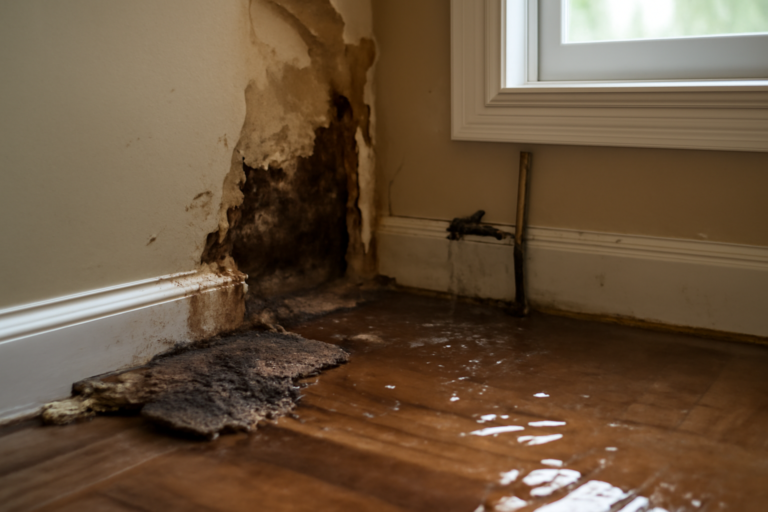
Yellow or brown stains on your walls or ceilings, particularly after a leak or heavy rain, can mean water is saturating the materials behind the paint. These are often called water spots and signal deeper moisture issues.
Warped or Peeling Paint
If you notice paint bubbling, peeling, or cracking on your walls or ceilings, it could be due to moisture pushing from behind. This indicates that the underlying material is compromised and needs immediate attention.
Soft or Spongy Flooring
Flooring that feels soft, spongy, or gives way when you walk on it suggests that the subfloor beneath is saturated and damaged. This is a clear sign of significant water intrusion and requires professional drying.
Condensation on Windows or Pipes
Excessive condensation on windows, pipes, or even exterior walls can point to high indoor humidity levels, often caused by unseen water problems. This constant moisture can lead to rot and material breakdown.
Buckling or Warped Baseboards
When baseboards begin to pull away from the wall, buckle, or warp, it’s a strong indicator that moisture is trapped behind them, affecting the wall structure and the wood itself. This is a clear sign of water damage.
Structural Drying Services vs. DIY: When To Call a Professional
| Situation | DIY? | Call a Pro? | Why |
|---|---|---|---|
| Minor spill on a hard floor (tile, laminate) | Yes | No | Easy to wipe up and dry with fans. |
| Wet carpet after a small, clean water leak | Maybe | Yes | Carpet padding can hold significant moisture, requiring specialized extraction. |
| Water damage behind drywall or in insulation | No | Yes | Hidden moisture requires specialized equipment to locate and remove effectively. |
| Sewage or contaminated water backup | Absolutely Not | Yes | Requires specialized containment, cleaning, and drying to prevent health hazards. |
| Flooding from a burst pipe in a finished basement | No | Yes | Subfloors, framing, and drywall need thorough drying to prevent mold and structural damage. |
| Persistent musty odors after a known water event | No | Yes | Odors indicate trapped moisture and potential mold growth that needs professional assessment. |
While some minor water issues can be managed with basic drying techniques, structural drying is where professional intervention becomes critical. When water has had time to penetrate building materials or is in areas you can’t easily access, DIY methods often fall short. Relying on professionals ensures that the entire affected structure is dried properly, preventing future problems and saving you money in the long run.
Structural Drying Services Cost In Hapeville, GA
The cost of structural drying services in Hapeville, GA can vary significantly. Factors include the size of the affected area, the type of building materials involved, the amount of water present, and how long the moisture has been present. These are general estimates to help you budget.
| Service | Typical Price Range | What Affects Cost |
|---|---|---|
| Moisture Assessment and Plan Development | $300 – $700 | Size of property and complexity of water intrusion. |
| Water Extraction (Standard Area) | $500 – $2,000 | Volume of water removed and square footage. |
| Dehumidification and Air Mover Setup (per day) | $100 – $300 | Number and type of units required for efficient drying. |
| Structural Drying for Walls/Floors (per room) | $800 – $3,500 | Depth of saturation, material type (drywall vs. concrete), and duration of drying. |
| Moisture Monitoring and Reporting | $200 – $500 | Frequency of checks and level of detail required for documentation. |
| Specialized Drying (e.g., cavities, subfloors) | $1,000 – $5,000+ | Complexity of access, duration, and specialized equipment needed. |
A precise cost can only be determined after an on-site assessment by our technicians. We offer free, no-obligation estimates to give you a clear understanding of the investment needed to restore your property.
Service Areas Near Hapeville, GA
Atlanta, East Point, College Park, Union City, Riverdale, Forest Park, Jonesboro, Morrow, Decatur, Chamblee, Doraville, Dunwoody, Sandy Springs, Roswell, Marietta, Smyrna, Kennesaw, Acworth, Woodstock, Canton.
Common Questions About Structural Drying Services
How long does structural drying typically take?
The timeline for structural drying depends heavily on the extent of the water damage, the types of materials affected, and ambient humidity levels. A small, surface-level issue might take 2-3 days, while significant water intrusion into structural components could require 10 days or even longer. We use advanced monitoring to track progress and won’t stop until your property is demonstrably dry.
Will my insurance company cover the cost of structural drying?
Generally, if the water damage itself is covered by your policy (e.g., from a burst pipe or storm damage), the cost of necessary structural drying is also covered. We work closely with insurance adjusters to provide thorough documentation of the damage and the drying process. Our goal is to ensure you receive the coverage you’re entitled to for proper water damage restoration.
What are the health risks associated with not drying properly?
Inadequate structural drying creates a perfect breeding ground for mold and mildew within 24-48 hours. Exposure to mold can cause a range of health issues, including allergic reactions, asthma exacerbation, and other respiratory problems. It can also damage building materials, leading to rot and structural compromise. Addressing moisture promptly is essential for maintaining a healthy home environment.
What kind of equipment do you use for structural drying?
We employ a range of professional-grade equipment designed for effective water removal and drying. This includes high-powered water extractors, industrial dehumidifiers (LGR units), air movers, axial fans, and sometimes specialized equipment like injectidry systems for drying wall cavities. We also use moisture meters, hygrometers, and thermal imaging cameras to accurately assess and monitor moisture levels throughout the drying process.
Can I speed up the drying process myself?
While opening windows and using household fans can help with minor surface drying, they are often insufficient for true structural drying. Professional equipment creates much higher airflow and removes significantly more moisture from the air and materials. Trying to dry extensive water damage yourself can lead to incomplete drying, resulting in mold and further damage. For anything beyond a small spill, it’s best to rely on our specialized drying expertise.
Check Our Other Relevant Services

Jerry Johns is a licensed Damage Restoration Expert with over 20 years of hands-on experience helping homeowners and businesses navigate property crises. As a trusted authority in the field, Jerry combines technical precision with a compassionate approach to disaster recovery.
𝗖𝗲𝗿𝘁𝗶𝗳𝗶𝗰𝗮𝘁𝗶𝗼𝗻𝘀: Jerry holds multiple elite IICRC certifications, including Water Damage Restoration (WRT), Applied Microbial Remediation (Mold), Applied Structural Drying (ASD), Odor Control, and Fire and Smoke Restoration.
𝗙𝗮𝘃𝗼𝗿𝗶𝘁𝗲 𝗣𝗮𝘀𝘁𝗶𝗺𝗲: When he isn’t on a job site, Jerry is an avid outdoorsman who enjoys fly fishing and restoring vintage woodworking tools.
𝗕𝗲𝘀𝘁 𝗣𝗮𝗿𝘁 𝗼𝗳 𝘁𝗵𝗲 𝗝𝗼𝗯: Jerry finds the most fulfillment in seeing the relief on a client’s face when their property is finally restored to its pre-loss condition, turning a stressful disaster into a fresh start.