Trusted by 165+ Homeowners
Floor Water Damage Restoration in Monroe, GA
- Over 165 5-Star Reviews
- Free Estimates and Quotes
- 100% Satisfaction Guaranteed
- Child, Family & Pet Safe Steps
- 24-Hour Emergency Service
- Fully Licensed & Insured

Don’t Let Water Ruin Your Floors: Expert Restoration in Monroe, GA
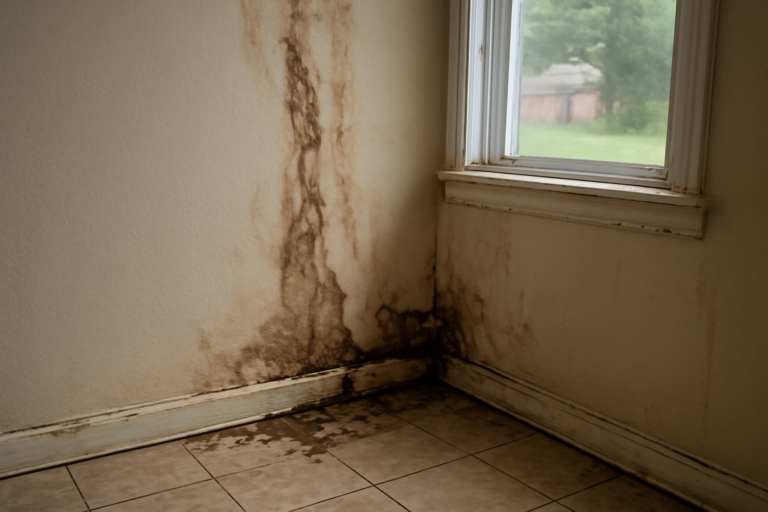
The moment you discover water pooling on your floors, your first instinct might be to grab towels and start mopping. While that’s a good immediate step, it’s crucial to understand that surface water is just the beginning. Hidden moisture can quickly spread into subflooring, baseboards, and even the walls, leading to serious structural damage and mold growth. For homeowners in Monroe, GA, recognizing the urgency of this situation is key to preventing a small problem from becoming a major, expensive headache. You need to act fast to mitigate further damage.
We’ve helped over 165 of your neighbors in the area deal with challenging floor water damage, and they trust us because we understand the unique challenges that come with water intrusion. You choose us for our rapid response times and our commitment to restoring your home safely and efficiently. We’ve learned a lot from those experiences, and we bring that local knowledge to every job, ensuring your property is treated with the care it deserves. It’s about getting your home back to normal, quickly and correctly.
- We specialize in quickly extracting water from all types of flooring, from hardwood and tile to carpet and laminate, preventing warping and staining that can make replacement necessary.
- Our advanced drying technology targets and eliminates moisture deep within your subfloors and walls, stopping mold before it even has a chance to form and protecting your indoor air quality.
- We meticulously document the entire process, making insurance claims smoother and ensuring you have a clear understanding of the work performed to restore your floors.
How We Tackle Floor Water Damage
When water invades your home, the clock is ticking, and a haphazard approach can lead to lingering problems. Our process for floor water damage restoration is designed for speed and thoroughness. We know that the critical first 48 hours are when the most significant damage can be prevented, and delaying professional intervention often means higher costs and more extensive repairs down the line. That’s why we deploy our specialized equipment and trained technicians as quickly as possible to your property.
Emergency Water Extraction
Our first priority is to remove standing water as quickly as possible using powerful truck-mounted or portable extraction units. This step is vital to stop the saturation process and prevent further damage to your flooring materials and subfloors. We typically complete this phase within the first few hours of arrival, depending on the volume of water.
Advanced Structural Drying
Once the bulk of the water is gone, we bring in industrial-grade dehumidifiers and air movers. These units are strategically placed to create controlled airflow and reduce humidity levels, ensuring complete moisture removal from your subfloors, walls, and even within the structure of your home. This can take anywhere from 24 hours to several days, depending on the extent of the saturation.
Moisture Detection and Monitoring
We don’t guess when it comes to drying. Our technicians use specialized moisture meters and thermal imaging cameras to pinpoint hidden water sources and track the drying progress. This ensures we target all damp areas and don’t leave any moisture behind, which is critical for preventing mold. We monitor continuously until your property reaches safe, dry standards.
Odor Control and Sanitization
Water damage often leaves behind unpleasant odors and can create an environment where bacteria and mold can thrive. We use EPA-approved antimicrobial treatments to sanitize affected areas and neutralize odors, ensuring your home is not only dry but also healthy. This is an important step for long-term comfort and safety.
Flooring Restoration and Repair
Depending on the type of flooring and the severity of the damage, we can often restore your existing floors. This might involve carefully drying and cleaning carpet, refinishing hardwood, or cleaning and sealing tile. If replacement is necessary, we work with you to ensure the new flooring blends seamlessly with the rest of your home. Our goal is always to restore your floors to their pre-loss condition.
Don’t let water damage linger; the sooner you address it, the better the outcome. Contact us immediately if you suspect your floors have sustained water damage. We’re ready to help restore your home and your peace of mind.

Warning Signs You Need Floor Water Damage Restoration
Catching water damage early is your best defense against costly repairs and potential health hazards. Sometimes the signs are obvious, but other times they can be subtle. Understanding these indicators can save you significant trouble and expense in the long run. Keep an eye out for these common warning signs that indicate you need professional help for your floors.
Musty Odors That Won’t Go Away
A persistent, damp, or musty smell, especially in specific rooms or areas of your home, is a strong indicator of hidden moisture. This odor often signals that mold or mildew is beginning to grow in unseen places, usually beneath your flooring. Addressing the source of moisture is the only way to eliminate these smells permanently.
Warped or Buckling Floors
Wood and laminate floors are particularly susceptible to moisture. If you notice your floorboards beginning to warp, swell, or lift (buckle), it’s a clear sign that they’ve absorbed too much water. This is a serious issue that requires immediate professional drying to prevent permanent damage and potential replacement.
Stains or Discoloration on Flooring
Water, especially if it’s from a dirty source, can leave behind unsightly stains or cause discoloration on carpets, wood, and even some types of tile grout. These marks are often a sign that water has penetrated deep into the material. Removing deep-set stains can be difficult without specialized equipment.
Soft or Spongy Spots Underfoot
When you walk across a section of your floor and it feels unusually soft, spongy, or gives way slightly, it indicates that the subfloor beneath has become saturated and weakened. This is a dangerous situation that can lead to structural integrity issues and requires immediate attention to dry and stabilize the area.
Peeling or Bubbling Near Baseboards
Water that seeps up from below or leaks down from above can cause finishes on hardwood floors to peel or bubble. You might also see the paint or wallpaper on your baseboards starting to detach or blister. These are visual cues that moisture is actively damaging your flooring and surrounding materials.
Mold or Mildew Growth
The appearance of visible mold or mildew, often as fuzzy green, black, or white patches, is a definitive sign of water damage and a serious health concern. Mold thrives in damp environments, and if you see it on or around your floors, it means there’s a significant moisture problem that needs to be addressed by professionals. Professional mold remediation is often necessary.
Floor Water Damage Restoration vs. DIY: When To Call a Professional
| Situation | DIY? | Call a Pro? | Why |
|---|---|---|---|
| Minor spill on tile with grout that dries quickly | Yes | No | Easy to clean up and dries fast, minimal risk of long-term damage. |
| A few inches of standing water from a burst pipe | No | Yes | Requires specialized equipment for rapid extraction and drying to prevent subfloor damage. |
| Pet accident on carpet that’s localized | Maybe | Yes | DIY for immediate cleanup, but a pro is needed for deep sanitizing and drying to prevent odors and mold. |
| Leaking appliance causing moisture under hardwood floors | No | Yes | Hardwood is easily damaged by prolonged moisture; professional drying is essential to prevent warping. |
| Water seeping from a leaky foundation into a basement floor | No | Yes | Indicates a larger structural issue requiring professional assessment and remediation. |
| Small, slow leak from a sink onto linoleum | Maybe | Yes | DIY for initial cleanup, but pro needed to ensure no moisture seeped under the linoleum and caused subfloor issues. |
While minor spills on hard, non-porous surfaces might be manageable with DIY efforts, anything involving carpets, subfloors, or significant water volume absolutely requires professional intervention. The speed and thoroughness of a professional water extraction and drying process are critical to prevent long-term structural damage and mold growth, which can be far more costly to repair.
Floor Water Damage Restoration Cost In Monroe, GA
The cost for floor water damage restoration in Monroe, GA, can vary widely depending on several factors. These include the size of the affected area, the type of flooring, the amount of water, and how long the water has been present. The prices listed below are estimates to give you a general idea. On-site assessments provide the most accurate pricing.
| Service | Typical Price Range | What Affects Cost |
|---|---|---|
| Water Extraction | $500 – $2,500 | Volume of water, size of the affected area, and type of extraction needed. |
| Dehumidification and Air Moving | $750 – $3,000 | Number of units required, duration of drying time, and square footage. |
| Moisture Detection and Monitoring | $200 – $750 | Use of advanced equipment like thermal cameras and specialized meters. |
| Antimicrobial Treatment and Sanitization | $300 – $1,500 | Size of the area treated and the type of treatment required for odor and mold prevention. |
| Carpet Drying and Cleaning | $1 – $4 per sq ft | Thickness of carpet, presence of padding, and the extent of soiling or staining. |
| Hardwood Floor Restoration (Drying/Refinishing) | $5 – $15 per sq ft | Severity of warping, need for refinishing, and whether boards need replacement. |
These figures represent a general guideline, and a precise quote will be provided after our team conducts a thorough inspection of your property. We offer free, no-obligation estimates to help you understand the scope of work and associated costs for your specific situation.
Service Areas Near Monroe, GA
Monroe, Loganville, Snellville, Lawrenceville, Athens, Winder, Jefferson, Braselton, Hoschton, Auburn, Bethlehem, Statham, Pendergrass, Hull, Commerce, Watkinsville, Bogart, Arcade, Maysville, Talmo.
Common Questions About Floor Water Damage Restoration
What’s the first thing I should do if my floor gets wet?
Your immediate priority is to stop the water source if possible and then remove as much standing water as you can. For carpets, try to blot up excess moisture. However, it’s crucial to understand that surface water is only part of the problem. Hidden moisture can cause significant damage. You’ll need professional help to ensure complete drying and prevent mold. We can be on-site quickly to begin the extraction process.
How long does it take to dry out wet floors?
The drying time varies greatly depending on the type of flooring, the amount of water, and the structure of your home. It can take anywhere from 24 hours to several days for complete drying using our specialized equipment. We use advanced moisture meters to track progress and ensure your floors are thoroughly dried before we consider the job complete.
Is it safe to walk on wet floors?
Walking on wet floors can be unsafe due to slipping hazards and can also cause further damage to the flooring material and subfloor. If your floors feel soft or spongy, avoid walking on them as much as possible. Structural integrity can be compromised, so it’s best to let professionals assess the situation and perform the necessary drying and repairs.
Will my insurance cover floor water damage restoration?
Typically, homeowner’s insurance policies cover water damage caused by sudden and accidental events like burst pipes or appliance malfunctions. Damage from slow leaks or flooding might have different coverage. We work closely with your insurance adjuster and provide detailed documentation of our work to help streamline your claim process.
How do you prevent mold after floor water damage?
Preventing mold involves rapid and thorough drying of all affected materials, including the subfloor and wall cavities. We use industrial-grade dehumidifiers and air movers to rapidly reduce moisture levels and apply EPA-approved antimicrobial treatments to inhibit mold growth. Prompt professional intervention is the most effective way to prevent mold from developing after water damage.
Check Our Other Relevant Services

Jerry Johns is a licensed Damage Restoration Expert with over 20 years of hands-on experience helping homeowners and businesses navigate property crises. As a trusted authority in the field, Jerry combines technical precision with a compassionate approach to disaster recovery.
𝗖𝗲𝗿𝘁𝗶𝗳𝗶𝗰𝗮𝘁𝗶𝗼𝗻𝘀: Jerry holds multiple elite IICRC certifications, including Water Damage Restoration (WRT), Applied Microbial Remediation (Mold), Applied Structural Drying (ASD), Odor Control, and Fire and Smoke Restoration.
𝗙𝗮𝘃𝗼𝗿𝗶𝘁𝗲 𝗣𝗮𝘀𝘁𝗶𝗺𝗲: When he isn’t on a job site, Jerry is an avid outdoorsman who enjoys fly fishing and restoring vintage woodworking tools.
𝗕𝗲𝘀𝘁 𝗣𝗮𝗿𝘁 𝗼𝗳 𝘁𝗵𝗲 𝗝𝗼𝗯: Jerry finds the most fulfillment in seeing the relief on a client’s face when their property is finally restored to its pre-loss condition, turning a stressful disaster into a fresh start.