Trusted by 165+ Homeowners
HVAC Water Damage Restoration in Social Circle, GA
- Over 165 5-Star Reviews
- Free Estimates and Quotes
- 100% Satisfaction Guaranteed
- Child, Family & Pet Safe Steps
- 24-Hour Emergency Service
- Fully Licensed & Insured

When Your AC Leaks, Don’t Let It Ruin Your Home in Social Circle, GA
It’s easy to overlook a slow drip from your air conditioning unit until it’s too late. Many homeowners in Social Circle, GA don’t realize that a small AC leak can quickly lead to significant water damage inside your walls, ceilings, and floors. You might notice a strange smell or some discoloration, but often the hidden moisture spreads silently. Addressing this type of damage promptly is crucial to prevent mold growth and structural issues.
We’ve helped over 165 neighbors in your community deal with unexpected water problems, and many of them have left us five-star reviews because we understand how stressful this situation can be. When you’re facing water damage from your HVAC system, you want a local team that responds fast and knows exactly what to do. You’re looking for someone who can get your home back to normal with minimal disruption.
- Rapidly extract water from your HVAC system and surrounding areas to halt further damage and prevent mold growth.
- Thoroughly dry and dehumidify affected materials using specialized equipment, ensuring your home is healthy and safe.
- Restore your property to its pre-loss condition, addressing both visible and hidden moisture issues caused by HVAC leaks.
How We Tackle HVAC Water Damage Restoration
When water starts unexpectedly pooling around your HVAC system, it’s not just a simple leak; it’s an emergency that needs a swift, methodical approach. Ignoring the problem or attempting a DIY fix for anything beyond a minor condensation line clog can lead to expensive structural repairs and health hazards down the road. Our process is designed for speed and effectiveness, focusing on removing the water and drying your property completely before secondary damage can set in. We know that the first 48 hours are critical in minimizing the impact of water intrusion.
Emergency Water Extraction
Once we arrive, our first priority is to stop the water source if possible and then remove any standing water. We use powerful submersible pumps and extraction units to quickly pull water from carpets, subfloors, and any other affected areas. This step is vital to prevent water from spreading further into your home’s structure and to begin the drying process as soon as possible. We aim to have most visible water removed within a few hours.
Structural Drying and Dehumidification
After the bulk of the water is gone, we bring in specialized drying equipment. This includes industrial-strength air movers and dehumidifiers. These machines work together to accelerate evaporation and pull moisture out of the air and building materials like drywall and wood. This critical phase can take anywhere from a few days to over a week, depending on how deeply the moisture has penetrated.
Moisture Monitoring
Throughout the drying process, we use advanced moisture meters and thermal imaging cameras to track water levels in your home’s materials. This ensures that we’re drying effectively and reaching all the hidden damp spots that you can’t see. We continue monitoring until your property meets industry-standard dryness levels.
Mold Prevention and Remediation
Anytime water sits for more than 24-48 hours, there’s a risk of mold growth. We take proactive steps to prevent mold by thoroughly drying and treating affected areas with antimicrobial solutions. If mold has already begun to grow, our certified technicians are trained to safely remove it and ensure your indoor air quality is restored.
Reconstruction and Restoration
Once your property is completely dry and free of mold, we’ll begin the restoration work. This might involve replacing damaged drywall, flooring, or insulation. Our goal is to return your home to its original condition, addressing all the damage caused by the HVAC water leak.
Don’t let a leaky AC unit turn into a major headache. Call us immediately for fast, expert response to mitigate the damage and start the restoration process.

Warning Signs You Need HVAC Water Damage Restoration
Catching the signs of HVAC water damage early can save you a lot of money and prevent the development of more serious issues like mold and structural rot. Your air conditioning system is designed to handle condensation, but when something goes wrong, it can become a significant source of water intrusion. Pay attention to these subtle and not-so-subtle clues around your home.
Musty Odors That Won’t Go Away
A persistent, unpleasant smell, especially in rooms where your AC unit is located or where vents are prominent, is a strong indicator of hidden moisture and potential mold growth. This is often the first sign homeowners notice.
Visible Water Stains or Discoloration
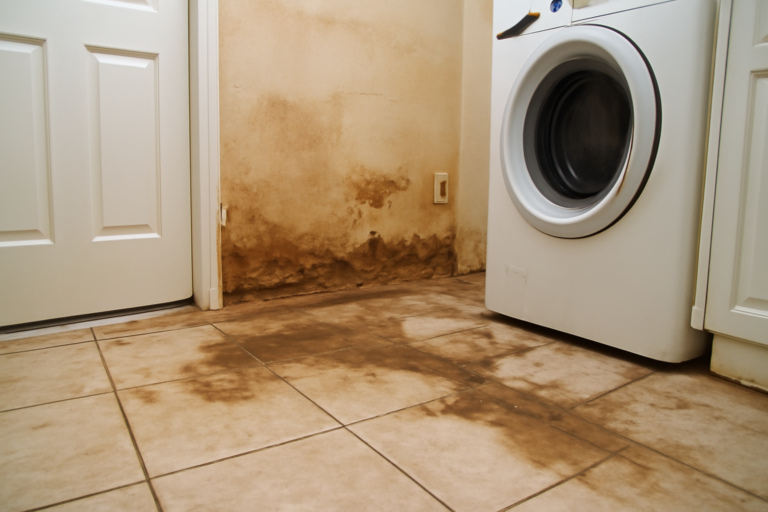
Check ceilings, walls, and around the base of your AC unit for any signs of water stains, peeling paint, or damp spots. These are direct visual cues that water is accumulating or leaking somewhere it shouldn’t be.
Increased Humidity Indoors
If your home feels unusually damp or humid, even with the air conditioning running, it could mean your system isn’t functioning correctly and might be leaking water, or that existing moisture isn’t being properly removed.
Pooling Water Around the AC Unit
A small puddle or significant pooling of water directly around your indoor air handler or outdoor condenser unit is a clear sign of a problem, likely a clogged drain line or a faulty condensate pump.
Mold or Mildew Growth
You might see visible black, green, or white fuzzy patches on walls, ceilings, or near vents. This is a serious health concern and requires immediate professional attention for both the mold and the underlying water source.
Sounds of Dripping or Running Water
If you hear unusual dripping, gurgling, or running water sounds coming from your HVAC system or the walls near it, don’t ignore them. These noises often indicate a leak that needs to be investigated promptly.
HVAC Water Damage Restoration vs. DIY: When To Call a Professional
| Situation | DIY? | Call a Pro? | Why |
|---|---|---|---|
| Minor condensation line clog (slow drip) | Yes, if comfortable with basic tools and safety. | Maybe, if unsure or it recurs. | A simple clog can sometimes be cleared with a wet/dry vac or by flushing the line. |
| Visible water pooling around the indoor unit | No. | Yes, immediately. | This indicates a more significant issue than a simple clog and requires professional assessment to find the source. |
| Water stains on ceiling or walls | No. | Yes, immediately. | Ceiling and wall stains mean water has traveled inside your structure, requiring professional drying and assessment for mold. |
| Musty odors or visible mold growth | No. | Yes, immediately. | Mold requires specialized containment and removal techniques to prevent health risks and spread. |
| Water damage affecting electrical components | Absolutely not. | Yes, immediately. | Water near electrical systems is extremely dangerous and requires certified professionals for safety and proper repair. |
| Extensive water saturation of flooring or subfloor | No. | Yes, immediately. | Deep saturation requires professional drying equipment to prevent warping, mold, and structural damage. |
While some very minor issues might be manageable with DIY effort, for anything beyond a simple, isolated condensation line clog, it’s always best to call a professional. The risks of hidden moisture, mold growth, and structural damage are too high to gamble with.
HVAC Water Damage Restoration Cost In Social Circle, GA
The cost of HVAC water damage restoration in Social Circle, GA can vary widely depending on the extent of the damage, the size of the affected area, and how quickly the problem is addressed. These are general estimates and a thorough inspection is needed for an accurate quote.
| Service | Typical Price Range | What Affects Cost |
|---|---|---|
| Emergency Water Extraction | $500 – $2,500 | Amount of water, size of affected area, accessibility. |
| Structural Drying & Dehumidification | $800 – $4,000+ | Duration needed, number of machines required, square footage. |
| Mold Prevention Treatment | $300 – $1,000 | Square footage treated, type of solution used. |
| Mold Remediation (if necessary) | $1,000 – $5,000+ | Severity of mold, containment needs, area affected. |
| Minor Repairs (e.g., drywall patch) | $200 – $1,500 | Complexity of repair, materials needed. |
| Full Restoration (e.g., flooring replacement) | Varies greatly | Type of flooring, extent of damage requiring replacement. |
For an exact assessment and a free estimate, our team will come to your property to evaluate the damage caused by your HVAC system. We work with your insurance company to make the process smoother.
Service Areas Near Social Circle, GA
Covington, Newborn, Oxford, Mansfield, Social Circle, Monticello, Jackson, Conyers, McDonough, Locust Grove, Rex, Lithonia, Stockbridge, Hampton, Jonesboro, Fayetteville, Griffin, Peachtree City, Tyrone, Brooks
Common Questions About HVAC Water Damage Restoration
My AC is leaking water, how quickly do I need to deal with it?
You need to deal with it as soon as possible. Even a slow drip can cause significant damage over time. If you notice water, we recommend shutting off the unit and calling for professional help within 24 hours to prevent mold growth and structural issues. We’re available 24/7 to help you mitigate the damage.
Will my homeowner’s insurance cover HVAC water damage?
Typically, homeowner’s insurance policies cover sudden and accidental water damage, which often includes leaks from HVAC systems. However, policies can vary, and damage resulting from neglect might not be covered. We can assist you in documenting the damage for your insurance claim and work directly with your adjuster to ensure proper coverage.
How long does HVAC water damage restoration usually take?
The timeline depends on the severity of the water intrusion. Emergency extraction might take a few hours, but the structural drying process can take anywhere from 3 to 10 days. Full restoration, including repairs, could take longer. We aim to complete the drying phase as efficiently as possible.
Is HVAC water damage dangerous to my health?
Yes, it can be. The primary health concern is mold growth, which can release spores into the air and cause respiratory problems, allergies, and other health issues. Standing water can also create slip hazards. Our team ensures your home is not only dried but also treated to prevent mold and ensure safe living conditions.
What equipment do you use for drying?
We use a variety of professional-grade equipment, including high-speed air movers to increase air circulation, industrial dehumidifiers to remove moisture from the air, and sometimes specialized drying equipment like LGR (Low-Grain Refrigerant) dehumidifiers for extreme humidity. We also use moisture meters to ensure complete dryness has been achieved.
Check Our Other Relevant Services
- Heavy Rain Water Damage Restoration in Social Circle, GA
- Flood Damage Restoration in Social Circle, GA

Jerry Johns is a licensed Damage Restoration Expert with over 20 years of hands-on experience helping homeowners and businesses navigate property crises. As a trusted authority in the field, Jerry combines technical precision with a compassionate approach to disaster recovery.
𝗖𝗲𝗿𝘁𝗶𝗳𝗶𝗰𝗮𝘁𝗶𝗼𝗻𝘀: Jerry holds multiple elite IICRC certifications, including Water Damage Restoration (WRT), Applied Microbial Remediation (Mold), Applied Structural Drying (ASD), Odor Control, and Fire and Smoke Restoration.
𝗙𝗮𝘃𝗼𝗿𝗶𝘁𝗲 𝗣𝗮𝘀𝘁𝗶𝗺𝗲: When he isn’t on a job site, Jerry is an avid outdoorsman who enjoys fly fishing and restoring vintage woodworking tools.
𝗕𝗲𝘀𝘁 𝗣𝗮𝗿𝘁 𝗼𝗳 𝘁𝗵𝗲 𝗝𝗼𝗯: Jerry finds the most fulfillment in seeing the relief on a client’s face when their property is finally restored to its pre-loss condition, turning a stressful disaster into a fresh start.