Trusted by 165+ Homeowners
HVAC Water Damage Restoration in Union City, GA
- Over 165 5-Star Reviews
- Free Estimates and Quotes
- 100% Satisfaction Guaranteed
- Child, Family & Pet Safe Steps
- 24-Hour Emergency Service
- Fully Licensed & Insured

When Your Air Conditioner Becomes a Water Problem in Union City, GA
You walk into your home, and there it is. A strange dampness in the air, maybe a faint smell of mildew. You trace it to your HVAC system, and suddenly you’re seeing drips, puddles, or even worse, water stains spreading across your ceiling or walls. It’s not just a leaky pipe; it’s your air conditioner that’s become the source of a serious water issue. This type of damage requires immediate attention to prevent further structural problems and avoid potential mold growth in your Union City, GA home.
Homeowners throughout the area trust us to handle these specific, often overlooked, water damage situations. We’ve earned over 165 five-star reviews because we understand the science behind drying and restoring properties effectively after HVAC leaks. You’re not just getting a cleanup crew; you’re getting specialists who know how to tackle the unique challenges of water originating from your cooling and heating system, ensuring your home is truly dry.
- We use specialized equipment designed to extract water from air ducts and associated components, preventing secondary damage that standard water damage restoration might miss.
- Our technicians are trained to identify and address the root cause of the HVAC leak itself, not just the resulting water damage, saving you from future issues.
- We focus on thorough drying and dehumidification of the affected areas, including often-hidden spaces within your ductwork, to ensure a healthy indoor environment and prevent long-term mold problems.
The Science of Drying Your HVAC System and Home
When water infiltrates your HVAC system, it’s not just about mopping up puddles. It’s a complex process of identifying the source, containing the moisture, and then meticulously drying everything that was affected. Simply turning off the system and waiting won’t work; in fact, it can make things worse by allowing moisture to linger and breed problems. Our approach focuses on controlled drying environments, using advanced techniques and equipment to remove moisture at a molecular level, preventing long-term material degradation and ensuring your home’s air quality is safe.
Step 1: Emergency Water Extraction
Our first priority is to remove standing water as quickly as possible. We use powerful truck-mounted and portable extraction units to pull out bulk water from your home and, importantly, from within your ductwork where it can hide. This initial step is critical for minimizing damage and preventing further saturation of your home’s structure.
Step 2: Moisture Detection and Assessment
Once the visible water is gone, we use specialized moisture meters and thermal imaging cameras to find hidden pockets of moisture. This step is crucial because water can travel through walls, ceilings, and insulation, often in places you can’t see. Accurately measuring moisture content helps us create a precise drying plan to ensure every damp spot is found.
Step 3: Controlled Drying and Dehumidification
This is where our technical expertise shines. We strategically place industrial-grade air movers and dehumidifiers to accelerate the evaporation process. These machines create airflow and reduce humidity levels far more effectively than typical home fans, ensuring that materials dry to pre-loss moisture levels safely and efficiently.
Step 4: Air Duct Cleaning and Sanitization
Water in your HVAC system can lead to mold and bacteria growth within the ducts. After drying, we perform professional air duct cleaning to remove any potential contaminants. We then apply EPA-approved antimicrobial treatments to sanitize the ducts, ensuring the air you breathe is healthy and clean.
Step 5: Monitoring and Verification
We don’t just set up equipment and leave. Our technicians continuously monitor the drying process, taking moisture readings to ensure the affected areas are drying properly. We’ll keep working until the structure is confirmed dry, giving you confidence in the restoration.
Don’t let an HVAC leak turn into a major home disaster. Call us now to get our specialized team on-site and start the drying process immediately. We’re ready to bring your home back to its dry, healthy state.

Warning Signs You Need HVAC Water Damage Restoration
Your HVAC system is designed to control temperature and humidity, not add unwanted water to your home. Ignoring early warning signs can lead to expensive repairs, significant property damage, and even serious health concerns. Catching these issues early is key to preventing costly secondary problems and ensuring your home remains a safe environment.
Musty or Moldy Odors
If you notice a persistent damp, musty, or mildew-like smell, especially when your HVAC system is running, it’s a strong indicator of trapped moisture. This smell often originates from water pooling in the drain pan, clogged condensate lines, or even within the ductwork itself, creating a breeding ground for mold. Your nose is often the first line of detection.
Visible Water Leaks or Puddles
This is the most obvious sign. If you see water dripping from your air handler, around vents, or pooling on the floor near your HVAC unit, it means there’s a significant issue. Don’t assume it’s just condensation; it could be a sign of a clogged drain line, a cracked drain pan, or a more serious system malfunction.
Water Stains on Ceilings or Walls
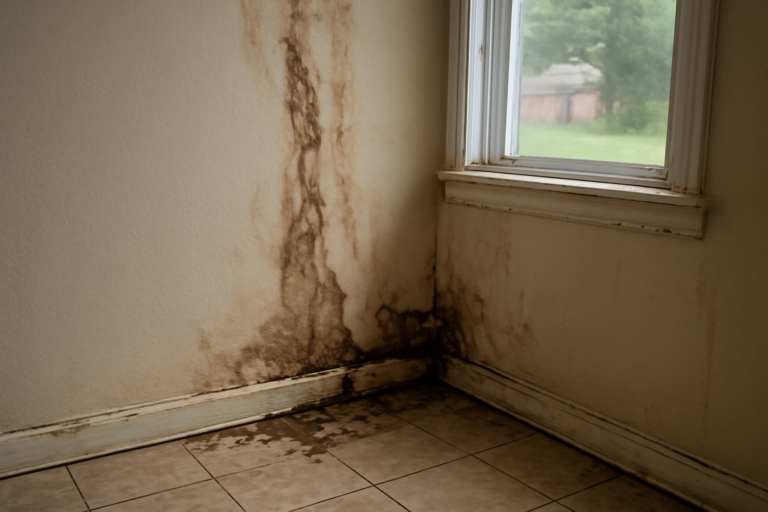
Brown or yellow water stains appearing on your ceiling or walls, especially near HVAC vents or the unit itself, indicate that water has been present for some time. This means moisture has saturated the drywall or plaster, potentially compromising the insulation and structure behind it. These stains are a visual alert of hidden damage.
Reduced Airflow or Strange Noises
While not directly a water sign, changes in airflow or unusual noises from your vents can sometimes be related to water issues. A clogged condensate drain can cause the system to shut down or malfunction, affecting airflow. Listen for gurgling sounds, which could indicate water filling up a line or pan. These subtle changes can signal an imminent water problem.
Increased Humidity Levels Indoors
If your home feels unusually humid or clammy, even when your AC is running, your HVAC system might be struggling to manage moisture effectively due to a leak or blockage. A properly functioning system should help control indoor humidity. A sudden increase in dampness suggests your system isn’t performing its job, potentially due to water infiltration.
Growth of Mold or Mildew
Any visible mold or mildew growth, particularly around vents, registers, or the HVAC unit itself, is a serious health hazard and a clear sign of prolonged moisture exposure. Mold thrives in damp, dark environments, and your HVAC system can easily become one if leaks aren’t addressed promptly. This is a critical health warning.
HVAC Water Damage Restoration vs. DIY: When To Call a Professional
| Situation | DIY? | Call a Pro? | Why |
|---|---|---|---|
| Minor condensation drips from the AC unit that stop when the unit is off. | Yes, monitor closely. | Yes, if persistent. | Small drips can indicate a minor clog that could worsen and cause significant backup. |
| Standing water around the base of the air handler. | No. | Yes, immediately. | This indicates a major leak or blockage that needs professional assessment and immediate water extraction. |
| Water stains appearing on ceilings or walls near HVAC vents. | No. | Yes, immediately. | This suggests water has saturated building materials, requiring specialized drying equipment to prevent mold and structural damage. |
| Musty or moldy odors emanating from vents. | No. | Yes, immediately. | This is a strong indicator of mold growth within the ductwork or surrounding areas, posing health risks. |
| Finding a small amount of water in the HVAC drain pan. | Yes, clean the pan. | Yes, if it fills quickly or repeatedly. | A consistently full drain pan suggests a problem with the condensate line or drain pump. |
| Discovery of water within air ducts. | No. | Yes, immediately. | Water inside ducts requires specialized cleaning and drying to prevent widespread mold and contamination. |
For anything beyond the most minor, easily contained condensation drips, professional intervention is essential for HVAC water damage. Our team has the specialized equipment and training to properly dry your system and home, preventing long-term structural issues and ensuring your indoor air quality is safe.
HVAC Water Damage Restoration Cost In Union City, GA
The cost of HVAC water damage restoration in Union City, GA, can vary significantly. Factors such as the extent of the water intrusion, the size of the affected area, and the specific components of your HVAC system damaged will influence the final price. These figures are estimates to help you understand the investment in restoring your property. Accurate pricing requires a professional assessment.
| Service | Typical Price Range | What Affects Cost |
|---|---|---|
| Emergency Water Extraction (HVAC specific) | $500 – $2,500 | Volume of water, accessibility of the unit and affected areas. |
| Moisture Detection and Assessment | $300 – $800 | Use of advanced equipment like thermal cameras and specialized meters. |
| Industrial Drying and Dehumidification | $1,000 – $5,000+ | Duration of drying needed, number and size of drying units required. |
| Air Duct Cleaning and Sanitization | $750 – $3,000 | Length and complexity of ductwork, severity of contamination. |
| Antimicrobial Treatment Application | $300 – $1,000 | Size of the treated area and type of disinfectant used. |
| Structural Drying (if secondary damage occurs) | Varies widely | Extent of saturation, material types affected (drywall, insulation, wood). |
These are general estimates, and the actual cost for your specific situation will be determined after an on-site inspection. We offer free estimates to give you a clear understanding of the investment required to properly restore your home. Let us provide a detailed evaluation today.
Service Areas Near Union City, GA
Fairburn, College Park, East Point, Hapeville, Atlanta, Jonesboro, Forest Park, Lovejoy, Riverdale, Tyrone, Palmetto, Fayetteville, Morrow, Conley, Ellenwood, Stockbridge, McDonough, Lithia Springs, Austell, Douglasville.
Common Questions About HVAC Water Damage Restoration
Q: How quickly does mold grow after an HVAC water leak?
Mold can begin to grow in as little as 24-48 hours after moisture is introduced. If your HVAC system has leaked water into surrounding materials or ductwork, mold growth is a significant risk that needs immediate attention. Our team works fast to extract water and begin the drying process, which is crucial for preventing mold development and ensuring a healthy environment.
Q: Will my homeowner’s insurance cover HVAC water damage?
Coverage varies greatly depending on your specific policy and the cause of the water damage. Generally, sudden and accidental leaks are covered, but gradual damage or issues due to poor maintenance might not be. We can help document the damage and work with your insurance adjuster to ensure you receive the coverage you’re entitled to. Understanding your policy is key to a smooth claim.
Q: How long does the HVAC water damage restoration process typically take?
The timeline depends on the severity of the water damage and how quickly we can access the affected areas. For minor leaks, drying might take 1-3 days. More extensive water intrusion, especially if it has affected insulation or drywall, could take 5-7 days or longer. We use advanced drying techniques to expedite the process and get your home back to normal as quickly as possible, aiming for efficient and thorough restoration.
Q: What equipment do you use for HVAC water damage restoration?
We utilize a range of specialized equipment, including high-powered water extractors for bulk water removal, industrial-grade air movers to accelerate evaporation, and powerful dehumidifiers to reduce ambient humidity. We also use moisture meters and thermal imaging cameras to detect hidden water and monitor drying progress. This advanced technology ensures we can address even the most challenging HVAC water issues effectively, providing professional-grade drying.
Q: Can I prevent water damage from my HVAC system?
Regular maintenance is your best defense. This includes scheduling annual check-ups with an HVAC technician to inspect the condensate drain line, drain pan, and overall system integrity. Ensuring your drain line is clear and the pan is free of debris can prevent most common leaks. We also recommend keeping an eye out for the warning signs we discussed earlier.
Check Our Other Relevant Services
- Bathtub Overflow Cleanup in Union City, GA
- Downspout Failure Water Damage Restoration in Union City, GA

Jerry Johns is a licensed Damage Restoration Expert with over 20 years of hands-on experience helping homeowners and businesses navigate property crises. As a trusted authority in the field, Jerry combines technical precision with a compassionate approach to disaster recovery.
𝗖𝗲𝗿𝘁𝗶𝗳𝗶𝗰𝗮𝘁𝗶𝗼𝗻𝘀: Jerry holds multiple elite IICRC certifications, including Water Damage Restoration (WRT), Applied Microbial Remediation (Mold), Applied Structural Drying (ASD), Odor Control, and Fire and Smoke Restoration.
𝗙𝗮𝘃𝗼𝗿𝗶𝘁𝗲 𝗣𝗮𝘀𝘁𝗶𝗺𝗲: When he isn’t on a job site, Jerry is an avid outdoorsman who enjoys fly fishing and restoring vintage woodworking tools.
𝗕𝗲𝘀𝘁 𝗣𝗮𝗿𝘁 𝗼𝗳 𝘁𝗵𝗲 𝗝𝗼𝗯: Jerry finds the most fulfillment in seeing the relief on a client’s face when their property is finally restored to its pre-loss condition, turning a stressful disaster into a fresh start.