Trusted by 165+ Homeowners
Attic Mold Remediation in Clarkston, GA
- Over 165 5-Star Reviews
- Free Estimates and Quotes
- 100% Satisfaction Guaranteed
- Child, Family & Pet Safe Steps
- 24-Hour Emergency Service
- Fully Licensed & Insured
Battling Black Spots: Expert Attic Mold Remediation in Clarkston, GA
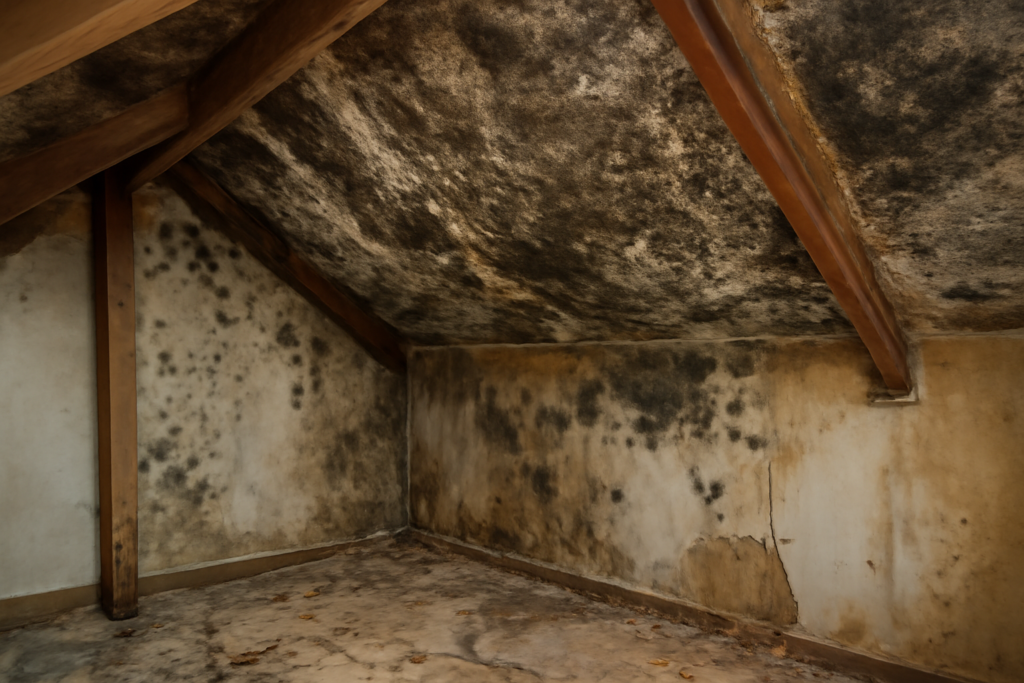
You’re up in the attic, maybe looking for holiday decorations or just trying to find that draft. Suddenly, your eyes catch it. A patch of fuzzy, dark growth clinging to the rafters or insulation. Or perhaps it’s a persistent, damp, earthy smell that seems to be coming from above, even when the weather is dry. This isn’t just an eyesore; it’s a sign that your home’s health might be compromised. Dealing with attic mold requires a specific approach, and you need to know you’re getting the right help, right now. We understand how unsettling it is to find mold in your home, especially in a hidden space like the attic.
Homeowners around here trust our team because we tackle attic mold with the precision it demands. We’ve helped over 165 families in your neighborhood resolve their attic mold issues, earning their trust through dedicated service and proven results. When you see that tell-tale growth or smell that distinct odor, you want a local team that knows how to get to the root of the problem, not just cover it up. We’ve built our reputation on getting it right the first time, fast.
- We use specialized equipment to pinpoint moisture sources, ensuring your attic stays dry and mold-free long-term.
- Our containment methods prevent mold spores from spreading to other living areas of your home.
- We follow strict protocols to safely remove and treat affected materials, restoring your attic’s integrity.
How We Tackle Attic Mold: A Technical Deep Dive
Attic mold remediation isn’t a one-size-fits-all job. It’s a science involving careful assessment, precise containment, and effective removal. Simply spraying a bleach solution isn’t enough and can even make things worse by spreading spores. Our process is designed to eliminate the mold at its source and prevent its return. We leverage advanced tools and techniques to ensure your attic is safe and healthy again. Cutting corners here can lead to recurring problems and potential health risks for your family, so we take every step seriously.
Initial Inspection and Moisture Assessment
Our technicians start by thoroughly inspecting your attic, looking for visible mold growth and assessing the extent of the contamination. We use specialized moisture meters to identify damp areas and pinpoint the exact sources of excess humidity, like roof leaks or poor ventilation. This crucial first step helps us create a targeted remediation plan. You can expect this initial assessment to take about 1-2 hours, depending on attic size.
Containment Setup
Before any mold is disturbed, we meticulously set up containment barriers. This involves sealing off the attic entrance and using negative air pressure machines with HEPA filters. This ensures that mold spores don’t escape into your living spaces during the cleaning process. Proper containment is absolutely critical for preventing cross-contamination. We typically spend 2-3 hours on containment for an average attic.
Mold Removal and Cleaning
Once containment is secure, our crews carefully remove mold-infested materials. This might include contaminated insulation, drywall, or wood. We use specialized cleaning agents and equipment, like HEPA-filtered vacuums and dry ice blasters for delicate surfaces, to thoroughly clean all affected structural components. This phase is labor-intensive and can take anywhere from 4-8 hours, depending on the severity.
Drying and Dehumidification
After mold removal, it’s vital to dry out the attic completely. We employ industrial-grade air movers and dehumidifiers to reduce moisture levels to safe standards. This step is essential for preventing mold from growing back. We monitor humidity levels closely, and this drying process can take 24-72 hours to ensure all moisture is gone.
Final Inspection and Verification
Before we consider the job done, we conduct a final inspection. We verify that all mold has been removed and that moisture levels are within acceptable ranges. We’ll often use air sampling to confirm the air quality is back to normal. Our goal is complete remediation and your full satisfaction. This final check ensures we’ve met our high standards.
Don’t let attic mold linger. Reach out to our team today to schedule your assessment and take the first step toward a healthier home. We’re ready to help you resolve this issue fast.

Warning Signs You Need Attic Mold Remediation
Catching attic mold early is key to minimizing damage and cost. Many homeowners overlook the subtle signs, but they can indicate a serious problem developing in your home’s hidden spaces. Recognizing these indicators means you can act quickly. Being aware of these signs can save you from much bigger headaches down the road.
Musty Odors That Won’t Go Away
This is often the first and most noticeable sign. If you consistently smell a damp, earthy, or musty odor, especially when you’re near the attic access or on upper floors, it’s a strong indicator of mold growth. The smell can be worse on humid days. Don’t dismiss this persistent scent; it’s your home’s way of telling you something’s wrong.
Visible Mold Growth
Sometimes, you might actually see it. Mold can appear as fuzzy or slimy patches, often black, green, white, or gray, on wood, insulation, or drywall surfaces. Even small spots can spread rapidly. Look closely at any damp-looking areas in your attic, as this is a clear sign of contamination.
Water Stains or Discoloration
Check the underside of the roof decking or rafters for dark spots or rings. These are often signs of past or current water intrusion, which is mold’s best friend. Discolored insulation can also point to moisture problems. These stains mean moisture has been present, creating a perfect breeding ground.
Increased Allergy Symptoms
If you or your family members are experiencing unexplained allergy symptoms like sneezing, coughing, itchy eyes, or respiratory irritation, and these symptoms seem to worsen when you’re home, mold could be the culprit. Mold spores can become airborne and travel throughout your house. This is a serious health concern that shouldn’t be ignored.
Condensation on Surfaces
Notice moisture collecting on vents, pipes, or wood beams in the attic? This condensation indicates high humidity levels. Poor ventilation or air leaks can cause warm, moist air to contact cooler surfaces, leading to condensation and, subsequently, mold growth. It’s a sign that your attic’s environment is too damp.
Damaged or Sagging Insulation
Mold can feed on cellulose-based insulation, causing it to clump, discolor, and lose its effectiveness. If you notice your attic insulation looks damp, compressed, or has dark patches, it’s likely contaminated with mold. Replacing damaged insulation is essential for both your home’s structure and your health.
Attic Mold Remediation vs. DIY: When To Call a Professional
| Situation | DIY? | Call a Pro? | Why |
|---|---|---|---|
| Small, visible mold spot on a non-porous surface (like metal flashing) | Yes, with caution | No | Easy to clean and dry, low risk of spore spread. |
| Widespread mold growth covering more than a few square feet | No | Yes | Requires professional containment and specialized equipment to remove safely. |
| Mold growth on porous materials (insulation, drywall, wood) | No | Yes | Porous materials often need to be removed and replaced by trained professionals. |
| Suspected mold due to musty odors but no visible growth | No | Yes | Professionals can use specialized tools to detect hidden mold and moisture sources. |
| Signs of ongoing water leaks (roof damage, pipe bursts) | No | Yes | Addressing the water source is crucial before mold remediation can be effective. |
| Concerns about health impacts or respiratory issues | No | Yes | Professionals ensure safe removal and air quality verification. |
While small spots on hard surfaces might be manageable for a DIYer, anything more significant or involving insulation and drywall is a job for the pros. You need a team that understands the science behind mold and has the right tools for safe and complete removal.
Attic Mold Remediation Cost In Clarkston, GA
The cost for attic mold remediation in Clarkston, GA, can vary significantly. Factors like the size of your attic, the extent of mold growth, the type of materials affected, and the accessibility of the space all play a role. These figures are general estimates and a proper on-site inspection is needed for an accurate quote.
| Service Aspect | Typical Price Range | What Affects Cost |
|---|---|---|
| Attic Mold Inspection and Moisture Assessment | $250 – $750 | Attic size and complexity of moisture issues. |
| Containment Setup | $300 – $1,000 | Size of the attic and number of access points needing sealing. |
| Mold Removal (Surface Cleaning) | $500 – $3,000 | Severity of mold, types of surfaces, and labor involved. |
| Mold Remediation (Material Removal/Replacement) | $1,000 – $7,000+ | Amount of insulation, drywall, or wood needing removal and replacement. |
| Drying and Dehumidification | $400 – $1,500 | Duration needed to dry, size of equipment required. |
| Post-Remediation Air Quality Testing | $300 – $700 | Number of samples taken and lab analysis fees. |
An accurate estimate requires our team to see the affected area firsthand. We offer free, no-obligation assessments to give you a clear understanding of the scope and cost involved. Call us today to schedule your free attic inspection.
Service Areas Near Clarkston, GA
Atlanta, Avondale Estates, Brookhaven, Chamblee, Decatur, Doraville, Druid Hills, Dunwoody, Ellenwood, Forest Park, Gresham Park, Hapeville, Lilburn, Lithonia, Marietta, Morrow, North Atlanta, North Decatur, North Druid Hills, Peachtree Corners, Pine Lake, Redan, Riverdale, Sandy Springs, Scottdale, Smyrna, Stone Mountain, Tucker, Union City, Vinings.
Common Questions About Attic Mold Remediation
What causes mold to grow in my attic?
Mold typically grows in attics due to excessive moisture. Common culprits include roof leaks, condensation from poor ventilation, plumbing leaks, or even humidity from the living space below if there are air leaks. We find that improperly ventilated attics are especially prone to mold. Our team can identify the specific moisture source in your attic and address it.
How long does attic mold remediation typically take?
The timeline for attic mold remediation can vary greatly. A small job might take a day or two, while a heavily contaminated attic could take a week or more. This includes assessment, containment, removal, drying, and verification. We aim for efficiency without sacrificing thoroughness, ensuring your attic is restored quickly and safely.
Is attic mold dangerous to my health?
Yes, attic mold can pose health risks. Mold spores can become airborne and inhaled, potentially causing allergic reactions, respiratory problems, and other health issues, especially for those with asthma or compromised immune systems. It’s crucial to have it removed by professionals who can ensure airborne spores are minimized during the process.
What kind of equipment do you use for attic mold removal?
We use a range of specialized equipment, including HEPA-filtered vacuums and air scrubbers for containment and cleaning, industrial-grade dehumidifiers and air movers for drying, and specific cleaning agents designed for mold remediation. For delicate materials, we might use dry ice blasting. Our tools are designed for effective and safe mold removal.
Can I prevent mold from coming back after remediation?
Prevention is key. After our team removes the mold, maintaining proper attic ventilation, fixing any leaks promptly, and controlling humidity levels are critical steps. We can provide recommendations tailored to your home to help keep your attic dry and mold-free. Regular inspections are also a good idea to catch any new issues early, so mold doesn’t become a recurring problem.
Check Our Other Relevant Services
Serving Clarkston, GA And Nearby Areas