Trusted by 165+ Homeowners
Attic Mold Remediation in Lovejoy, GA
- Over 165 5-Star Reviews
- Free Estimates and Quotes
- 100% Satisfaction Guaranteed
- Child, Family & Pet Safe Steps
- 24-Hour Emergency Service
- Fully Licensed & Insured
Tackling Mold in Your Lovejoy, GA Attic? Let’s Get It Right.
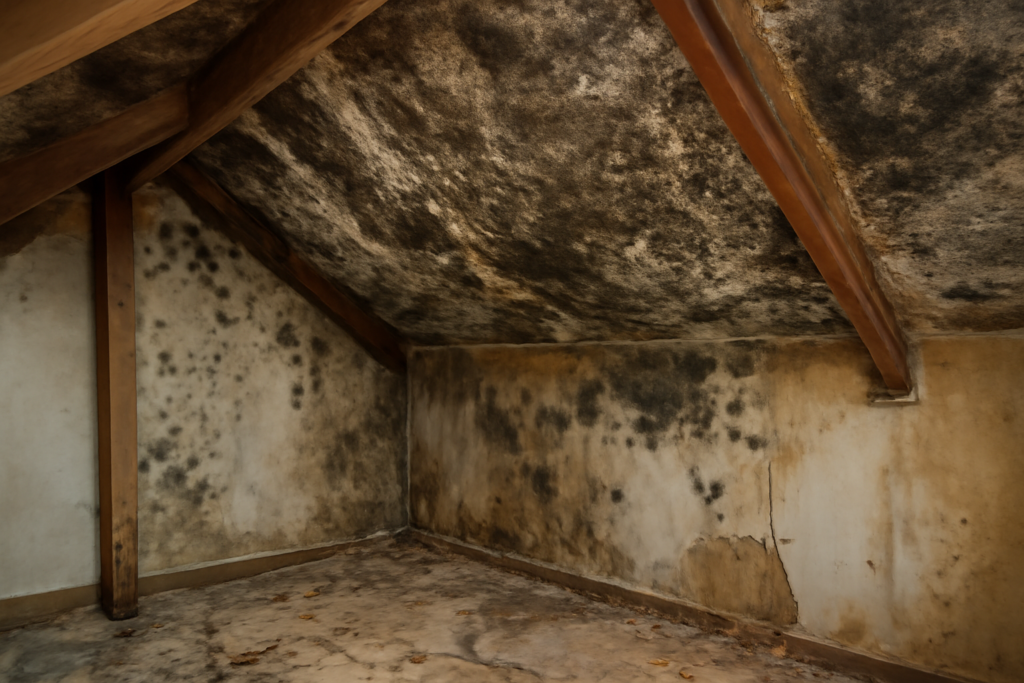
You’re up there looking for old holiday decorations, or maybe just checking on some insulation, and then you see it. A patch of fuzzy green, black, or white growth clinging to the rafters. Or maybe it’s a damp, musty smell that seems to be coming from just above your ceiling. It’s a sinking feeling, isn’t it? That unwelcome discovery in your attic means you need to act, and you need to act fast to protect your home’s structure and your family’s health. Don’t let attic mold spread further. This is a serious issue that requires immediate professional attention.
Homeowners around here trust our team because we understand the unique challenges that mold growth presents, especially in attics. We’ve helped over 165 families in your neighborhood deal with this problem, earning their trust with every job we complete. You can feel confident that we’ll handle your attic mold remediation with precision and care, getting your home back to a healthy state. We’re dedicated to providing effective, local service when you need it most.
- We focus specifically on the unique environment of your attic, addressing moisture sources and mold contamination that other general services might miss.
- Our specialized containment procedures ensure that mold spores don’t spread to other living areas of your home during the remediation process.
- We use advanced moisture detection tools to find the root cause of the mold, not just treat the visible signs, preventing future growth.
How This Service Actually Works
Attic mold remediation isn’t just about spraying some cleaner and wiping it away. It’s a scientific process that requires specialized knowledge and equipment. When corners are cut, mold can return, or worse, the underlying moisture issue can continue to damage your home’s structure. Our crews follow strict protocols to ensure every bit of mold is removed safely and effectively, restoring your attic to a healthy condition. Proper containment is vital to prevent cross-contamination, and our technicians are trained to manage this meticulously. We’re committed to thorough mold removal and ensuring your attic is dry and healthy.
Initial Inspection and Assessment
First, we’ll conduct a detailed inspection of your attic. This involves visually identifying the mold, assessing the extent of the contamination, and using specialized equipment like moisture meters and thermal cameras to pinpoint hidden moisture sources. We’ll also check for any structural damage caused by the mold or excess moisture. This crucial first step helps us understand the full scope of the problem and plan the most effective treatment.
Containment Setup
Before any cleaning begins, we establish a secure containment area. This involves sealing off the attic access and using negative air pressure machines with HEPA filters to prevent mold spores from spreading into the rest of your home. This is a critical step for protecting your indoor air quality and ensuring the mold doesn’t travel. Proper containment is non-negotiable for safe mold remediation.
Mold Removal and Cleaning
Our trained technicians will carefully remove mold-affected materials. This might include insulation, drywall, or wood. We use specialized antimicrobial and antifungal solutions that are effective against mold but safe for your home’s materials once dried. We meticulously clean all affected surfaces, ensuring that all visible mold and its roots are eliminated. This is where our effective cleaning agents come into play.
Drying and Dehumidification
Once the mold is removed, the focus shifts to drying. We use industrial-grade air movers and dehumidifiers to reduce moisture levels in the attic to safe, pre-remediation levels. This step is essential to prevent mold from returning. Achieving the correct humidity is key to long-term mold prevention and ensuring the attic is fully restored.
Final Inspection and Clearance
After cleaning and drying, we’ll conduct a thorough final inspection. We’ll use moisture meters again to confirm that all areas are dry. In some cases, we may recommend third-party air quality testing to verify that your attic is free of mold spores. Our goal is your complete satisfaction and the assurance of a healthy attic. We want you to feel confident in our work.
Don’t wait for attic mold to cause more damage. Call us today to schedule your inspection. We’re ready to help you reclaim your attic.

Warning Signs You Need Attic Mold Remediation
Catching attic mold early is key to minimizing damage and cost. Your attic might be out of sight, but it’s not completely silent. Paying attention to these warning signs can save you a lot of trouble down the road. Ignoring them can lead to extensive structural damage and serious health concerns. Early detection is crucial for effective remediation.
Musty Odors That Won’t Go Away
The most common and often first noticeable sign is a persistent musty or earthy smell. If you notice this odor, especially when you’re in or near your attic, it’s a strong indicator of mold growth. This smell often gets worse in humid weather. Don’t dismiss this odor; it’s your home’s way of telling you something’s wrong.
Visible Mold Growth
This is the most obvious sign. You might see patches of fuzzy or slimy growth that can be black, green, white, blue, or even orange. It often appears on wood framing, insulation, or the underside of your roof decking. Seeing it means you have an active mold problem that needs immediate professional attention.
Water Stains or Discoloration
Look for dark spots, rings, or areas of discoloration on your attic’s wood framing, insulation, or even the ceiling below your attic. These are telltale signs that moisture has been present, creating an ideal environment for mold to thrive. Water damage is a precursor to mold growth.
Damp or Wet Insulation
If your attic insulation feels damp, wet, or is visibly saturated, it’s a major red flag. Insulation is designed to be dry; when it’s wet, it not only loses its effectiveness but also becomes a prime breeding ground for mold. This indicates a serious moisture intrusion problem that needs prompt investigation and repair.
Peeling or Bubbling Paint/Wallpaper
Moisture from a mold-infested attic can travel through your home’s structure. If you notice paint peeling or wallpaper bubbling on the ceiling directly below the attic space, it could be due to high humidity and moisture originating from above. This is a sign of hidden moisture issues.
Condensation on Surfaces
Finding condensation on pipes, wood, or other surfaces in your attic means there’s too much moisture in the air. This excess humidity creates the perfect breeding ground for mold spores. Controlling humidity is vital for preventing mold growth.
Attic Mold Remediation vs. DIY: When To Call a Professional
| Situation | DIY? | Call a Pro? | Why |
|---|---|---|---|
| Small, isolated patch of surface mold (less than 1 square foot) on a non-porous surface like metal. | Yes, with caution. | No | You can likely clean this yourself with appropriate safety gear and cleaning solutions, but monitor closely. |
| Mold covering a large area (more than 10 square feet) or deep within insulation. | No | Yes | Large infestations require specialized equipment and containment to prevent spreading spores. |
| Musty odors are present but no visible mold can be found. | No | Yes | Hidden mold or moisture sources need professional assessment and detection tools. |
| Mold is growing on porous materials like wood or drywall. | No | Yes | These materials absorb mold and require professional removal and treatment methods. |
| You suspect mold is causing health issues for your family. | No | Yes | Health concerns necessitate immediate professional remediation and air quality testing. |
| There’s evidence of significant water damage or a roof leak contributing to the mold. | No | Yes | The underlying water issue must be repaired before mold remediation can be effective. |
While small surface mold spots might seem manageable, attic mold often indicates deeper issues. When you see significant growth, smell strong odors, or suspect hidden moisture, it’s always best to bring in the professionals. Our team has the expertise and equipment to handle these complex situations safely and effectively. Trust our experienced technicians for thorough attic mold remediation.
Attic Mold Remediation Cost In Lovejoy, GA
The cost of attic mold remediation in Lovejoy, GA can vary significantly. Factors like the size of your attic, the severity of the mold infestation, the type of materials affected, and the complexity of the moisture source all play a role. These figures are general estimates and a proper on-site assessment is needed for an accurate quote. Understanding these costs helps you prepare.
| Service | Typical Price Range | What Affects Cost |
|---|---|---|
| Initial Inspection and Assessment | $200 – $500 | Use of advanced moisture detection equipment and thermal imaging cameras. |
| Containment Setup | $300 – $800 | Size of the attic space and the complexity of sealing entry points. |
| Surface Mold Cleaning (per sq ft) | $50 – $150 | The extent of mold growth and the type of cleaning agents required. |
| Porous Material Removal (e.g., insulation, drywall) | $500 – $3,000+ | Amount of material needing removal and disposal costs. |
| Drying and Dehumidification | $400 – $1,500 | Duration needed to reach target moisture levels and number of machines used. |
| Air Quality Testing (Post-Remediation) | $300 – $700 | Whether a third-party professional is used and the number of samples taken. |
An accurate price for your specific situation will only be determined after a thorough inspection. We offer free estimates for attic mold remediation, so you know exactly what to expect before any work begins. Contact us now for your complimentary assessment.
Service Areas Near Lovejoy, GA
Hampton, Stockbridge, Jonesboro, Fayetteville, Locust Grove, McDonough, Rex, Irondale, Ellenwood, Morrow, Conley, Lake Spivey, Griffin, Forest Park, Riverdale, Clayton, Atlanta, Peachtree City, Tyrone, Brooks.
Common Questions About Attic Mold Remediation
What is the first step in attic mold remediation?
The very first step is always a professional inspection to accurately assess the extent of the mold and identify the underlying moisture source. This allows our team to create a targeted remediation plan. Identifying the root cause is as important as removing the mold itself.
How long does attic mold remediation typically take?
The timeline can vary, but most attic mold remediation projects take between 1 to 5 days. This depends on the size of the attic, the severity of the mold, and how long it takes to thoroughly dry the area afterward. We work efficiently to restore your home quickly.
Is attic mold dangerous to my health?
Yes, attic mold can pose health risks. Inhaling mold spores can trigger allergies, asthma symptoms, and other respiratory issues, especially for sensitive individuals. Our process prioritizes your family’s health by ensuring complete mold spore removal and preventing cross-contamination.
What kind of equipment do you use for attic mold removal?
We use specialized equipment such as industrial-grade air scrubbers with HEPA filters for containment and air purification, high-powered dehumidifiers and air movers for drying, and advanced moisture meters and thermal cameras for assessment. This advanced equipment ensures a thorough and effective remediation.
Can I prevent mold from returning to my attic after remediation?
Prevention is key. After remediation, we’ll help you identify and address the moisture source, which is crucial for preventing recurrence. This might involve ensuring proper attic ventilation, fixing roof leaks, or managing humidity levels. Proactive maintenance is your best defense.
Check Our Other Relevant Services
Serving Lovejoy, GA And Nearby Areas