Trusted by 165+ Homeowners
Attic Water Damage Restoration in Jefferson, GA
- Over 165 5-Star Reviews
- Free Estimates and Quotes
- 100% Satisfaction Guaranteed
- Child, Family & Pet Safe Steps
- 24-Hour Emergency Service
- Fully Licensed & Insured

Expert Attic Water Damage Restoration for Jefferson, GA Homes
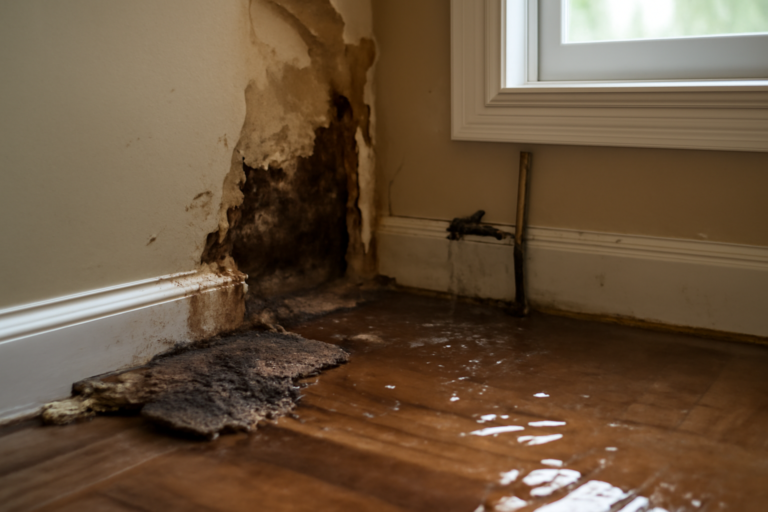
We’ve seen it all when it comes to water finding its way into attics around Jefferson, GA. From leaky roofs after a storm to busted HVAC lines, the damage can escalate quickly. Your attic is a crucial part of your home’s structure, and when it gets wet, it needs immediate expert attention. Ignoring attic water issues can lead to costly structural repairs and mold growth, so it’s important to know who to call when you suspect a problem. We understand the stress this causes, and our goal is to make the entire process as smooth as possible for you.
Homeowners in your neighborhood trust us because we’ve been helping them for years with their attic water problems. We’re proud to have earned over 165 five-star reviews from satisfied customers right here in the area. That kind of feedback doesn’t happen by accident; it comes from delivering reliable, effective restoration services every single time. You can count on our team to be thorough and get your attic back to its dry, healthy state.
- We tackle the hidden moisture that standard drying methods miss, preventing future mold growth and protecting your home’s integrity.
- Our technicians use specialized equipment designed for attics, ensuring efficient water extraction and drying in hard-to-reach spaces.
- We handle the complexities of working in attics, minimizing disruption to your living space and providing a clear, detailed restoration plan.
How Attic Water Damage Restoration Actually Works
When water gets into your attic, it’s not just about the visible dampness; it’s about the unseen moisture that can linger and cause serious problems. Our process is designed to identify all sources of water, remove it completely, and dry your attic thoroughly. Cutting corners here means dealing with mold, rot, and weakened structures down the line. We follow a proven protocol to ensure your attic is restored safely and effectively, giving you long-term protection.
1. Initial Inspection and Assessment
Our first step is a detailed inspection of your attic. We use advanced moisture meters and thermal imaging cameras to pinpoint exactly where the water has penetrated and how deep it’s gone. This assessment is crucial for creating an accurate restoration plan and estimating the time needed for the job. We’ll explain our findings clearly so you understand the scope of the damage.
2. Water Extraction
Once we know the extent of the water, we begin the extraction process. For attics, this often involves using specialized pumps and vacuums to remove standing water efficiently. Our equipment is designed to handle difficult-to-access areas and remove as much water as possible, preventing further saturation of insulation and wood. This step is vital for minimizing drying time.
3. Dehumidification and Air Movement
After the bulk of the water is gone, we set up industrial-grade dehumidifiers and air movers. These machines work tirelessly to pull residual moisture out of the air and off surfaces within your attic. Proper airflow is key to accelerating the drying process and preventing secondary damage like mold. We monitor humidity levels closely to ensure optimal drying conditions.
4. Drying and Moisture Monitoring
We don’t just set up equipment and leave. Our technicians will regularly monitor the moisture content in your attic’s materials – wood, insulation, and drywall. We continue drying efforts until we reach pre-loss moisture levels, ensuring that everything is completely dry to the touch and beneath the surface. This thorough drying process is non-negotiable.
5. Mold Prevention and Remediation (If Necessary)
If mold has already started to form or if the conditions are conducive to its growth, we take immediate action. This might involve applying antimicrobial treatments or, in more severe cases, performing mold remediation. Our goal is to not only remove the water but also to ensure a healthy attic environment going forward, preventing any future mold outbreaks.
Don’t let attic water damage linger. Call us today to get a professional assessment and start the restoration process. We’re ready to help you protect your home.
Warning Signs You Need Attic Water Damage Restoration
Your attic might not be a room you visit daily, but it’s working hard to protect your home. Ignoring subtle signs of water intrusion can lead to much bigger, more expensive problems down the road. Catching these issues early is key to minimizing damage and costs. Here’s what to look out for:
Musty Odors That Won’t Go Away
A persistent musty or moldy smell, especially when you go up to the attic or notice it in the rooms directly below, is a strong indicator of moisture. This smell often means mold is actively growing. Don’t just mask it with air fresheners; investigate the source.
Visible Water Stains or Discoloration
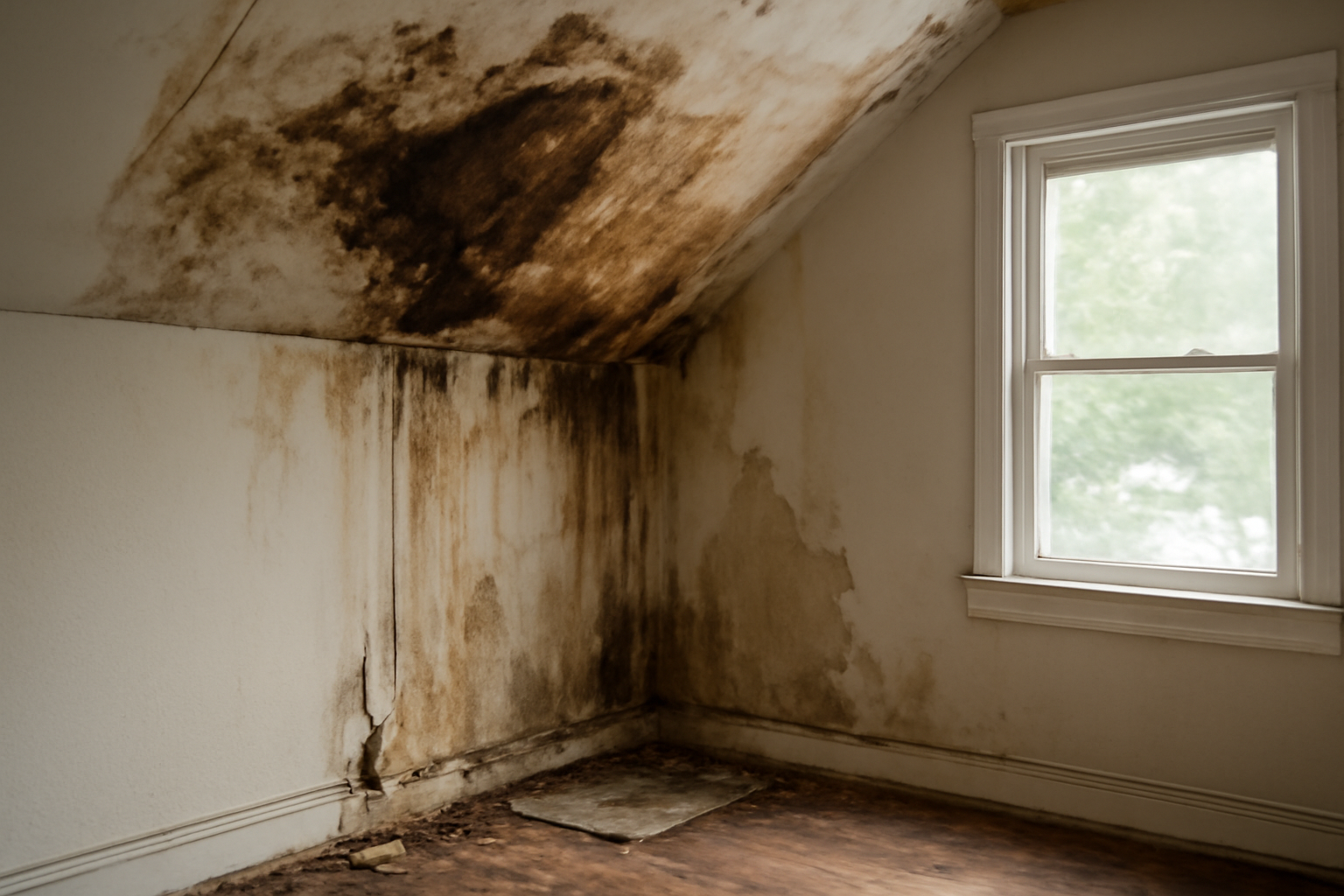
Look for dark spots, rings, or any discoloration on your attic’s ceiling, rafters, or insulation. These are direct signs of water leaks. The size and color of the stains can tell us a lot about the severity and duration of the leak.
Damp or Soggy Insulation
Attic insulation that feels wet, looks compressed, or clumps together is a clear sign of water exposure. Wet insulation loses its effectiveness and can become a breeding ground for mold, leading to significant energy loss and potential structural damage.
Sagging Ceiling or Roof Decking
If you notice areas of your attic ceiling or the underside of your roof deck that are sagging or bowing, it’s a serious warning sign. This indicates that the structural materials have been saturated for a prolonged period, compromising their integrity. This requires urgent professional attention.
Pest Infestations
Moist environments attract certain pests like rodents and insects. If you’re noticing an increase in critters in your attic, a hidden water problem could be the cause. They are drawn to the dampness and potential food sources, creating a secondary infestation problem.
Mold or Mildew Growth
Visible mold or mildew, often appearing as black, green, or white fuzzy patches, is a critical sign of water damage. Mold spores can spread quickly and pose health risks to your family. Prompt removal and drying are essential.
Attic Water Damage Restoration vs. DIY: When To Call a Professional
| Situation | DIY? | Call a Pro? | Why |
|---|---|---|---|
| Small, isolated damp spot from a recent, minor roof leak | Yes | Maybe | If you can safely access it and dry it completely within 24-48 hours. |
| Standing water in the attic | No | Yes | Large volumes of water require specialized extraction equipment and can pose electrical hazards. |
| Musty odors or visible mold growth | No | Yes | Mold remediation requires specific safety protocols and containment to prevent spreading spores. |
| Damp insulation that needs to be removed | Maybe | Yes | Dealing with insulation can be messy and dusty; professionals have proper PPE and disposal methods. |
| Suspected hidden leaks from plumbing or HVAC | No | Yes | Locating hidden leaks often requires specialized tools and knowledge to avoid further damage. |
| Water damage affecting structural wood (rafters, beams) | No | Yes | Structural damage needs immediate expert assessment and repair to ensure your home’s safety. |
While some minor attic dampness might seem manageable, most water intrusion issues in attics are best handled by professionals. For anything beyond a very small, easily dried spot, calling in the experts ensures the job is done right, preventing long-term structural and health issues. We have the tools and expertise to handle complex attic water problems.
Attic Water Damage Restoration Cost In Jefferson, GA
The cost for attic water damage restoration in Jefferson, GA can vary significantly. Factors like the total square footage affected, the depth of water, the type of insulation, and the extent of structural damage all play a role. These are estimated ranges; an on-site assessment is needed for an accurate project quote.
| Service | Typical Price Range | What Affects Cost |
|---|---|---|
| Attic Water Extraction | $500 – $2,000 | Volume of water, accessibility, and complexity of the attic space. |
| Dehumidification & Air Moving | $300 – $1,500 | Duration of drying needed, number of units required, and size of the attic. |
| Moisture Monitoring & Testing | $200 – $600 | Frequency of checks and specialized equipment used for precise readings. |
| Mold Inspection & Testing | $400 – $1,000 | Scope of the inspection and laboratory analysis of samples. |
| Antimicrobial Treatment | $300 – $900 | Area treated, type of product used, and method of application. |
| Minor Structural Drying/Repair | $500 – $3,000+ | Extent of wood rot or damage, and complexity of repairs needed. |
These figures provide a general idea, but your specific situation will determine the final cost. We offer free, no-obligation estimates after thoroughly assessing your attic. Contact us to schedule your initial inspection.
Service Areas Near Jefferson, GA
Jefferson, Commerce, Hoschton, Braselton, Auburn, Winder, Pendergrass, Talmo, Maysville, Arcade, Nicholson, Statham, Monroe, Flowery Branch, Buford, Suwanee, Lawrenceville, Dacula, Snellville, Lilburn
Common Questions About Attic Water Damage Restoration
What if my attic water damage is from a roof leak?
A roof leak is a common cause of attic water damage. Our team will first ensure the leak source is addressed, often by recommending you contact a roofing professional. Then, we focus on extracting all water, drying the affected materials, and preventing mold. We handle the water damage mitigation aspect thoroughly.
How long does attic water damage restoration typically take?
The timeline depends heavily on the amount of water and the size of your attic. Simple water extraction and drying might take 3-5 days. However, if there’s significant saturation or mold growth, it could extend to two weeks or more. We work efficiently to get your attic dry and restore your peace of mind.
Is attic water damage dangerous to my health?
Yes, especially if mold begins to grow. Mold spores can cause respiratory issues, allergic reactions, and other health problems, particularly for those with pre-existing conditions. Our process includes mold prevention and remediation to ensure your attic air is safe. We prioritize your family’s well-being.
What kind of equipment do you use for attic water damage?
We use specialized equipment like truck-mounted or portable water extractors for removing standing water, high-velocity air movers to speed up evaporation, and industrial-grade dehumidifiers to remove moisture from the air. We also utilize moisture meters and thermal cameras to ensure complete drying. This advanced equipment allows us to handle challenging attic environments.
Can I prevent attic water damage in my Jefferson, GA home?
Preventative maintenance is key. Regularly inspect your roof for damage, ensure gutters are clean and draining properly, and have your HVAC system checked annually. Also, be mindful of any plumbing penetrations in your attic. Proactive care can prevent costly repairs and keep your attic dry and healthy.
Check Our Other Relevant Services

Jerry Johns is a licensed Damage Restoration Expert with over 20 years of hands-on experience helping homeowners and businesses navigate property crises. As a trusted authority in the field, Jerry combines technical precision with a compassionate approach to disaster recovery.
𝗖𝗲𝗿𝘁𝗶𝗳𝗶𝗰𝗮𝘁𝗶𝗼𝗻𝘀: Jerry holds multiple elite IICRC certifications, including Water Damage Restoration (WRT), Applied Microbial Remediation (Mold), Applied Structural Drying (ASD), Odor Control, and Fire and Smoke Restoration.
𝗙𝗮𝘃𝗼𝗿𝗶𝘁𝗲 𝗣𝗮𝘀𝘁𝗶𝗺𝗲: When he isn’t on a job site, Jerry is an avid outdoorsman who enjoys fly fishing and restoring vintage woodworking tools.
𝗕𝗲𝘀𝘁 𝗣𝗮𝗿𝘁 𝗼𝗳 𝘁𝗵𝗲 𝗝𝗼𝗯: Jerry finds the most fulfillment in seeing the relief on a client’s face when their property is finally restored to its pre-loss condition, turning a stressful disaster into a fresh start.