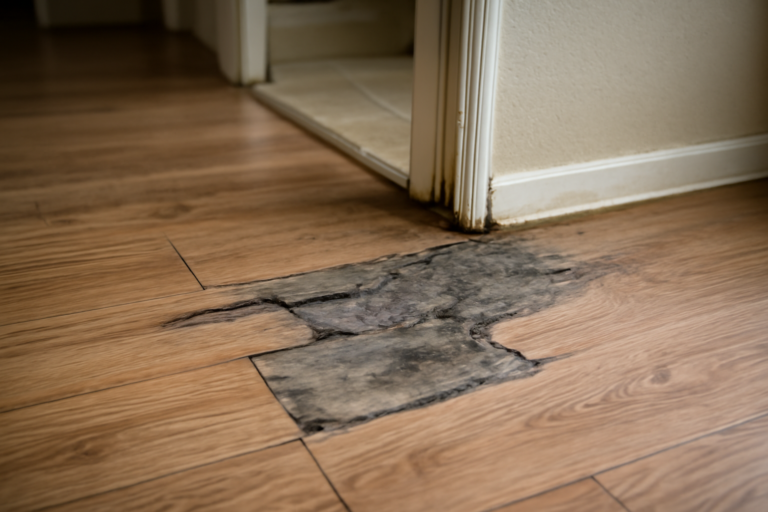
Trusted by 165+ Homeowners
Attic Water Damage Restoration in McDonough, GA
- Over 165 5-Star Reviews
- Free Estimates and Quotes
- 100% Satisfaction Guaranteed
- Child, Family & Pet Safe Steps
- 24-Hour Emergency Service
- Fully Licensed & Insured

Attic Water Damage: The Hidden Threat Above Your Ceiling
Did you know that water damage in an attic can go undetected for months, potentially costing you thousands more than you imagine? Many homeowners don’t realize that even a small leak from a pipe or roof issue can lead to significant structural problems. Ignoring attic water damage in McDonough, GA, is a risky gamble. You’re risking expensive structural repairs and potential mold growth if it’s not addressed quickly and correctly.
Our local team has earned the trust of over 165 homeowners in your neighborhood, and it’s because we handle attic water damage with the seriousness it deserves. When you’re dealing with water in your attic, you need a team that understands the unique challenges of this space. We focus on getting your attic dry, clean, and safe, so you can get back to your life without worrying about what’s happening above you. We’ve seen firsthand how a quick response makes a huge difference in outcomes.
- Rapid drying prevents secondary damage like mold and mildew, which can affect your home’s air quality and your family’s health.
- We use specialized equipment designed for enclosed spaces like attics to ensure complete moisture removal, something regular fans can’t achieve.
- Our crews work directly with your insurance company to document the damage and help streamline your claim, taking a significant burden off your shoulders.
The Attic Water Damage Restoration Process: What to Expect
When water finds its way into your attic, a swift and methodical approach is critical. It’s not just about removing the visible water; it’s about tackling the hidden moisture that can cause long-term damage. We’ve developed a proven process to address attic water damage effectively, ensuring your home is restored safely and thoroughly. Cutting corners here can lead to persistent dampness and future problems, so we don’t compromise on our standards.
Initial Inspection and Assessment
Our first step involves a thorough inspection of your attic to determine the source and extent of the water damage. We use advanced moisture meters to pinpoint every wet spot, even those hidden within insulation or wood framing. This detailed assessment helps us create a targeted drying plan and provides crucial documentation for your insurance claim, ensuring accurate damage reporting.
Water Extraction and Removal
Depending on the amount of standing water, we’ll use powerful extraction equipment to remove it as quickly as possible. For attics, this often involves specialized pumps and vacuums designed to operate in tight spaces. Our goal is to remove the bulk of the water efficiently to prevent further absorption into your home’s structure, starting the drying process immediately.
Structural Drying and Dehumidification
Once the standing water is gone, we deploy industrial-grade air movers and dehumidifiers specifically chosen for their effectiveness in attic environments. These machines work tirelessly to pull moisture out of the air and building materials. We monitor humidity levels closely to ensure we reach the optimal drying targets, preventing long-term material degradation.
Cleaning and Sanitization
After drying, we clean all affected surfaces to remove any contaminants or residues left behind by the water. This step is vital for preventing mold and mildew growth and ensuring a healthy attic environment. We use EPA-approved cleaning agents to sanitize the area, making sure your attic is not just dry, but also hygienically sound.
Mold Prevention and Remediation
If mold has already begun to form or if conditions are conducive to its growth, we’ll address it immediately. Our team is trained in mold detection and remediation techniques to safely remove any existing mold and apply preventative treatments. This critical step protects your home’s structure and your family’s health from harmful airborne spores.
Don’t wait for small leaks to turn into major issues. Contact us today for a professional assessment of your attic water damage. We’re here to help you protect your investment and restore your peace of mind.
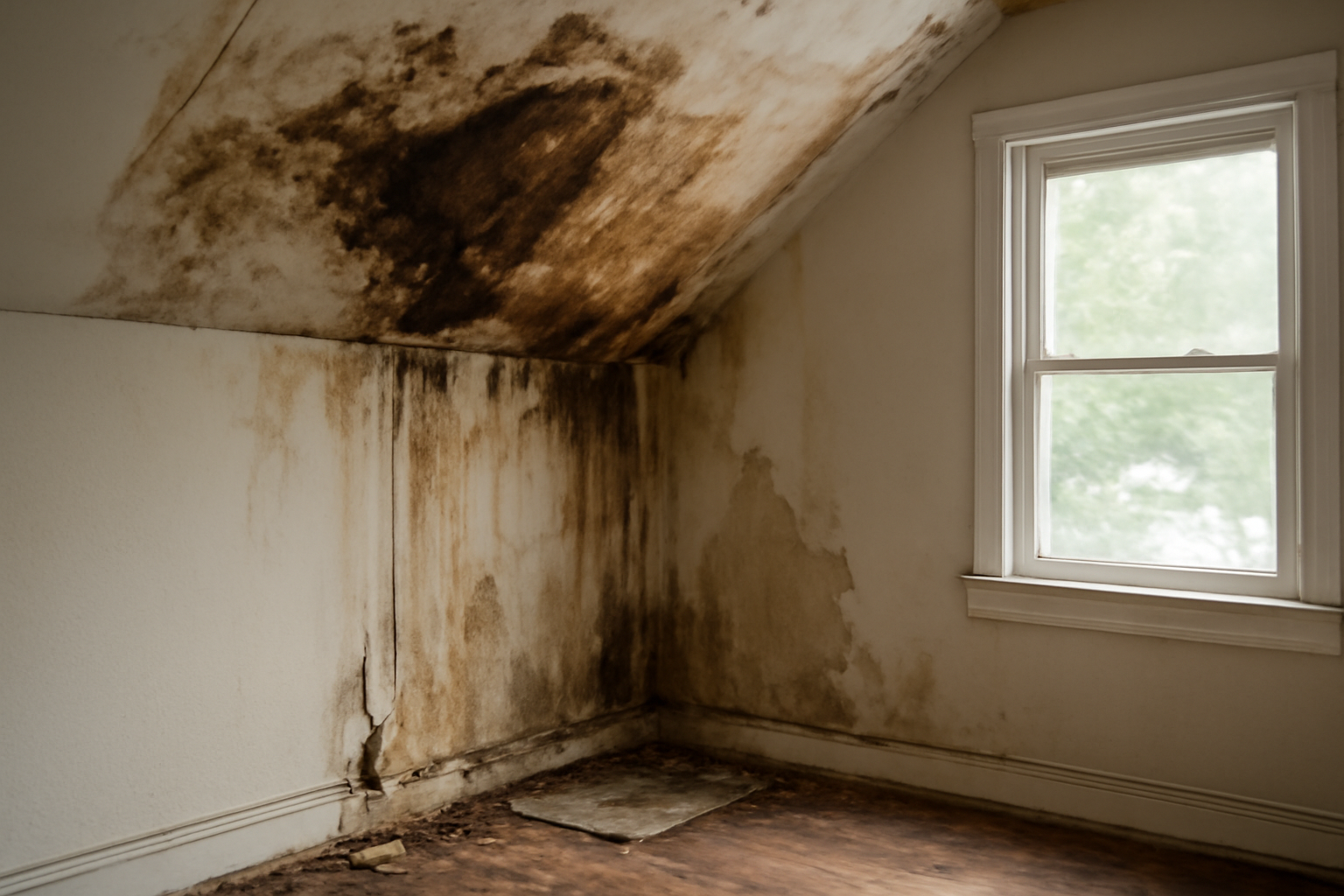
Warning Signs You Need Attic Water Damage Restoration
Catching attic water damage early can save you a significant amount of money and stress. Many homeowners overlook the subtle signs that water is present in their attic. Recognizing these indicators means you can call for professional help before minor issues escalate into costly structural repairs. Pay attention to your home; it will often tell you when something is wrong.
Musty Odors That Won’t Go Away
A persistent musty or earthy smell, especially noticeable when you’re on the upper floors or near the attic access, is a classic sign of moisture. This odor often indicates that mold or mildew is starting to grow due to dampness, a clear signal for immediate professional attention.
Visible Water Stains or Discoloration
Look for dark or yellowish stains on your attic ceiling, rafters, or insulation. These marks are direct evidence of water intrusion, whether from a roof leak or a plumbing issue. Addressing these stains promptly can prevent further material damage.
Sagging Ceiling or Walls
If you notice any bowing or sagging in your ceilings, particularly directly below the attic space, it’s a serious warning sign. This indicates that the building materials have become saturated and are losing their structural integrity, requiring urgent professional assessment.
Damp or Wet Insulation
Attic insulation that feels damp to the touch or appears visibly wet has likely been compromised by water. Wet insulation loses its effectiveness and can become a breeding ground for mold, so it needs to be dried or replaced by a specialized restoration crew.
Peeling or Bubbling Paint
Water trapped behind your ceiling paint can cause it to bubble up or peel away. This visual cue suggests moisture is seeping through the drywall, a problem that needs prompt water damage repair.
Increased Humidity Levels
If your home feels unusually humid, especially on the top floor, the attic could be the source. Uncontrolled moisture in the attic can contribute to overall indoor humidity, creating a less comfortable and potentially unhealthy living environment, so seek expert advice.
Attic Water Damage Restoration vs. DIY: When To Call a Professional
| Situation | DIY? | Call a Pro? | Why |
|---|---|---|---|
| Minor condensation on a pipe | Yes, monitor closely. | Yes, if persistent. | Condensation can indicate insulation issues or HVAC problems that need professional diagnosis. |
| Small roof leak after a storm | Yes, temporary patch if safe. | Yes, for full repair and assessment. | Roof leaks require professional inspection to ensure all damage is found and repaired correctly. |
| Standing water in the attic | No. | Yes, immediately. | Large amounts of water require specialized equipment and expertise for safe removal and drying. |
| Musty odors | No, not reliably. | Yes, for inspection and drying. | Odors usually mean hidden mold, which requires professional containment and remediation. |
| Visible water stains on ceiling | No. | Yes, for assessment. | Stains indicate water has penetrated building materials, needing professional drying and repair. |
| Sagging ceiling or walls | Absolutely not. | Yes, immediately. | This is a structural failure risk that requires immediate professional intervention. |
For anything beyond minor condensation, calling a professional for attic water damage restoration is almost always the right choice. The complexity of attic spaces and the potential for hidden damage mean that DIY efforts often fall short, leading to costlier repairs down the line. Our team has the tools and training to handle these challenging situations safely and effectively.
Attic Water Damage Restoration Cost In McDonough, GA
The cost of attic water damage restoration in McDonough, GA, can vary significantly. Factors like the size of your attic, the amount of water present, the type of insulation, and the extent of structural damage all play a role. These price ranges are general estimates for the area and not a firm quote; an on-site assessment is always necessary for an accurate estimate. We aim for transparent cost communication.
| Service | Typical Price Range | What Affects Cost |
|---|---|---|
| Attic Inspection and Assessment | $300 – $750 | Complexity of access, need for specialized tools like thermal cameras. |
| Water Extraction (if standing water) | $500 – $2,500 | Volume of water, accessibility of the attic space. |
| Structural Drying (Air Movers & Dehumidifiers) | $1,000 – $4,000 | Duration of drying needed, number of units required, size of attic. |
| Attic Cleaning and Sanitization | $400 – $1,500 | Square footage of affected area, type of cleaning agents used. |
| Mold Testing and Remediation | $750 – $5,000+ | Severity of mold growth, containment needs, removal methods. |
| Insulation Removal and Replacement | $2 – $5 per square foot | Type of insulation, amount needing removal, cost of new materials. |
These figures help give you an idea of what to expect, but the only way to know for sure is to have our team visit your property. We offer free, no-obligation estimates for attic water damage restoration, allowing you to make informed decisions about your home.
Service Areas Near McDonough, GA
Stockbridge, Locust Grove, Hampton, Fayetteville, Jonesboro, Riverdale, Forest Park, Lovejoy, Rex, Morrow, Ellenwood, Conley, Tyrone, Peachtree City, Jackson, Brooks, Griffin, Lithonia, Atlanta, Douglasville.
Common Questions About Attic Water Damage Restoration
How quickly do I need to address attic water damage?
You need to address attic water damage as soon as possible. Within 24 to 48 hours, mold can begin to grow on damp materials. The longer water sits in your attic, the more damage it can cause to your insulation, wood framing, and drywall, leading to much higher repair costs. We are available to respond quickly to prevent further issues.
Will my homeowner’s insurance cover attic water damage in McDonough, GA?
Typically, homeowner’s insurance covers accidental water damage, such as leaks from plumbing or roof damage due to a storm. However, it often excludes damage from gradual neglect or lack of maintenance. Our team works closely with insurance adjusters to document the damage thoroughly and help you navigate the claims process.
What are the health risks associated with attic water damage?
The primary health risk from undetected attic water damage is mold growth. Inhaling mold spores can trigger allergic reactions, asthma symptoms, and other respiratory problems. Damp wood and insulation can also attract pests. We prioritize creating a healthy environment by thoroughly drying and sanitizing affected areas.
How do you dry out an attic effectively without damaging anything?
We use specialized equipment like industrial-grade dehumidifiers and high-velocity air movers to control humidity and accelerate drying. We also employ moisture meters to track progress and ensure all materials are dried to safe levels, preventing secondary damage to your structure. Our process is designed to be minimally invasive while maximizing effectiveness.
What’s the difference between attic water damage and a ceiling leak?
Attic water damage refers to water that has infiltrated the attic space itself, affecting insulation, rafters, and the underside of the roof deck. A ceiling leak is when water passes through the attic and visibly drips or stains the ceiling below. Both require prompt attention, but attic damage can be more extensive and difficult to detect without a professional inspection.
Check Our Other Relevant Services

Jerry Johns is a licensed Damage Restoration Expert with over 20 years of hands-on experience helping homeowners and businesses navigate property crises. As a trusted authority in the field, Jerry combines technical precision with a compassionate approach to disaster recovery.
𝗖𝗲𝗿𝘁𝗶𝗳𝗶𝗰𝗮𝘁𝗶𝗼𝗻𝘀: Jerry holds multiple elite IICRC certifications, including Water Damage Restoration (WRT), Applied Microbial Remediation (Mold), Applied Structural Drying (ASD), Odor Control, and Fire and Smoke Restoration.
𝗙𝗮𝘃𝗼𝗿𝗶𝘁𝗲 𝗣𝗮𝘀𝘁𝗶𝗺𝗲: When he isn’t on a job site, Jerry is an avid outdoorsman who enjoys fly fishing and restoring vintage woodworking tools.
𝗕𝗲𝘀𝘁 𝗣𝗮𝗿𝘁 𝗼𝗳 𝘁𝗵𝗲 𝗝𝗼𝗯: Jerry finds the most fulfillment in seeing the relief on a client’s face when their property is finally restored to its pre-loss condition, turning a stressful disaster into a fresh start.