Trusted by 165+ Homeowners
Basement Flooding Cleanup in Fayetteville, GA
- Over 165 5-Star Reviews
- Free Estimates and Quotes
- 100% Satisfaction Guaranteed
- Child, Family & Pet Safe Steps
- 24-Hour Emergency Service
- Fully Licensed & Insured

When Fayetteville, GA’s Skies Open Up, Your Basement Might Not Stay Dry
Around here, we know that sudden downpours and heavy rains can be a real problem, especially during our warmer months. It’s not uncommon for a fierce thunderstorm to roll through, and before you know it, water is seeping into your basement. This isn’t just a little dampness; we’re talking about actual standing water that can cause serious damage. You might notice it around your sump pump, near windows, or even coming up through floor cracks. Dealing with basement flooding is a stressful situation, and you need a team that understands the urgency and the specific challenges faced by homeowners in our area. We’re here to help you get your basement back to normal, fast.
We’ve helped over 165 satisfied neighbors in and around Fayetteville, GA, tackle basement flooding and restore their homes. They choose us because we’re local, we’re responsive, and we know exactly what it takes to handle water damage effectively. You can trust our dedicated crews to arrive quickly and get to work immediately, focusing on getting your property dry and safe again. We understand that it’s not just about removing water; it’s about preventing further damage and ensuring your home’s integrity.
- Rapid Water Extraction: We use powerful equipment to remove standing water quickly, minimizing saturation and preventing deeper structural issues.
- Thorough Drying & Dehumidification: Our specialized drying systems target moisture in the air and building materials, preventing mold growth and long-term dampness.
- Odor Control & Sanitation: Beyond just water removal, we address any musty smells and sanitize affected areas to ensure a healthy living environment.
The Right Way to Tackle Basement Flooding
When water invades your basement, a rushed or incomplete cleanup can lead to much bigger problems down the line, like mold growth or compromised structural integrity. That’s why we follow a precise, methodical process for every basement flooding cleanup job. Our goal is to not only remove the visible water but also to ensure your basement is thoroughly dried and protected from future issues. We believe in doing it right the first time, so you don’t have to worry about recurring problems. You can count on our trained technicians to handle the situation with care and expertise.
1. Emergency Water Removal
This is where we get the bulk of the water out, fast. Our crews use industrial-grade pumps and extraction units that can remove hundreds or even thousands of gallons of water from your basement. This critical first step helps prevent further damage to your belongings and the structure itself. We work diligently to get this done as quickly as possible, often within the first few hours of arrival.
2. Structural Drying and Dehumidification
Once the standing water is gone, the real work of drying begins. We strategically place high-powered air movers and industrial dehumidifiers throughout your basement. These machines work tirelessly to pull moisture out of the air and from porous materials like drywall, wood, and concrete. This stage is crucial for preventing mold and mildew and can take anywhere from a few days to over a week, depending on the extent of the flooding.
3. Moisture Monitoring
We don’t just set up equipment and leave. Our technicians regularly monitor humidity levels and moisture content in your walls, floors, and ceilings using specialized meters. This ensures that the drying process is effective and that we’re reaching all the hidden damp spots. It’s about making sure your basement is truly dry, not just superficially.
4. Sanitization and Odor Treatment
Flooded basements can become breeding grounds for bacteria and mold, often accompanied by unpleasant odors. We use EPA-approved cleaning agents and fogging equipment to sanitize all affected surfaces and neutralize any lingering smells. This step is vital for your family’s health and safety and restoring a fresh environment.
5. Final Inspection and Reporting
Before we consider the job done, we conduct a thorough final inspection with you. We’ll use moisture meters to confirm that all areas have reached acceptable drying standards. We’ll also provide a detailed report outlining the work performed, the drying process, and any recommendations for future prevention. We want you to feel confident that your basement is fully restored.
Don’t let basement flooding leave you feeling overwhelmed. Taking swift action is key to minimizing damage and cost. Contact us immediately if you discover water in your basement.

Warning Signs You Need Basement Flooding Cleanup
Catching basement water issues early can save you a lot of money and headaches. Sometimes, the signs are obvious, but other times, they’re subtle. Being aware of these indicators can help you address a problem before it becomes a full-blown flood. Ignoring small issues can lead to significant structural damage and costly repairs later.
Musty Odors That Won’t Go Away
That persistent damp, mildew smell, especially in a basement, is often the first sign that moisture is present, even if you can’t see standing water. It indicates that mold or mildew might already be growing. Address the smell promptly.
Water Stains or Discoloration
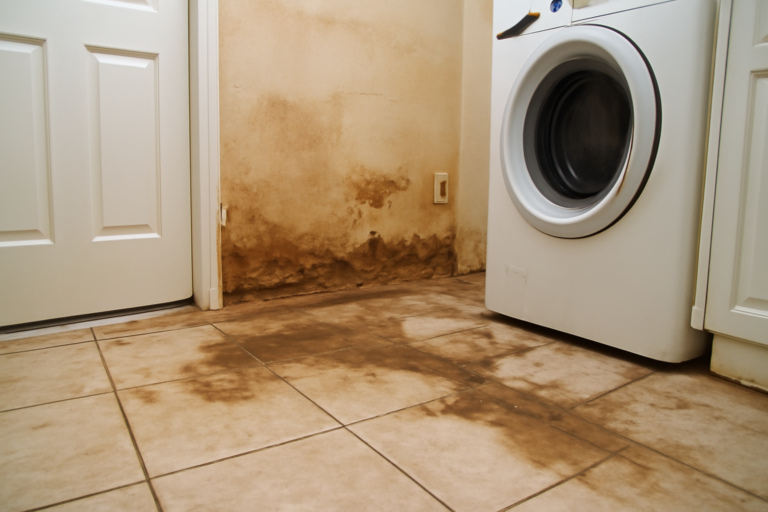
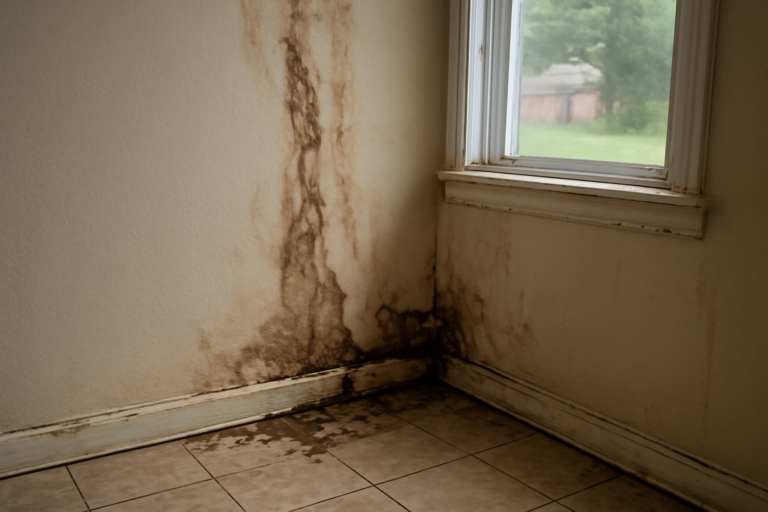
Look for dark spots or rings on walls, ceilings, or floors. These are clear indicators that water has been present, even if it has since dried. They can point to past leaks or current seepage issues. Inspect these marks closely.
Peeling Paint or Wallpaper
Moisture behind paint or wallpaper can cause it to bubble, peel, or blister. This is a visual cue that water is getting into your walls. It’s a sign of hidden moisture problems.
Efflorescence on Walls
This is a white, powdery substance that appears on concrete or masonry walls. It’s caused by salts in the water migrating through the concrete as it evaporates. It’s a sure sign of water intrusion.
Cracks in the Foundation or Walls
While not all cracks mean flooding, hairline cracks can allow groundwater to seep in, especially during heavy rains or snowmelt. Larger cracks are more concerning. Monitor any foundation cracks.
Soggy or Damp Carpet/Flooring
If your basement carpet feels damp to the touch, or if you notice buckling or warping in hard flooring, it’s a clear sign of excess moisture. This needs immediate attention.
Basement Flooding Cleanup vs. DIY: When To Call a Professional
| Situation | DIY? | Call a Pro? | Why |
|---|---|---|---|
| A few damp spots on the floor after a light rain. | Yes, with towels and fans. | Maybe, if it persists. | Small amounts might be manageable, but recurring dampness needs investigation. |
| Standing water up to an inch deep. | Possibly, with wet/dry vac and fans. | Yes, especially if it’s spreading. | Deeper water requires professional extraction to prevent subfloor damage. |
| Water is ankle-deep or more. | No. | Absolutely. | This is a significant event requiring specialized equipment and expertise to dry thoroughly. |
| Sewage backup into the basement. | Absolutely Not. | Definitely Yes. | This is a biohazard requiring specialized safety protocols and disinfection. |
| You see or smell mold growth. | No. | Yes. | Mold can be a health hazard and requires professional assessment and remediation. |
| Water has affected electrical outlets or appliances. | No. | Yes. | Electrical hazards are extremely dangerous and require immediate professional attention. |
While you can handle minor dampness with some fans and towels, anything more significant, especially involving sewage, mold, or electrical risks, requires professional intervention. Our team has the proper equipment and training to handle these complex situations safely and effectively, ensuring your home is truly dry and healthy.
Basement Flooding Cleanup Cost In Fayetteville, GA
The cost of basement flooding cleanup in Fayetteville, GA, can vary quite a bit. Factors like the size of your basement, how much water is present, and the type of materials affected all play a role. These figures are general estimates for what you might expect; an on-site assessment is always needed for an exact quote. Understanding these ranges can help you budget for emergency repairs.
| Service | Typical Price Range | What Affects Cost |
|---|---|---|
| Emergency Water Extraction | $500 – $2,500 | Volume of water, accessibility, and time required. |
| Structural Drying & Dehumidification | $700 – $3,000+ | Square footage of the basement, duration of drying needed, number of machines. |
| Moisture Monitoring | Included in drying cost | N/A |
| Sanitization & Odor Treatment | $300 – $1,000+ | Severity of contamination, size of area, type of treatment used. |
| Mold Prevention/Treatment (if minor) | $500 – $2,000+ | Extent of mold growth and surface area affected. |
| Damage Assessment & Reporting | Often included in overall service | N/A |
It’s important to remember that these are just estimates. For an accurate understanding of your specific situation and a free, no-obligation estimate, our team will come to your property to assess the damage.
Service Areas Near Fayetteville, GA
We proudly serve homeowners in Fayetteville, GA, and the surrounding communities, including Peachtree City, Tyrone, Brooks, Senoia, Sharpsburg, Newnan, Palmetto, Jonesboro, Riverdale, Forest Park, College Park, East Point, Atlanta, Hapeville, Union City, South Fulton, Morrow, Stockbridge, McDonough, and Lovejoy.
Common Questions About Basement Flooding Cleanup
What’s the first thing I should do if my basement floods?
The very first step is to ensure your safety. If the flooding is due to an electrical issue, stay out of the basement and turn off power to the affected area if you can do so safely from a dry location. If it’s safe, try to identify and stop the water source if possible. Then, call us immediately. We’ll guide you through the next steps and dispatch our team to begin the cleanup process.
How long does basement flooding cleanup usually take?
The timeline varies greatly depending on the amount of water and the extent of saturation. Water extraction can often be completed within hours. However, the drying and dehumidification process can take anywhere from 3 to 10 days, sometimes longer for severe cases. We use advanced equipment to expedite the drying process as much as possible while ensuring thoroughness.
Is basement flooding covered by homeowners insurance?
In many cases, yes, homeowners insurance covers sudden and accidental water damage from sources like burst pipes or heavy storms. However, it typically does not cover damage from gradual seepage or lack of maintenance. It’s best to review your specific policy and contact your insurance provider to understand your coverage. We can help document the damage for your claim.
What are the health risks associated with basement flooding?
Flooded basements can pose significant health risks, including exposure to bacteria, viruses, and mold. Mold, in particular, can cause respiratory problems, allergic reactions, and other health issues for occupants, especially those with pre-existing conditions like asthma. Our sanitization process is designed to eliminate these harmful contaminants and restore a healthy environment.
How can I prevent my basement from flooding again?
Prevention is key! Ensure your gutters and downspouts are clean and directing water away from your foundation. Check that your sump pump is functioning correctly and consider a battery backup. Sealing foundation cracks and improving yard drainage can also help. We can offer advice on preventative measures after completing the cleanup and drying.
Check Our Other Relevant Services

Jerry Johns is a licensed Damage Restoration Expert with over 20 years of hands-on experience helping homeowners and businesses navigate property crises. As a trusted authority in the field, Jerry combines technical precision with a compassionate approach to disaster recovery.
𝗖𝗲𝗿𝘁𝗶𝗳𝗶𝗰𝗮𝘁𝗶𝗼𝗻𝘀: Jerry holds multiple elite IICRC certifications, including Water Damage Restoration (WRT), Applied Microbial Remediation (Mold), Applied Structural Drying (ASD), Odor Control, and Fire and Smoke Restoration.
𝗙𝗮𝘃𝗼𝗿𝗶𝘁𝗲 𝗣𝗮𝘀𝘁𝗶𝗺𝗲: When he isn’t on a job site, Jerry is an avid outdoorsman who enjoys fly fishing and restoring vintage woodworking tools.
𝗕𝗲𝘀𝘁 𝗣𝗮𝗿𝘁 𝗼𝗳 𝘁𝗵𝗲 𝗝𝗼𝗯: Jerry finds the most fulfillment in seeing the relief on a client’s face when their property is finally restored to its pre-loss condition, turning a stressful disaster into a fresh start.