Trusted by 165+ Homeowners
Basement Flooding Cleanup in Johns Creek, GA
- Over 165 5-Star Reviews
- Free Estimates and Quotes
- 100% Satisfaction Guaranteed
- Child, Family & Pet Safe Steps
- 24-Hour Emergency Service
- Fully Licensed & Insured

When Your Johns Creek, GA Basement Takes On Water: Immediate Cleanup is Key
You’ve just discovered your basement is flooded. Don’t panic, but understand that the first 48 hours are critical for preventing long-term damage. Many homeowners make the mistake of just mopping up the visible water, thinking the job is done. However, hidden moisture can lead to serious structural issues and mold growth if not addressed properly. Your property in Johns Creek, GA, needs a swift and thorough response to minimize future problems and restore your home safely.
Our local crews have helped over 165 satisfied homeowners in your neighborhood deal with basement flooding. They trust us because we respond quickly and handle every aspect of the cleanup with care and expertise. When water invades your home, you want a team that understands the unique challenges of basement environments. That’s why so many people choose us for fast, effective water removal and drying.
- We focus on complete moisture extraction, getting water out of carpets, subfloors, and even wall cavities where it can hide.
- Our team uses specialized drying equipment, like industrial-grade dehumidifiers and air movers, to pull moisture out of the air and building materials, preventing mold before it starts.
- We provide detailed documentation of the drying process, which can be essential if you’re working with your insurance company.
How Our Basement Flooding Cleanup Process Works
When water fills your basement, the clock starts ticking. A rapid, systematic approach is essential to prevent secondary damage like mold and structural decay. Rushing the job or using improper equipment can actually worsen the situation, leading to more extensive repairs down the line. We follow a proven, IICRC-certified process to ensure your basement is not just dry, but truly restored. You’ll see exactly what we’re doing and why it matters.
1. Emergency Water Extraction
The very first step is removing standing water as quickly as possible. Our crews use powerful truck-mounted or portable extraction units to remove large volumes of water efficiently. This process can take anywhere from a few hours to a full day, depending on the amount of water present in your basement.
2. Advanced Drying and Dehumidification
Once standing water is gone, we bring in specialized equipment to dry out the affected areas. This includes high-speed air movers to circulate air and powerful industrial dehumidifiers to pull moisture from the air and materials. This critical phase can last for several days, ensuring that even hidden moisture deep within your structure is removed. We monitor humidity and temperature levels closely.
3. Content Cleaning and Restoration
Any salvageable belongings in your basement will be carefully evaluated. We can often clean and restore items like furniture, documents, and personal effects that have been affected by water. For items that cannot be restored on-site, we offer secure pack-out services to our specialized cleaning facility. This step is about saving your cherished possessions.
4. Mold Prevention and Remediation
Mold can start to grow within 24-48 hours after water damage. We use EPA-approved antimicrobial treatments to prevent mold and mildew growth during the drying process. If mold has already begun to form, our trained technicians can safely remove it and remediate the affected areas. Your family’s health is our top priority.
5. Reconstruction and Repair
After the basement is thoroughly dried and any mold is removed, we can begin the reconstruction phase. This might involve replacing damaged drywall, flooring, insulation, or making minor structural repairs. We aim to return your basement to its pre-flood condition, ensuring it’s safe and functional again. You’ll get a clear plan for rebuilding.
Don’t let basement flooding turn into a nightmare. Contact us immediately for a rapid response that protects your home and belongings. We’re ready to help 24/7.

Warning Signs You Need Basement Flooding Cleanup
Ignoring subtle signs of water intrusion in your basement can lead to much bigger, more expensive problems down the road. Catching these issues early means a simpler, faster cleanup and less disruption to your life. It’s always better to be safe than sorry when it comes to water damage.
Musty Odors That Won’t Go Away
A persistent damp, musty smell, especially in a finished basement, is often the first indication of hidden moisture. This smell means mold or mildew is likely developing somewhere behind walls or under flooring. Addressing the source smell is crucial.
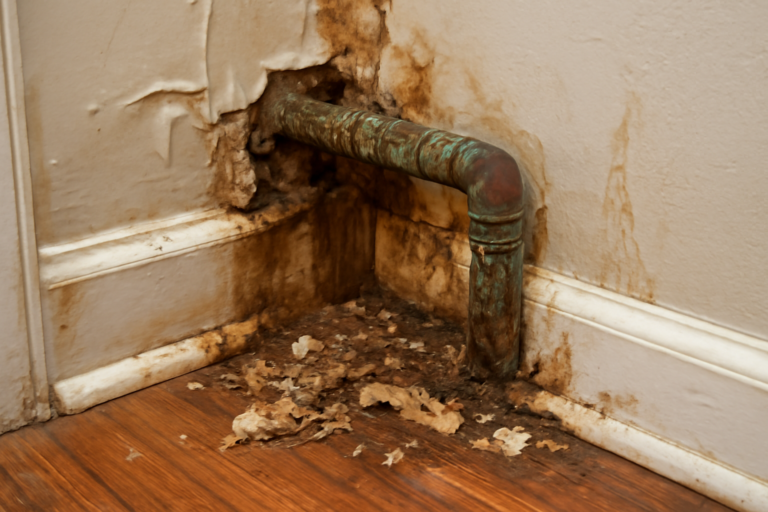
Visible Water Stains or Efflorescence
Look for discolored patches on walls or ceilings, or white, powdery deposits on concrete walls. These are signs that water is seeping through your foundation or walls. Investigating water stains promptly can prevent deeper issues.
Peeling or Warped Paint and Wallpaper
When moisture gets behind paint or wallpaper, it causes them to bubble, peel, or warp. This is a clear visual cue that water is present and needs to be dealt with. Checking for peeling finishes is an easy inspection.
Soft or Sagging Drywall
Basement walls that feel soft, spongy, or appear to be sagging are often saturated with water. This indicates significant moisture intrusion that requires immediate attention. Feeling for soft spots can reveal hidden problems.
Unusual Noises or Sounds
Sometimes, you might hear trickling or dripping sounds that don’t seem to have a normal source. This could mean water is actively entering your basement or moving within the walls. Listening for strange sounds can alert you early.
Foundation Cracks or Leaks
Even small cracks in your foundation can allow significant amounts of water to enter your basement, especially during heavy rains. Sealing these cracks and addressing any resulting water is vital. Inspecting foundation cracks is a proactive measure.
Basement Flooding Cleanup vs. DIY: When To Call a Professional
| Situation | DIY? | Call a Pro? | Why |
|---|---|---|---|
| A few inches of clear water from a burst pipe | Yes, with caution | Yes, for thorough drying | DIY can remove visible water, but professionals ensure hidden moisture is eliminated. |
| Sewage backup into the basement | Absolutely Not | Yes, immediately | Sewage contains dangerous pathogens and requires specialized containment and cleaning. |
| Persistent dampness and musty odors | No | Yes | Hidden mold and moisture require professional detection and drying equipment. |
| Water from heavy rains or sump pump failure | Yes, for small amounts | Yes, for significant flooding | Large volumes of water need powerful extraction; professional drying prevents long-term damage. |
| Water damage affecting structural elements (e.g., subfloor, beams) | No | Yes, immediately | Structural damage needs expert assessment and repair to ensure safety. |
| After initial cleanup, you still feel humidity or notice new odors | No | Yes | This indicates residual moisture that needs professional drying to prevent mold. |
While you can handle minor spills, significant basement flooding requires professional intervention. Our team has the specialized equipment and expertise to extract all water, dry your home completely, and prevent mold growth. Trust us to restore your basement safely and effectively.
Basement Flooding Cleanup Cost In Johns Creek, GA
The cost of basement flooding cleanup in Johns Creek, GA, can vary widely depending on the extent of the water damage, the size of your basement, and the type of materials affected. These price ranges are estimates, and an on-site assessment is always necessary for an accurate quote. We strive to provide clear, upfront pricing.
| Service | Typical Price Range | What Affects Cost |
|---|---|---|
| Emergency Water Extraction | $500 – $2,500 | Volume of water, accessibility, and time required. |
| Structural Drying & Dehumidification | $1,000 – $5,000+ | Size of the affected area, duration of drying, and number of units needed. |
| Mold Prevention Treatment | $300 – $1,000 | Area size requiring treatment and type of application. |
| Content Cleaning & Restoration (Pack-out) | $500 – $3,000+ | Number and type of items to be cleaned, and complexity of restoration. |
| Minor Reconstruction (e.g., drywall, flooring) | $1,000 – $7,000+ | Scope of repairs needed, materials used, and finishing work. |
| Full Basement Flood Cleanup (including drying and minor repairs) | $3,000 – $10,000+ | Overall severity of flooding, duration of cleanup, and reconstruction needs. |
Getting a free, no-obligation estimate is the best way to understand the specific costs for your situation. Our technicians will walk you through the assessment and explain all recommended services. We’re committed to fair and transparent pricing.
Service Areas Near Johns Creek, GA
Alpharetta, Suwanee, Duluth, Norcross, Roswell, Sandy Springs, Marietta, Milton, Johns Creek, Cumming, Buford, Lawrenceville, Lilburn, Tucker, Chamblee, Decatur, Atlanta, Smyrna, Kennesaw, Woodstock.
Common Questions About Basement Flooding Cleanup
What should I do immediately after my basement floods?
The very first step is to ensure your safety. If the water came from a sewage backup or electrical source, stay out of the basement until it’s deemed safe. If it’s clear water from a burst pipe, try to shut off the water source if you can do so safely. Then, call us immediately. We’ll guide you through the next steps and dispatch a crew to begin the critical water extraction process.
How long does basement flood cleanup take?
The timeline for basement flooding cleanup varies significantly. Emergency water extraction might take a few hours to a day. The crucial drying and dehumidification process typically takes 3 to 7 days, sometimes longer, depending on how saturated the building materials are. Reconstruction can add several more days or weeks. We work efficiently to restore your basement quickly.
Is basement flooding covered by homeowner’s insurance?
Coverage depends on the cause of the flooding. Most policies cover sudden and accidental water damage, like from a burst pipe or appliance malfunction. They often do not cover gradual leaks or flooding from external sources like heavy rains or sewer backups, unless you have specific flood insurance. We can help document the damage for your insurance claim.
What are the health risks associated with basement flooding?
Standing water, especially if it’s from a sewage backup, poses significant health risks due to bacteria and contaminants. Even clear water can lead to mold growth within 24-48 hours, which can cause respiratory problems and allergic reactions. Our team takes all necessary precautions to ensure a safe cleanup and prevent mold.
How do you prevent mold after basement flooding?
Preventing mold involves thorough water extraction, rapid and complete drying of all affected materials, and using antimicrobial treatments. We deploy industrial-grade dehumidifiers and air movers to create an environment inhospitable to mold spores. Continuous monitoring of humidity levels is key to preventing mold growth and ensuring a healthy basement environment.
Check Our Other Relevant Services

Jerry Johns is a licensed Damage Restoration Expert with over 20 years of hands-on experience helping homeowners and businesses navigate property crises. As a trusted authority in the field, Jerry combines technical precision with a compassionate approach to disaster recovery.
𝗖𝗲𝗿𝘁𝗶𝗳𝗶𝗰𝗮𝘁𝗶𝗼𝗻𝘀: Jerry holds multiple elite IICRC certifications, including Water Damage Restoration (WRT), Applied Microbial Remediation (Mold), Applied Structural Drying (ASD), Odor Control, and Fire and Smoke Restoration.
𝗙𝗮𝘃𝗼𝗿𝗶𝘁𝗲 𝗣𝗮𝘀𝘁𝗶𝗺𝗲: When he isn’t on a job site, Jerry is an avid outdoorsman who enjoys fly fishing and restoring vintage woodworking tools.
𝗕𝗲𝘀𝘁 𝗣𝗮𝗿𝘁 𝗼𝗳 𝘁𝗵𝗲 𝗝𝗼𝗯: Jerry finds the most fulfillment in seeing the relief on a client’s face when their property is finally restored to its pre-loss condition, turning a stressful disaster into a fresh start.