Trusted by 165+ Homeowners
Basement Flooding Cleanup in Suwanee, GA
- Over 165 5-Star Reviews
- Free Estimates and Quotes
- 100% Satisfaction Guaranteed
- Child, Family & Pet Safe Steps
- 24-Hour Emergency Service
- Fully Licensed & Insured

Sudden Basement Flooding in Suwanee, GA? We’re Ready to Help.
You walk downstairs, and the smell hits you first. Then you see it: water creeping across your basement floor. It’s a stressful discovery, and you know you need to act fast. Whether it’s from heavy rain, a burst pipe, or a sump pump failure, basement flooding demands immediate attention. Getting the right help quickly is crucial to prevent further damage to your home and belongings. We understand the urgency you’re feeling right now.
Locally, homeowners trust our team when their basements take on water. We’ve helped hundreds of neighbors in your situation, earning over 165 five-star reviews from people who count on us for effective water extraction and drying. When you’re dealing with a wet basement, you need a team that knows exactly what to do, without delay.
- We use specialized equipment to pinpoint hidden moisture, ensuring your basement dries completely and preventing long-term issues like mold growth.
- Our targeted drying process minimizes disruption to your home while efficiently removing all excess water and humidity.
- We focus solely on basement flooding, meaning our crews are highly trained and experienced in this specific type of emergency.
How We Tackle Basement Flooding Cleanup
Basement flooding isn’t just about mopping up water. It’s a technical process that requires careful attention to detail and the right tools. If water isn’t removed and dried properly, lingering moisture can cause structural damage and unhealthy mold. Our crews follow strict protocols to ensure your basement is restored safely and effectively, from the first drop of water removed to the final dehumidifier pulled out.
1. Immediate Water Extraction
First, we remove standing water using powerful truck-mounted or portable extraction units. These machines can remove hundreds, even thousands, of gallons of water quickly. This step is critical to stop the damage from spreading and to prepare the space for thorough drying. It’s about getting the bulk of the water out as fast as possible.
2. Structural Drying and Dehumidification
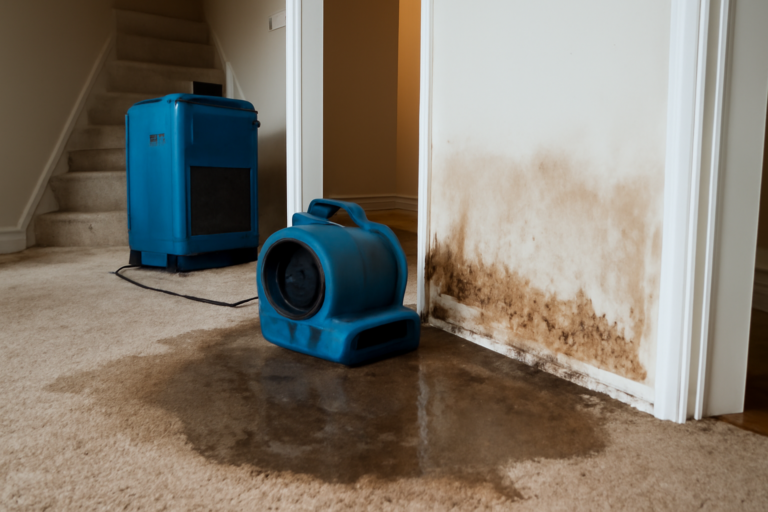
Once the standing water is gone, we bring in industrial-grade air movers and dehumidifiers. These machines work together to pull moisture from the air and building materials. We carefully monitor humidity levels and material moisture content with specialized meters to ensure everything dries to safe levels. This phase is essential for preventing secondary damage.
3. Moisture Detection and Assessment
Our technicians use advanced moisture meters and thermal imaging cameras to find any water that has penetrated walls, floors, or subflooring. Identifying hidden moisture is key to a complete restoration. We create a detailed map of wet areas to guide our drying efforts and ensure no damp spots are missed.
4. Containment and Air Quality
If necessary, we’ll set up containment barriers to prevent airborne particles from spreading to other parts of your home. We also use air scrubbers with HEPA filters to improve air quality during the drying process. Maintaining a healthy environment is always a priority.
5. Reconstruction and Rebuilding
After drying is complete, we assess any materials that may need to be removed and replaced, such as wet drywall or flooring. Our team handles the necessary repairs to bring your basement back to its pre-flood condition. We’ll make sure your space is safe and sound again.
Don’t let basement water linger. Call us now to get our expert crews on their way to your property. Fast action makes a huge difference in the outcome.

Warning Signs You Need Basement Flooding Cleanup
Catching the signs of basement water early can save you a lot of trouble and expense. Ignoring subtle indicators can lead to bigger, more costly problems down the road. Pay attention to these signs in your home.
Musty Odors That Won’t Go Away
A persistent, damp, earthy smell in your basement is often the first sign of hidden moisture or mold growth. This smell indicates that water has likely been present long enough to cause issues. It’s your nose telling you something isn’t right.
Visible Water Stains or Efflorescence
Look for discolored patches on your basement walls or floors. Efflorescence is a white, powdery residue that appears on concrete surfaces as water evaporates, leaving mineral deposits behind. These are clear indicators of past or ongoing water intrusion.
Peeling or Bubbling Paint and Wallpaper
When moisture gets behind finishes like paint or wallpaper, it causes them to lose adhesion and start to peel or bubble. This damage shows that moisture is actively compromising your basement’s surfaces.
Warped or Damaged Flooring
If you have carpet, tile, or wood flooring in your basement, check for signs of warping, buckling, or separation. Water saturation causes these materials to expand and degrade, signaling a need for immediate attention.
Cracks in Basement Walls or Floor
While some minor settling cracks are normal, new or expanding cracks can indicate hydrostatic pressure from water pushing against your foundation. These structural concerns need professional assessment and repair to prevent further damage.
High Humidity Levels
Even without standing water, an unusually damp or clammy feeling in your basement can mean moisture is accumulating. Excessive humidity promotes mold growth and can damage stored items. You might notice condensation on pipes or windows.
Basement Flooding Cleanup vs. DIY: When To Call a Professional
| Situation | DIY? | Call a Pro? | Why |
|---|---|---|---|
| A few spilled cups of water on a sealed concrete floor. | Yes | No | Easy to clean up with towels. |
| Minor condensation on pipes. | Yes | No | Wipe down with a cloth. |
| Standing water covering less than 10 sq ft of a sealed basement floor. | Maybe | Yes | Can be managed, but professional extraction is faster and more thorough. |
| Water damage affecting drywall, carpet, or wood. | No | Yes | These materials hold moisture and require specialized drying equipment. |
| Any sign of mold or mildew growth. | No | Yes | Mold spores can spread quickly and require professional remediation. |
| Water source is a sewer backup or contaminated source. | Absolutely Not | Yes | This is a biohazard and requires specialized safety protocols. |
| Basement flooding occurred more than 24 hours ago. | No | Yes | Extended exposure significantly increases the risk of mold and structural damage. |
For anything beyond a minor spill, it’s usually best to call a professional. DIY methods often fall short when it comes to completely drying out materials and preventing long-term issues. Our trained crews have the equipment and knowledge to handle significant basement flooding effectively.
Basement Flooding Cleanup Cost In Suwanee, GA
The cost for basement flooding cleanup in Suwanee, GA, can vary based on how much water is present, the size of your basement, and the extent of the damage. These estimates provide a general idea, but an on-site assessment is needed for an accurate quote. We offer free estimates for your property.
| Service | Typical Price Range | What Affects Cost |
|---|---|---|
| Water Extraction (up to 1000 sq ft) | $500 – $2,500 | Volume of water, accessibility of the area. |
| Structural Drying (dehumidifiers, air movers) | $750 – $3,000 | Size of the space, duration of drying needed. |
| Moisture Detection and Assessment | $300 – $800 | Use of advanced equipment like thermal cameras. |
| Containment and Air Quality Control | $400 – $1,200 | Size of containment, type of air filtration needed. |
| Minor Reconstruction (e.g., replacing a few sheets of drywall) | $500 – $2,000+ | Amount of material removed and replaced, complexity of repair. |
| Odor Removal | $300 – $1,000 | Severity of the odor, methods required for elimination. |
These figures are approximate, and your specific situation will determine the final cost. We provide transparent pricing after a thorough inspection. Get a free estimate today by contacting our team.
Service Areas Near Suwanee, GA
Buford, Norcross, Duluth, Lawrenceville, Snellville, Lilburn, Tucker, Chamblee, Doraville, Sandy Springs, Alpharetta, Johns Creek, Milton, Cumming, Roswell, Marietta, Atlanta, Dunwoody, Brookhaven, Peachtree Corners.
Common Questions About Basement Flooding Cleanup
What should I do immediately after discovering basement flooding?
Your first priority is safety. If the water is deep or you suspect electrical issues, leave the basement immediately and turn off power to that area if it’s safe to do so. Don’t attempt to clean up if there are electrical hazards. Then, call us right away. We’ll guide you on what to do next and dispatch our team quickly.
How long does basement flooding cleanup typically take?
The timeline depends heavily on the amount of water and how quickly we can start. Simple water removal and drying might take 2-3 days. However, if materials like drywall or subflooring are saturated, it can take a week or more to thoroughly dry everything. We work efficiently to restore your basement as fast as possible.
Is basement flooding cleanup covered by homeowner’s insurance?
Often, yes, but it depends on the cause of the flooding. Damage from sudden events like burst pipes or heavy storms is usually covered. Damage from gradual seepage or groundwater is typically not. We can help document the damage for your insurance claim. It’s wise to check your policy and contact your provider.
What are the health risks associated with basement flooding?
Standing water can quickly become a breeding ground for bacteria and mold. Exposure to mold can cause allergic reactions, asthma symptoms, and other respiratory issues. Preventing mold growth is a key part of our cleanup process. We use specialized treatments to ensure your basement is healthy.
How can I prevent future basement flooding in Suwanee, GA?
Regular maintenance is key. Ensure your gutters and downspouts are clear and directing water away from your foundation. Check your sump pump regularly and consider a battery backup. Sealing foundation cracks can also help. We can offer advice on preventative measures after we’ve completed the cleanup. Proactive steps can save you from future headaches.
Check Our Other Relevant Services

Jerry Johns is a licensed Damage Restoration Expert with over 20 years of hands-on experience helping homeowners and businesses navigate property crises. As a trusted authority in the field, Jerry combines technical precision with a compassionate approach to disaster recovery.
𝗖𝗲𝗿𝘁𝗶𝗳𝗶𝗰𝗮𝘁𝗶𝗼𝗻𝘀: Jerry holds multiple elite IICRC certifications, including Water Damage Restoration (WRT), Applied Microbial Remediation (Mold), Applied Structural Drying (ASD), Odor Control, and Fire and Smoke Restoration.
𝗙𝗮𝘃𝗼𝗿𝗶𝘁𝗲 𝗣𝗮𝘀𝘁𝗶𝗺𝗲: When he isn’t on a job site, Jerry is an avid outdoorsman who enjoys fly fishing and restoring vintage woodworking tools.
𝗕𝗲𝘀𝘁 𝗣𝗮𝗿𝘁 𝗼𝗳 𝘁𝗵𝗲 𝗝𝗼𝗯: Jerry finds the most fulfillment in seeing the relief on a client’s face when their property is finally restored to its pre-loss condition, turning a stressful disaster into a fresh start.