Trusted by 165+ Homeowners
Basement Water Damage Restoration in Decatur, GA
- Over 165 5-Star Reviews
- Free Estimates and Quotes
- 100% Satisfaction Guaranteed
- Child, Family & Pet Safe Steps
- 24-Hour Emergency Service
- Fully Licensed & Insured

Your Decatur, GA Basement Is Flooded. Now What?
You walk into your basement, maybe to grab something or do laundry, and you see it: standing water. It’s spreading, a dark sheen across the concrete, or maybe it’s just a damp, spreading stain on the wall. You might smell that unmistakable damp, musty odor, a sure sign that trouble is brewing. This isn’t just a small leak; it’s a serious water intrusion situation that needs immediate attention. Ignoring it will only lead to bigger headaches and more expensive repairs down the line. We understand how unsettling this discovery can be, and we’re here to help you navigate it.
You’re not alone in dealing with basement flooding around here. We’ve helped over 165 homeowners in your neighborhood restore their basements after water damage, and they consistently choose us for our fast response times and effective drying methods. Our local crews know the common causes of basement water issues in the area and have the right equipment to tackle them. You can trust our team to bring your basement back to a safe, dry condition with minimal disruption to your home.
- We pinpoint hidden moisture sources that DIY methods often miss, preventing future mold growth and structural damage.
- Our advanced drying technology removes water vapor from the air, ensuring your basement dries completely and safely, far beyond what fans can achieve.
- We use professional-grade equipment to test moisture levels, so you know exactly when your basement is truly dry and safe.
The Science of Drying Your Basement
Getting your basement dry isn’t just about mopping up the visible water. It’s a complex process that involves understanding how water moves through materials and how to extract it efficiently. Our team follows strict protocols to ensure we address the problem at its root and prevent secondary damage like mold. When you try to handle basement flooding yourself, you might remove the standing water, but the moisture trapped within your walls, floors, and belongings can continue to cause harm. That’s why a professional water extraction and drying system is so critical.
Water Extraction and Removal
The first step is always to remove the bulk of the standing water. We use powerful, truck-mounted water extractors that can remove hundreds of gallons of water per hour. This is crucial for preventing further saturation of your basement’s structure and contents. Our crews work quickly to remove standing water and minimize damage, often completing this phase within hours.
Structural Drying With Specialized Equipment
Once the visible water is gone, the real work begins: drying the materials themselves. We deploy industrial-grade air movers and dehumidifiers. These machines create specific airflow patterns and control humidity levels, drawing moisture out of concrete, wood, and drywall. This process is scientifically designed to dry your basement safely and efficiently, preventing warping and rot. We monitor these machines closely, adjusting their placement and settings to achieve optimal drying conditions.
Moisture Monitoring and Testing
How do you know when it’s truly dry? We don’t guess. Our technicians use advanced moisture meters and thermal imaging cameras to detect water vapor in the air and within building materials. This ensures that we’ve removed all the excess moisture, not just from the surface but deep within your basement structure. Knowing the exact moisture content is key to preventing long-term issues.
Containment and Air Filtration
During the drying process, especially if mold spores are a concern, we set up containment barriers to prevent airborne contaminants from spreading to other parts of your home. We also use HEPA air scrubbers to filter the air in your basement, removing dust, mold spores, and other particles. This creates a healthier environment as we work and after the drying is complete, ensuring cleaner indoor air.
Reconstruction and Remediation
Depending on the extent of the damage, some materials may need to be removed and replaced. This could include damaged drywall, insulation, or flooring. Our team can handle these repairs, restoring your basement to its pre-loss condition. We focus on effective remediation to make sure your basement is safe and functional again.
Don’t let basement water damage linger. Call us now to start the drying process immediately. The sooner we get started, the more we can protect your home from long-term structural issues.

Warning Signs You Need Basement Water Damage Restoration
Catching basement water issues early can save you a significant amount of money and prevent serious structural problems and health hazards. Your basement is susceptible to water intrusion from many sources, and sometimes the signs aren’t obvious until it’s already caused damage. Pay attention to these indicators; they could be telling you it’s time to call in the professionals for swift water removal.
Musty Odors That Won’t Go Away
That persistent, damp, earthy smell in your basement is often the first sign of mold or mildew growth, which thrives in moist environments. If you can smell it, there’s likely a hidden moisture problem that needs addressing.
Visible Water Stains or Discoloration
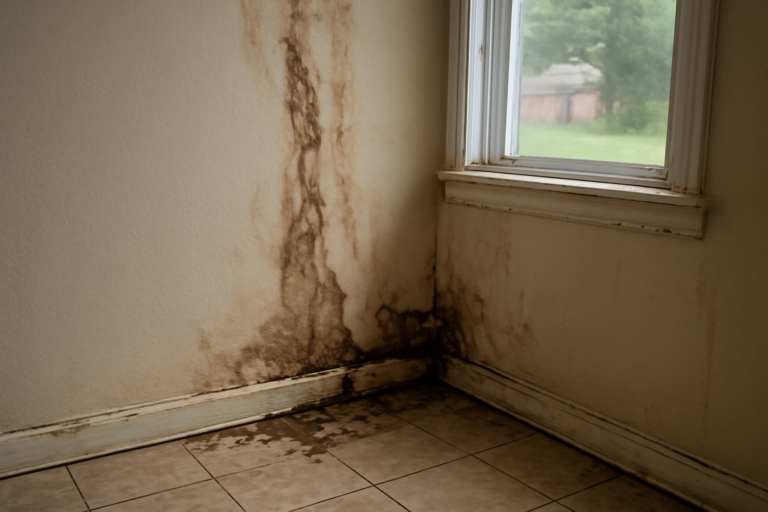
Look for brown or reddish-brown stains on basement walls, floors, or ceilings. These marks are clear indicators that water has been present, potentially for a long time, and has seeped into the materials. It suggests water intrusion that needs professional assessment.
Peeling or Bubbling Paint and Wallpaper
Moisture trapped behind paint or wallpaper can cause it to lose its adhesion, leading to unsightly peeling or bubbling. This is a direct result of water saturation and a sign that the materials are being compromised. It’s a clear signal of damp interior walls.
Warped or Rotting Wood in the Basement
Wooden structural elements, like support beams, floor joists, or subflooring, can warp, swell, or begin to rot when exposed to prolonged moisture. This is a serious structural concern that requires immediate attention from our expert restoration team.
Efflorescence on Concrete Walls
You might see white, powdery or crystalline deposits on your concrete basement walls. This is efflorescence, a sign that water is moving through the concrete and carrying dissolved salts to the surface as it evaporates. It indicates ongoing moisture penetration.
Damp or Wet Carpeting and Flooring
If your basement carpet feels spongy, is discolored, or if your hard flooring is lifting or warped, it’s a strong indicator of water damage underneath. This requires immediate extraction and drying to prevent mold and further damage. Addressing wet basement floors is a priority.
Basement Water Damage Restoration vs. DIY: When To Call a Professional
| Situation | DIY? | Call a Pro? | Why |
|---|---|---|---|
| Minor spill on concrete floor (less than 1 sq ft) | Yes | No | Easy to clean up with towels and fans. |
| Standing water from a burst pipe (covering half the basement) | No | Yes | Requires powerful extraction equipment and rapid drying protocols. |
| Slight dampness on one wall after heavy rain | Maybe | Yes | A pro can identify if it’s a recurring issue or just surface moisture. |
| Sewage backup into the basement | Absolutely Not | Yes | Biohazard risk and requires specialized containment and sanitization. |
| Water seeping through foundation cracks | No | Yes | Needs structural assessment and specialized sealing techniques. |
| Persistent musty smell, no visible water | No | Yes | Likely hidden mold growth requiring professional inspection and remediation. |
While small, isolated incidents might be manageable with DIY efforts, anything involving significant water volume, potential contamination, or structural compromise absolutely warrants professional intervention. Our team has the specialized equipment and knowledge to handle these complex situations safely and effectively.
Basement Water Damage Restoration Cost In Decatur, GA
The cost of basement water damage restoration in Decatur, GA, can vary widely. Factors like the total square footage affected, the depth of the water, the type of materials damaged, and the duration of the water exposure all play a role. These figures are estimates and a professional assessment is always needed for an accurate quote.
| Service | Typical Price Range | What Affects Cost |
|---|---|---|
| Water Extraction (per sq ft) | $0.50 – $2.00 | Depth of water and speed of service needed. |
| Structural Drying (per day, equipment rental) | $200 – $600 | Number and type of dehumidifiers and air movers required. |
| Moisture Testing and Assessment | $300 – $700 | Complexity of the basement and need for advanced tools like thermal cameras. |
| Containment Setup and Air Scrubbing | $400 – $1,200 | Size of the containment area and duration of use. |
| Mold Remediation (if necessary) | $500 – $3,000+ | Amount of mold growth and affected materials. |
| Minor Reconstruction (drywall, insulation) | $500 – $2,500 | Extent of structural damage and materials needed for repair. |
An on-site inspection is the only way to get a precise estimate tailored to your specific basement water damage situation. We offer free, no-obligation estimates to help you understand the scope of work and associated costs.
Service Areas Near Decatur, GA
Atlanta, Avondale Estates, Belvedere Park, Candler-McAfee, Chamblee, Clarkston, College Park, Conyers, Decatur, Doraville, Druid Hills, Dunwoody, East Atlanta, Ellenwood, Emory University, Forest Park, Gresham Park, Henderson Mill, Lilburn, Lithonia, Lovejoy, Marietta, Norcross, North Atlanta, North Druid Hills, Oakhurst, Panthersville, Pine Lake, Redan, Riverdale, Scottdale, Smyrna, Stone Mountain, Suwanee, Tucker, Union City, Vinings, West Atlanta, White Oak, Wildwood.
Common Questions About Basement Water Damage Restoration
How Long Does Basement Water Damage Restoration Take?
The timeline for basement water damage restoration can vary significantly, typically ranging from a few days to a couple of weeks. It depends heavily on the amount of water, how quickly we can begin the drying process, and the type of materials that were affected. We use advanced drying technology and continuous monitoring to speed up the process as much as safely possible, ensuring your basement is truly dry and free from moisture.
Will My Homeowners Insurance Cover Basement Water Damage?
Whether your homeowners insurance covers basement water damage depends on the cause of the water intrusion. Policies often cover sudden, accidental events like burst pipes or severe storms. However, gradual seepage, poor maintenance, or flooding from rising external water bodies might not be covered unless you have specific flood insurance. It’s always best to review your policy or contact your insurance provider directly. We can help document the damage for your claim, providing detailed reports and photos.
What Are the Health Risks of Basement Water Damage?
Untreated basement water damage can lead to significant health risks, primarily due to mold and mildew growth. Exposure to mold spores can cause allergic reactions, asthma attacks, respiratory problems, and other health issues, especially for children, the elderly, or those with compromised immune systems. Damp conditions can also attract pests. Prompt professional drying and remediation are crucial for preventing mold proliferation and ensuring a healthy home environment.
What Equipment Do You Use to Dry a Basement?
We utilize a range of specialized equipment for effective basement water damage restoration. This includes high-powered truck-mounted or portable water extractors for rapid water removal, industrial-grade dehumidifiers to pull moisture from the air and materials, and high-velocity air movers to create airflow and accelerate evaporation. We also use advanced moisture meters and thermal imaging cameras to accurately assess drying progress and ensure all hidden moisture is eliminated, providing a thorough drying service.
How Can I Prevent Future Basement Water Damage in Decatur, GA?
Preventing future basement water damage involves regular maintenance and proactive measures. Ensure your gutters and downspouts are clean and direct water at least 10 feet away from your foundation. Check for cracks in your foundation and seal them promptly. Maintain proper grading around your home so water flows away from the foundation. Consider installing a sump pump if you live in a high water table area. Regular inspections can help identify potential issues before they become major water problems.
Check Our Other Relevant Services

Jerry Johns is a licensed Damage Restoration Expert with over 20 years of hands-on experience helping homeowners and businesses navigate property crises. As a trusted authority in the field, Jerry combines technical precision with a compassionate approach to disaster recovery.
𝗖𝗲𝗿𝘁𝗶𝗳𝗶𝗰𝗮𝘁𝗶𝗼𝗻𝘀: Jerry holds multiple elite IICRC certifications, including Water Damage Restoration (WRT), Applied Microbial Remediation (Mold), Applied Structural Drying (ASD), Odor Control, and Fire and Smoke Restoration.
𝗙𝗮𝘃𝗼𝗿𝗶𝘁𝗲 𝗣𝗮𝘀𝘁𝗶𝗺𝗲: When he isn’t on a job site, Jerry is an avid outdoorsman who enjoys fly fishing and restoring vintage woodworking tools.
𝗕𝗲𝘀𝘁 𝗣𝗮𝗿𝘁 𝗼𝗳 𝘁𝗵𝗲 𝗝𝗼𝗯: Jerry finds the most fulfillment in seeing the relief on a client’s face when their property is finally restored to its pre-loss condition, turning a stressful disaster into a fresh start.