Trusted by 165+ Homeowners
Basement Water Damage Restoration in Duluth, GA
- Over 165 5-Star Reviews
- Free Estimates and Quotes
- 100% Satisfaction Guaranteed
- Child, Family & Pet Safe Steps
- 24-Hour Emergency Service
- Fully Licensed & Insured

When the Rains Come Down: Basement Water Damage Restoration in Duluth, GA
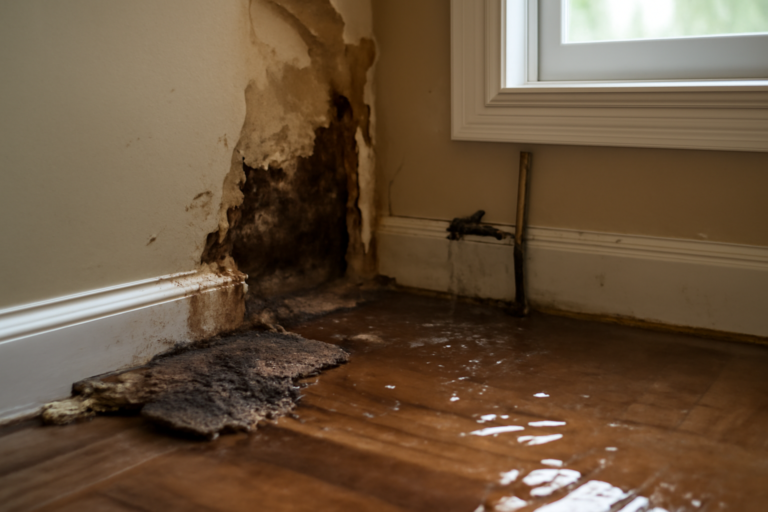
Here around Duluth, GA, we know our fair share of sudden downpours and the occasional lingering drizzle that can turn a dry basement into a soggy mess. Sometimes, it feels like the sky just opens up, right? That’s when your basement might start showing signs of trouble, whether it’s from heavy rains overwhelming drainage, a burst pipe, or even just high humidity levels causing condensation. Dealing with basement water can feel overwhelming, but it’s important to address it fast to prevent further property damage and potential mold growth. We’re here to help you get things back to normal.
Homeowners in your neighborhood trust us because we’ve helped hundreds of families recover from basement water issues. You’ve probably seen our 165+ five-star reviews; they reflect our commitment to getting the job done right, the first time. When your basement is flooded, you need a team that understands the local climate and how to tackle basement water intrusion effectively. We focus on restoring your home and giving you back your usable space.
- We don’t just pump out water; we focus on thorough drying and dehumidification to prevent secondary issues like mold and mildew that can affect your health.
- Our process includes identifying the source of the water to help prevent future problems from happening again.
- We handle everything from initial water extraction to complete structural drying, ensuring your basement is safe and healthy.
How Basement Water Damage Restoration Actually Works
Getting water out of your basement isn’t just about a wet vacuum. It requires a systematic approach to ensure all moisture is removed and your home’s structure is protected. Cutting corners here can lead to bigger, more expensive problems down the road, like weakened foundations and persistent mold. Our team follows a proven method, using specialized equipment to tackle even the most challenging basement water scenarios. We’ll explain what’s happening so you’re never in the dark about the restoration of your home.
Step 1: Initial Inspection and Water Assessment
First, we’ll carefully assess the situation in your basement. This involves identifying the type of water (e.g., clean, gray, or black water), locating the source of the leak or flooding, and determining the extent of the damage. We use moisture meters and visual checks to map out all affected areas, creating a plan for effective water removal. This initial step is crucial for tailoring the entire restoration process.
Step 2: Water Extraction
Once we understand the scope, we get to work removing the standing water. We use powerful, truck-mounted or portable water extraction units to quickly remove gallons of water from your basement. The faster we can extract the bulk of the water, the sooner we can start the drying process and minimize potential harm to your home’s materials. This stage is about rapid water removal.
Step 3: Structural Drying and Dehumidification
This is where the real magic happens. After extraction, hidden moisture remains within walls, floors, and materials. We deploy industrial-grade air movers and dehumidifiers to systematically dry out your basement. These machines work tirelessly to pull moisture from the air and surfaces, preventing warping, rot, and mold growth. It’s a critical phase for complete structural drying.
Step 4: Cleaning and Sanitizing
Water, especially if it wasn’t clean to begin with, can leave behind contaminants and odors. We thoroughly clean and sanitize all affected surfaces, including floors, walls, and any salvageable belongings. This step is vital for ensuring your basement is not only dry but also safe and healthy for your family. We use specialized cleaning agents to eliminate contaminants.
Step 5: Mold Prevention and Monitoring
As part of our drying process, we’re always on the lookout for potential mold growth. We take preventative measures and closely monitor the drying progress using specialized equipment. Our goal is to return your basement to its pre-loss condition, ensuring it’s a safe and dry space once again. We focus on long-term mold prevention.
Don’t let basement water linger. The sooner you call, the less damage we typically have to deal with. Reach out to our team for swift basement water response.

Warning Signs You Need Basement Water Damage Restoration
Catching basement water problems early can save you a lot of headaches and money. Sometimes, the signs are obvious, but other times, they’re subtle. Being aware of these indicators can help you act fast and prevent minor issues from becoming major disasters. Your basement is a vital part of your home’s structure, and early detection is key to protecting your investment.
Musty Odors That Won’t Go Away
If you notice a persistent damp, earthy smell in your basement, even when it hasn’t rained recently, it’s a strong indicator of hidden moisture. This smell often means mold or mildew is starting to grow behind walls or under the floor. Don’t just mask it; investigate the source.
Visible Water Stains or Discoloration
Look for dark spots, rings, or patches on your basement walls or floor. These stains mean water has been present, even if it has since dried up. They can appear on drywall, concrete, or wood and are a clear sign of past or ongoing water intrusion.
Peeling or Bubbling Paint and Wallpaper
Moisture trapped behind your wall finishes can cause them to lose adhesion. If you see paint flaking off or wallpaper starting to bubble or peel, especially near the floor or corners, water is likely wicking up the walls. This is a sign of significant moisture damage.
Cracks in Basement Walls or Foundation
While not always directly caused by water, new or widening cracks can be a symptom of hydrostatic pressure from saturated soil around your foundation. Water seeping through these cracks can then cause further damage and lead to flooding. It’s important to assess foundation integrity.
Warm or Damp Spots on Floors
If you notice certain areas of your basement floor feel unusually warm or damp to the touch, it could indicate a hidden leak from plumbing within the slab or a failing vapor barrier. This can lead to significant water buildup over time. Pay attention to unexpected temperature changes.
Condensation on Pipes or Walls
While some condensation is normal in humid environments, excessive or constant dripping on pipes, ductwork, or walls can point to a larger issue. It might mean your insulation isn’t working effectively or that there’s a persistent source of moisture contributing to the problem. This is a sign of high humidity levels.
Basement Water Damage Restoration vs. DIY: When To Call a Professional
| Situation | DIY? | Call a Pro? | Why |
|---|---|---|---|
| Minor spills or puddles from a single, easily fixed source (e.g., a tipped-over bucket). | Yes | No | You can typically clean this up yourself with towels and a wet vac. |
| Standing water more than an inch deep across a significant portion of the basement. | No | Yes | You need professional-grade equipment for effective extraction and drying. |
| Water intrusion from heavy rains or foundation cracks. | No | Yes | The source needs professional diagnosis and repair, and thorough drying is essential. |
| Suspected sewer backup or contaminated water (black water). | Absolutely Not | Yes | This poses serious health risks and requires specialized containment and cleaning. |
| After water has been present for more than 24-48 hours. | No | Yes | The risk of mold growth and structural damage increases dramatically. |
| You see or smell mold or mildew. | No | Yes | Mold remediation requires specific expertise and safety protocols. |
While you might be able to handle a tiny spill, anything more significant, especially involving standing water or potential contamination, is where professional help is absolutely necessary. Relying on DIY for larger basement water issues often leads to incomplete drying and hidden mold, creating bigger problems later. For serious water damage, professional intervention is your best bet.
Basement Water Damage Restoration Cost In Duluth, GA
The cost of basement water damage restoration in Duluth, GA, can vary quite a bit. Factors like how much water is there, how long it’s been sitting, the size of your basement, and the type of materials affected all play a role. These figures are general estimates, and a thorough inspection is needed for an exact quote. We aim to provide transparent pricing information.
| Service | Typical Price Range | What Affects Cost |
|---|---|---|
| Water Extraction | $500 – $2,000 | Amount of water, accessibility of the area, and speed of response. |
| Structural Drying (Air Movers & Dehumidifiers) | $700 – $3,500 | Size of the affected space, humidity levels, and duration of drying needed. |
| Cleaning & Sanitizing Affected Areas | $400 – $1,500 | Square footage treated, type of cleaning agents used, and level of contamination. |
| Mold Assessment and Prevention | $500 – $2,500 | Extent of potential mold, need for specialized testing, and preventative treatments applied. |
| Minor Structural Repairs (e.g., drywall replacement) | $300 – $1,000 per section | Amount of material needing replacement and complexity of the repair work. |
| Full Basement Water Damage Restoration Project | $2,500 – $10,000+ | Combination of all services, severity of damage, and time to complete the restoration. |
The best way to get an accurate cost for your specific situation is to schedule an on-site assessment. We offer free, no-obligation estimates for basement water damage concerns.
Service Areas Near Duluth, GA
We serve Duluth, GA, and the surrounding communities, including Suwanee, Johns Creek, Norcross, Peachtree Corners, Lawrenceville, Snellville, Lilburn, Tucker, Chamblee, Doraville, Sandy Springs, Alpharetta, Milton, Cumming, Buford, Sugar Hill, Flowery Branch, Oakwood, Gainesville, and Hoschton.
Common Questions About Basement Water Damage Restoration
My basement flooded after a storm, is this covered by my homeowner’s insurance?
Often, homeowner’s insurance policies cover sudden and accidental water damage, like from a burst pipe or a severe storm overwhelming drainage systems. However, damage from gradual seepage or lack of maintenance is usually excluded. It’s always best to check your specific policy and contact your insurance provider. We can help document the damage for your claim and start the restoration process.
How quickly do I need to address basement water damage?
You need to act immediately. Within 24-48 hours, mold and mildew can begin to grow, and structural damage can start to set in. The longer water sits, the more extensive and costly the repairs will be. We are available to respond quickly and begin the extraction and drying process to minimize harm to your home.
What are the health risks associated with basement water damage?
The primary health risk comes from mold and mildew growth, which can trigger allergies, asthma, and other respiratory problems. If the water is contaminated (e.g., from sewage backup), there are also risks of bacterial infections and other serious illnesses. Our team takes safety precautions and uses professional-grade disinfectants to ensure your basement is safe after restoration.
What kind of equipment do you use to dry out a basement?
We use specialized equipment that goes far beyond what you’d find at a rental store. This includes high-powered water extractors, industrial-grade dehumidifiers that remove moisture from the air, and powerful air movers that accelerate evaporation from surfaces. This combination is key to achieving thorough and efficient drying.
Can I prevent future basement water damage?
Yes, there are several preventive measures you can take. Regularly inspect your foundation for cracks, ensure your gutters and downspouts are clean and directing water away from your home, check sump pumps for proper function, and consider improving exterior drainage. Maintaining your home is the best way to prevent water intrusion.
Check Our Other Relevant Services
Serving Duluth, GA And Nearby Areas