Trusted by 165+ Homeowners
Basement Water Damage Restoration in Jefferson, GA
- Over 165 5-Star Reviews
- Free Estimates and Quotes
- 100% Satisfaction Guaranteed
- Child, Family & Pet Safe Steps
- 24-Hour Emergency Service
- Fully Licensed & Insured

When the Rain Won’t Stop: Basement Water Damage Restoration in Jefferson, GA
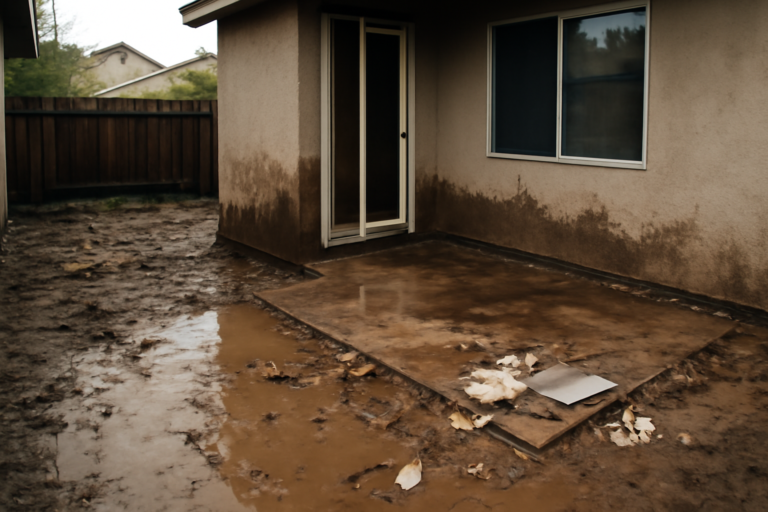
Here around Jefferson, GA, we know all about those heavy spring downpours and the occasional summer thunderstorm that can really soak the ground. Sometimes, all that moisture can find its way into your home, especially into your basement. It’s a frustrating situation, and it’s crucial to address it quickly to prevent long-term structural damage and avoid the growth of mold and mildew. We understand how overwhelming it can be to discover your basement has flooded, and our goal is to make the restoration process as straightforward as possible for you.
We’ve helped over 165 of your neighbors in the area recover from basement water issues, earning their trust with our dedicated approach. Homeowners choose us because we’re not just another restoration company; we’re part of this community, and we’re committed to providing effective water removal and drying services. Our goal is always to get your basement back to its pre-loss condition, often faster than you’d expect.
- We focus on thoroughly drying your basement to prevent secondary damage like rot and warping, ensuring your home’s foundation remains sound.
- Our team uses specialized equipment to extract every bit of standing water and moisture, which is critical for preventing mold growth and protecting your belongings.
- We take the time to identify the source of the water intrusion, helping you understand how to avoid future problems and potentially save on future repairs.
How We Tackle Basement Water Damage
Dealing with a wet basement isn’t just an inconvenience; it’s a serious issue that requires a methodical approach. When water sits, it can compromise your home’s structure and create unhealthy living conditions. That’s why our process is designed to be thorough and efficient, ensuring we address all the moisture, not just the visible puddles. We know what to look for and how to handle it, making sure we don’t miss anything that could cause problems down the line. It’s important to get it right the first time.
1. Initial Assessment and Water Extraction
The very first step is a detailed inspection to understand the extent of the water damage and identify the source. Once we’ve assessed the situation, our crews will begin the crucial task of removing all standing water. We use powerful truck-mounted and portable extraction units to pull out as much water as possible, often removing hundreds or even thousands of gallons. This stage typically takes anywhere from a few hours to a full day, depending on the volume of water.
2. Drying and Dehumidification
After the bulk of the water is gone, the real drying begins. This is where we bring in specialized equipment like industrial-strength air movers and dehumidifiers. These machines work tirelessly to pull moisture out of the air and materials like drywall, wood, and concrete. This process can take several days, sometimes up to a week or more, to ensure materials are dried to safe moisture content levels and to prevent further structural damage.
3. Cleaning and Sanitizing
Once everything is dry, we move on to cleaning. Water intrusion, especially from outside sources, can carry contaminants. We’ll thoroughly clean all affected surfaces, including walls, floors, and any salvageable items. We use EPA-registered cleaning agents to disinfect the area, eliminating any potential health hazards and that lingering musty smell. This step is vital for restoring a healthy indoor environment.
4. Mold Prevention and Control
Mold can start to grow in as little as 24-48 hours in damp conditions. Our drying process is designed to prevent this, but we also take extra steps. We’ll inspect for any signs of existing mold and treat affected areas. We also apply antimicrobial treatments to surfaces to inhibit future mold growth, giving you extra protection. Preventing mold is always better than remediation.
5. Restoration and Rebuilding
Depending on the severity of the damage, some materials may need to be replaced. This could involve repairing or replacing drywall, baseboards, flooring, or even addressing minor structural issues. Our goal is to return your basement to its original condition, or even better, ensuring it’s safe, dry, and comfortable again. We aim for a complete recovery of your space.
Don’t let water linger in your basement. The sooner you address the problem, the less damage you’ll likely face. Reach out to us now to get your basement dried out and restored, preventing costly future repairs.

Warning Signs You Need Basement Water Damage Restoration
It’s easy to overlook small signs of moisture in your basement, but catching them early can save you a lot of trouble and expense. These subtle indicators often mean water is already present and could be causing damage you can’t see. Paying attention to these signs can help you address issues before they become major problems requiring extensive restoration work.
Musty Odors That Won’t Go Away
That damp, earthy smell is often the first clue that mold or mildew is starting to grow. If you notice a persistent musty odor, especially after rain or a humid spell, it’s a strong indicator of moisture problems you shouldn’t ignore. It’s a sign of hidden moisture issues.
Visible Water Stains or Discoloration
Look for dark or discolored patches on your walls, ceilings, or floors. These stains are a clear sign that water has been present, and if left untreated, they can lead to material degradation and mold growth. These stains are visual proof of leaks.
Peeling or Bubbling Paint and Wallpaper
When moisture gets behind your paint or wallpaper, it causes the adhesive to fail, leading to peeling or bubbling. This is a direct result of water intrusion and can be a sign of more significant damage to the underlying materials. It indicates moisture behind surfaces.
Cracks in Basement Walls or Floors
While some minor settling cracks are normal, new or expanding cracks can indicate hydrostatic pressure from water in the soil outside your foundation. Water can seep through these cracks, leading to further damage and potential structural concerns. These cracks can be entry points for water.
Condensation on Pipes or Walls
Excessive condensation can mean high humidity levels in your basement, which can lead to mold and rot over time. If you’re seeing water droplets forming on your pipes or walls, it’s a sign that the air is too moist and needs drying. This is a sign of high humidity levels.
Warm Spots on the Floor
If you have radiant floor heating and notice a particular spot that’s much warmer than the rest, it could indicate a leak in the heating system pipes beneath the floor. This type of leak can cause significant water damage if not addressed quickly. A warm spot could mean underground pipe leaks.
Basement Water Damage Restoration vs. DIY: When To Call a Professional
| Situation | DIY? | Call a Pro? | Why |
|---|---|---|---|
| Small spill from a leaky pipe | Yes | No | Easy to clean up with towels and a fan, minimal risk. |
| Minor condensation on pipes | Yes | No | Often managed by improving ventilation or insulation. |
| A few inches of standing water after a minor flood | Maybe | Yes | Requires specialized drying equipment to prevent mold and structural damage. |
| Water coming through foundation cracks during heavy rain | No | Yes | Indicates hydrostatic pressure and potential foundation issues requiring professional assessment. |
| Sewage backup or contaminated water | Absolutely Not | Yes | Biohazard risk; requires specialized containment, cleaning, and sanitization protocols. |
| Persistent musty odors and visible mold growth | No | Yes | Mold can be a health hazard and requires professional remediation techniques. |
While small amounts of water might be manageable with DIY efforts, anything more significant, especially if it involves contaminated water or signs of mold, is where professional help becomes essential. Our team has the training and equipment to handle these situations safely and effectively, ensuring your home is properly restored and protected from future issues.
Basement Water Damage Restoration Cost In Jefferson, GA
The cost of basement water damage restoration in Jefferson, GA, can vary quite a bit. Factors like the amount of water, the size of the affected area, the type of materials damaged, and the time it takes to dry everything out all play a role. These figures are general estimates and a precise quote requires an on-site assessment.
| Service | Typical Price Range | What Affects Cost |
|---|---|---|
| Water Extraction (up to 500 sq ft) | $500 – $1,500 | Volume of water, accessibility of the area. |
| Structural Drying (using dehumidifiers/air movers) | $750 – $3,000 | Size of the space, how long drying takes, humidity levels. |
| Mold Inspection and Testing | $300 – $1,000 | Scope of the suspected mold growth, number of samples taken. |
| Antimicrobial Treatment | $200 – $750 | Square footage treated, type of product used. |
| Minor Drywall Repair/Replacement | $400 – $1,200 | Linear feet of wall affected, complexity of the repair. |
| Floor Drying and Cleaning (non-porous) | $300 – $1,000 | Square footage, type of flooring material. |
The best way to get an accurate understanding of the costs for your specific situation is to schedule a free estimate with our team. We’ll assess the damage and provide a detailed breakdown of the necessary work and associated costs.
Service Areas Near Jefferson, GA
We proudly serve Jefferson, GA, and many surrounding communities, including Athens, Braselton, Commerce, Hoschton, Jefferson, Lawrenceville, Lilburn, Loganville, Monroe, Nicholson, Oakwood, Pendergrass, Statham, Suwanee, Talmo, Winder, Auburn, Bethlehem, Bogart, Buford.
Common Questions About Basement Water Damage Restoration
What’s the first thing I should do if my basement floods?
If your basement floods, your immediate priority is safety. If the water is from a sewage backup or if there’s any electrical risk, turn off the power to that area if it’s safe to do so. Then, try to stop the water source if possible. For significant water intrusion, it’s best to call us right away to prevent further damage and ensure the situation is handled safely and effectively.
How long does basement water damage restoration usually take?
The timeline can vary greatly depending on the severity of the flooding. Simple water extraction and drying might take a few days, but if there’s extensive saturation or mold growth, it could take one to two weeks or longer. We work diligently to dry and restore your basement as quickly as possible, aiming for efficient water removal and structural drying.
Is basement water damage dangerous to my health?
Yes, it can be. Stagnant water can harbor bacteria and other contaminants, especially if it’s from a sewage backup. Furthermore, damp environments are breeding grounds for mold and mildew, which can trigger allergies and respiratory problems for many people. Our team uses health-conscious cleaning methods and sanitization to ensure your basement is safe.
What kind of equipment do you use for basement water damage restoration?
We utilize professional-grade equipment designed for maximum efficiency. This includes powerful truck-mounted and portable water extractors to remove standing water, industrial dehumidifiers to pull moisture from the air and materials, and high-speed air movers to accelerate the drying process. We also use moisture meters to ensure materials are dried to industry-standard dryness.
Can I prevent basement water damage?
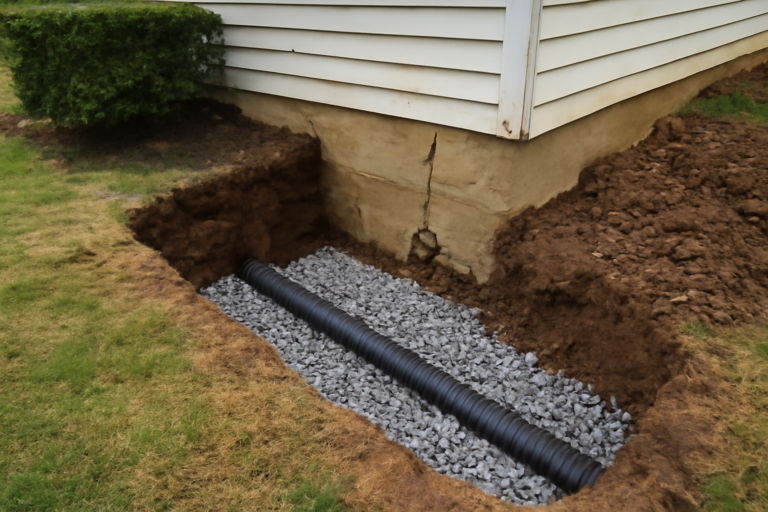
There are several preventative measures you can take. Ensure your gutters and downspouts are clean and directing water away from your foundation. Check that your sump pump is working correctly, and consider grading the soil around your home so it slopes away from the house. Regular inspections of your basement for small leaks or condensation can also help catch issues early, potentially avoiding major water events.
Check Our Other Relevant Services
- AC Unit Water Damage Restoration in Jefferson, GA
- Basement Water Damage Restoration in Clarkston, GA

Jerry Johns is a licensed Damage Restoration Expert with over 20 years of hands-on experience helping homeowners and businesses navigate property crises. As a trusted authority in the field, Jerry combines technical precision with a compassionate approach to disaster recovery.
𝗖𝗲𝗿𝘁𝗶𝗳𝗶𝗰𝗮𝘁𝗶𝗼𝗻𝘀: Jerry holds multiple elite IICRC certifications, including Water Damage Restoration (WRT), Applied Microbial Remediation (Mold), Applied Structural Drying (ASD), Odor Control, and Fire and Smoke Restoration.
𝗙𝗮𝘃𝗼𝗿𝗶𝘁𝗲 𝗣𝗮𝘀𝘁𝗶𝗺𝗲: When he isn’t on a job site, Jerry is an avid outdoorsman who enjoys fly fishing and restoring vintage woodworking tools.
𝗕𝗲𝘀𝘁 𝗣𝗮𝗿𝘁 𝗼𝗳 𝘁𝗵𝗲 𝗝𝗼𝗯: Jerry finds the most fulfillment in seeing the relief on a client’s face when their property is finally restored to its pre-loss condition, turning a stressful disaster into a fresh start.