Trusted by 165+ Homeowners
Basement Water Damage Restoration in McDonough, GA
- Over 165 5-Star Reviews
- Free Estimates and Quotes
- 100% Satisfaction Guaranteed
- Child, Family & Pet Safe Steps
- 24-Hour Emergency Service
- Fully Licensed & Insured

When Water Invades Your McDonough, GA Basement
If you’ve just discovered water in your basement, the first thing you should do is turn off the power to that area if it’s safe. Water and electricity are a dangerous combination, and many homeowners forget this crucial first step in their panic. Dealing with basement flooding in McDonough, GA, can feel overwhelming, but remember that swift action is key to minimizing damage. We understand how stressful it is to find your lower level flooded, and our priority is to help you get things back to normal as quickly as possible. You’re likely worried about the potential for mold growth and the overall structural impact, and we’re here to address those concerns with a clear, methodical approach.
You’ll find that many in your neighborhood trust our team for their urgent basement water damage needs, thanks to our consistent track record and dedication to getting it right the first time. We’ve earned over 165 five-star reviews from satisfied customers who appreciate our responsiveness and the thoroughness of our work. Homeowners choose us because we treat every property with the utmost care, recognizing that it’s not just a building, but your home. We aim to make this difficult experience as smooth as possible for you and your family, providing clear communication throughout the entire process.
- We specialize in rapidly extracting standing water from basements, preventing secondary damage like mold and structural weakening that can occur within hours.
- Our advanced drying and dehumidification techniques are designed specifically for the unique challenges of basement environments, ensuring all hidden moisture is removed.
- We handle the removal of damaged materials and implement odor control measures, leaving your basement clean, dry, and safe again.
How We Tackle Basement Water Damage
When water invades your basement, it’s not just about removing the visible water; it’s about a systematic approach to ensure your home is truly dry and protected from future issues. A rushed or incomplete job can lead to lingering moisture, creating a breeding ground for mold and compromising your home’s integrity. We follow a proven process, utilizing specialized equipment and techniques to address the root cause and restore your basement effectively. This means preventing long-term problems by dealing with the immediate threat head-on and ensuring a thorough restoration. You can count on us for a dependable restoration.
Emergency Water Extraction
The moment we arrive, our crews begin extracting any standing water using powerful truck-mounted or portable extraction units. This critical first step removes the bulk of the water, typically within the first few hours. We use high-capacity pumps and extraction tools to get as much water out as possible, minimizing saturation in your belongings and structural materials.
Thorough Drying and Dehumidification
Once standing water is gone, we set up industrial-grade air movers and dehumidifiers to speed up the drying process. This phase is crucial for pulling moisture out of the air and materials like drywall, wood, and concrete. We monitor humidity and temperature levels closely, often continuing this for several days to ensure complete moisture removal and prevent mold.
Sanitization and Odor Control
Water damage, especially from sources that aren’t clean, can leave behind unpleasant odors and potential health hazards. We use specialized antimicrobial treatments and deodorizers to sanitize affected areas and eliminate musty smells. This step is vital for creating a healthy living environment after the water is gone.
Structural Drying and Material Assessment
Our technicians carefully assess which building materials can be salvaged and which need to be removed and replaced. We focus on drying out all structural components, including subflooring and wall cavities, using techniques like controlled ventilation and heat. This ensures that no moisture remains hidden, which is key to long-term structural integrity.
Reconstruction and Finishing Touches
After your basement is thoroughly dried and sanitized, we can assist with any necessary reconstruction. This might include replacing drywall, insulation, or flooring that was damaged beyond repair. Our goal is to return your basement to its pre-loss condition, or even better, with quality craftsmanship.
Don’t let basement water damage sit. The sooner you call, the more we can do to protect your home. Reach out to us immediately for rapid emergency response.

Warning Signs You Need Basement Water Damage Restoration
Catching basement water issues early can save you a lot of money and prevent more extensive damage to your home. Many homeowners don’t realize how quickly water can cause problems. Ignoring even small signs can lead to bigger, more costly repairs down the road, including significant mold infestations. It’s important to be aware of what to look for, even if you think everything is fine. Recognizing these signals means you can take proactive steps to protect your property.
Musty Odors That Won’t Go Away
A persistent, damp, or mildewy smell in your basement is often the first indicator of hidden moisture. This smell is usually caused by mold or mildew growing behind walls or under floors. If you notice this unpleasant smell, it’s a clear sign that water is present and causing problems.
Visible Water Stains or Discoloration
Look for dark or discolored patches on walls, ceilings, or floors. These stains indicate where water has seeped in and saturated the materials. Even if the water is no longer visible, these marks show that a water event has occurred and may still be affecting the structure.
Peeling or Bubbling Paint and Wallpaper
Moisture trapped behind paint or wallpaper can cause it to blister, peel, or bubble away from the surface. This is a visual cue that the underlying materials are damp. It’s a strong indicator of water intrusion that needs immediate attention.
Warped or Softened Drywall
If your drywall feels soft to the touch or you notice it bulging or sagging, it’s likely saturated with water. This means the drywall has absorbed significant moisture and is compromised. This is a critical sign that structural damage is occurring.
Mold or Mildew Growth
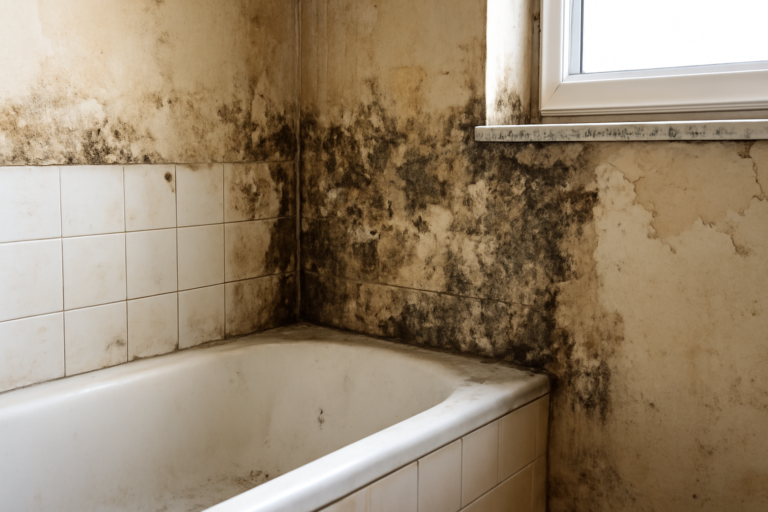
Any visible signs of mold, whether it’s black, green, or white fuzzy patches, are a serious warning. Mold thrives in damp environments like basements and can spread quickly. It not only damages your home but also poses significant health risks.
Cracks in the Foundation or Walls
While not always directly caused by water, new or expanding cracks in your foundation or basement walls can allow water to enter. If you notice moisture seeping from these cracks, it’s a direct pathway for water damage. Addressing these cracks is crucial for preventing future leaks.
Basement Water Damage Restoration vs. DIY: When To Call a Professional
| Situation | DIY? | Call a Pro? | Why |
|---|---|---|---|
| Minor condensation on pipes | Yes, monitor and insulate pipes. | No, unless persistent. | Easily managed, usually not a major issue. |
| Small spill from a washing machine hose break | Yes, for immediate cleanup of surface water. | Yes, if water has soaked into walls or subfloor. | DIY is fine for surface spills, but hidden moisture requires specialized drying. |
| Flooding from a sewage backup | Absolutely Not. | Absolutely Yes. | Sewage contains dangerous pathogens and requires professional containment and sanitization. |
| Water intrusion from heavy rain through a small crack | Yes, for initial mopping and containment if very minor. | Yes, if water is significant or recurring. | DIY can only address surface water; professionals can seal the source and dry thoroughly. |
| Persistent dampness or musty odors | No. | Yes. | These indicate hidden moisture and potential mold growth that DIY methods can’t effectively address. |
| Widespread flooding from a burst pipe or sump pump failure | No. | Yes. | The volume of water requires industrial equipment for rapid extraction and drying to prevent extensive damage. |
While minor spills can sometimes be handled with DIY efforts, any significant water intrusion, persistent dampness, or signs of mold mean it’s time to call us. Our team has the specialized equipment and training to tackle these issues effectively, ensuring your basement is truly restored and protected. Relying on professionals prevents costly long-term damage and health hazards.
Basement Water Damage Restoration Cost In McDonough, GA
The cost for basement water damage restoration in McDonough, GA, can vary significantly based on the extent of the water intrusion, the size of your basement, and the types of materials affected. These price ranges are estimates and should not be considered a final quote. A thorough on-site assessment by our team will provide you with a more accurate understanding of the total restoration cost. Factors like the source of the water and the complexity of the drying process also play a role in the final price, impacting the investment in your home.
| Service | Typical Price Range | What Affects Cost |
|---|---|---|
| Emergency Water Extraction | $500 – $2,500 | Volume of water, size of basement, and accessibility. |
| Structural Drying & Dehumidification | $1,000 – $5,000 | Duration of drying, number of dehumidifiers and air movers needed, and size of the area. |
| Mold Remediation (if applicable) | $1,000 – $6,000+ | Severity and spread of mold growth, containment procedures, and type of materials affected. |
| Sanitization & Odor Removal | $300 – $1,500 | Size of the affected area and the type of sanitizing agents required. |
| Material Removal & Disposal | $200 – $1,000 per room | Amount of damaged material (e.g., drywall, carpet, insulation) and disposal fees. |
| Minor Reconstruction | $500 – $5,000+ | Scope of repairs, including drywall, flooring, painting, and electrical work. |
It’s important to remember that these are just estimates, and the most accurate pricing comes from a professional on-site inspection. We offer free, no-obligation estimates to give you a clear picture of what to expect for your specific situation. Don’t delay; getting a professional assessment is the first step toward a complete restoration.
Service Areas Near McDonough, GA
Stockbridge, Locust Grove, Hampton, Jackson, Griffin, Jonesboro, Riverdale, Fayetteville, Forest Park, Lovejoy, Morrow, Ellenwood, Rex, Conley, Lake City, Irondale, Tyrone, Peachtree City, Newnan, Atlanta.
Common Questions About Basement Water Damage Restoration
What should I do immediately after discovering water in my basement?
Your immediate priority is safety. If it’s safe to do so, turn off the electricity to the basement to prevent electrical hazards. Avoid walking through standing water if possible. Then, call us immediately. We’ll guide you through the next steps and dispatch our emergency response team to your property. Acting quickly is crucial for minimizing damage and preventing further issues like mold growth.
How long does the basement water damage restoration process typically take?
The timeline varies greatly depending on the severity of the water damage. Minor flooding might be resolved in 2-3 days, while extensive flooding can take a week or more. The drying and dehumidification phase is the most time-consuming, often requiring specialized equipment to run continuously. We focus on thoroughness, ensuring your basement is completely dry before we finish, which means efficient but complete restoration.
Is basement water damage a health hazard?
Yes, basement water damage can pose significant health risks, especially if the water is contaminated or if mold begins to grow. Stagnant water can harbor bacteria, and mold spores can trigger allergies, asthma, and other respiratory problems. Our team uses specialized antimicrobial treatments to sanitize the area and prevent mold growth, ensuring a safe living environment.
What kind of equipment do you use for basement water extraction and drying?
We use professional-grade equipment, including high-powered truck-mounted and portable water extractors for efficient water removal. For drying, we deploy industrial dehumidifiers and high-speed air movers designed to accelerate evaporation and remove moisture from the air and building materials. We also utilize moisture meters to detect hidden water and ensure complete dryness.
How can I prevent future basement water damage?
Regular maintenance is key. Ensure your gutters and downspouts are clear and directing water away from your foundation. Check your sump pump regularly and consider a battery backup. Seal any cracks in your foundation walls. If you live in an area prone to heavy rain or have experienced issues before, it’s wise to have a preventative inspection.
Check Our Other Relevant Services

Jerry Johns is a licensed Damage Restoration Expert with over 20 years of hands-on experience helping homeowners and businesses navigate property crises. As a trusted authority in the field, Jerry combines technical precision with a compassionate approach to disaster recovery.
𝗖𝗲𝗿𝘁𝗶𝗳𝗶𝗰𝗮𝘁𝗶𝗼𝗻𝘀: Jerry holds multiple elite IICRC certifications, including Water Damage Restoration (WRT), Applied Microbial Remediation (Mold), Applied Structural Drying (ASD), Odor Control, and Fire and Smoke Restoration.
𝗙𝗮𝘃𝗼𝗿𝗶𝘁𝗲 𝗣𝗮𝘀𝘁𝗶𝗺𝗲: When he isn’t on a job site, Jerry is an avid outdoorsman who enjoys fly fishing and restoring vintage woodworking tools.
𝗕𝗲𝘀𝘁 𝗣𝗮𝗿𝘁 𝗼𝗳 𝘁𝗵𝗲 𝗝𝗼𝗯: Jerry finds the most fulfillment in seeing the relief on a client’s face when their property is finally restored to its pre-loss condition, turning a stressful disaster into a fresh start.