Trusted by 165+ Homeowners
Basement Waterproofing in Senoia, GA
- Over 165 5-Star Reviews
- Free Estimates and Quotes
- 100% Satisfaction Guaranteed
- Child, Family & Pet Safe Steps
- 24-Hour Emergency Service
- Fully Licensed & Insured

Expert Basement Waterproofing Services in Senoia, GA
We’ve seen our share of damp basements around Senoia, GA. Our team understands the unique challenges homeowners face, from the humid Georgia air to the specific soil types that can lead to water intrusion. You’re not alone if you’re dealing with basement moisture. We’ve helped countless families secure their homes against water damage, often dealing with persistent musty smells and visible signs of leaks. It’s a problem we tackle head-on, ensuring your foundation stays dry and your living space remains healthy.
With over 165 five-star reviews from neighbors just like you, our local crews are consistently chosen for their reliable basement waterproofing. Homeowners trust us because we explain everything clearly and deliver lasting results. You’ll find our approach is focused on solving your specific water problem, not just applying a quick fix. We believe in doing the job right the first time, so you can count on a dry and protected home for years to come.
- We install robust interior drainage systems designed to capture and redirect water before it can affect your living space.
- Our exterior waterproofing methods create a powerful barrier against groundwater, preventing leaks at the foundation walls.
- We offer specialized solutions for foundation crack repair, sealing off entry points for moisture and protecting your home’s structural integrity.
How Our Basement Waterproofing Process Protects Your Home
A dry basement is crucial for your home’s health and value. That’s why our team follows a meticulous process for every basement waterproofing project. Cutting corners here can lead to recurring problems, wasted money, and potential structural damage. We take the time to assess your unique situation, identify the source of water intrusion, and implement the most effective, long-term waterproofing strategy. You’ll appreciate our detailed inspection reports and our commitment to using high-quality, proven materials.
1. Initial Assessment and Diagnosis
Our experienced technicians will thoroughly inspect your basement, including the foundation walls, floor, and any existing drainage systems. We’ll identify the exact points of water entry and assess the overall condition of your foundation. This step usually takes about 1-2 hours, depending on the complexity of your property. We’re looking for any signs of moisture and the underlying causes.
2. Customized Waterproofing Plan
Based on our findings, we’ll develop a personalized waterproofing plan tailored to your home’s specific needs. This might involve interior drainage, exterior membranes, crack sealing, or a combination of methods. You’ll receive a clear explanation of the proposed work and a detailed estimate. We aim to provide a cost-effective, permanent solution.
3. Preparation and Site Setup
Before any work begins, our crews will prepare the work area, protecting your belongings and ensuring a safe environment. We’ll set up necessary equipment and make sure the site is ready for the waterproofing installation. This phase ensures minimal disruption to your home and efficient execution of the plan.
4. Installation of Waterproofing Systems
This is where the magic happens. Whether we’re installing an interior perimeter drain, applying an exterior waterproofing membrane, or sealing foundation cracks, our certified technicians use specialized tools and techniques. The installation time can vary from 1-3 days, depending on the scope of work. We focus on precision and durability with every component we install.
5. Final Inspection and Cleanup
Once the waterproofing system is installed, we conduct a final inspection to ensure everything is working correctly and meets our high standards. We’ll then clean up the work area thoroughly, leaving your basement tidy and protected. You can expect a fully functional waterproofing system and a clean space. We confirm your complete satisfaction before we leave.
Don’t let basement moisture undermine your home’s value and comfort. Contact us today for a professional assessment and a lasting waterproofing solution. We’re ready to help you secure your foundation and enjoy a dry basement.

Warning Signs You Need Basement Waterproofing
Catching the early signs of basement water intrusion can save you significant money and prevent more serious structural issues down the line. Ignoring these signals can lead to mold growth, damaged belongings, and a compromised foundation. Pay attention to what your basement is telling you, and seek professional advice if you notice any of these common indicators. Early detection is key to effective and affordable repairs.
Musty Odors That Won’t Go Away
A persistent damp or musty smell in your basement is often the first sign that moisture is present, even if you can’t see it. This smell comes from mold and mildew that thrive in dark, humid environments. Ignoring it can lead to poor indoor air quality and potential health issues.
Visible Water Stains or Discoloration
Look for dark spots, rings, or general discoloration on your basement walls or floor. These stains indicate that water has been seeping through the concrete. They are a clear sign of active water intrusion that needs immediate attention.
Cracks in Basement Walls or Floor
While some minor concrete cracks are normal, larger or actively growing cracks can be pathways for water. If you notice new cracks or existing ones widening, it’s a serious concern. These can allow significant amounts of water to enter your basement, leading to foundation instability.
Efflorescence on Walls
Efflorescence appears as a white, powdery residue on concrete surfaces. It’s caused by water dissolving salts within the concrete and then evaporating, leaving the salts behind. This is a direct indicator of moisture moving through your foundation.
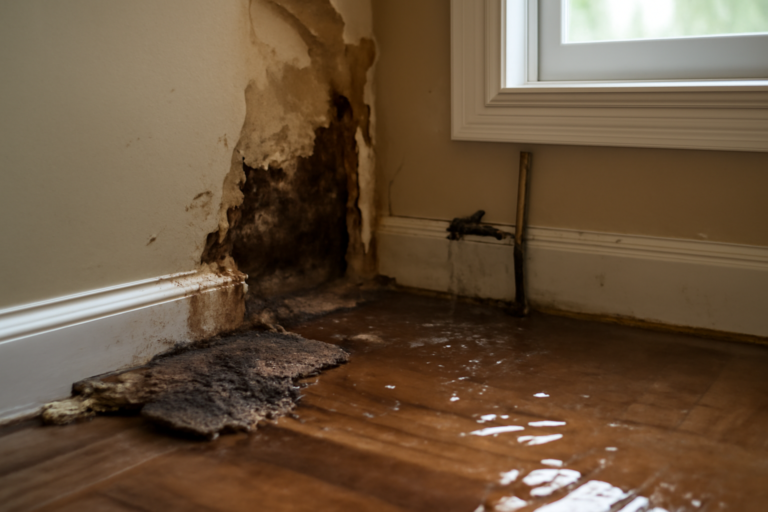
Peeling Paint or Bubbling Drywall
If paint is peeling or drywall is bubbling near the floor in your basement, it’s a strong sign that moisture is getting behind the surface. This can lead to damage to the building materials and create a breeding ground for mold. It shows a serious moisture problem that needs fixing.
High Humidity Levels
Even without visible leaks, a basement that feels consistently damp or humid is problematic. High humidity can lead to condensation on pipes and surfaces, promoting mold growth and damaging stored items. It signifies that moisture control is lacking.
Basement Waterproofing vs. DIY: When To Call a Professional
| Situation | DIY? | Call a Pro? | Why |
|---|---|---|---|
| Minor condensation on pipes | Yes, often manageable with good ventilation and dehumidifiers. | No, usually not required unless it’s a symptom of a larger issue. | Addresses the symptom, not the underlying cause if it’s more serious. |
| Small, hairline cracks in concrete floor | Maybe, with appropriate epoxy or concrete sealants. | Yes, if cracks are spreading, deep, or accompanied by water. | DIY sealants may not hold against water pressure; professional methods are more robust. |
| Slight musty smell, no visible water | Try a dehumidifier and air fresheners first. | Yes, if the smell persists or worsens. | The smell indicates mold/mildew, which requires professional assessment and remediation. |
| Water seeping through a foundation wall seam | No, this is a significant entry point. | Yes, definitely. | Requires specialized interior or exterior waterproofing techniques to stop effectively. |
| Standing water after heavy rain | No, this is an emergency situation. | Yes, immediately. | Indicates a failure in your current drainage or foundation integrity, needing urgent professional attention. |
| Recurring dampness despite dehumidifier use | No, the dehumidifier is masking a deeper problem. | Yes, investigate the root cause. | Suggests water is actively entering the basement from outside or below. |
While minor condensation or a small floor crack might be handled with a DIY approach, anything involving actual water intrusion, significant cracks, or persistent dampness warrants professional attention. Our team has the expertise and equipment to diagnose the true source of the problem and implement long-lasting waterproofing solutions. Trusting the job to us ensures proper installation and effective results.
Basement Waterproofing Cost In Senoia, GA
The cost of basement waterproofing in Senoia, GA, can vary significantly based on the extent of the water intrusion, the size of your basement, and the specific methods required. These price ranges are estimates to help you plan. A thorough on-site inspection is necessary for an accurate quote. We aim to provide transparent pricing for your protection needs.
| Service | Typical Price Range | What Affects Cost |
|---|---|---|
| Interior Drainage System Installation | $2,500 – $8,000 | Length of perimeter, complexity of excavation, type of sump pump. |
| Exterior Waterproofing Membrane Application | $5,000 – $15,000+ | Depth of excavation, soil conditions, foundation size, and type of membrane. |
| Foundation Crack Repair (per crack) | $300 – $1,000 | Size and depth of the crack, material used (epoxy, polyurethane). |
| Sump Pump Installation/Replacement | $500 – $2,500 | Type of pump (standard, battery backup), electrical work required. |
| Mold Remediation (if present) | $1,000 – $5,000+ | Severity of mold growth, area affected, containment needs. |
| Moisture and Humidity Control (Dehumidifiers) | $300 – $1,500 | Size and capacity of the unit, installation complexity. |
These figures provide a general idea, but a personalized estimate is crucial for understanding the exact investment for your property. We offer free, no-obligation estimates to give you a clear picture of the costs involved. Let our team provide a detailed assessment for your peace of mind.
Service Areas Near Senoia, GA
Tyrone, Fayetteville, Peachtree City, Brooks, Sharpsburg, Newnan, Palmetto, Riverdale, Hampton, McDonough, Stockbridge, Locust Grove, Griffin, Jackson, Jonesboro, Lovejoy, Morrow, Conley, Forest Park, Lovejoy.
Common Questions About Basement Waterproofing
What’s the biggest risk of not waterproofing my basement?
The biggest risk is significant structural damage to your home’s foundation over time. Water intrusion can weaken concrete, cause rebar to rust, and lead to costly repairs. It also creates an ideal environment for mold and mildew growth, which can harm your health and damage stored belongings. Our team helps prevent these long-term structural problems.
How long does a typical basement waterproofing project take?
The timeline varies greatly depending on the scope of work. A simple crack repair might take a few hours, while installing an interior or exterior drainage system can take 1-3 days. Our technicians work efficiently to complete the job promptly, ensuring minimal disruption to your home. We’ll provide an estimated timeline during your initial assessment.
Will my homeowner’s insurance cover basement waterproofing?
Typically, standard homeowner’s insurance policies do not cover preventative basement waterproofing or repairs from general water seepage. However, if the water damage is sudden and accidental, such as from a burst pipe or a severe storm causing a specific breach, some coverage might apply. We recommend checking your specific policy and can provide documentation to assist with any claims related to covered water damage events.
How do I know if I need interior or exterior waterproofing?
The best method depends on the source and severity of the water problem. Exterior waterproofing is generally more effective at stopping water at the foundation wall but is more invasive and costly. Interior drainage systems are often a more practical and affordable solution for managing water that enters the basement. Our technicians perform a thorough inspection to determine the most effective strategy for your property.
What’s the difference between a sump pump and a dehumidifier for basement moisture?
A sump pump is designed to remove standing water that has already entered the basement. A dehumidifier, on the other hand, removes moisture from the air to prevent condensation and reduce overall humidity. Both play a role in basement health, but a sump pump addresses active water intrusion while a dehumidifier manages ambient moisture. We can advise on the right system for your needs.
Check Our Other Relevant Services
Serving Senoia, GA And Nearby Areas