Trusted by 165+ Homeowners
Bathroom Water Damage Restoration in Sugar Hill, GA
- Over 165 5-Star Reviews
- Free Estimates and Quotes
- 100% Satisfaction Guaranteed
- Child, Family & Pet Safe Steps
- 24-Hour Emergency Service
- Fully Licensed & Insured

Don’t Let a Small Leak Become a Big Problem: Bathroom Water Damage Restoration in Sugar Hill, GA
It’s easy to overlook a tiny drip under your sink or behind the toilet, thinking it’s just a minor annoyance. But here in Sugar Hill, GA, we know that even small amounts of water can cause significant damage to your bathroom if not addressed immediately. You might notice a slight discoloration on your ceiling or a spongy feeling underfoot, and those are often the first signs that something more serious is happening. Acting fast is key to preventing mold growth and structural issues. We’ve seen it happen too many times: a small problem that becomes a huge headache because it was ignored for too long. Don’t wait for the damage to spread.
Homeowners around here trust our team because we understand the urgency of bathroom water issues. With over 165 five-star reviews from your neighbors, you can see that we’re committed to getting your bathroom back to normal, quickly and effectively. We’re not just about fixing the visible problem; we focus on the hidden moisture that can cause long-term issues. Trust your local experts when you need reliable Bathroom Water Damage Restoration. You’ll appreciate our detailed inspection process and clear communication.
- We specialize in the careful drying and restoration of your bathroom’s unique materials, from delicate drywall to moisture-sensitive flooring, ensuring everything is returned to its pre-loss condition.
- Our rapid response team is equipped with advanced moisture meters and dehumidifiers to extract water and halt mold growth within hours, not days, protecting your home’s health and integrity.
- We tackle the invisible threats, using professional-grade equipment to locate and remove all hidden moisture, preventing future problems like rot and structural weakening that can occur with improper drying.
How We Tackle Bathroom Water Damage
When water invades your bathroom, a structured and swift approach is absolutely critical. It’s not just about removing standing water; it’s about carefully drying every affected surface and material to prevent secondary damage like mold or warping. Skipping steps or using the wrong equipment can lead to more extensive and expensive repairs down the line. You need a team that knows exactly what to do, and when. Our systematic process is designed to be thorough and efficient, giving you back your bathroom without unnecessary delays. We’ve developed this method over years of helping people in your situation. Your home’s safety depends on it.
Initial Water Extraction
The very first step is to remove all visible standing water. We use powerful truck-mounted or portable extraction units to pull water from floors, carpets, and even subfloors. This stage is crucial for stopping the damage from spreading further. We typically complete this within the first few hours, depending on the volume of water. Swift water removal is our top priority.
Structural Drying and Dehumidification
Once the bulk of the water is gone, we set up specialized drying equipment, including high-volume air movers and industrial dehumidifiers. These machines work tirelessly to lower the humidity levels in your bathroom and surrounding areas, pulling moisture out of materials like wood, drywall, and insulation. This process can take several days, monitored closely with moisture meters. Controlled drying environments are essential for preventing mold.
Moisture Detection and Assessment
Our technicians use advanced tools like infrared cameras and penetrating moisture meters to find any hidden moisture that isn’t visible to the naked eye. This ensures we address all affected areas, even within walls or under tiles. This detailed assessment usually happens during the first 24 hours after our arrival. Finding hidden moisture prevents future problems.
Containment and Protection
To prevent cross-contamination and keep the drying process focused, we often set up containment barriers. This is especially important if materials need to be removed or if there’s a risk of airborne mold spores. This step is usually completed concurrently with extraction and drying. Containing the affected area is a key safety measure.
Reconstruction and Restoration
After everything is thoroughly dried and tested, we begin the reconstruction phase. This can involve replacing damaged drywall, subflooring, or trim. Our goal is to make your bathroom look and feel as if the water damage never happened. The duration of this phase varies greatly depending on the extent of the damage. Restoring your bathroom to its original state is our ultimate goal.
Don’t let water damage linger. Contact us immediately if you suspect a problem in your bathroom. We’re ready to help you secure your home and get things back to normal.

Warning Signs You Need Bathroom Water Damage Restoration
Catching bathroom water damage early is vital for saving money and preventing more serious issues like structural rot and unhealthy mold growth. Ignoring small signs can lead to much bigger, more expensive problems later on. Pay attention to what your bathroom is telling you. Early detection saves your home and your wallet.
Musty Odors That Won’t Go Away
A persistent, damp, or musty smell in your bathroom, especially when there’s no visible water, is a strong indicator of hidden moisture. This odor often means mold is already starting to grow behind walls or under flooring. Investigate strange smells immediately.
Discolored or Peeling Paint and Wallpaper
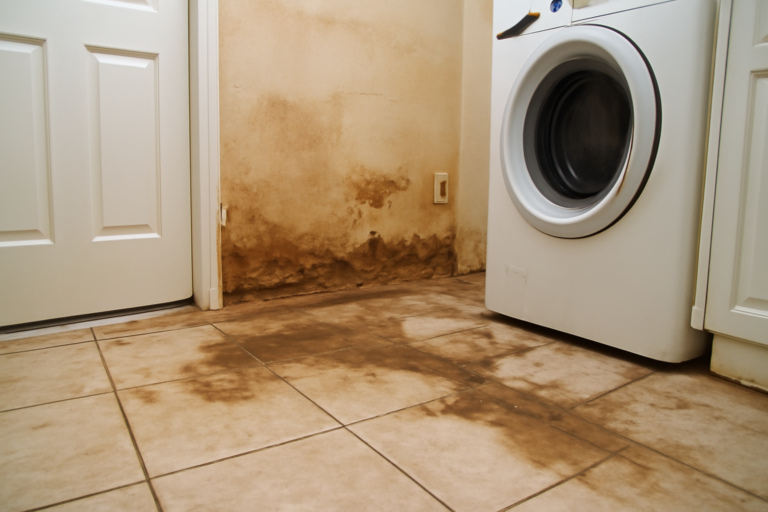
Water seeping behind your paint or wallpaper will cause it to blister, bubble, or peel away from the surface. You might also see unsightly water stains or discoloration. This is a clear sign that moisture is intruding. Look for water stains and peeling.
Soft or Spongy Flooring
If your bathroom floor feels soft, spongy, or gives way slightly when you walk on it, the subfloor beneath may be saturated with water. This can compromise the structural integrity of your floor. Test your flooring for softness.
Cracked or Warped Tiles
Water getting under your bathroom tiles can cause the grout to degrade and the tiles themselves to crack or warp. This is often due to moisture weakening the adhesive or subfloor. Examine your tile grout for cracks.
Sagging Ceilings or Walls
If you notice sagging or drooping in your bathroom ceiling or walls, it’s a serious sign that water has saturated the materials and is weighing them down. This requires immediate attention. Check for sagging areas urgently.
Unexplained Dampness or Puddles
Any unexplained dampness on the floor, walls, or around fixtures, even if it’s just a small puddle, means water is escaping somewhere it shouldn’t be. Don’t assume it will dry on its own. Address any puddles promptly.
Bathroom Water Damage Restoration vs. DIY: When To Call a Professional
| Situation | DIY? | Call a Pro? | Why |
|---|---|---|---|
| Minor spill on tile floor | Yes, with towels and fans. | No. | Easy to clean up and dry quickly yourself. |
| Leaking toilet base | Maybe, for a temporary fix. | Yes. | Hidden water can cause subfloor damage quickly. |
| Burst pipe under sink | No. | Yes. | Requires immediate, high-volume water extraction and professional drying. |
| Shower pan leak causing ceiling damage below | No. | Yes. | Involves structural drying, mold prevention, and potential reconstruction. |
| Slow, constant drip from shower head | Monitor and tighten fixture. | Yes, if it persists. | Even slow leaks can cause significant hidden damage over time. |
| Water stains on ceiling | No. | Yes. | Indicates a leak from the floor above that needs professional assessment and repair. |
While small, superficial spills can often be managed with quick DIY cleanup, any situation involving hidden moisture, structural concerns, or potential mold growth absolutely requires professional intervention. Professional assessment is key to ensuring all damage is found and properly remediated. Let our trained technicians handle the complexities.
Bathroom Water Damage Restoration Cost In Sugar Hill, GA
The cost for Bathroom Water Damage Restoration in Sugar Hill, GA can vary widely. Factors like the extent of the water damage, the size of the affected bathroom, and the type of materials damaged all play a role. These figures are estimates to give you an idea of potential costs. Understanding cost factors helps you budget.
| Service | Typical Price Range | What Affects Cost |
|---|---|---|
| Water Extraction | $300 – $1,500 | Amount of water, accessibility, and speed of response. |
| Structural Drying (Dehumidification & Air Movers) | $500 – $3,000 | Size of the space, duration of drying needed, and humidity levels. |
| Moisture Assessment & Testing | $200 – $600 | Complexity of the area and need for advanced equipment. |
| Mold Prevention/Treatment | $400 – $2,000 | Size of the area and type of treatment required. |
| Containment Setup | $200 – $800 | Size of the area to be contained and complexity of barriers. |
| Minor Reconstruction (Drywall, Trim) | $500 – $3,000+ | Amount of material needed and labor involved. |
These are general ranges, and an accurate estimate can only be provided after a thorough on-site inspection by our team. We offer free, no-obligation estimates for your convenience.
Service Areas Near Sugar Hill, GA
Buford, Suwanee, Lawrenceville, Cumming, Johns Creek, Duluth, Norcross, Alpharetta, Lilburn, Snellville, Tucker, Roswell, Sandy Springs, Marietta, Dunwoody, Chamblee, Atlanta, Acworth, Kennesaw, Cartersville.
Common Questions About Bathroom Water Damage Restoration
My bathroom is wet, but I don’t see any mold. Is it still a problem?
Absolutely. Even without visible mold, standing water or high humidity creates the perfect environment for mold spores to multiply rapidly. If you’ve had a leak or spill, professional drying is essential to prevent mold from taking hold. Our team uses specialized equipment to detect and eliminate hidden moisture before mold can even start.
How quickly do I need to call for Bathroom Water Damage Restoration after a leak?
The sooner, the better. Many types of mold can start to grow within 24-48 hours. The longer water sits, the more it saturates building materials, leading to structural damage and increasing the risk of mold. Immediate action minimizes damage and costs. We offer 24/7 emergency response to address your needs promptly.
Will my homeowner’s insurance cover Bathroom Water Damage Restoration?
In most cases, homeowner’s insurance policies cover water damage caused by sudden and accidental events like burst pipes or appliance malfunctions. However, they typically do not cover damage from slow leaks or lack of maintenance. It’s always best to contact your insurance provider and our team to understand your coverage. We can work with your adjuster to ensure proper documentation.
What kind of equipment do you use to dry out my bathroom?
We use a variety of professional-grade tools, including high-speed air movers to circulate air, industrial dehumidifiers to remove moisture from the air, and specialized moisture meters to detect dampness in walls, floors, and materials. We also use infrared cameras to find hidden water. Advanced drying technology ensures thorough remediation.
How can I prevent water damage in my bathroom in the future?
Regular maintenance is key. Consistently check for leaks under sinks and around toilets, ensure grout and caulk are in good condition, and address any dripping faucets promptly. Proper ventilation can also help reduce humidity. If you notice any recurring issues, it’s wise to have a professional inspect your bathroom for potential problems. Preventative measures save you from future headaches.
Check Our Other Relevant Services
- Basement Water Damage Restoration in Sugar Hill, GA
- Antimicrobial Treatment Services in Sugar Hill, GA

Jerry Johns is a licensed Damage Restoration Expert with over 20 years of hands-on experience helping homeowners and businesses navigate property crises. As a trusted authority in the field, Jerry combines technical precision with a compassionate approach to disaster recovery.
𝗖𝗲𝗿𝘁𝗶𝗳𝗶𝗰𝗮𝘁𝗶𝗼𝗻𝘀: Jerry holds multiple elite IICRC certifications, including Water Damage Restoration (WRT), Applied Microbial Remediation (Mold), Applied Structural Drying (ASD), Odor Control, and Fire and Smoke Restoration.
𝗙𝗮𝘃𝗼𝗿𝗶𝘁𝗲 𝗣𝗮𝘀𝘁𝗶𝗺𝗲: When he isn’t on a job site, Jerry is an avid outdoorsman who enjoys fly fishing and restoring vintage woodworking tools.
𝗕𝗲𝘀𝘁 𝗣𝗮𝗿𝘁 𝗼𝗳 𝘁𝗵𝗲 𝗝𝗼𝗯: Jerry finds the most fulfillment in seeing the relief on a client’s face when their property is finally restored to its pre-loss condition, turning a stressful disaster into a fresh start.