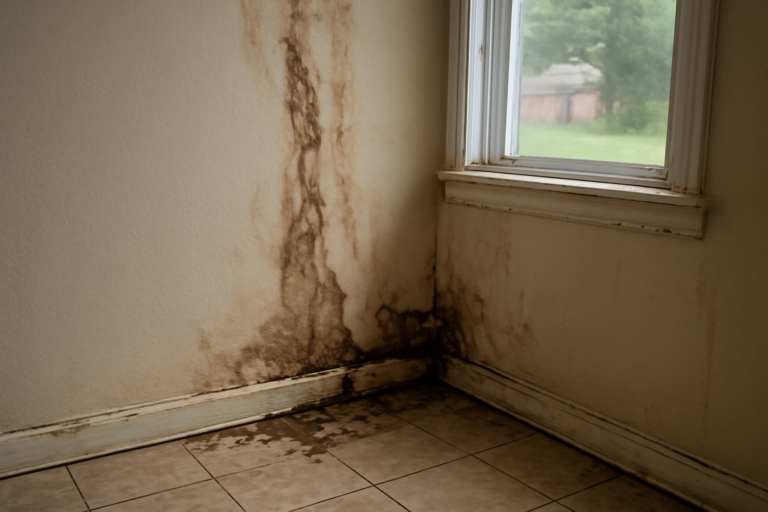
Trusted by 165+ Homeowners
Behind Wall Water Damage Restoration in Canton, GA
- Over 165 5-Star Reviews
- Free Estimates and Quotes
- 100% Satisfaction Guaranteed
- Child, Family & Pet Safe Steps
- 24-Hour Emergency Service
- Fully Licensed & Insured
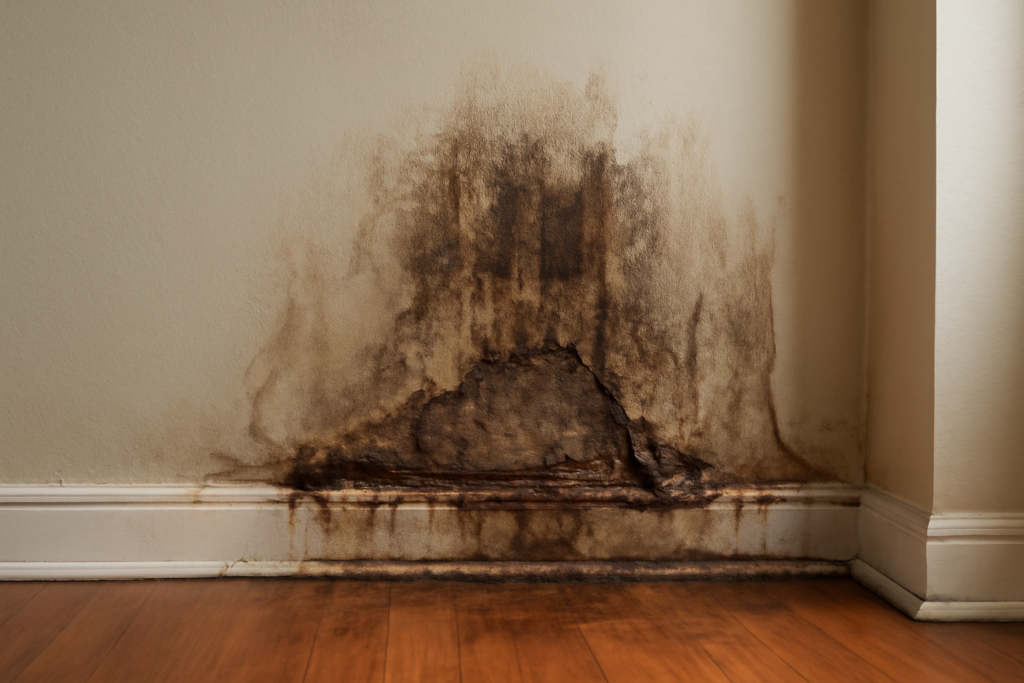
Unseen Leaks: Tackling Water Damage Hiding Behind Your Walls in Canton, GA
It’s easy to overlook water damage when it’s not immediately visible. You might notice a faint, musty smell or a slightly discolored patch on your drywall, but often, the real problem is lurking behind the scenes. Hidden moisture behind walls can spread rapidly, leading to more significant issues like mold growth and structural compromise if not addressed quickly. Knowing what to look for and acting fast is crucial for protecting your home in Canton, GA.
Locally, homeowners trust our team because we understand the urgency of these specific situations. With over 165 five-star reviews from your neighbors, we’ve proven our ability to handle even the most challenging behind-wall water intrusion scenarios. We focus on getting to the root of the problem, not just the surface symptoms, ensuring your property is truly dry and safe again.
- We pinpoint the exact source of the leak, preventing future damage and unnecessary repair costs.
- Our specialized drying equipment extracts moisture from inside your wall cavities, stopping mold before it starts.
- We meticulously document the damage and our work, making the insurance claims process smoother for you.
How We Tackle Water Damage Hiding Behind Your Walls
Dealing with water damage behind walls requires a methodical and rapid approach. Unlike surface floods, this kind of issue demands specialized tools and techniques to access, dry, and restore the affected areas without causing excessive disruption. Our crews follow a precise protocol, understanding that every hour delayed can mean more extensive damage and higher costs. We prioritize swift action to minimize the impact on your home and your life.
1. Emergency Water Extraction and Containment
The first critical step is stopping the water source and removing any standing water that might be present within the wall cavities. Our technicians use powerful truck-mounted extraction units to remove trapped water efficiently. We also set up containment barriers to prevent moisture from spreading to unaffected areas of your home, which is a key part of our rapid response.
2. Advanced Moisture Detection and Assessment
Once the bulk of the water is gone, we use specialized tools to locate exactly where the moisture is hiding. Infrared cameras can detect temperature differences indicating wet materials behind drywall, while penetrating moisture meters measure the exact moisture content in building materials. This allows us to accurately map the damage and plan the most effective drying strategy.
3. Controlled Demolition and Access
To effectively dry the wall cavity, we often need to create small, strategic openings in the drywall. This isn’t about unnecessary destruction; it’s about gaining access for our drying equipment. Our crews are trained to perform this demolition carefully, ensuring that only the necessary sections are opened, which minimizes repair work later.
4. High-Velocity Air Movers and Dehumidification
This is where the real drying happens. We strategically place high-velocity air movers directly into the wall cavities through the access points we created. These machines create airflow to evaporate trapped moisture. Simultaneously, industrial-grade dehumidifiers pull the moisture from the air, preventing it from re-condensing. This process can take several days, depending on the extent of the saturation.
5. Mold Prevention and Structural Drying
As the walls dry, we continuously monitor moisture levels to ensure they return to normal, safe standards. This thorough drying process is essential for preventing secondary damage like mold growth and structural weakening. We don’t consider the job done until we’re confident the affected materials are completely dry and safe.
Don’t let hidden water damage wreak havoc on your home. If you suspect moisture behind your walls, call our team immediately. Swift action is your best defense against costly repairs and unhealthy living conditions.
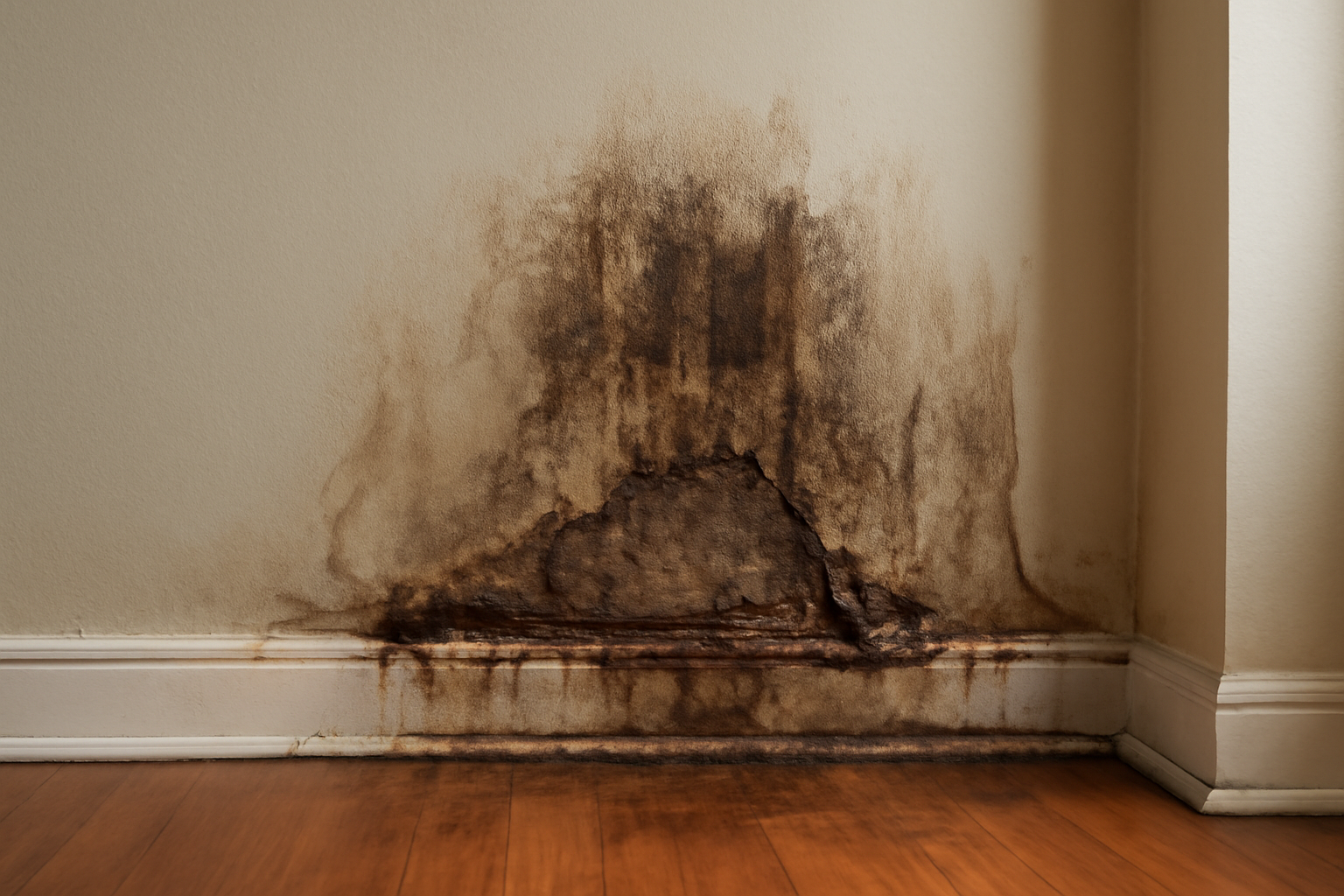
Warning Signs You Need Behind Wall Water Damage Restoration
Catching water damage behind your walls early can save you a lot of trouble and expense. These hidden issues often give subtle clues before they become major problems. Paying attention to these signs and acting quickly is key to preventing widespread damage and potential health hazards. Early detection is critical for effective restoration.
Musty Odors That Won’t Go Away
A persistent damp, earthy smell, especially in rooms with no obvious water source, is a major indicator of hidden moisture. This odor often signals that mold has begun to grow behind your drywall due to prolonged dampness, which is a serious health concern.
Visible Water Stains or Discoloration
While you might not see the leak itself, you might see the effects. Look for yellow or brown stains that appear on your walls or ceilings, especially if they seem to be spreading or darkening. These are often signs that water is saturating the drywall from within, which means water is actively present.
Peeling or Bubbling Wallpaper/Paint
Moisture behind your wall’s surface can cause paint to blister or peel, and wallpaper to bubble or detach. This happens as the moisture weakens the adhesive and compromises the integrity of the finish. It’s a clear sign that something is compromising your wall from the inside.
Warped or Soft Drywall
If parts of your drywall feel soft, spongy, or look like they are bulging outward, it means the material has absorbed significant moisture. Drywall is not designed to withstand prolonged water exposure and will degrade quickly, leading to structural weaknesses.
Warm Spots on Walls
A warm spot on an otherwise cool wall can indicate a hot water pipe leak behind the drywall. Even small, slow drips from hot water lines can cause significant damage over time. This requires immediate professional attention before it escalates.
Increased Humidity Levels
If your home feels unusually humid, even when the air conditioning is running, it could be due to unseen moisture evaporating from behind your walls. This elevated humidity can contribute to mold growth and make your home feel uncomfortable. Monitoring indoor air quality is important.
Behind Wall Water Damage Restoration vs. DIY: When To Call a Professional
| Situation | DIY? | Call a Pro? | Why |
|---|---|---|---|
| Detecting a small, isolated damp spot on the surface of a wall. | Maybe | Yes | Hidden moisture can be widespread; a pro can confirm the full extent. |
| Noticing a musty smell but seeing no visible signs. | No | Yes | This strongly suggests hidden mold, requiring specialized detection and remediation. |
| Identifying a clear, slow drip from a pipe within an easily accessible basement wall. | Maybe | Yes | While you can stop the drip, professional drying is needed to prevent mold. |
| Seeing significant bubbling or peeling paint/wallpaper. | No | Yes | This indicates substantial moisture behind the wall, needing professional extraction and drying. |
| Experiencing warped or soft sections of drywall. | Absolutely Not | Yes | Structural integrity is compromised; requires expert assessment and repair. |
| Suspecting a hot water line leak based on warm spots. | No | Yes | Requires immediate attention to stop the leak and prevent extensive damage and scalding risks. |
For any situation involving moisture that isn’t immediately visible or easily accessible, calling a professional is always the safest bet. Trying to dry out wall cavities yourself often leads to incomplete drying, mold growth, and further structural damage. Our team has the tools and expertise to properly assess and restore these hidden issues.
Behind Wall Water Damage Restoration Cost In Canton, GA
The cost of addressing water damage behind your walls in Canton, GA, can vary greatly. Factors like the extent of the water intrusion, the size of the affected area, the type of materials involved, and the complexity of accessing the damage all play a role. These figures are general estimates and not exact quotes. Accurate pricing requires an on-site assessment.
| Service Aspect | Typical Price Range | What Affects Cost |
|---|---|---|
| Moisture Detection & Assessment | $200 – $600 | The number of areas needing inspection and the complexity of the building structure. |
| Controlled Demolition for Access | $300 – $1,000 | The amount of drywall removal needed to access the wet materials. |
| Water Extraction from Cavities | $500 – $2,000 | The volume of water to be removed and the difficulty of access. |
| Drying & Dehumidification (per day) | $200 – $500 | The number of days required for thorough drying and the size of equipment used. |
| Mold Prevention Treatment | $300 – $1,500 | The size of the area treated and the type of preventative solution applied. |
| Minor Drywall Repair & Patching | $400 – $1,200 | The total square footage of wall needing repair and finishing. |
It’s important to remember that investing in proper behind-wall water damage restoration now can save you significantly more on future repairs and health-related issues. We offer free estimates to give you a clear understanding of the costs involved for your specific situation.
Service Areas Near Canton, GA
Ball Ground, Holly Springs, Woodstock, Acworth, Roswell, Alpharetta, Marietta, Kennesaw, Dallas, Powder Springs, Austell, Smyrna, Dunwoody, Sandy Springs, Norcross, Duluth, Suwanee, Johns Creek, Milton, Cumming.
Common Questions About Behind Wall Water Damage Restoration
What if I can’t see any water, but my wall feels damp?
If your wall feels damp to the touch, even without visible leaks, it’s a strong indicator of moisture trapped behind the drywall. This moisture is likely coming from a small pipe leak, condensation issues, or even a slow exterior water intrusion. Our team uses specialized tools like infrared cameras and moisture meters to accurately locate the hidden water source and assess the saturation level, ensuring we dry out the area completely before it leads to mold or structural damage.
How long does it take to dry out walls after a leak?
The drying process for behind-wall water damage can vary significantly, typically taking anywhere from three to seven days or sometimes longer. This depends on how much water is present, the type of building materials, and the environmental conditions. We use high-velocity air movers and industrial dehumidifiers to accelerate evaporation and maintain consistent drying.
Will insurance cover behind-wall water damage restoration?
In most cases, yes, homeowner’s insurance policies will cover damage caused by sudden and accidental water leaks, including those behind walls. However, coverage can depend on the cause of the leak and the specific terms of your policy. We work closely with insurance adjusters and provide detailed documentation to help streamline your claims process.
Is mold likely to grow if I don’t fix this immediately?
Yes, mold thrives in damp, dark environments, and the cavities within your walls are ideal for it. If water has been trapped behind your drywall for more than 24-48 hours, mold growth is highly probable. Addressing the water issue and drying the area thoroughly is the most effective way to prevent mold from developing or spreading.
How do you dry inside walls without tearing down the entire wall?
We use a technique called “in-wall drying.” After identifying the wet areas, we carefully create small, strategic openings in the drywall. Then, we insert specialized drying equipment, like air injection systems and high-velocity air movers, directly into the wall cavity. This allows us to circulate air and remove moisture effectively, often requiring less invasive demolition than you might expect.
Check Our Other Relevant Services

Jerry Johns is a licensed Damage Restoration Expert with over 20 years of hands-on experience helping homeowners and businesses navigate property crises. As a trusted authority in the field, Jerry combines technical precision with a compassionate approach to disaster recovery.
𝗖𝗲𝗿𝘁𝗶𝗳𝗶𝗰𝗮𝘁𝗶𝗼𝗻𝘀: Jerry holds multiple elite IICRC certifications, including Water Damage Restoration (WRT), Applied Microbial Remediation (Mold), Applied Structural Drying (ASD), Odor Control, and Fire and Smoke Restoration.
𝗙𝗮𝘃𝗼𝗿𝗶𝘁𝗲 𝗣𝗮𝘀𝘁𝗶𝗺𝗲: When he isn’t on a job site, Jerry is an avid outdoorsman who enjoys fly fishing and restoring vintage woodworking tools.
𝗕𝗲𝘀𝘁 𝗣𝗮𝗿𝘁 𝗼𝗳 𝘁𝗵𝗲 𝗝𝗼𝗯: Jerry finds the most fulfillment in seeing the relief on a client’s face when their property is finally restored to its pre-loss condition, turning a stressful disaster into a fresh start.