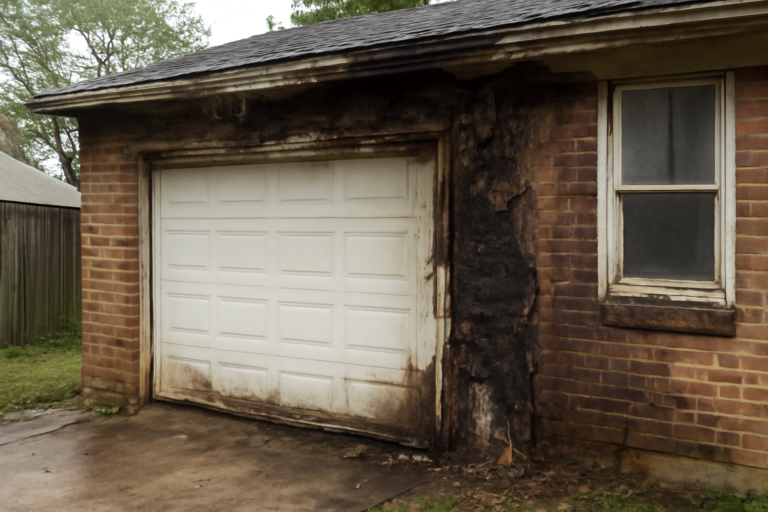
Trusted by 165+ Homeowners
Behind Wall Water Damage Restoration in Cedartown, GA
- Over 165 5-Star Reviews
- Free Estimates and Quotes
- 100% Satisfaction Guaranteed
- Child, Family & Pet Safe Steps
- 24-Hour Emergency Service
- Fully Licensed & Insured
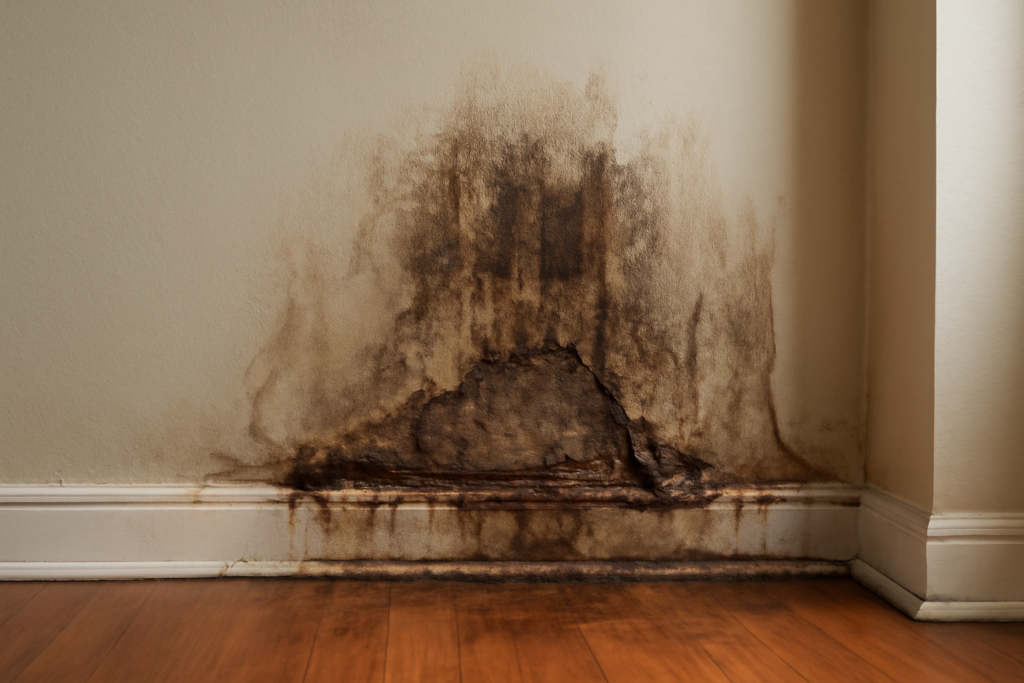
Hidden Water Leaks: What You Don’t See Can Hurt Your Cedartown Home
Did you know that water damage behind walls can spread up to 4 feet per day from its source? That’s a staggering amount of potential damage that often goes unnoticed until it’s already caused significant problems. Many homeowners in Cedartown, GA, don’t realize how quickly hidden leaks can turn into major issues, impacting your home’s structure and your family’s health. Ignoring these signs can lead to costly repairs down the line, and understanding the process is your first step in protecting your property.
With over 165 five-star reviews from neighbors like you, our team has become the go-to for tackling those tricky behind-wall water problems. We understand the unique challenges homeowners face around here, especially when dealing with water damage that isn’t immediately visible. You choose us because we bring a calm, methodical approach to a stressful situation, focusing on restoring your home efficiently and effectively. We’ve helped countless families in your neighborhood get back to normal after unexpected water intrusions.
- We specialize in precisely locating and mitigating hidden water sources, preventing further structural compromise to your home’s framing and drywall.
- Our advanced drying techniques ensure that even inaccessible areas behind walls are thoroughly dried, minimizing the risk of mold growth and long-term damage.
- We work closely with you and your insurance company, providing detailed documentation to support your claim and streamline the reimbursement process.
How We Tackle Behind Wall Water Damage
When water finds its way behind your walls, it’s not just about drying the surface you can see. A proper process is crucial to prevent secondary damage like mold and rot, issues that can arise if moisture remains trapped. Cutting corners here means more extensive repairs later. Our team follows a strict protocol to ensure every trace of moisture is removed, from the initial assessment to the final drying and restoration stages. We believe in transparency, so you’ll always know what to expect.
1. Initial Assessment and Water Source Identification
The very first step is pinpointing exactly where the water is coming from and how far it has spread. Our technicians use specialized tools like moisture meters and thermal imaging cameras to detect hidden water pockets. This crucial phase helps us understand the scope of the problem before any work begins. Accurate source identification prevents repeat issues.
2. Water Extraction and Removal
Once the source is identified and stopped, we begin removing the standing water. This might involve specialized pumps or extraction equipment designed to reach into wall cavities and subflooring. The goal is to remove as much bulk water as possible quickly. Efficient water removal is key to limiting damage.
3. Advanced Drying and Dehumidification
This is where specialized equipment truly shines. We set up industrial-grade air movers and dehumidifiers to create an environment that aggressively pulls moisture out of materials like insulation, drywall, and wood framing. This process can take several days, depending on the extent of the saturation. Thorough drying prevents long-term problems.
4. Mold Prevention and Remediation
Trapped moisture behind walls is a breeding ground for mold. We take proactive steps to prevent mold growth during the drying process. If mold is already present, our certified technicians will safely and effectively remove it according to industry standards. Mold prevention is a top priority.
5. Structural Drying and Material Assessment
Our team will assess the condition of your wall materials and structural components. In some cases, affected drywall or insulation may need to be carefully removed to ensure complete drying and prevent future issues. We aim to restore rather than replace whenever possible, but structural integrity always comes first.
Don’t let hidden water damage compromise your home. Contact us today for a prompt assessment of any behind-wall water issues you suspect. We’re ready to help protect your property.
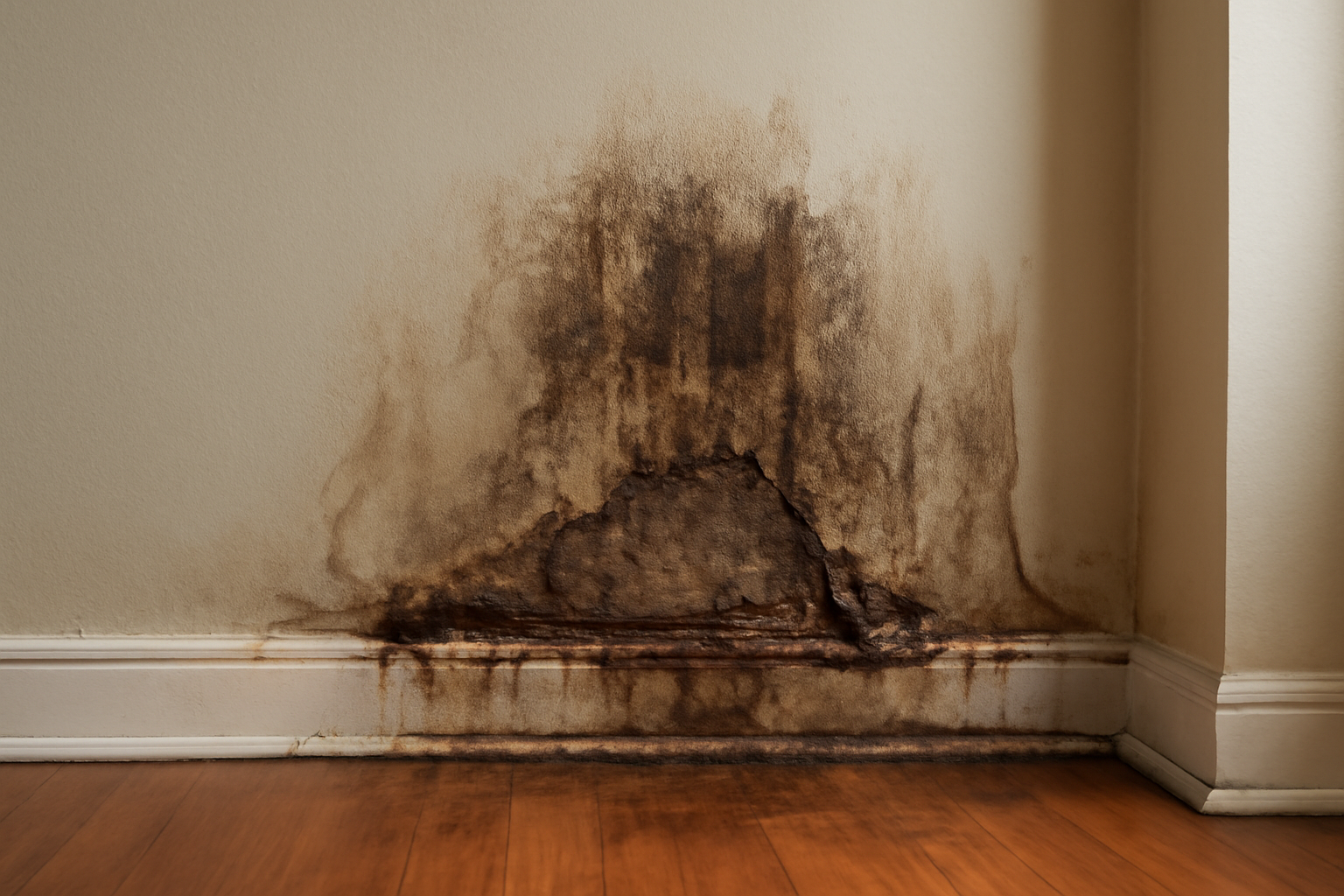
Warning Signs You Need Behind Wall Water Damage Restoration
Catching hidden water damage early is critical. The longer water sits behind your walls, the more damage it can cause to your home’s structure and your indoor air quality. Recognizing these subtle signs can save you a significant amount of money and prevent more extensive repairs later. Ignoring them often leads to bigger, more expensive problems.
Musty Odors That Won’t Go Away
A persistent, damp, or musty smell, especially in certain rooms or near plumbing fixtures, is a strong indicator of trapped moisture. This odor is often caused by mold or mildew growing in unseen areas. Persistent odors signal hidden moisture.
Stains or Discoloration on Walls or Ceilings
Look for new water stains, streaks, or discoloration on your interior walls or ceilings, particularly near pipes or under bathrooms. These marks mean water is actively seeping through or has saturated the material. Visible stains are a clear warning.
Peeling or Bubbling Paint or Wallpaper
When paint or wallpaper starts to peel, bubble, or warp away from the wall surface, it’s often because moisture is trapped behind it. The adhesive fails, and the material separates from the drywall. Damaged finishes often point to underlying moisture.
Warped or Soft Drywall
If sections of your drywall feel soft, spongy, or look visibly warped or sagging, it’s a sign that the material has absorbed a significant amount of water. This compromised drywall needs professional attention to prevent collapse. Soft drywall needs immediate assessment.
Unexplained High Water Bills
A sudden, unexplained increase in your monthly water bill can point to a hidden leak somewhere in your plumbing system that’s constantly dripping. Even a small, continuous leak can cause significant damage over time. High water bills warrant investigation.
Mold Growth on Surfaces
While you might see mold on accessible surfaces, it often starts in hidden areas like behind walls. If you notice mold growth that seems to be spreading from within the wall cavity, it’s a definite sign of a water problem. Visible mold indicates a water issue.
Behind Wall Water Damage Restoration vs. DIY: When To Call a Professional
| Situation | DIY? | Call a Pro? | Why |
|---|---|---|---|
| Detecting a faint musty smell in a bathroom | Maybe | Yes | A pro can use specialized tools to pinpoint the exact source and extent of hidden moisture. |
| Seeing a small, fresh water stain on a ceiling | Maybe | Yes | The stain is just a symptom; the real damage could be extensive within the wall cavity. |
| Locating a visible pipe leak in an unfinished basement | Yes, for temporary fix | Yes, for full repair | You can temporarily stop it, but a pro ensures the plumbing is correctly repaired and the area dried. |
| Drying a small damp spot on a wall after a minor spill | Yes, with fans | Yes, for thoroughness | Professional equipment ensures complete drying deep within materials, preventing mold. |
| Suspecting a leak behind a shower wall | No | Yes | These are complex areas prone to hidden leaks and mold; professional assessment is vital. |
| Dealing with a large, visible water stain with peeling paint | No | Yes | This indicates significant saturation requiring professional extraction, drying, and potential material replacement. |
For any situation involving water that has penetrated walls or ceilings, professional intervention is almost always the safest and most effective route. DIY attempts often miss hidden moisture, leading to mold and structural decay. Relying on our trained technicians ensures your home is properly dried and restored.
Behind Wall Water Damage Restoration Cost In Cedartown, GA
The cost of behind wall water damage restoration can vary significantly. Factors like the size of the affected area, the extent of saturation, and the complexity of accessing the damage in Cedartown, GA, all play a role. These price ranges are estimates and may not reflect the final cost. Understanding these costs can help you budget and work with your insurance.
| Service Aspect | Typical Price Range | What Affects Cost |
|---|---|---|
| Water Damage Assessment & Inspection | $300 – $1,000 | Complexity of the leak, need for specialized equipment like thermal imaging. |
| Water Extraction from Cavities | $500 – $2,500 | Amount of water to remove, accessibility of the affected wall sections. |
| Drying & Dehumidification (per day/zone) | $200 – $700 | Duration of drying needed, number of industrial dehumidifiers and air movers required. |
| Mold Assessment & Testing | $300 – $1,500 | Number of samples taken, depth of inspection needed. |
| Controlled Demolition & Material Removal | $400 – $2,000+ | Square footage of drywall/insulation to remove, labor intensity. |
| Reconstruction (minor repairs) | $500 – $3,000+ | Scope of drywall repair, insulation replacement, and painting needed. |
The exact pricing for your specific situation will depend on a thorough on-site inspection. We offer free, no-obligation estimates to give you a clear picture of the costs involved.
Service Areas Near Cedartown, GA
Cedartown, Aragon, Rockmart, Taylorsville, Rome, Lindale, Cave Spring, Armuchee, Summerville, Trion, Lyerly, Menlo, Fort Payne, Gadsden, Anniston, Heflin, Carrollton, Villa Rica, Dallas, Hiram.
Common Questions About Behind Wall Water Damage Restoration
How long does it take to dry out walls after a leak?
The drying process for behind-wall water damage typically takes 3 to 5 days, but it can extend longer if the saturation is severe or if materials like dense insulation are involved. Our technicians use advanced monitoring equipment to determine when materials are truly dry. We’ll provide you with a realistic timeline based on our assessment.
Will my insurance company cover behind wall water damage?
In most cases, yes, if the damage resulted from a sudden and accidental event like a burst pipe or appliance malfunction. Damage from slow leaks or neglect is often not covered. We work with insurance adjusters to document the damage thoroughly and help support your claim. Understanding your policy is key.
What are the health risks of ignoring water damage behind walls?
Ignoring water damage behind walls creates an ideal environment for mold and bacteria growth. Inhaling mold spores can lead to a range of health issues, including allergies, respiratory problems, and other serious health concerns, especially for those with pre-existing conditions. Protecting your health is paramount.
What kind of equipment do you use to find and dry water behind walls?
We use a variety of specialized tools, including non-invasive moisture meters, thermal imaging cameras to detect temperature differences indicating moisture, and infrared cameras. For drying, we deploy high-speed air movers, industrial-grade dehumidifiers, and sometimes even specialized drying mats or inject-dry systems to reach trapped moisture. Advanced equipment ensures effective drying.
Can I prevent water damage behind my walls in Cedartown, GA?
Regular maintenance is your best defense. This includes inspecting plumbing fixtures, appliance hoses, and pipes for any signs of wear or leaks. Also, ensure your home’s exterior drainage is directing water away from the foundation. Preventative measures can save you a lot of trouble.
Check Our Other Relevant Services

Jerry Johns is a licensed Damage Restoration Expert with over 20 years of hands-on experience helping homeowners and businesses navigate property crises. As a trusted authority in the field, Jerry combines technical precision with a compassionate approach to disaster recovery.
𝗖𝗲𝗿𝘁𝗶𝗳𝗶𝗰𝗮𝘁𝗶𝗼𝗻𝘀: Jerry holds multiple elite IICRC certifications, including Water Damage Restoration (WRT), Applied Microbial Remediation (Mold), Applied Structural Drying (ASD), Odor Control, and Fire and Smoke Restoration.
𝗙𝗮𝘃𝗼𝗿𝗶𝘁𝗲 𝗣𝗮𝘀𝘁𝗶𝗺𝗲: When he isn’t on a job site, Jerry is an avid outdoorsman who enjoys fly fishing and restoring vintage woodworking tools.
𝗕𝗲𝘀𝘁 𝗣𝗮𝗿𝘁 𝗼𝗳 𝘁𝗵𝗲 𝗝𝗼𝗯: Jerry finds the most fulfillment in seeing the relief on a client’s face when their property is finally restored to its pre-loss condition, turning a stressful disaster into a fresh start.