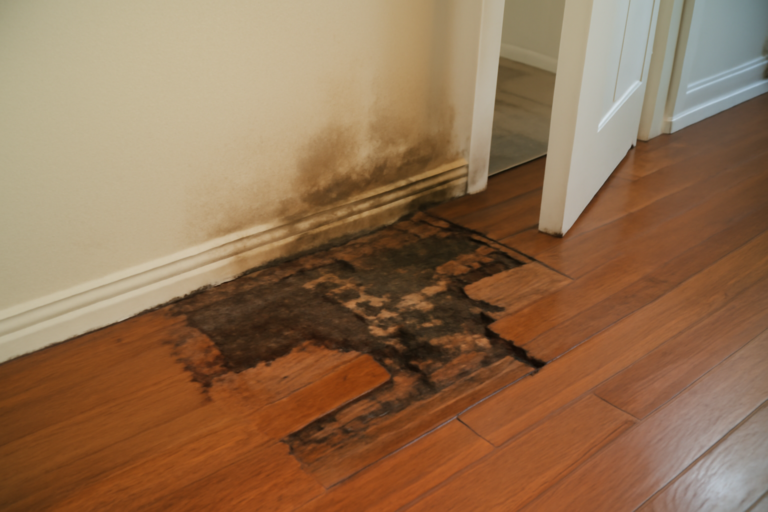
Trusted by 165+ Homeowners
Behind Wall Water Damage Restoration in Chamblee, GA
- Over 165 5-Star Reviews
- Free Estimates and Quotes
- 100% Satisfaction Guaranteed
- Child, Family & Pet Safe Steps
- 24-Hour Emergency Service
- Fully Licensed & Insured
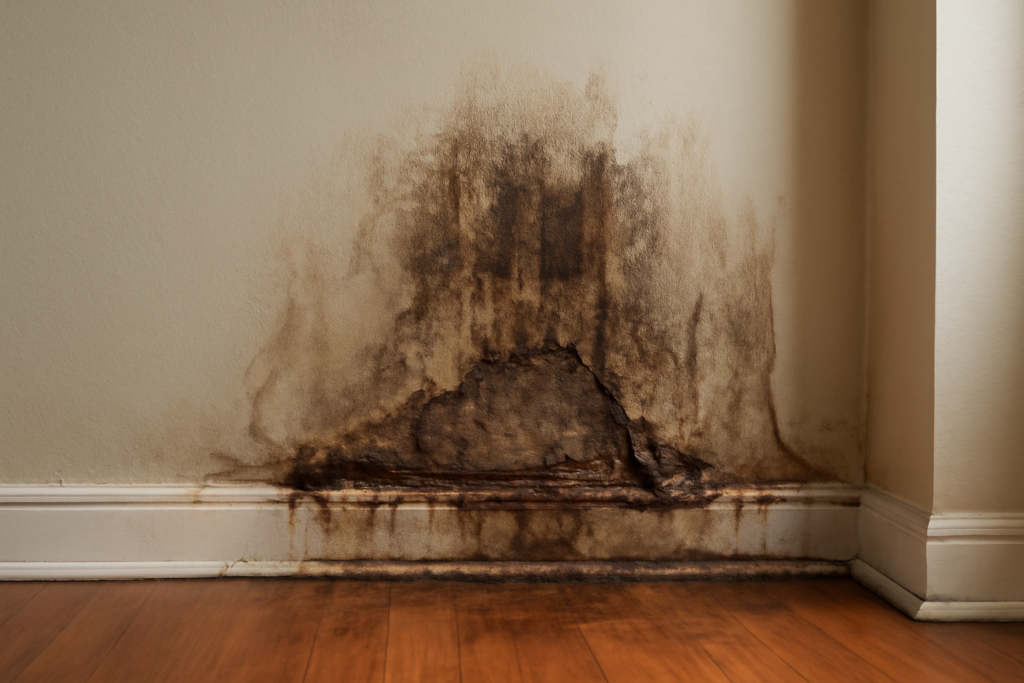
Hidden Water Woes: Addressing Behind Wall Water Damage in Chamblee, GA
Did you know that water damage inside your walls can spread up to three feet per day? That means a small leak you can’t even see can quickly turn into a major problem affecting your entire home’s structure. It’s easy to underestimate the damage brewing behind your drywall, and many homeowners in Chamblee, GA, don’t realize the full extent until it’s quite advanced. This hidden moisture can lead to serious structural issues and even impact your family’s health if not addressed promptly and correctly. You’re probably looking for clear answers and a reliable team to help you through this.
We’ve helped over 165 local families find effective solutions for their hidden water damage problems, earning us more than 165 five-star reviews. Homeowners around here trust our team because we focus specifically on the unique challenges of behind-wall water damage. We understand that you want a straightforward approach and a team that gets it right the first time. You’re looking for someone who can diagnose the issue accurately and fix it without unnecessary fuss or delays.
- We specialize in pinpointing the exact source of leaks within your walls, preventing guesswork and ensuring we address the root cause, not just the symptoms.
- Our drying process for hidden cavities uses advanced equipment to extract moisture effectively, preventing mold growth and further structural compromise.
- We work closely with your insurance provider to document the damage and streamline the claims process, helping you understand your coverage and navigate the paperwork.
How We Tackle Behind Wall Water Damage
Dealing with water hidden inside your walls requires a methodical and informed approach. Simply drying the surface isn’t enough; you need to extract moisture from the deepest cavities and ensure the area is completely dry before rebuilding. Cutting corners here often leads to recurring problems, costly mold remediation, and potential structural weakening down the line. Our process is designed to be thorough, transparent, and focused on restoring your property safely and efficiently. We’ll explain what we’re doing and why it’s important for your home’s long-term health.
1. Initial Assessment and Water Source Identification
Our first step involves a detailed inspection using specialized tools like moisture meters and infrared cameras. These help us locate the hidden water and determine its source without causing unnecessary destruction. We’ll map out the affected areas on your property, giving you a clear picture of the situation before any work begins. This diagnostic phase is crucial for planning the most effective restoration strategy.
2. Controlled Water Extraction
Once the source is identified and stopped, we begin removing the bulk of the water. For behind-wall damage, this often involves carefully opening small access points to use high-powered extraction equipment. This equipment is designed to pull water out of insulation, wood framing, and wall cavities, preventing further saturation. We aim to remove as much standing water as possible to speed up the drying process significantly.
3. Advanced Drying and Dehumidification
This is where specialized equipment truly shines. We’ll set up industrial-grade dehumidifiers and air movers strategically around the affected wall cavities. These machines work tirelessly to lower the humidity levels and accelerate the evaporation of trapped moisture. It’s essential to keep these systems running continuously for several days to ensure the structural materials are dried to safe levels. We monitor the drying process closely.
4. Mold Prevention and Remediation
Hidden moisture creates a perfect breeding ground for mold, which can start growing within 24-48 hours. If mold is present, our trained technicians will carefully remove it using industry-standard containment and cleaning procedures. We also apply antimicrobial treatments to the affected areas to prevent future mold growth. Ensuring a healthy indoor environment is a top priority for your family’s well-being.
5. Reconstruction and Restoration
After confirming the area is completely dry and any mold has been addressed, we begin the reconstruction phase. This involves repairing or replacing damaged drywall, insulation, and any other affected materials. Our goal is to restore your walls to their original condition, making your home safe and comfortable again. We take pride in our meticulous attention to detail during this final stage.
Don’t let hidden water damage compromise your home’s integrity. Contact our team today for a swift and accurate assessment. We’re ready to help you navigate this challenge and restore your property.
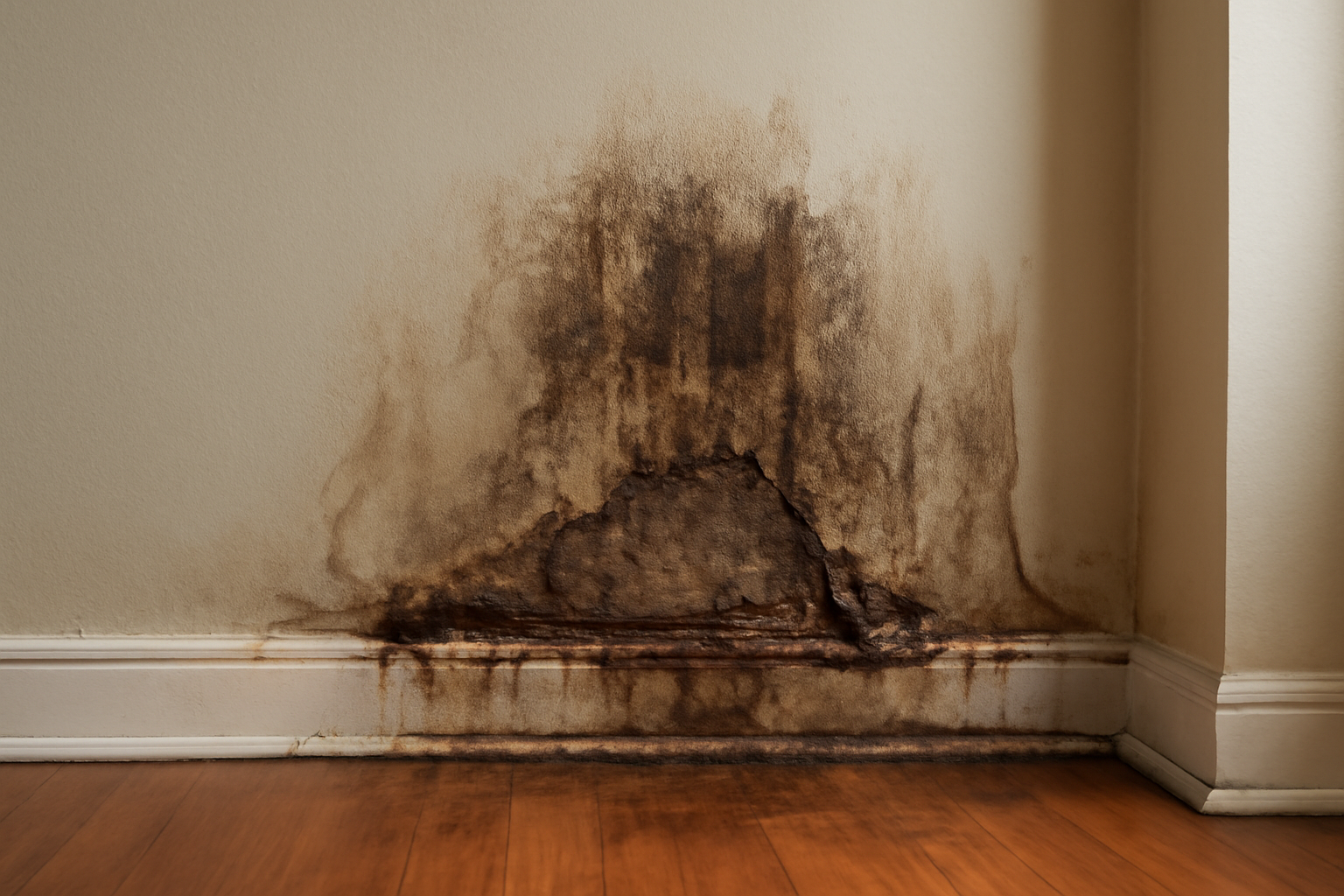
Warning Signs You Need Behind Wall Water Damage Restoration
Catching behind-wall water damage early can save you a significant amount of money and prevent much larger headaches down the road. These signs often appear subtly, but they are clear indicators that moisture is lurking where you can’t see it. Ignoring them could lead to serious structural issues and unhealthy living conditions.
Musty Odors That Won’t Go Away
A persistent, musty smell, especially when you’re near certain walls or in specific rooms, is often the first sign of hidden moisture. This odor usually indicates mold growth fueled by dampness within the wall cavity. You should investigate the source of this smell immediately.
Visible Water Stains or Discoloration on Walls
If you notice new or spreading water stains, dark spots, or peeling paint on your interior walls, it’s a direct sign of water intrusion. The discoloration means water has saturated the drywall and is likely affecting the materials behind it. This is a clear call to action for professional inspection.
Warped or Sagging Drywall
When drywall becomes saturated with water, it loses its rigidity. You might notice sections of your wall looking bowed, rippled, or even starting to sag. This indicates significant moisture absorption and potential structural compromise. This is a serious warning sign that needs prompt attention.
Peeling or Bubbling Wallpaper
Wallpaper is particularly susceptible to moisture damage. If you see your wallpaper starting to peel away from the wall, especially at the seams or edges, it’s a strong indicator that moisture is trapped behind it. This often happens in bathrooms or kitchens where plumbing is nearby.
Warm Spots on Walls
A warm spot on an interior wall, especially if it’s not near a heat vent or sunny window, can signal a hot water pipe leak behind the wall. This is a serious issue that requires immediate attention to prevent extensive damage from hot water. You should get this checked out right away.
Increased Humidity Levels
If you notice a general increase in humidity within your home, particularly if there’s no obvious source like cooking or showering, it could be due to a hidden leak. A constantly damp environment can lead to mold and mildew. Pay attention to how your home feels and smells.
Behind Wall Water Damage Restoration vs. DIY: When To Call a Professional
| Situation | DIY? | Call a Pro? | Why |
|---|---|---|---|
| Detecting a small, isolated damp spot on the surface of a wall. | Yes, if it’s very minor and you can easily identify the source (e.g., condensation). | Yes, if the spot is growing, smells musty, or you can’t find the source. | Hidden moisture can spread rapidly and cause unseen damage. |
| Finding a musty odor in a specific room. | No. | Yes. | Odors indicate mold growth, which requires professional assessment and remediation. |
| Noticing visible water stains or peeling paint. | No. | Yes. | Surface signs mean water has already penetrated the wall structure. |
| Suspecting a leaky pipe behind a wall. | Absolutely not. | Yes. | Pipe leaks require immediate professional repair to prevent severe structural damage and water waste. |
| Seeing warped or sagging drywall. | No. | Yes. | This indicates significant water saturation and potential structural compromise. |
| Need to file an insurance claim for water damage. | No. | Yes. | Professionals provide detailed documentation and work with adjusters to ensure proper claim handling. |
While minor surface issues might seem manageable for a DIY approach, behind-wall water damage presents unique challenges. The need for specialized detection equipment, containment, and thorough drying makes professional intervention essential. Trusting our experienced crews ensures the job is done right, preventing future problems and protecting your investment.
Behind Wall Water Damage Restoration Cost in Chamblee, GA
The cost of addressing behind-wall water damage in Chamblee, GA, can vary widely. Factors like the extent of the water intrusion, the size of the affected area, the complexity of accessing the damaged sections, and the materials involved all play a role. These figures are general estimates to help you plan.
| Service | Typical Price Range | What Affects Cost |
|---|---|---|
| Leak Detection and Assessment | $300 – $1,000 | Use of advanced equipment like thermal cameras and moisture meters. |
| Controlled Water Extraction (per room/section) | $500 – $2,000 | Amount of standing water and accessibility of the damaged cavity. |
| Structural Drying (using dehumidifiers/air movers) | $750 – $3,000+ | Duration required to dry materials to safe moisture levels. |
| Mold Testing and Remediation (if necessary) | $1,000 – $5,000+ | Severity and spread of mold contamination. |
| Drywall Repair and Replacement | $300 – $1,500+ per section | Size of the damaged area and complexity of the repair. |
| Insulation Replacement | $200 – $1,000+ | Type and amount of insulation needing replacement. |
For an accurate price tailored to your specific situation, a thorough on-site assessment is necessary. We offer free estimates to give you a clear understanding of the costs involved before any work begins.
Service Areas Near Chamblee, GA
Atlanta, Brookhaven, Dunwoody, Tucker, Norcross, Peachtree Corners, Sandy Springs, Smyrna, Marietta, Roswell, Alpharetta, Johns Creek, Duluth, Lawrenceville, Suwanee, Lilburn, Stone Mountain, Decatur, Clarkston, Avondale Estates.
Common Questions About Behind Wall Water Damage Restoration
My insurance company is asking a lot of questions about the damage. Can you help with that?
Absolutely. We understand that dealing with insurance adjusters can be complex. Our team is experienced in documenting water damage thoroughly, providing detailed reports and photographic evidence. We’ll work to ensure your insurance company has all the necessary information to process your claim efficiently. We aim to make this part of the process as smooth as possible for you.
How long does it typically take to dry out walls after a leak?
The drying process can vary significantly, but typically it takes anywhere from 3 to 14 days. This depends on the extent of the water damage, the type of building materials involved, and the effectiveness of our drying equipment. We use advanced monitoring tools to track progress and confirm that all moisture has been removed before we proceed with repairs. You’ll be kept informed throughout.
Is it safe to live in my home while you’re working on behind-wall water damage?
In many cases, yes, but it depends on the severity and location of the damage. If mold is a concern or if structural elements are significantly compromised, we might recommend temporary relocation for your safety. We’ll assess the situation and provide guidance on whether it’s safe for you and your family to remain in the home during the restoration. Your health and safety are paramount.
What kind of equipment do you use to find water inside walls?
We utilize a range of specialized tools for detecting hidden water. This includes non-invasive moisture meters that measure water content in materials, infrared cameras that detect temperature differences caused by moisture, and sometimes even borescopes to visually inspect wall cavities. These tools allow us to pinpoint the problem accurately without causing unnecessary damage to your home.
What can I do to prevent water damage inside my walls in the future?
Regular maintenance is key. Inspecting your plumbing, sealing around windows and doors, ensuring proper grading around your foundation, and promptly addressing any small leaks you notice can prevent bigger issues. For homes around Chamblee, GA, keeping gutters clean and ensuring proper roof drainage is also vital. We can also offer advice on moisture control during our visits.
Check Our Other Relevant Services

Jerry Johns is a licensed Damage Restoration Expert with over 20 years of hands-on experience helping homeowners and businesses navigate property crises. As a trusted authority in the field, Jerry combines technical precision with a compassionate approach to disaster recovery.
𝗖𝗲𝗿𝘁𝗶𝗳𝗶𝗰𝗮𝘁𝗶𝗼𝗻𝘀: Jerry holds multiple elite IICRC certifications, including Water Damage Restoration (WRT), Applied Microbial Remediation (Mold), Applied Structural Drying (ASD), Odor Control, and Fire and Smoke Restoration.
𝗙𝗮𝘃𝗼𝗿𝗶𝘁𝗲 𝗣𝗮𝘀𝘁𝗶𝗺𝗲: When he isn’t on a job site, Jerry is an avid outdoorsman who enjoys fly fishing and restoring vintage woodworking tools.
𝗕𝗲𝘀𝘁 𝗣𝗮𝗿𝘁 𝗼𝗳 𝘁𝗵𝗲 𝗝𝗼𝗯: Jerry finds the most fulfillment in seeing the relief on a client’s face when their property is finally restored to its pre-loss condition, turning a stressful disaster into a fresh start.