Trusted by 165+ Homeowners
Behind Wall Water Damage Restoration in Clarkston, GA
- Over 165 5-Star Reviews
- Free Estimates and Quotes
- 100% Satisfaction Guaranteed
- Child, Family & Pet Safe Steps
- 24-Hour Emergency Service
- Fully Licensed & Insured
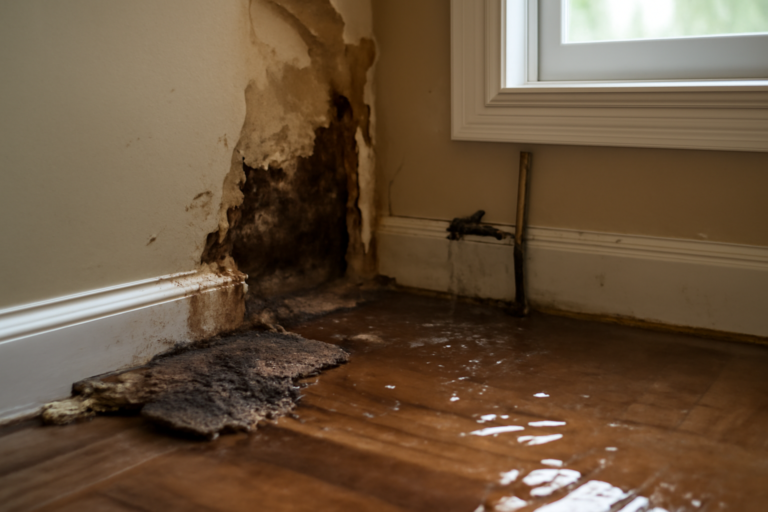
Hidden Water Leaks? Don’t Let Behind Wall Water Damage Ruin Your Clarkston, GA Home
Did you know that water damage inside your walls can go unnoticed for months, sometimes even years? Reports suggest that up to 30% of all water damage claims are related to hidden leaks. This means a small drip behind your drywall could be silently causing thousands of dollars in damage. You might be seeing signs like peeling paint or warped baseboards, but the real problem is often out of sight. It’s crucial to address behind wall water damage quickly in Clarkston, GA before it leads to serious structural issues or mold growth.
Locally, homeowners trust our team because we understand the unique challenges of addressing water damage that isn’t immediately visible. With over 165 five-star reviews, our neighbors know we bring a practical, no-nonsense approach to every job. We’ve seen it all, from leaky pipes in bathrooms to compromised foundations that allow water to seep into wall cavities. You want a team that can find the source, dry it out thoroughly, and prevent future problems, and that’s exactly what we deliver.
- We use specialized equipment to pinpoint the exact location of hidden water, minimizing unnecessary demolition and saving you money.
- Our drying process focuses on completely removing moisture from wall cavities and framing, preventing mold and structural rot before they start.
- We handle the complexities of working with your insurance company, helping to document damage accurately and streamline your claim.
How Behind Wall Water Damage Restoration Actually Works
Tackling water damage hidden behind your walls requires a methodical approach. Cutting corners here can lead to recurring issues, mold, and even compromised structural integrity. Our process is designed to be thorough and efficient, ensuring we not only remove the existing water but also dry out the affected materials completely. We believe in transparency, so you’ll always know what to expect. We’re talking about careful assessment and precise drying techniques.
Initial Assessment and Water Source Identification
The first step is always locating the exact source of the leak. Our technicians use advanced tools like moisture meters and infrared cameras to “see” through walls and pinpoint the problem area without extensive guesswork. This critical first step helps us understand the scope and plan the most effective drying strategy. It typically takes a few hours, depending on the complexity.
Controlled Demolition and Water Extraction
Once the source is identified, we’ll carefully open affected drywall to access the wet materials. This isn’t about tearing down half your house; it’s about making strategic openings to reach the moisture. We then use powerful extraction equipment to remove as much standing water as possible from wall cavities and surrounding structures. This phase is focused on removing bulk water and usually takes half a day to a full day.
Advanced Drying Techniques
This is where specialized equipment comes in. We’ll set up industrial-grade dehumidifiers and air movers specifically designed to dry out enclosed spaces like wall cavities. These machines create optimal drying conditions, pulling moisture out of the air and materials like insulation and wood framing. This step is crucial for preventing secondary damage and can take anywhere from three to seven days, sometimes longer, depending on the extent of saturation.
Mold Prevention and Remediation
As soon as the area is dry, we’ll conduct a thorough inspection for any signs of mold growth. If mold is present, we use EPA-registered antimicrobial treatments to clean and sanitize the affected surfaces. Our goal is to ensure your home is not only dry but also safe and healthy. This usually takes a day or two after the drying process is complete.
Reconstruction and Restoration
After everything is dry and any mold is addressed, our team will handle the necessary repairs. This includes replacing drywall, repainting, and ensuring any damaged trim or flooring is restored. We aim to make the transition back to normal as smooth as possible, restoring your home to its pre-loss condition. This phase’s timeline varies greatly depending on the damage, but we work diligently to complete repairs efficiently.
Don’t let hidden water keep causing trouble. If you suspect behind wall water damage, it’s time to get a professional assessment. We’ll help you understand the damage and the path forward.
Warning Signs You Need Behind Wall Water Damage Restoration
Catching behind wall water damage early is key to minimizing costs and preventing long-term issues like mold and structural compromise. Your home often gives you clues, even if the water isn’t visible. Paying attention to these subtle signs can save you a lot of grief down the road.
Musty Odors That Won’t Go Away
A persistent, damp, or musty smell, especially in specific rooms or near plumbing fixtures, is a strong indicator of hidden moisture. This smell often comes from mold growing in dark, damp environments within your walls. Ignoring this unpleasant odor is a mistake.
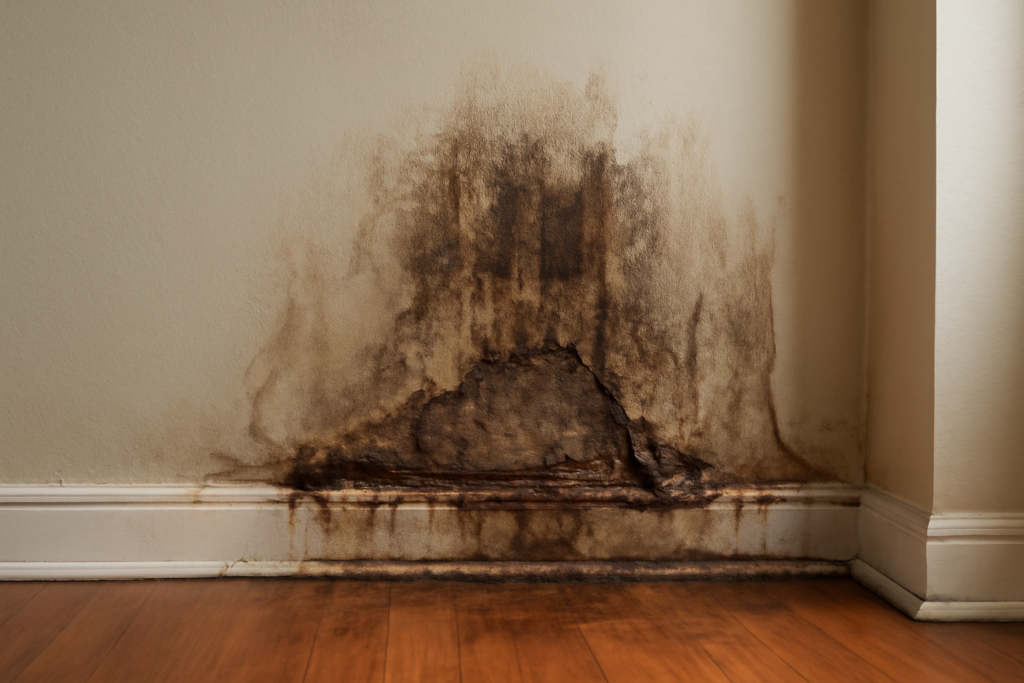
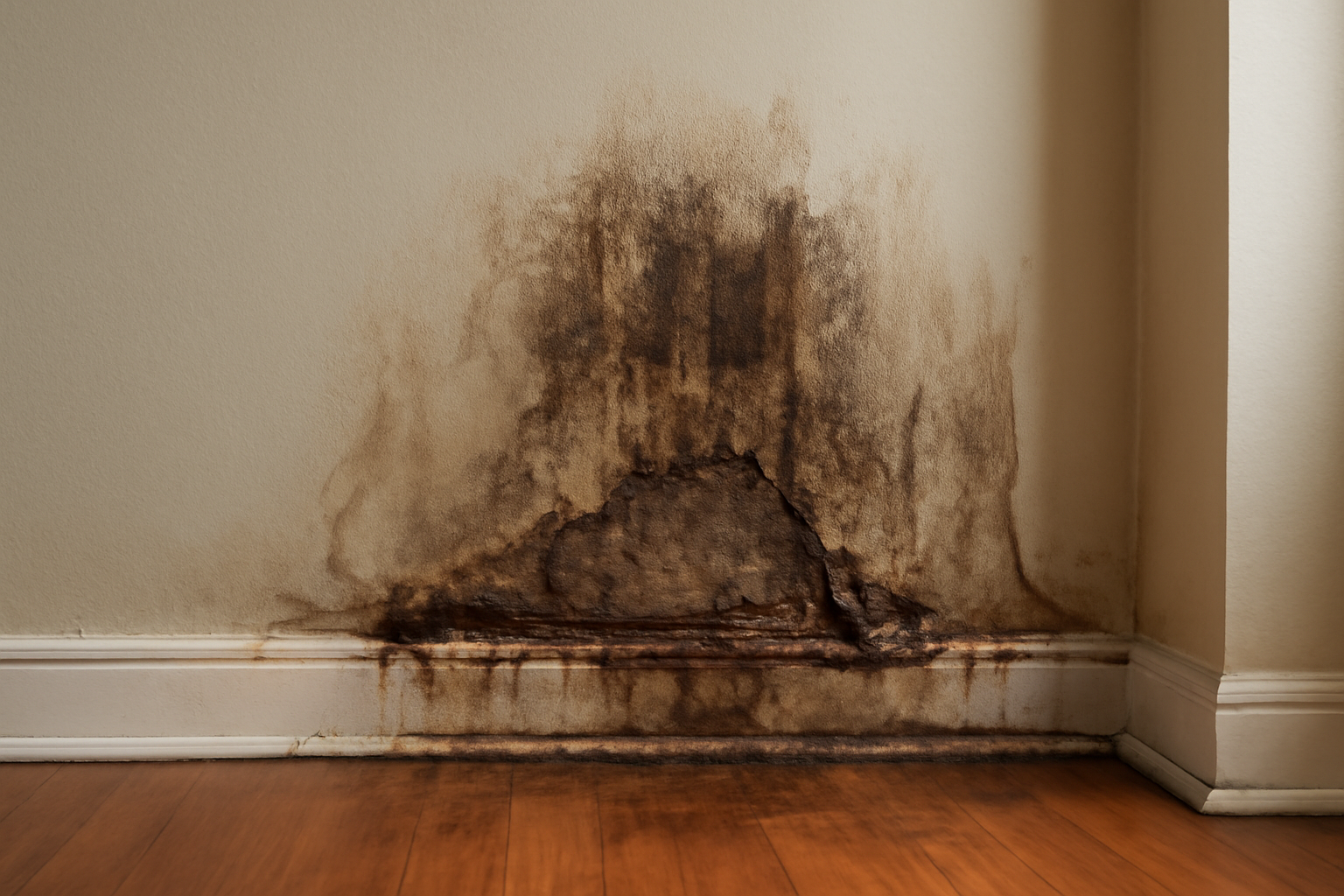
Peeling or Bubbling Paint and Wallpaper
Water trapped behind your walls can cause paint to lose its adhesion to the drywall, leading to peeling or bubbling. Wallpaper can also lift or become discolored. This is a visual cue that something is wrong behind the surface.
Warped or Stained Walls and Ceilings
Visible water stains, discoloration, or sagging and warping in drywall are clear signs of water intrusion. If you see these changes, especially near pipes or ceilings, it’s time for an inspection. These are obvious signs of damage.
Soft or Spongy Flooring Near Walls
If your carpet, laminate, or hardwood flooring feels soft, spongy, or is lifting near baseboards, water may be seeping into the subfloor and wall structure from below or behind. This indicates a serious moisture problem.
Unexplained High Water Bills
A sudden and significant increase in your water bill, without any obvious explanation like new appliances or increased usage, could point to a hidden leak. This is a financial warning sign you shouldn’t ignore.
Sounds of Dripping or Running Water
Hearing faint dripping or trickling sounds from within your walls, especially when no water is actively being used, is a definitive sign of a leak. This sound means water is actively escaping somewhere it shouldn’t be.
Behind Wall Water Damage Restoration vs. DIY: When To Call a Professional
| Situation | DIY? | Call a Pro? | Why |
|---|---|---|---|
| Detecting a small, accessible leak behind an easily removable panel. | Yes | No | You can often tighten a fitting or replace a small section of pipe yourself. |
| Identifying a musty smell but no visible signs of water. | No | Yes | Specialized equipment is needed to locate hidden moisture and prevent mold. |
| Dealing with minor paint bubbling on a single wall. | Maybe | Yes | It could be a simple surface issue, but it might also indicate deeper wall cavity saturation. |
| Extracting standing water from a visible floor leak. | Yes | No | Wet vacs and fans can handle small, surface-level water removal. |
| Water staining or warping visible on multiple walls or ceilings. | No | Yes | Extensive water intrusion requires professional drying and structural assessment. |
| Suspecting a leak within a main plumbing line or in a hard-to-reach area. | No | Yes | Accessing and repairing these leaks often requires specialized tools and knowledge. |
For behind wall water damage, it’s usually best to call a professional. While small, surface-level issues might be manageable, anything hidden or extensive requires expert assessment and equipment to prevent further damage.
Behind Wall Water Damage Restoration Cost In Clarkston, GA
The cost for behind wall water damage restoration in Clarkston, GA varies significantly based on the extent of the damage, the size of the affected area, and how long the water has been present. These figures are general estimates to help you budget. We provide free, detailed estimates after an on-site inspection.
| Service | Typical Price Range | What Affects Cost |
|---|---|---|
| Leak Detection Services | $250 – $750 | Complexity of the leak and number of areas needing inspection. |
| Water Extraction from Wall Cavities | $500 – $2,000 | Volume of water and accessibility of the affected wall sections. |
| Structural Drying (Dehumidifiers, Air Movers) | $750 – $3,500 | Duration of drying needed, size of the affected space, and equipment required. |
| Mold Prevention Treatment | $300 – $1,000 | Size of the area treated and the type of antimicrobial solution used. |
| Drywall Repair and Replacement | $400 – $1,500 | Square footage of drywall needing replacement and finishing complexity. |
| Painting and Finishing | $300 – $1,200 | Total area to be painted, number of coats, and paint quality. |
Exact pricing will always depend on a thorough on-site assessment by our trained technicians. We offer free, no-obligation estimates to give you a clear picture before any work begins.
Service Areas Near Clarkston, GA
Atlanta, Decatur, Avondale Estates, Tucker, Stone Mountain, Lilburn, Snellville, Lawrenceville, Norcross, Duluth, Suwanee, Johns Creek, Alpharetta, Roswell, Sandy Springs, Marietta, Smyrna, Kennesaw, Acworth, Powder Springs
Common Questions About Behind Wall Water Damage Restoration
How long does it take to dry out walls after a leak?
Drying time for walls can vary significantly, typically ranging from three to seven days, but sometimes longer for severe saturation. Factors include the type of building materials, the amount of water absorbed, and the humidity levels. Our team uses specialized equipment to accelerate the drying process and ensure materials are dried to safe levels, preventing future issues.
Will my insurance company cover behind wall water damage?
Most homeowner’s insurance policies cover water damage caused by sudden and accidental events, like a burst pipe. However, coverage for slow leaks or gradual damage can be more complex. We have extensive experience working with insurance adjusters to document damage accurately and help you navigate the claims process for behind wall water damage.
What are the health risks associated with hidden water damage?
The primary health risk from hidden water damage is mold growth. Mold spores can become airborne and cause allergic reactions, respiratory problems, and other health issues, especially for those with pre-existing conditions. Our team prioritizes mold prevention and remediation as part of the drying process to ensure your home is safe.
What equipment do you use to find and dry hidden water?
We utilize advanced tools such as infrared cameras to detect temperature differences caused by moisture, moisture meters to measure water content in materials, and borescope cameras to visually inspect wall cavities. For drying, we deploy industrial-grade dehumidifiers, powerful air movers, and specialized drying equipment designed for enclosed spaces. This combination ensures thorough detection and drying.
Can I prevent behind wall water damage from happening in the first place?
Regular maintenance is your best defense. This includes inspecting visible pipes for corrosion or leaks, checking appliance hoses, ensuring proper sealing around tubs and showers, and monitoring your water bill for unusual increases. Addressing small issues promptly, like a dripping faucet, can prevent larger, more costly problems down the line and maintain your home’s integrity.
Check Our Other Relevant Services
Serving Clarkston, GA And Nearby Areas