
Trusted by 165+ Homeowners
Behind Wall Water Damage Restoration in Conyers, GA
- Over 165 5-Star Reviews
- Free Estimates and Quotes
- 100% Satisfaction Guaranteed
- Child, Family & Pet Safe Steps
- 24-Hour Emergency Service
- Fully Licensed & Insured
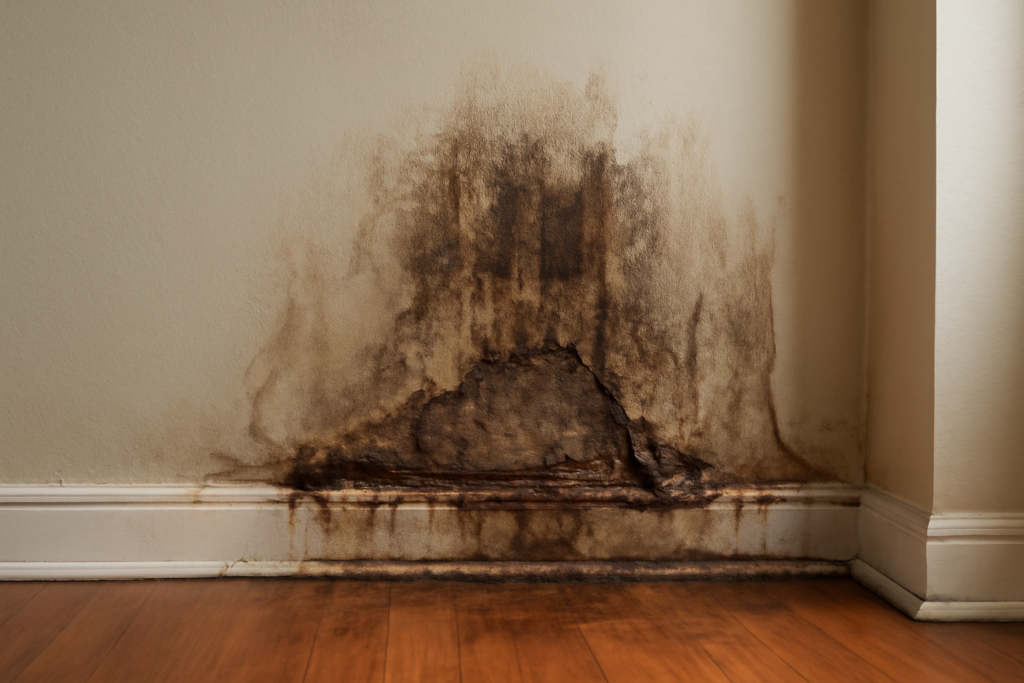
Hidden Water Woes: Behind Wall Water Damage Restoration in Conyers, GA
You hear it first – a faint drip, drip, drip behind the drywall. Then you notice a strange smell, like damp earth, that just won’t go away. Perhaps you see a discolored patch spreading on your living room wall, or maybe the paint is starting to bubble. This isn’t just a little leak; it’s a hidden problem brewing inside your home’s structure, and it demands immediate attention and specialized care. Ignoring these subtle signs can lead to much more significant damage, affecting your home’s integrity and your family’s health. We understand how unsettling discovering this kind of damage can be, especially here in Conyers, GA.
Our local crews have helped over 165 homeowners in the area tackle these tricky internal water issues, earning us more than 165 five-star reviews. They trust us because we don’t just patch things up; we get to the root of the problem and use precise methods to restore your property. You’re not just getting a repair; you’re getting a thorough assessment and a reliable restoration from neighbors who care about your home. We’re dedicated to providing a fast, effective solution when you need it most.
- We use advanced moisture detection tools to pinpoint the exact source and spread of water within walls, ensuring no hidden damage is missed.
- Our targeted drying techniques employ specialized equipment to remove moisture from behind surfaces, preventing mold growth and structural compromise.
- We focus on restoring the affected wall cavities and materials, aiming to return your home to its pre-loss condition with minimal disruption.
How We Tackle Behind Wall Water Damage
Dealing with water trapped inside your walls requires a methodical approach that goes beyond simple surface drying. If not handled correctly, lingering moisture can lead to serious structural issues and unhealthy mold growth. Our team follows a precise restoration protocol, using specialized equipment and scientific principles to ensure your property is properly dried and secured. We know how crucial it is to get this right the first time, protecting your investment and your family’s well-being.
Locating the Source
Our first step is always to find exactly where the water is coming from. We use tools like infrared cameras and moisture meters to detect leaks that aren’t visible. This helps us stop the flow of water immediately, preventing further damage to your walls and structure. Pinpointing the exact leak source is critical.
Containment and Access
Once we know where the water is, we’ll strategically create access points in the affected drywall. This allows us to reach the trapped moisture directly. We use containment barriers to prevent any potential spread of mold spores or contaminants to other parts of your home during the process. This step ensures a controlled and safe work environment.
Water Extraction
We use specialized pumps and vacuums designed to remove standing water from wall cavities. This is much more effective than simply letting it evaporate. Getting the bulk of the water out quickly is essential to minimize long-term damage and reduce drying times. Our equipment is designed for efficient water removal.
Drying and Dehumidification
After extraction, we bring in powerful air movers and industrial dehumidifiers. These machines create specific airflow patterns and control humidity levels to draw out residual moisture from the wall materials. This targeted drying process is crucial for preventing mold and rot. We monitor moisture levels closely to ensure complete structural drying.
Monitoring and Verification
Throughout the drying process, we continuously monitor moisture levels with our meters. We don’t consider the job done until we’ve verified that the affected materials are dried to industry standards. This ensures your home is truly dry and safe, preventing future problems. Confirming dry standards is our final check.
Don’t wait for hidden water damage to cause bigger headaches. Call us today to schedule an inspection and start the restoration process. We’ll provide a swift and effective response to your concerns.
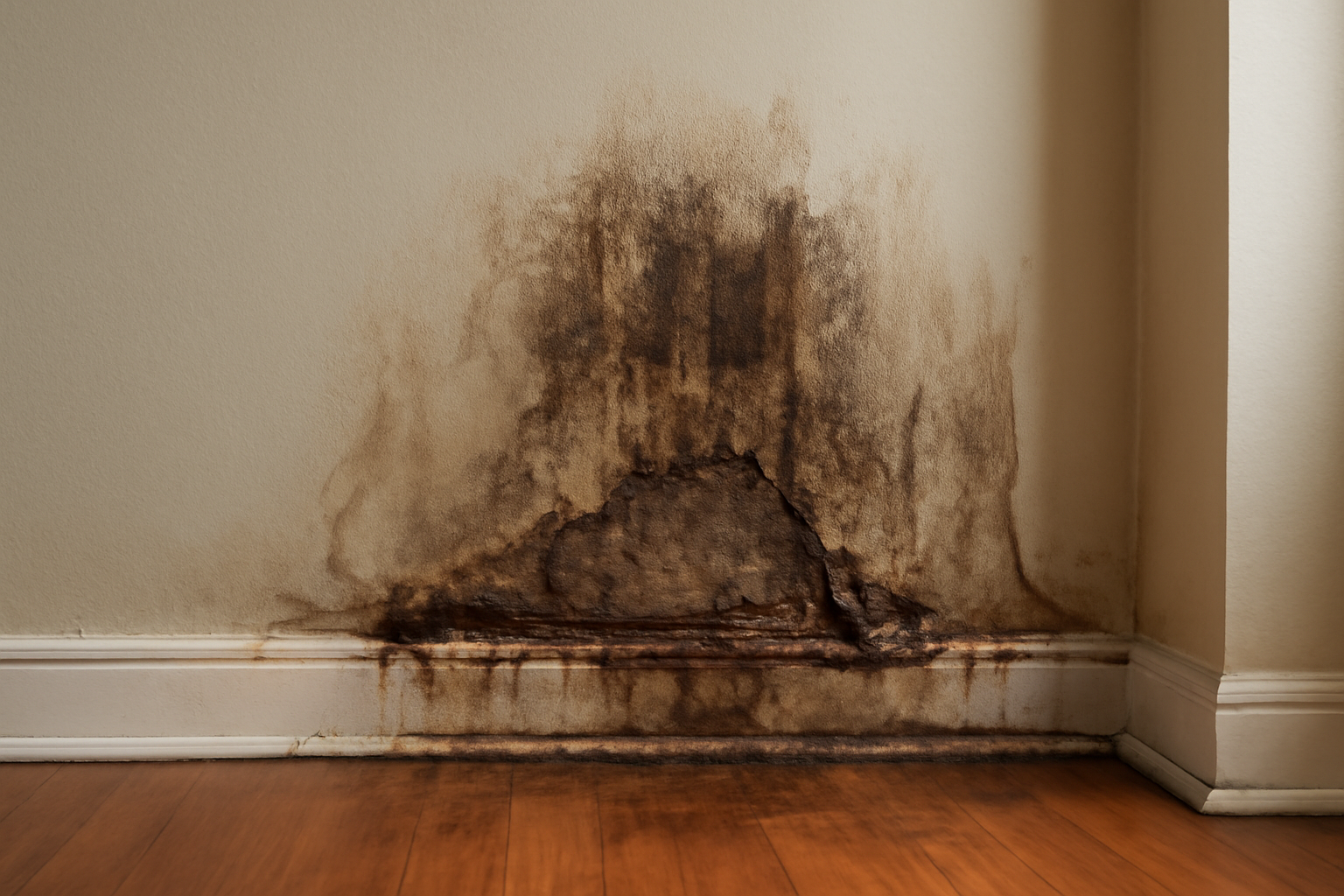
Warning Signs You Need Behind Wall Water Damage Restoration
Catching water damage early, especially when it’s hidden behind your walls, can save you a significant amount of money and prevent much larger structural issues down the line. Your home might be telling you something’s wrong, even if you can’t see the water itself. Paying attention to these subtle clues is the first line of defense against hidden moisture problems. We help homeowners in your neighborhood identify and address these issues fast.
Musty or Damp Odors
A persistent smell of mildew or dampness, especially in rooms where you don’t expect moisture, is a strong indicator. This odor often comes from mold and mildew that are feeding on moisture trapped within your walls. Ignoring this unpleasant smell can mean a growing problem.
Visible Water Stains or Discoloration
If you notice new or expanding water spots, rings, or discoloration on your walls or ceiling, water is likely seeping through. These marks are a clear sign that moisture has penetrated the surface and is affecting the underlying materials. Don’t dismiss these visual cues of water intrusion.
Peeling or Bubbling Paint and Wallpaper
Moisture behind the paint or wallpaper causes the adhesive to fail, leading to peeling, blistering, or bubbling. This is a telltale sign that the drywall or plaster is becoming saturated. Watch for compromised surface finishes indicating a deeper issue.
Warped or Sagging Walls
When drywall or plaster becomes saturated, it can lose its structural integrity and begin to warp or sag. This is a more advanced sign of water damage and indicates that the materials are heavily compromised. A sagging wall section needs immediate attention.
Warm Spots on Walls
If you feel an unusually warm area on a wall, it could indicate a hot water leak behind it. This is a more serious situation that requires immediate attention to prevent scalding water from causing extensive damage. Be aware of unexpected temperature changes on surfaces.
Mold or Mildew Growth
Visible patches of mold or mildew, often black, green, or white, are definitive signs of water damage and poor air quality. Mold thrives in dark, damp environments like wall cavities. Addressing visible mold growth is crucial for your health.
Behind Wall Water Damage Restoration vs. DIY: When To Call a Professional
| Situation | DIY? | Call a Pro? | Why |
|---|---|---|---|
| Suspected minor pipe leak, visible but small drip | Maybe | Yes | Accurate leak detection and immediate drying are key to preventing hidden damage. |
| Musty smell in a room with no obvious source | No | Yes | Specialized equipment is needed to locate and dry moisture within walls. |
| Small, discolored patch on a wall | Maybe | Yes | Even small stains can indicate significant moisture behind the surface. |
| Bubbling paint or peeling wallpaper | No | Yes | This indicates saturation and potential structural weakening that requires professional drying. |
| Large area of wall feels damp or is actively leaking from behind | No | Yes | Extensive water intrusion requires professional containment, extraction, and drying protocols. |
| After a major plumbing failure (e.g., burst pipe) | Absolutely Not | Yes | This is a significant event requiring immediate, large-scale drying and damage assessment. |
For any situation where you can’t see the water source or the damage is more than just a surface issue, calling a professional is the safest bet. Our trained technicians have the tools and knowledge to accurately assess and effectively restore behind-wall water damage. We ensure your home is dried properly, preventing future mold and structural problems.
Behind Wall Water Damage Restoration Cost In Conyers, GA
The cost for behind wall water damage restoration in Conyers, GA, can vary widely depending on the complexity of the leak, the size of the affected area, and the extent of the damage. These figures are estimates to give you an idea of what to expect. We always provide a detailed, transparent estimate after an on-site assessment.
| Service | Typical Price Range | What Affects Cost |
|---|---|---|
| Leak Detection & Assessment | $300 – $800 | Complexity of the leak, accessibility, and types of equipment needed. |
| Containment & Access Creation | $400 – $1,200 | Size of the affected wall area and complexity of creating access points. |
| Water Extraction (from cavities) | $500 – $1,500 | Volume of water present and the difficulty in accessing it. |
| Specialized Drying (Air Movers, Dehumidifiers) | $700 – $2,500 per week | Size of the affected area, materials needing drying, and duration required. |
| Mold Prevention/Treatment (if necessary) | $500 – $2,000+ | Severity of mold growth and the area requiring treatment. |
| Temporary Patching/Securing | $200 – $600 | Size and number of access holes needing temporary covering. |
The final cost will depend on a thorough inspection of your property. We offer free, no-obligation estimates to provide you with an accurate price for restoring your home.
Service Areas Near Conyers, GA
Social Circle, Oxford, Covington, Lithonia, Stone Mountain, Snellville, Loganville, McDonough, Stockbridge, Jonesboro, Decatur, Atlanta, Chamblee, Doraville, Duluth, Suwanee, Lawrenceville, Lilburn, Tucker, Scottdale
Common Questions About Behind Wall Water Damage Restoration
How long does it take to dry out walls?
Drying behind walls can take anywhere from a few days to several weeks, depending on the severity of the water intrusion and the materials involved. We use advanced monitoring equipment to ensure we dry your property to safe, industry-standard levels, not just until it looks dry. We’ll keep you informed about the progress.
Will my insurance cover behind wall water damage?
Coverage often depends on the cause of the water damage. Leaks from internal plumbing are typically covered, while flood damage might require separate insurance. We can help document the damage for your insurance claim and work with adjusters to ensure you receive fair coverage for restoration services. It’s always best to check your specific policy.
Is there a risk of mold if water is behind my walls?
Yes, absolutely. Mold can start growing within 24-48 hours in damp environments. That’s why rapid response and thorough drying are critical for behind wall water damage. Our team prioritizes preventing mold growth through immediate action and specialized drying techniques.
What kind of equipment do you use to dry walls?
We use a variety of specialized tools, including infrared cameras for detecting hidden moisture, moisture meters to measure saturation levels, high-speed air movers to increase evaporation, and powerful LGR (Low-Grain Refrigerant) dehumidifiers to extract moisture from the air. This advanced equipment allows us to dry your walls effectively and efficiently.
Can I just drill holes in my wall to let it dry?
While drilling small holes might help a little, it’s rarely enough to properly dry out saturated wall cavities. Professional drying requires precise placement of equipment and controlled environmental conditions to ensure complete moisture removal. Without the right approach, you risk incomplete drying, leading to mold and structural issues.
Check Our Other Relevant Services

Jerry Johns is a licensed Damage Restoration Expert with over 20 years of hands-on experience helping homeowners and businesses navigate property crises. As a trusted authority in the field, Jerry combines technical precision with a compassionate approach to disaster recovery.
𝗖𝗲𝗿𝘁𝗶𝗳𝗶𝗰𝗮𝘁𝗶𝗼𝗻𝘀: Jerry holds multiple elite IICRC certifications, including Water Damage Restoration (WRT), Applied Microbial Remediation (Mold), Applied Structural Drying (ASD), Odor Control, and Fire and Smoke Restoration.
𝗙𝗮𝘃𝗼𝗿𝗶𝘁𝗲 𝗣𝗮𝘀𝘁𝗶𝗺𝗲: When he isn’t on a job site, Jerry is an avid outdoorsman who enjoys fly fishing and restoring vintage woodworking tools.
𝗕𝗲𝘀𝘁 𝗣𝗮𝗿𝘁 𝗼𝗳 𝘁𝗵𝗲 𝗝𝗼𝗯: Jerry finds the most fulfillment in seeing the relief on a client’s face when their property is finally restored to its pre-loss condition, turning a stressful disaster into a fresh start.


