
Trusted by 165+ Homeowners
Behind Wall Water Damage Restoration in Hapeville, GA
- Over 165 5-Star Reviews
- Free Estimates and Quotes
- 100% Satisfaction Guaranteed
- Child, Family & Pet Safe Steps
- 24-Hour Emergency Service
- Fully Licensed & Insured
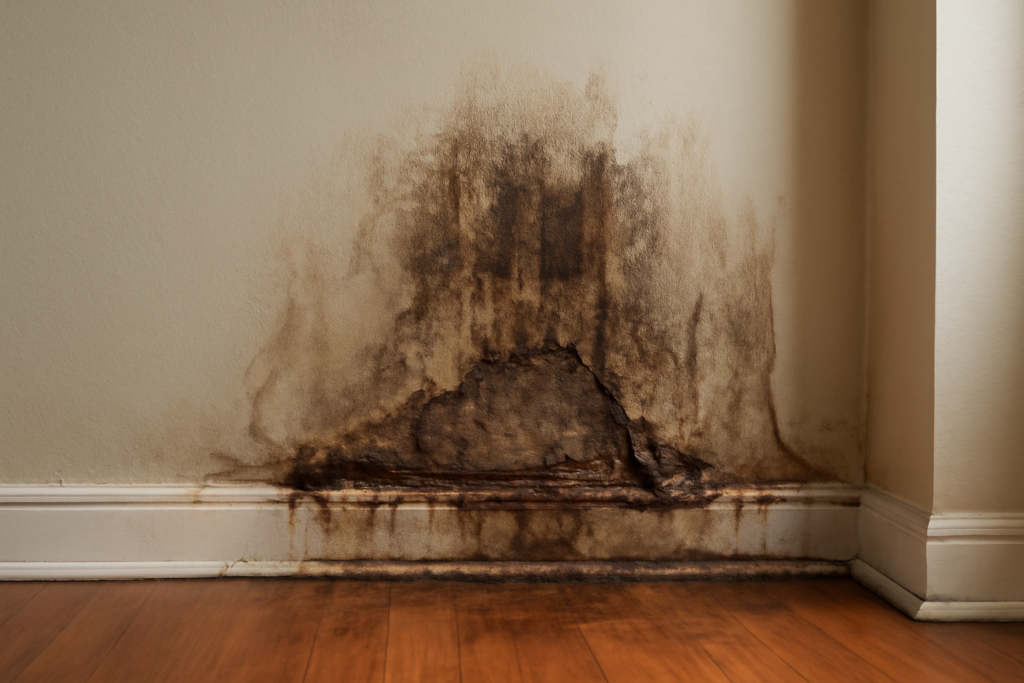
Don’t Let Hidden Water Ruin Your Home in Hapeville, GA
Many homeowners in Hapeville, GA, don’t realize they have a problem until it’s already causing significant damage. A common mistake is assuming that a small leak you can’t see won’t cause much harm. However, water hidden behind your walls can spread quickly, leading to structural integrity issues and mold growth before you even notice a damp spot on the paint. You’re looking at potentially serious problems if you delay addressing invisible water intrusion.
We’ve helped over 165 families in your neighborhood recover from water damage, and they consistently tell us they chose us because of our focus on this specific, often overlooked, type of restoration. When water hides, it needs a specialized approach, and our team brings that expertise right to your doorstep. We understand that dealing with hidden water problems can be incredibly stressful, and we’re here to make the process as clear and manageable as possible.
- We specialize in pinpointing the exact source and extent of water that’s seeped into your walls, preventing guesswork and ensuring thorough drying.
- Our advanced equipment can detect moisture deep within structures, allowing us to intervene before mold has a chance to establish itself and spread.
- We focus on restoring your home’s health and safety by meticulously removing trapped moisture and preventing long-term damage to your building materials.
How We Tackle Behind Wall Water Damage
When water gets behind your walls, it’s an emergency that requires a rapid and systematic response. Unlike surface water, this type of damage can compromise your home’s foundation and create unhealthy living conditions if not handled correctly. Delaying professional intervention means the water continues to spread, making the eventual restoration more complex and significantly more expensive. Our process is designed for speed and effectiveness, focusing on immediate moisture extraction and targeted drying to protect your property.
1. Initial Assessment and Moisture Detection
The first step is always a thorough inspection. Our technicians use specialized tools like infrared cameras and moisture meters to locate exactly where the water is hiding behind your drywall or plaster. This non-invasive assessment is crucial for understanding the scope of the problem and developing a precise drying plan. This phase typically takes a few hours, depending on the size of the affected area.
2. Water Extraction and Containment
Once we’ve located the water, we’ll immediately begin extracting it. We use powerful, truck-mounted extraction units to remove as much standing water as possible from wall cavities and subflooring. We also set up containment barriers to prevent any remaining moisture from spreading further into unaffected areas of your home. This critical phase aims to remove the bulk of the water within the first 24 hours.
3. Structural Drying
This is where specialized equipment comes into play. We strategically place high-velocity air movers and industrial-grade dehumidifiers around your property to create optimal drying conditions. These machines work together to accelerate evaporation, pulling moisture out of materials and into the air, which is then collected by the dehumidifiers. This process can take several days, often between 2 to 5 days, depending on the severity.
4. Antimicrobial Treatment
To prevent mold and mildew growth, which thrives in damp environments, we apply EPA-approved antimicrobial treatments to affected areas. This step is vital for ensuring the long-term health and safety of your home’s environment. We’ll treat all areas that were exposed to moisture to create a healthy indoor atmosphere.
5. Monitoring and Verification
We don’t just set up equipment and leave. Our team will continuously monitor the drying process, taking readings with moisture meters to ensure your walls and structural components are drying to safe, acceptable levels. We’ll keep you informed every step of the way, and this verification ensures the job is done right before we pack up.
Don’t let hidden water cause hidden damage. Contact us immediately if you suspect water behind your walls for a rapid response. We’re ready to help you protect your investment.
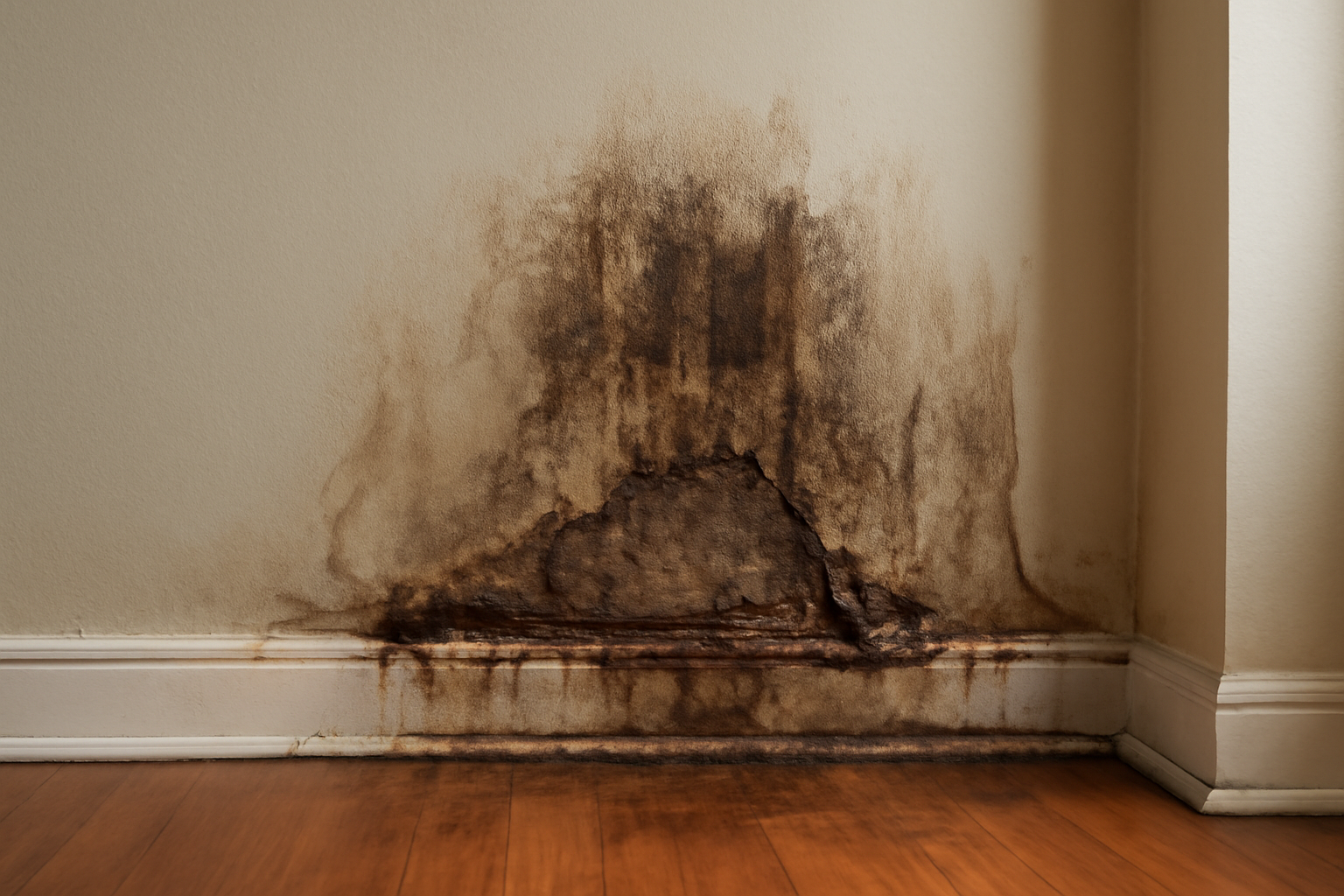
Warning Signs You Need Behind Wall Water Damage Restoration
Catching the signs of water damage early is incredibly important. Even small amounts of water that go unnoticed can lead to major structural issues and health hazards. Being aware of these subtle indicators can save you a lot of money and prevent more extensive problems down the line.
Musty Odors That Won’t Go Away
A persistent, damp, or mildew-like smell, especially in specific rooms or near plumbing, is a strong indicator of trapped moisture. This odor often signals that mold is starting to grow behind your walls or under flooring.
Discolored Walls or Ceilings
Look for new or expanding water stains, dark spots, or peeling paint on your walls or ceilings. These are direct visual cues that water has penetrated the surface and is likely accumulating within the structure.
Warped or Softened Drywall
Areas of your drywall that feel soft, spongy, or appear to be bulging outward suggest that the material has absorbed a significant amount of water. This indicates structural weakness is developing.
Buckling or Stained Baseboards
Water migrating down walls often collects at the baseboards, causing them to warp, swell, or show noticeable water stains. This is a clear sign that water has entered the lower wall cavities.
Unexplained High Water Bill
A sudden, significant increase in your water bill without any obvious reason could point to a hidden leak within your plumbing system. This hidden leak is likely causing water to seep into your walls.
Sounds of Dripping or Running Water
Hearing faint dripping sounds or the sound of running water when no fixtures are in use can mean you have a pipe leak inside a wall. This is a direct indication of active water intrusion.
Behind Wall Water Damage Restoration vs. DIY: When To Call a Professional
| Situation | DIY? | Call a Pro? | Why |
|---|---|---|---|
| Small, visible spill on floor | Yes | No | Easily cleaned up with towels and fans. |
| Suspected leak behind a wall | No | Yes | Requires specialized detection and drying equipment. |
| Water stain on ceiling | Maybe | Yes | Could be a small leak or a major roof/pipe issue needing diagnosis. |
| Musty odor in a room | No | Yes | Likely indicates mold growth behind surfaces, needing professional remediation. |
| Visible mold growth | No | Yes | Requires containment and specific cleaning protocols to prevent spread. |
| Warped drywall or flooring | No | Yes | Suggests significant water saturation and potential structural damage. |
For any situation involving water you can’t see, or if you notice signs like mold or structural damage, calling a professional is the only sensible choice. DIY attempts in these scenarios often lead to incomplete drying and the long-term problems that come with it.
Behind Wall Water Damage Restoration Cost In Hapeville, GA
The cost for behind wall water damage restoration in Hapeville, GA, can vary widely. Factors like the size of the affected area, the extent of saturation, and whether structural drying or minor repairs are needed all play a role. These price ranges are meant to give you an idea of what to expect.
| Service | Typical Price Range | What Affects Cost |
|---|---|---|
| Moisture Detection and Assessment | $300 – $800 | Complexity of the issue and equipment needed for diagnosis. |
| Water Extraction from Cavities | $500 – $2,500 | Amount of standing water and accessibility of the affected wall sections. |
| Structural Drying (Equipment Rental) | $700 – $3,000 per day | Duration of drying needed, size of the space, and number of units required. |
| Antimicrobial Treatment | $200 – $600 | Size of the area treated and the type of solution used. |
| Minor Drywall Repair and Patching | $400 – $1,500 | Square footage of drywall to be replaced and finishing work. |
| Dehumidifier and Air Mover Rental | $100 – $300 per day | Number of days equipment is needed and the quantity of units deployed. |
To get an accurate price for your specific situation, our team offers free on-site estimates. We’ll assess the damage and provide a detailed breakdown so you know exactly what to expect.
Service Areas Near Hapeville, GA
Atlanta, East Point, College Park, Forest Park, Riverdale, Jonesboro, Morrow, Union City, Red Oak, Conley, Scottdale, Clarkston, Lilburn, Stone Mountain, Tucker, Decatur, Chamblee, Doraville, Norcross, Duluth.
Common Questions About Behind Wall Water Damage Restoration
What is the fastest way to dry out walls after a leak?
The fastest and most effective way to dry out walls is to hire professionals who use specialized equipment. Our team employs high-velocity air movers and industrial-grade dehumidifiers designed to rapidly extract moisture from wall cavities and building materials. We also use advanced moisture meters to ensure complete structural drying, preventing secondary damage like mold growth.
How much does it cost to fix water damage behind walls?
The cost can range from a few hundred dollars for minor leaks and drying to several thousand for extensive saturation and repairs. Factors like the source of the leak, the extent of the water intrusion, and whether mold has started to grow will influence the final price. We offer transparent estimates and work efficiently to minimize costs wherever possible.
Will my homeowner’s insurance cover behind wall water damage?
Often, homeowner’s insurance policies will cover damage caused by sudden and accidental water leaks, such as a burst pipe. However, coverage for damage from slow leaks or lack of maintenance might be excluded. It’s always best to check your specific policy details and contact your insurance provider. We can help document the damage for your claim, ensuring you have all necessary documentation.
How long does it take to dry out walls after a leak?
Drying out walls after a hidden leak typically takes between 2 to 5 days, but this can vary significantly. The duration depends on the amount of water involved, the type of building materials, and the efficiency of the drying equipment used. Our team continuously monitors the process to ensure your home is dried to safe moisture levels as quickly as possible.
Can I prevent water damage behind my walls?
Preventing behind wall water damage involves regular maintenance of your plumbing and home exterior. This includes inspecting pipes for leaks, ensuring proper drainage around your foundation, and checking seals on windows and doors. If you do discover a leak, addressing it immediately with professional help is the best way to prevent further, hidden damage and ensure long-term structural health.
Check Our Other Relevant Services
- Apartment Water Damage Restoration in Hapeville, GA
- After Hours Water Damage Service in Hapeville, GA
Serving Hapeville, GA And Nearby Areas


