Trusted by 165+ Homeowners
Behind Wall Water Damage Restoration in Hoschton, GA
- Over 165 5-Star Reviews
- Free Estimates and Quotes
- 100% Satisfaction Guaranteed
- Child, Family & Pet Safe Steps
- 24-Hour Emergency Service
- Fully Licensed & Insured
Expert Behind Wall Water Damage Restoration in Hoschton, GA
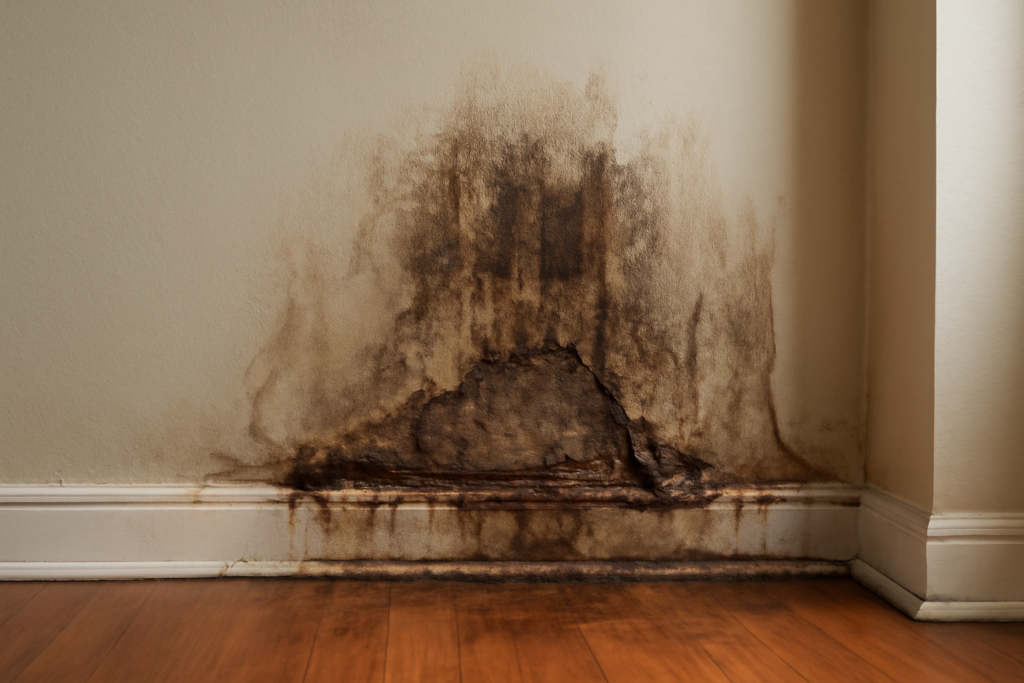
We’ve seen a lot of homes around Hoschton, GA, and we know that water damage hiding behind your walls is one of the trickiest problems a homeowner can face. It doesn’t matter if it’s a slow leak from a faulty pipe in an older house or a sudden burst behind drywall in a newer build; the consequences are always serious. Unseen moisture can quickly lead to significant structural compromise and create an environment for unhealthy mold growth. Our team has spent years mastering the techniques to find, dry, and restore these hidden water issues.
You’ll find over 165 five-star reviews from your neighbors detailing how we’ve tackled their toughest behind-wall water damage situations. Local homeowners trust us because we don’t just fix the visible problem; we get to the root cause and ensure your property is truly dry. You’re not just getting a repair; you’re getting a thorough, professional assessment and a plan to get your home back to normal. We understand the stress this causes, and we’re committed to making the experience as smooth as possible for you.
- We use specialized equipment to pinpoint the exact source and extent of hidden moisture, preventing unnecessary demolition and saving you money.
- Our advanced drying technology extracts water vapor from within wall cavities, stopping mold before it starts and protecting your home’s integrity.
- We handle the complexity of insurance claims for hidden water damage, making a difficult process much easier for you.
How Behind Wall Water Damage Restoration Actually Works
Dealing with water damage behind your walls requires a specific, methodical approach that goes beyond just patching a hole. If the moisture isn’t completely removed from the framing, insulation, and drywall, you’re setting yourself up for bigger problems down the line. We’ve developed a process refined through countless jobs to ensure every bit of hidden water is dealt with effectively. Our goal is always to restore your home safely and prevent future issues, not just to make it look okay on the surface. You deserve a long-lasting repair, and our detailed process guarantees that.
1. Initial Inspection and Assessment
This is where we start. Our technicians use tools like moisture meters and infrared cameras to accurately locate the water source and map out how far it has spread within your walls. This detailed assessment ensures we understand the full scope of the problem before any work begins, preventing unnecessary property damage during the restoration process. We’ll explain exactly what we find and how we plan to address it.
2. Water Extraction
Once the source is identified and stopped, we begin extracting the bulk of the water. For behind-wall damage, this often involves carefully drilling small access holes to insert specialized extraction tools and hoses. This step is crucial for removing standing water and preventing further saturation of your home’s structure. We use powerful, professional-grade equipment to get the job done efficiently.
3. Structural Drying
This is perhaps the most critical phase for hidden water damage. We place industrial-grade air movers and dehumidifiers strategically to create airflow within the wall cavities and the surrounding rooms. This process draws out trapped moisture, drying out the studs, insulation, and drywall from the inside out. It takes time, sometimes days, but it’s essential for preventing long-term structural issues and mold growth.
4. Mold Prevention and Remediation
Where water has been present behind walls, mold growth is a significant risk. We actively treat affected cavities with antimicrobial solutions to prevent mold from taking hold. If mold has already started to develop, our certified technicians will safely remove it according to strict protocols, ensuring your home is a healthy living environment again.
5. Reconstruction and Finishing
After the area is thoroughly dried and any necessary mold remediation is complete, we move to reconstruction. This involves repairing or replacing damaged drywall, insulation, and any affected structural components. Our goal is to return your walls to their original condition, making the damage virtually disappear. You’ll be impressed with the seamless restoration work we provide.
Don’t let hidden water damage compromise your home’s integrity or your family’s health. Call us today to get a professional assessment and start the restoration process. We’ll help you secure your investment and restore your peace of mind.
Warning Signs You Need Behind Wall Water Damage Restoration
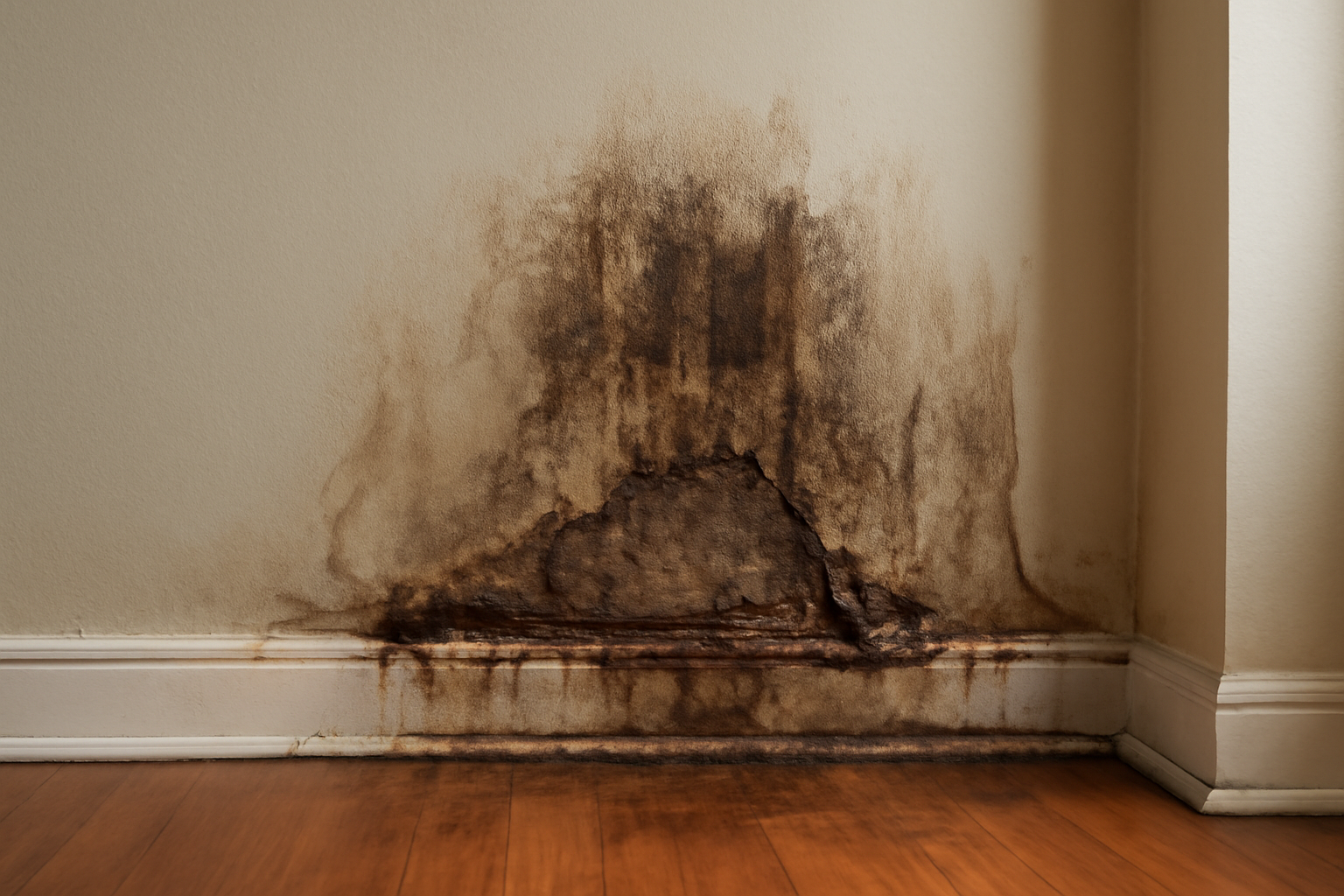
Catching the signs of water damage behind your walls early can save you a significant amount of money and prevent much larger, more complex problems. Ignoring these subtle clues can lead to serious structural damage and health risks. It’s important to be aware of what to look for in your home. Recognizing these symptoms is the first step to protecting your property. We’re here to help you understand what these signs mean.
Musty Odors That Won’t Go Away
A persistent, musty or earthy smell, especially in rooms with no obvious source of moisture, is a classic indicator of water trapped somewhere hidden. This smell often signals the early stages of mold growth fueled by dampness. You can’t see the problem, but your nose knows something is wrong. Investigate these smells immediately.
Discolored or Peeling Paint and Wallpaper
Look for bubbling, peeling, or cracking paint and wallpaper on your walls, particularly near the baseboards or ceilings. This is often caused by moisture pushing the finish away from the surface. It’s a clear sign that water is saturating the drywall from behind. This visual cue demands prompt professional attention.
Stains on Walls or Ceilings
Brown or yellowish water stains appearing on your walls or ceilings are direct evidence of water intrusion. These stains indicate that water is seeping through the material and leaving behind mineral deposits. Don’t paint over them without addressing the source first; it’s a critical warning signal.
Soft or Warped Drywall
If sections of your drywall feel soft to the touch, sound hollow when tapped, or appear to be sagging or warping, it’s a strong indication that the material has become saturated with water. This can lead to structural weakness and needs immediate attention. This symptom points to significant moisture buildup.
Unexplained High Water Bills
A sudden, unexplained increase in your water bill, even when your water usage habits haven’t changed, could mean you have a hidden leak somewhere in your plumbing system. This leak might be small, but it could be slowly damaging the structure behind your walls. Track your usage and look for sudden spikes.
Mold or Mildew Growth
Visible patches of mold or mildew on your walls, especially in areas that are typically dry, are a serious health concern and a direct result of hidden moisture. These growths thrive in dark, damp environments like behind drywall. This is an urgent sign requiring immediate professional intervention.
Behind Wall Water Damage Restoration vs. DIY: When To Call a Professional
| Situation | DIY? | Call a Pro? | Why |
|---|---|---|---|
| Small, visible leak from a pipe that’s easily accessible and has just occurred. | Yes | No | You can likely turn off the water and make a temporary fix yourself. |
| Musty odor but no visible signs of water damage. | No | Yes | Hidden moisture requires specialized tools to locate and dry effectively. |
| Water stains appearing on a ceiling or wall. | No | Yes | Stains mean water has already penetrated the material and needs professional drying. |
| Suspected leak behind a finished wall with no obvious access. | No | Yes | Pinpointing and drying requires advanced equipment and expertise. |
| Minor condensation on pipes that dries quickly. | Yes | No | This is often normal and not a sign of significant damage. |
| Warped drywall or peeling paint suggesting long-term moisture exposure. | No | Yes | This indicates extensive saturation and potential structural compromise. |
For behind-wall water damage, calling a professional is almost always the right choice. While simple, surface-level leaks might be manageable for a DIYer, the unseen nature of moisture behind your walls demands specialized knowledge and equipment to prevent lasting structural damage and mold. Our team ensures the problem is solved thoroughly and safely.
Behind Wall Water Damage Restoration Cost In Hoschton, GA
The cost for behind-wall water damage restoration in Hoschton, GA, can vary significantly based on the extent of the water intrusion, the size of the affected area, and the complexity of accessing and drying the hidden moisture. These are estimates to give you a general idea of potential expenses. Specific pricing depends on a thorough, on-site assessment of your property’s unique situation.
| Service | Typical Price Range | What Affects Cost |
|---|---|---|
| Leak Detection and Assessment | $300 – $1,000 | The number of tools needed and the complexity of the property layout. |
| Water Extraction from Wall Cavities | $500 – $2,500 | The volume of water present and the accessibility of the affected areas. |
| Structural Drying (Air Movers, Dehumidifiers) | $400 – $1,500 per day | The duration needed to achieve proper drying levels, often several days. |
| Mold Prevention Treatment | $200 – $800 | The size of the area treated and the type of preventative solutions used. |
| Drywall Repair and Replacement | $200 – $1,000 per section | The amount of drywall needing replacement and finishing complexity. |
| Insulation Removal and Replacement | $100 – $400 per linear foot | The type of insulation and the amount that must be removed and replaced. |
These figures represent potential costs, and an accurate estimate can only be provided after our team performs a detailed inspection of your property. We offer free, no-obligation estimates to help you understand the full scope and cost of the restoration needed. We want to make the process transparent and manageable for you.
Service Areas Near Hoschton, GA
Braselton, Flowery Branch, Oakwood, Clermont, Gainesville, Buford, Suwanee, Lawrenceville, Duluth, Sugar Hill, Johns Creek, Cumming, Alpharetta, Milton, Norcross, Snellville, Grayson, Dacula, Winder, Auburn
Common Questions About Behind Wall Water Damage Restoration
My water bill spiked, and I think I have a leak behind my wall. What should I do first?
Your first step should be to locate your main water shut-off valve and turn off the water supply to your home to prevent further damage. Then, look for any visible signs of moisture or listen for unusual sounds like dripping. It’s crucial to get a professional assessment quickly to identify the exact location and cause of the leak. Our team uses specialized equipment to accurately diagnose and stop these hidden water issues, saving you from potential structural damage.
How long does it typically take to dry out walls after water damage?
The drying process for behind-wall water damage can take anywhere from 24 hours to several weeks, depending on the extent of the saturation, the materials involved, and the environmental conditions. We use advanced drying equipment like industrial dehumidifiers and air movers to accelerate this process significantly. Our goal is always to achieve proper drying standards as efficiently as possible, ensuring no moisture remains to cause future problems.
Is behind-wall water damage dangerous to my health?
Yes, it can be. Trapped moisture behind walls creates an ideal environment for mold and mildew growth, which can release spores into your air supply. Inhaling these spores can lead to a range of health issues, from allergies and respiratory problems to more severe reactions in sensitive individuals. We take mold prevention very seriously and use antimicrobial treatments to ensure your home is safe and healthy after restoration.
What kind of equipment do you use to find and dry water behind walls?
Our technicians utilize a variety of advanced tools, including infrared cameras that detect temperature differences caused by moisture, and penetrating moisture meters that measure water content within building materials. For drying, we deploy powerful air movers to create airflow within wall cavities and high-capacity dehumidifiers to remove moisture from the air. This specialized equipment allows us to accurately locate, extract, and dry hidden water, providing a thorough restoration.
Can I just paint over water stains on my wall to fix it?
Painting over water stains without addressing the underlying moisture problem is a temporary cosmetic fix that will not solve the actual issue and can lead to more significant problems later. The moisture will continue to degrade the drywall and potentially encourage mold growth. It’s essential to have the source of the water damage identified and the affected areas professionally dried and repaired to ensure long-term structural integrity and a healthy home environment.
Check Our Other Relevant Services

Jerry Johns is a licensed Damage Restoration Expert with over 20 years of hands-on experience helping homeowners and businesses navigate property crises. As a trusted authority in the field, Jerry combines technical precision with a compassionate approach to disaster recovery.
𝗖𝗲𝗿𝘁𝗶𝗳𝗶𝗰𝗮𝘁𝗶𝗼𝗻𝘀: Jerry holds multiple elite IICRC certifications, including Water Damage Restoration (WRT), Applied Microbial Remediation (Mold), Applied Structural Drying (ASD), Odor Control, and Fire and Smoke Restoration.
𝗙𝗮𝘃𝗼𝗿𝗶𝘁𝗲 𝗣𝗮𝘀𝘁𝗶𝗺𝗲: When he isn’t on a job site, Jerry is an avid outdoorsman who enjoys fly fishing and restoring vintage woodworking tools.
𝗕𝗲𝘀𝘁 𝗣𝗮𝗿𝘁 𝗼𝗳 𝘁𝗵𝗲 𝗝𝗼𝗯: Jerry finds the most fulfillment in seeing the relief on a client’s face when their property is finally restored to its pre-loss condition, turning a stressful disaster into a fresh start.