
Trusted by 165+ Homeowners
Behind Wall Water Damage Restoration in Irondale, GA
- Over 165 5-Star Reviews
- Free Estimates and Quotes
- 100% Satisfaction Guaranteed
- Child, Family & Pet Safe Steps
- 24-Hour Emergency Service
- Fully Licensed & Insured
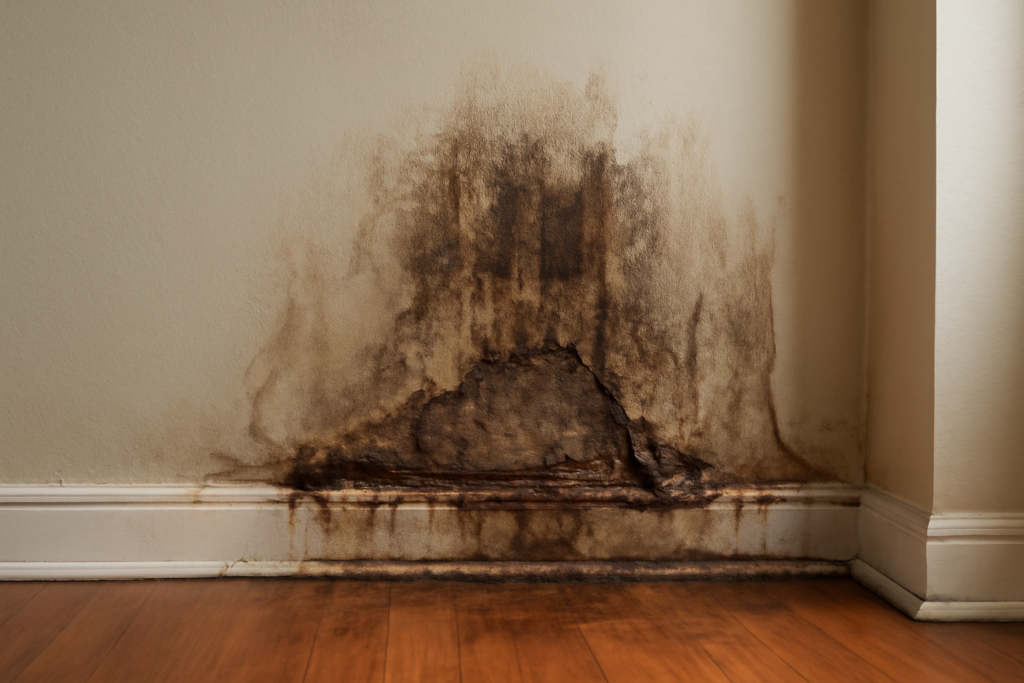
Don’t Let Hidden Leaks Cause Hidden Havoc in Irondale, GA
It’s easy to miss water damage when it’s hiding behind your walls. You might notice a strange smell, some discoloration on the ceiling or walls, or maybe your water bill has suddenly spiked without explanation. These are often the first signs that water is seeping where it shouldn’t be, silently causing trouble in your Irondale, GA home. Ignoring these subtle clues can lead to much bigger, more expensive problems down the line, like structural damage and mold growth. Acting quickly when you suspect hidden water intrusion is the smartest first step you can take.
We understand how stressful it can be to discover potential water damage, especially when you can’t see exactly where it’s coming from. That’s why we’ve built a reputation among your neighbors for being the trusted team to handle these tricky situations. With over 165 five-star reviews from homeowners in the area, you know you’re choosing a team that consistently delivers reliable results for behind wall water damage. We’re dedicated to providing a clear, efficient, and effective response when your home needs it most, bringing you practical solutions and proven expertise.
- Rapid Detection of Hidden Moisture: We use advanced tools to pinpoint the exact source and extent of moisture behind your walls, preventing guesswork and ensuring targeted drying.
- Preventing Secondary Damage: Our immediate response and thorough drying process significantly reduce the risk of mold growth and structural compromise, saving you from future headaches.
- Protecting Your Property’s Value: Addressing behind wall water damage promptly helps maintain the integrity and long-term value of your home, avoiding costly repairs down the road.
How We Tackle Behind Wall Water Damage
When water gets behind your walls, it creates a hidden problem that requires a specialized approach. Ignoring it or attempting a quick fix often just masks the issue, allowing the damage to worsen unseen. Our team approaches behind wall water damage with a sense of urgency and precision. We know that the first 48 hours are critical for minimizing damage and preventing more extensive issues like mold. Our crews are equipped with the right tools and training to locate, extract, and dry the affected areas efficiently, ensuring your home is restored safely and effectively.
Initial Inspection and Assessment
Our process begins with a thorough inspection using specialized equipment. We employ tools like moisture meters and infrared cameras to accurately identify the extent of water intrusion behind your walls and ceilings. This detailed assessment helps us understand the full scope of the problem before we start any work.
Water Extraction and Removal
Once the source is located, we begin the water removal process. This often involves carefully accessing the affected wall cavity to remove standing water and saturated materials. We use powerful extraction equipment to pull out as much moisture as possible, which is a crucial step in preventing further damage.
Advanced Drying Techniques
After extraction, the real work of drying begins. We utilize industrial-grade dehumidifiers and air movers to create an environment that promotes rapid evaporation of moisture from wall cavities, insulation, and framing. This targeted drying process is essential to prevent mold and structural weakening.
Moisture Monitoring
Throughout the drying phase, we continuously monitor moisture levels using calibrated meters. This ensures that the affected areas are drying evenly and reach the appropriate dry standard. Regular checks help us verify drying progress and adjust our equipment as needed for optimal results.
Restoration and Repair
Once everything is completely dry, we move on to restoring your home. This may involve replacing damaged drywall, insulation, or other building materials. Our goal is to return your home to its pre-loss condition, ensuring a safe and healthy living environment.
Don’t let hidden water damage compromise your home’s integrity. Call us now for a prompt inspection and expert assessment of any behind wall water issues you suspect.
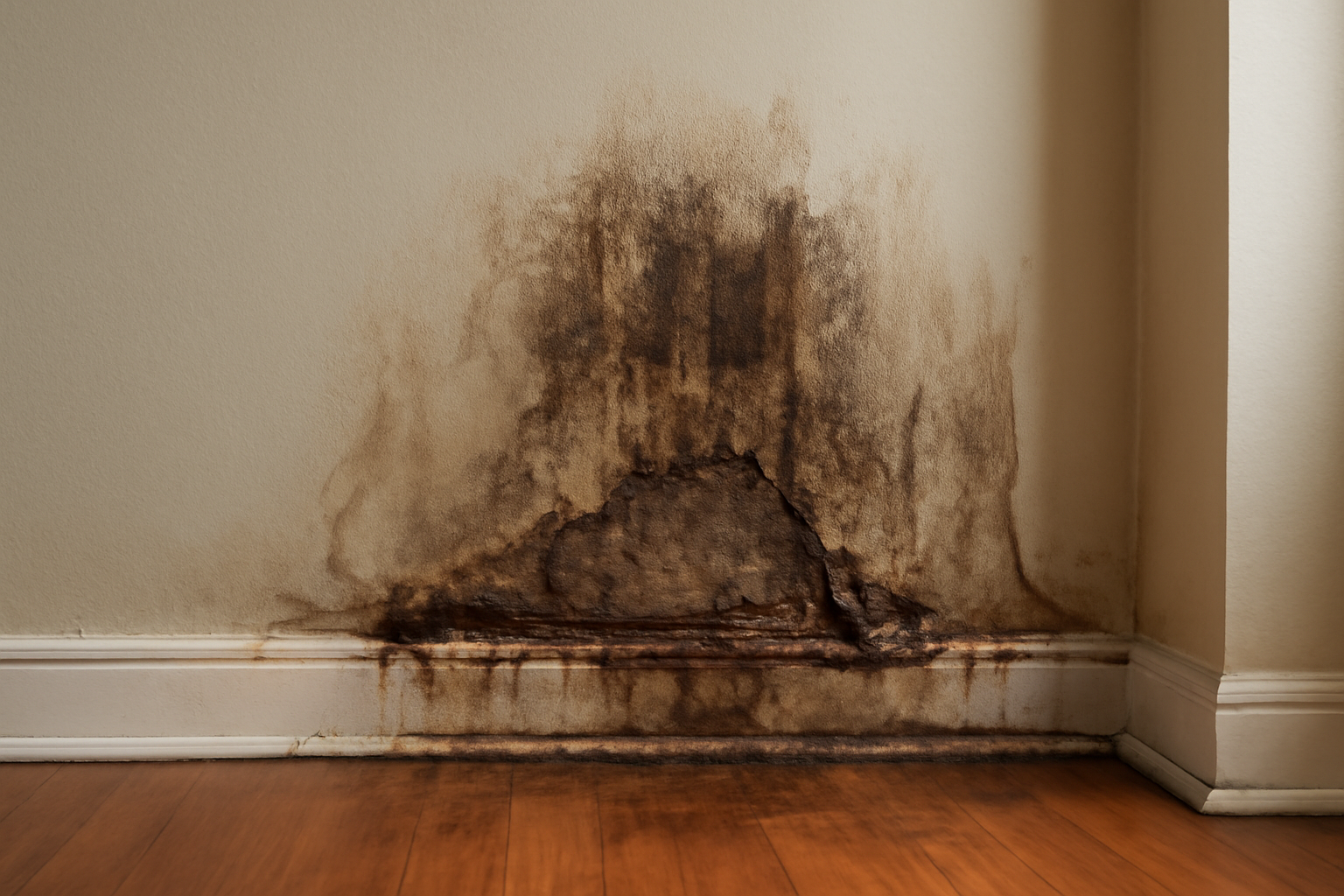
Warning Signs You Need Behind Wall Water Damage Restoration
Catching behind wall water damage early is key to preventing costly repairs and protecting your family’s health. These hidden issues can develop over time, and sometimes the signs are subtle. Recognizing these indicators can save you significant trouble and expense. Paying attention to these early warning signals is a smart way to safeguard your investment.
Musty Odors That Won’t Go Away
A persistent musty or earthy smell, especially near floors, walls, or ceilings, is a strong indicator of hidden moisture. This odor often signals that water has been trapped for a while, creating a breeding ground for mold. Don’t just mask the smell; investigate its source.
Discolored Walls or Ceilings
Look for water stains, streaks, or bubbling paint on your walls and ceilings. These visual cues are clear signs that water is penetrating the surface and potentially saturating materials behind it. Visible staining means damage is already occurring.
Increased Humidity Levels
If your home suddenly feels more humid than usual, even with air conditioning running, it could be due to undetected water leaks. High indoor humidity can lead to condensation inside walls, promoting decay. Unexplained humidity warrants a closer look.
Warped or Softened Drywall
Areas of drywall that feel soft, spongy, or look warped or bowed are often compromised by water. This indicates that the material has absorbed significant moisture and is losing its structural integrity. Soft spots are a serious sign of water saturation.
Peeling Wallpaper or Chipped Paint
Water trapped behind wallpaper or paint can cause it to peel, blister, or chip away from the wall surface. This is a direct result of moisture weakening the adhesive and the wall material itself. Deteriorating finishes often point to underlying water issues.
High Water Bills
A sudden, unexplained increase in your water bill can mean you have a hidden leak somewhere in your plumbing system. If you can’t find any visible leaks, the water might be escaping behind your walls. Anomalous utility costs deserve investigation.
Behind Wall Water Damage Restoration vs. DIY: When To Call a Professional
| Situation | DIY? | Call a Pro? | Why |
|---|---|---|---|
| Suspecting a small, surface-level damp spot on drywall. | Yes, with caution. | Maybe. | You might be able to dry it and monitor it, but a pro can confirm no hidden moisture. |
| Noticing a persistent musty odor behind a wall. | No. | Yes. | Odors indicate trapped moisture and potential mold, which requires specialized detection and drying. |
| Seeing visible water stains or discoloration on walls/ceilings. | No. | Yes. | Stains mean water has already penetrated materials, needing professional assessment and drying. |
| Experiencing warped or soft drywall sections. | Absolutely not. | Yes. | This indicates significant saturation and potential structural damage that requires immediate professional attention. |
| Dealing with an unexplained spike in your water bill. | Maybe, for initial checks. | Yes. | You can check visible fixtures, but hidden leaks behind walls need professional leak detection. |
| Concerned about mold growth after water intrusion. | No. | Yes. | Mold remediation requires specific safety protocols and equipment that only trained professionals possess. |
When it comes to water hidden behind your walls, professional intervention is almost always the wisest choice. DIY attempts can easily miss the full extent of the damage or fail to dry the area properly, leading to costly future repairs and potential health hazards like mold. Our team has the specialized equipment and knowledge to handle these complex situations effectively, ensuring your home is truly dry and safe.
Behind Wall Water Damage Restoration Cost In Irondale, GA
The cost of addressing behind wall water damage in Irondale, GA, can vary significantly based on several factors. These include the size of the affected area, the severity of the water intrusion, the complexity of accessing the damaged cavity, and the type of materials that need repair or replacement. These figures are general estimates to help you understand potential costs.
| Service | Typical Price Range | What Affects Cost |
|---|---|---|
| Leak Detection (Behind Walls) | $300 – $1,000 | Complexity of the plumbing, accessibility, and technology used. |
| Water Extraction (Wall Cavity) | $500 – $2,000 | Volume of water, ease of access to the cavity, and time required. |
| Structural Drying (Dehumidification & Air Movers) | $750 – $3,000+ | Size of the affected space, duration of drying needed, and number of pieces of equipment. |
| Moisture Monitoring & Testing | $200 – $600 | Frequency of checks and the tools required for accurate readings. |
| Drywall Repair/Replacement | $300 – $1,500+ | Square footage of drywall needing replacement and finishing work required. |
| Mold Assessment & Remediation (if necessary) | $1,000 – $7,500+ | Severity of mold growth, square footage affected, and containment needs. |
Understanding the exact cost requires a professional on-site assessment of your specific situation. We offer free, no-obligation estimates to give you a clear picture of what to expect for your unique needs.
Service Areas Near Irondale, GA
Avondale Estates, Chamblee, Clarkston, Decatur, Doraville, Dunwoody, East Point, Forest Park, Hapeville, Johns Creek, Lilburn, Lithonia, Marietta, Morrow, Norcross, Peachtree City, Riverdale, Roswell, Sandy Springs, Stone Mountain
Common Questions About Behind Wall Water Damage Restoration
How quickly do I need to address water behind my walls?
You need to address behind wall water damage as quickly as possible. The longer water sits trapped, the more it can compromise structural integrity, lead to mold growth, and damage insulation and electrical wiring. Our team prioritizes rapid response to mitigate these risks and begin the drying process immediately.
Will my homeowner’s insurance cover behind wall water damage?
Generally, homeowner’s insurance policies cover water damage resulting from sudden and accidental sources like pipe bursts. However, coverage for damage from slow leaks or neglect can be more complicated. It’s best to review your policy and contact your insurance provider, but we can help document the damage for your claim and work with your adjuster.
How do you find the water if it’s inside the wall?
We use specialized equipment like infrared cameras to detect temperature differences indicating moisture and electronic moisture meters to measure water content in building materials. This allows us to pinpoint the exact location of the leak and the extent of the water intrusion without unnecessary demolition, making the detection process precise.
What are the health risks associated with hidden water damage?
The primary health risk is mold growth, which can thrive in dark, damp wall cavities. Inhaling mold spores can cause allergic reactions, asthma symptoms, and other respiratory issues. Addressing behind wall water damage promptly helps prevent mold proliferation and ensures a healthier indoor environment.
Can I just drill holes in my wall to let it dry?
While drilling small holes might seem like a good idea, it’s often insufficient for proper drying and can sometimes make the situation worse by creating new entry points for air or pests. Professional drying requires controlled environments with specific equipment like dehumidifiers and air movers to ensure thorough moisture removal. We use industry-standard drying protocols to achieve the best results.
Check Our Other Relevant Services
Serving Irondale, GA And Nearby Areas


