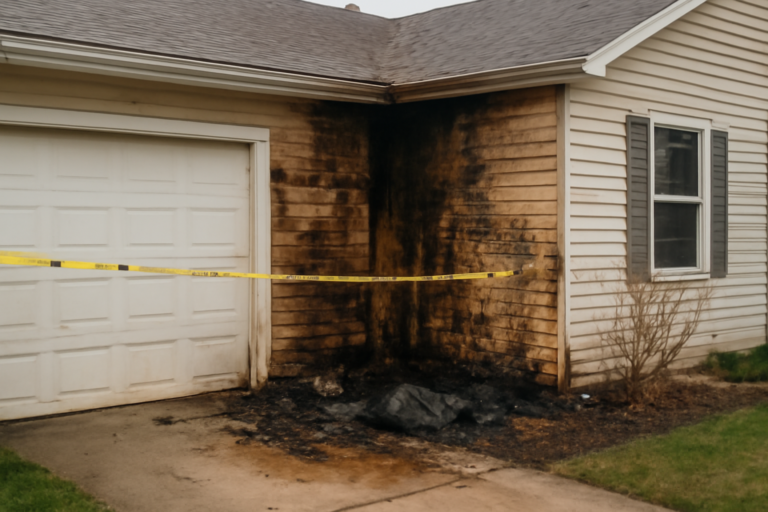
Trusted by 165+ Homeowners
Behind Wall Water Damage Restoration in McDonough, GA
- Over 165 5-Star Reviews
- Free Estimates and Quotes
- 100% Satisfaction Guaranteed
- Child, Family & Pet Safe Steps
- 24-Hour Emergency Service
- Fully Licensed & Insured
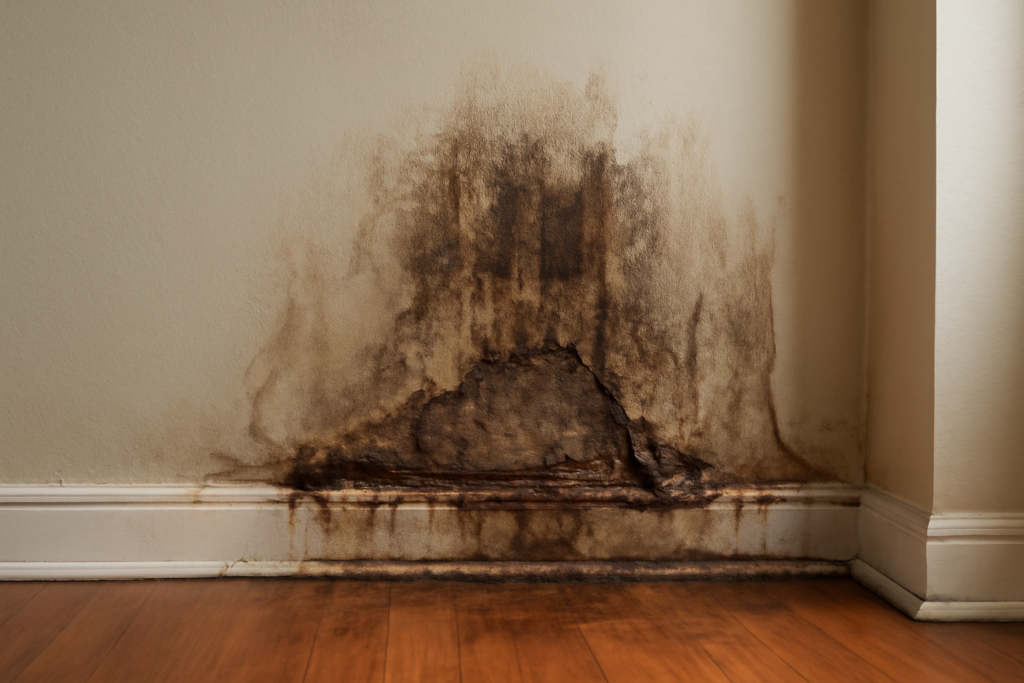
Hidden Dangers: Facing Behind Wall Water Damage in McDonough, GA
You notice it first as a faint, unsettling smell. Maybe it’s a small discoloration on your drywall, a bulging spot, or even a damp patch that just won’t dry. It’s the kind of problem that doesn’t make much noise, but it’s quietly wreaking havoc behind your walls. Dealing with water damage you can’t immediately see can feel overwhelming, but recognizing the signs and acting fast is key to protecting your home’s structure and your family’s health. We’re here to help you tackle these hidden threats.
Our local crews have helped hundreds of homeowners in your neighborhood deal with these unseen issues. With over 165 five-star reviews from satisfied clients, you can trust our team to handle your behind wall water damage with the care and expertise it demands. We understand the unique challenges properties face around here and are committed to restoring your home safely and effectively. We’ve seen it all, from tiny leaks that become big problems to more significant pipe bursts.
- We use specialized equipment to pinpoint the exact source and extent of hidden moisture, ensuring no damage is left untreated.
- Our drying protocols are scientifically designed to prevent mold growth and secondary damage, preserving your home’s integrity.
- We provide detailed documentation for your insurance claims, making the process smoother for you during a stressful time.
The Science Behind Drying Walls
When water gets behind your walls, it doesn’t just sit there; it spreads and can become a breeding ground for mold and bacteria. That’s why our approach to behind wall water damage restoration is highly technical and methodical. We don’t guess; we measure. Cutting corners on this type of restoration means you’ll likely face bigger, more expensive problems down the line, including structural compromise and significant health risks.
Initial Inspection and Containment
The first step involves a thorough inspection using advanced moisture meters and thermal imaging cameras to detect hidden water. Once we’ve located the affected areas, we’ll establish containment zones using plastic sheeting and negative air pressure to prevent the spread of moisture and potential contaminants to other parts of your home. This is crucial for a successful restoration.
Accessing the Damaged Area
To properly dry behind your walls, we often need to create small, strategic access points. This might involve carefully cutting into drywall. Our technicians are trained to make these openings as minimally invasive as possible, planning for easier repairs later. We want to get to the water, not create more work for you.
Water Extraction and Removal
Depending on the situation, we might use specialized pumps or extractors to remove standing water from wall cavities. Even small amounts of trapped water can cause significant issues if not removed promptly. This stage is about getting the bulk of the moisture out.
Advanced Drying Techniques
This is where our technical expertise truly shines. We deploy a combination of high-velocity air movers, LGR (Low-Grain Refrigerant) dehumidifiers, and sometimes even specialized drying mats or injection systems. These machines work together to draw moisture out of materials and the air, lowering humidity levels to a safe point. We monitor these levels constantly.
Moisture Monitoring and Verification
Throughout the drying process, our technicians will regularly take moisture readings in the affected materials and the surrounding air. We continue this process until we’ve verified that the materials have returned to their normal moisture content. This ensures the area is truly dry, preventing future mold or rot.
Don’t wait for signs of mold to appear. Contact us today for immediate assistance with your behind wall water damage. We’re ready to deploy our specialized equipment and bring your home back to normal.
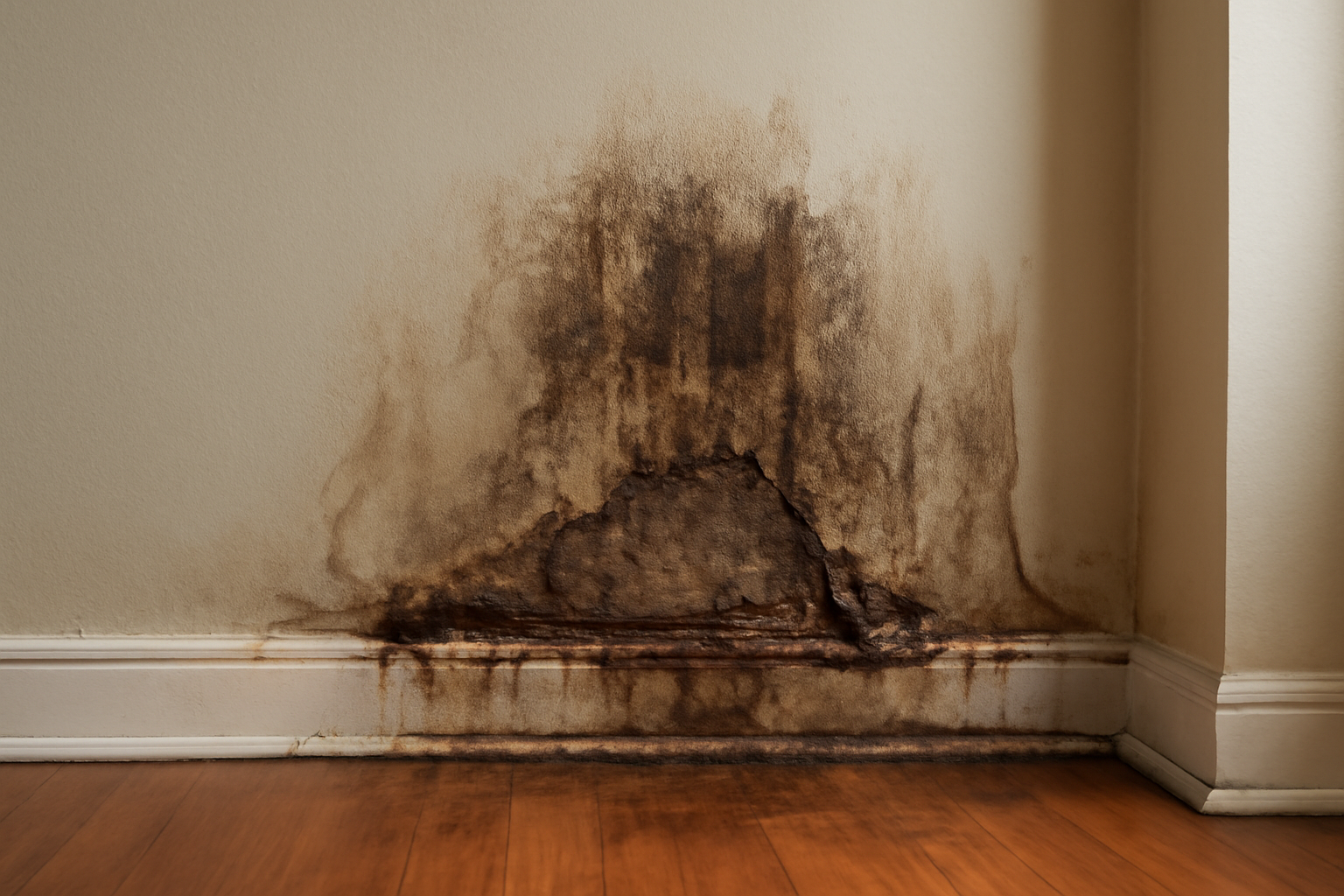
Warning Signs You Need Behind Wall Water Damage Restoration
Catching behind wall water damage early is critical. The longer water sits hidden, the more damage it can do to your home’s structure and your indoor air quality. Recognizing these subtle indicators can save you a lot of money and prevent serious health issues. It’s always better to be safe and have it checked out.
Musty Odors That Won’t Go Away
A persistent, damp, or musty smell, especially in rooms with no obvious water source, is a strong indicator of hidden moisture. This smell often comes from mold and mildew growing in dark, damp spaces behind your walls. Ignoring this odor is a serious health risk and a sign of active water intrusion.
Discolored or Warped Drywall
Look for unusual stains, dark spots, or areas where the paint seems to be peeling or bubbling on your walls. Warping or sagging drywall, especially near the baseboards or ceilings, indicates that the material is saturated with water. This is a clear visual cue that water is present and causing structural damage.
Soft or Spongy Spots on Walls
Gently press or tap on suspect areas of your walls. If you feel a soft, spongy, or yielding sensation, it means the drywall and insulation behind it are waterlogged. This compromised material can no longer support itself and requires immediate attention to prevent further collapse.
Unexplained High Water Bills
A sudden, significant increase in your monthly water bill without any change in your water usage habits can point to a hidden leak. These small, continuous leaks can go unnoticed for weeks or months, slowly saturating wall cavities. A sudden spike is a red flag for a hidden plumbing issue.
Peeling or Bubbling Wallpaper
If you have wallpaper in your home, check for areas where it is lifting away from the wall, especially in vertical lines or near the floor. Water seeping behind the wallpaper can break down the adhesive and saturate the paper itself. This is a direct sign of moisture behind the surface.
Warm Spots on Walls
If you feel a noticeable warm spot on an interior wall, it could indicate a hot water pipe has leaked behind the drywall. Prolonged exposure to hot water can accelerate material degradation and mold growth. This is an urgent indicator of a potential plumbing failure.
Behind Wall Water Damage Restoration vs. DIY: When To Call a Pro
| Situation | DIY? | Call a Pro? | Why |
|---|---|---|---|
| Small, visible damp spot on drywall, no odor | Maybe | Yes | Even small spots can hide extensive moisture; professionals can confirm and dry properly. |
| Persistent musty smell in a room | No | Yes | Odors indicate hidden mold or rot that requires specialized detection and remediation. |
| Bulging or sagging drywall | No | Yes | This is a sign of significant saturation and potential structural compromise. |
| Suspected leak from a plumbing pipe | No | Yes | Pinpointing and repairing plumbing leaks behind walls requires specific tools and expertise. |
| Water stains or discoloration on walls | No | Yes | These signs suggest water has been present long enough to cause damage and potential mold growth. |
| High water bill with no obvious cause | No | Yes | Hidden leaks can be hard to find and require professional detection equipment. |
For behind wall water damage, relying on DIY methods is rarely sufficient and often leads to recurring problems. Our team’s technical approach and specialized equipment are essential for truly drying out concealed spaces and preventing long-term issues like mold and structural rot.
Behind Wall Water Damage Restoration Cost In McDonough, GA
The cost for behind wall water damage restoration in McDonough, GA, can vary quite a bit. Factors like the size of the affected area, the severity of the water damage, the type of materials affected, and how long the water has been present all play a role. These prices are estimates for the McDonough area and are subject to change based on your specific situation.
| Service | Typical Price Range | What Affects Cost |
|---|---|---|
| Moisture Detection & Assessment | $300 – $800 | Complexity of the issue, use of thermal imaging and advanced meters. |
| Water Extraction from Cavities | $500 – $2,500 | Amount of standing water, accessibility, and duration of extraction. |
| Controlled Demolition & Access Points | $400 – $1,500 | Amount of drywall removal needed and complexity of the wall structure. |
| Specialized Drying (Air Movers, Dehumidifiers) | $700 – $3,000+ | Number of units required, duration of drying needed, and energy consumption. |
| Mold Prevention Treatment | $300 – $1,000 | Size of the area treated and type of antimicrobial solution used. |
| Post-Drying Inspection & Testing | $200 – $600 | Thoroughness of verification and number of moisture readings taken. |
The best way to get an accurate estimate is to have our technicians conduct a free on-site assessment. We’ll walk you through exactly what needs to be done and provide a detailed breakdown of the costs.
Service Areas Near McDonough, GA
Locust Grove, Hampton, Stockbridge, Ellenwood, Jonesboro, Lovejoy, Fayetteville, Riverdale, Morrow, Rex, Conley, Forest Park, Atlanta, Peachtree City, Tyrone, Senoia, Newnan, Griffin, Jackson, Conyers.
Common Questions About Behind Wall Water Damage Restoration
How long does it take to dry behind walls?
The drying time for behind wall water damage varies greatly. It can range from a few days to several weeks, depending on the extent of the moisture, the materials involved, and the drying equipment used. Our team uses advanced drying technology and constantly monitors humidity levels to expedite the process safely and effectively. We aim for expedited drying times.
Will my insurance cover behind wall water damage?
Typically, insurance policies cover water damage caused by sudden and accidental events, like a burst pipe. Damage from slow leaks or neglect might not be covered. We work closely with your insurance adjuster to provide detailed documentation and ensure your claim is processed smoothly. We help you navigate the insurance claim process.
Is behind wall water damage dangerous?
Yes, it absolutely can be. Hidden moisture creates an ideal environment for mold and bacteria growth, which can lead to serious respiratory problems and allergic reactions. Furthermore, prolonged water exposure can weaken the structural integrity of your home. Our team prioritizes your family’s health by performing thorough mold remediation and ensuring complete structural drying.
What kind of equipment do you use to find water behind walls?
We utilize specialized tools designed for non-invasive detection. This includes thermal imaging cameras that can detect temperature differences caused by moisture, and various types of moisture meters that measure water content in building materials. These tools allow us to accurately locate the source and spread of water damage without causing unnecessary destruction to your property. We rely on precise detection tools for accurate damage assessment.
Can I prevent water damage behind my walls?
Regular maintenance is key. This includes inspecting plumbing for leaks, checking appliance hoses, ensuring your roof and gutters are in good condition, and monitoring your water bill for unusual spikes. Promptly addressing any small leaks you notice can prevent them from becoming major behind wall water damage issues. We also offer advice on preventative maintenance to help you avoid future problems.
Check Our Other Relevant Services

Jerry Johns is a licensed Damage Restoration Expert with over 20 years of hands-on experience helping homeowners and businesses navigate property crises. As a trusted authority in the field, Jerry combines technical precision with a compassionate approach to disaster recovery.
𝗖𝗲𝗿𝘁𝗶𝗳𝗶𝗰𝗮𝘁𝗶𝗼𝗻𝘀: Jerry holds multiple elite IICRC certifications, including Water Damage Restoration (WRT), Applied Microbial Remediation (Mold), Applied Structural Drying (ASD), Odor Control, and Fire and Smoke Restoration.
𝗙𝗮𝘃𝗼𝗿𝗶𝘁𝗲 𝗣𝗮𝘀𝘁𝗶𝗺𝗲: When he isn’t on a job site, Jerry is an avid outdoorsman who enjoys fly fishing and restoring vintage woodworking tools.
𝗕𝗲𝘀𝘁 𝗣𝗮𝗿𝘁 𝗼𝗳 𝘁𝗵𝗲 𝗝𝗼𝗯: Jerry finds the most fulfillment in seeing the relief on a client’s face when their property is finally restored to its pre-loss condition, turning a stressful disaster into a fresh start.