
Trusted by 165+ Homeowners
Behind Wall Water Damage Restoration in Monroe, GA
- Over 165 5-Star Reviews
- Free Estimates and Quotes
- 100% Satisfaction Guaranteed
- Child, Family & Pet Safe Steps
- 24-Hour Emergency Service
- Fully Licensed & Insured
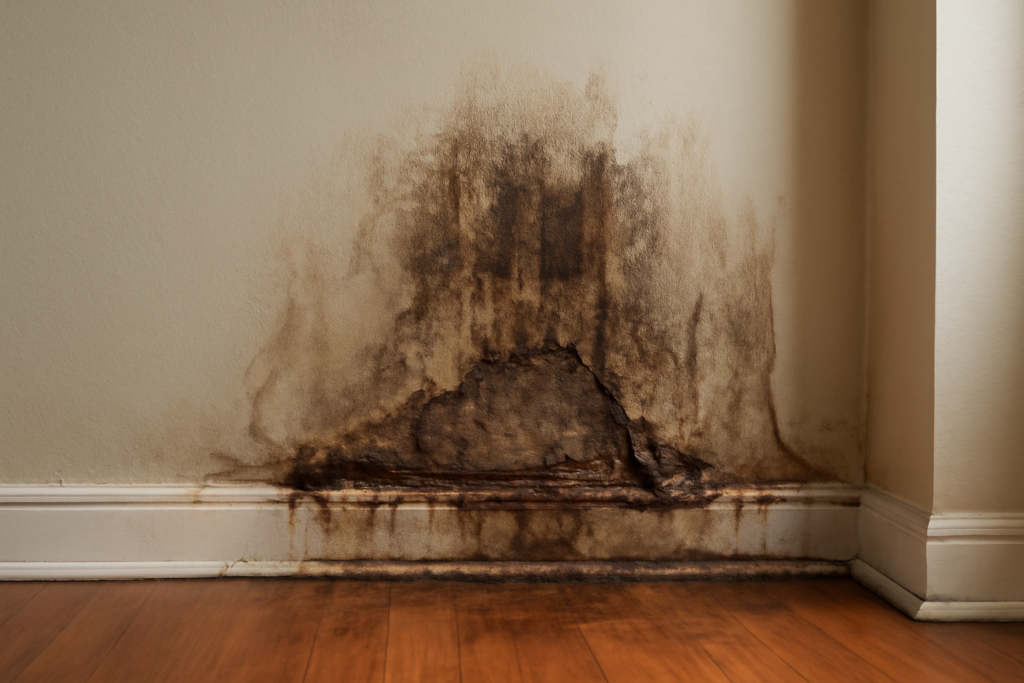
When the Walls Start Weeping: Behind Wall Water Damage Restoration in Monroe, GA
Here in Monroe, GA, we know how quickly a sudden downpour can turn into a real headache. Sometimes, it’s not just the rain outside that causes trouble, but water that finds its way *inside* your walls. We get a lot of questions about this, especially after those humid summer months when pipes can sweat or a leaky fixture goes unnoticed. You might start noticing things that just don’t seem right, like damp spots or a funny smell. Addressing hidden leaks quickly is key to avoiding much bigger, more expensive problems down the road. It’s about protecting your home’s structure from unseen damage before it gets out of hand.
Homeowners around here trust our team because we understand the unique challenges of our local climate and building styles. We’ve helped hundreds of your neighbors deal with these tricky behind-wall water issues. With over 165 five-star reviews, you know you’re getting reliable service from people who care about your property. We focus on getting to the root of the problem and making sure your home is safe and dry again. You’ll appreciate our transparent communication and our commitment to doing the job right.
- We pinpoint and repair the source of hidden leaks, preventing further structural damage and mold growth that can affect your family’s health.
- Our specialized drying equipment can access and dry out wall cavities, saving drywall and minimizing the need for extensive demolition and reconstruction.
- We offer guidance on preventing future behind-wall water issues, like proper insulation checks and plumbing inspections, to keep your home protected long-term.
How We Tackle Behind Wall Water Damage
Dealing with water hidden inside your walls requires a methodical approach. It’s not just about mopping up a spill; it’s about finding the leak, drying out the affected areas completely, and preventing mold from taking hold. Cutting corners here can lead to persistent musty odors, compromised structural integrity, and costly repairs later. Our crews follow a proven process to ensure we restore your home effectively and efficiently, always aiming for the least invasive method possible. Your satisfaction is our highest priority.
1. Emergency Water Extraction and Containment
Once we locate the source of the leak, our first step is to stop the water flow and remove any standing water. We use specialized pumps and vacuums designed for tight spaces. This phase is crucial for preventing further saturation and limiting the spread of damage. It usually takes a few hours, depending on the amount of water.
2. Advanced Moisture Detection and Assessment
We use tools like infrared cameras and moisture meters to map out exactly how far the water has spread within your walls and framing. This helps us understand the full scope of the problem without unnecessary destruction. This detailed assessment ensures we target the drying efforts precisely. This can take several hours to a full day, depending on the complexity.
3. Controlled Drying of Wall Cavities
This is where we get creative. We often drill small, discreet holes in the drywall to insert specialized drying equipment, like air movers and dehumidifiers, directly into the wall cavities. This process pulls moisture out from the inside, encouraging thorough drying and preventing structural issues. This can take several days to a week or more, as we monitor humidity levels closely.
4. Mold Prevention and Remediation
Moisture trapped in walls is a perfect breeding ground for mold. We apply antimicrobial treatments to prevent mold growth during the drying process. If mold has already started, we have the expertise to safely remove it, ensuring your home’s air quality is restored. Our goal is to provide a healthy living environment for your family. This step’s timing varies based on the extent of any existing mold.
5. Reconstruction and Restoration
Once everything is dry and safe, we’ll repair any necessary drywall, insulation, or finishes. We aim to make the repairs as invisible as possible, restoring your walls to their original condition. We handle everything from small patches to larger sections, ensuring a finished, professional look. The duration depends on the size of the affected area, typically a few days.
Don’t let hidden water damage compromise your home’s integrity. Reach out to us today for expert behind-wall water damage restoration. We’ll help you secure your investment and your family’s well-being.
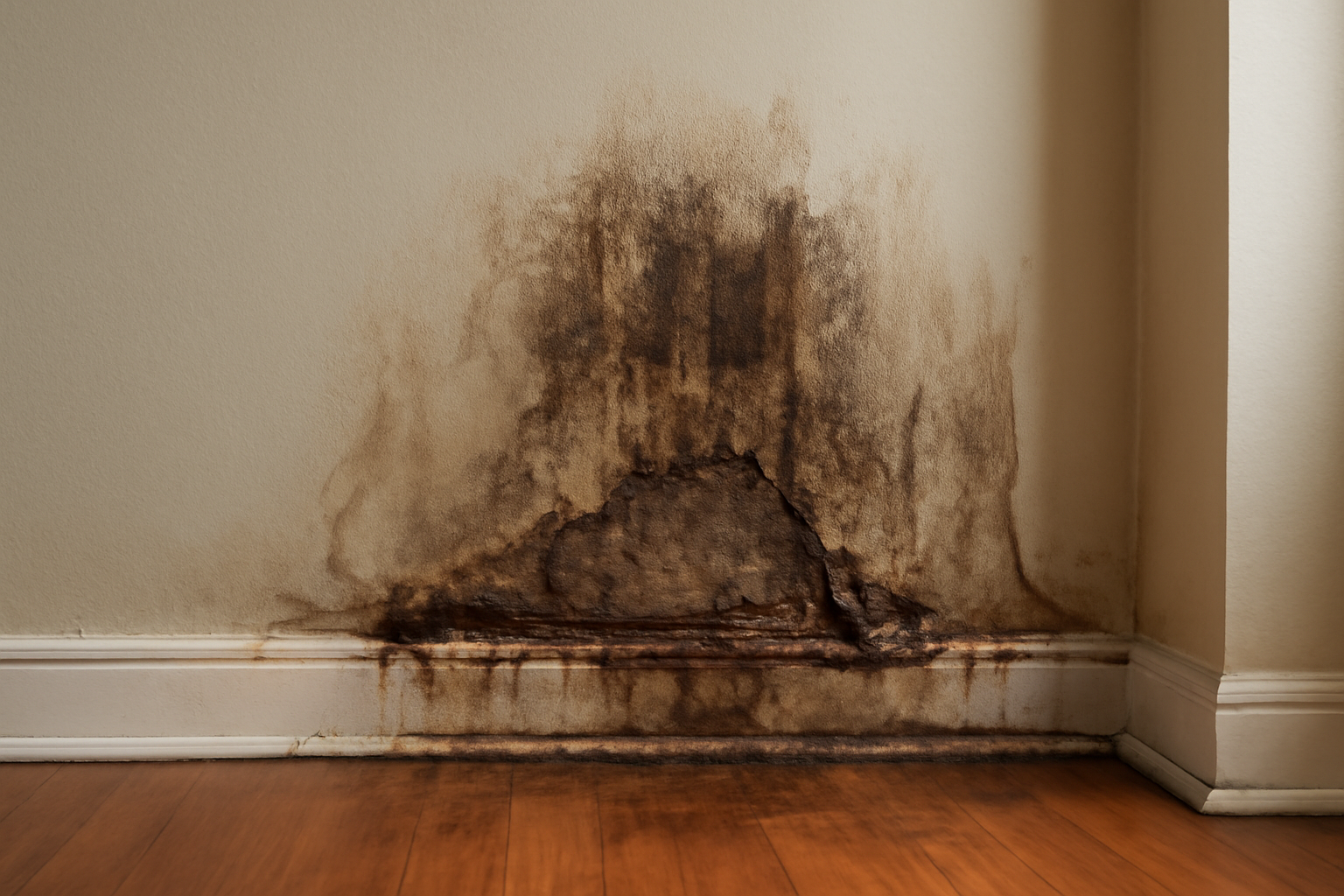
Signs Your Walls Might Be Hiding Water Problems
Catching behind-wall water damage early can save you a lot of headaches and money. Sometimes, the signs are subtle, but they’re often there if you know what to look for. Ignoring these indicators can lead to bigger issues like structural rot and widespread mold. Pay attention to the subtle clues your home might be sending you. Early detection is your best defense against costly repairs.
Musty Odors That Won’t Go Away
A persistent, damp, or moldy smell, especially in specific rooms or near certain walls, is a strong indicator of hidden moisture. It means something is likely decaying behind the surface. This smell often intensifies in humid weather.
Discolored or Warped Walls
Look for yellow or brown stains on your wallpaper or paint, especially near baseboards or ceilings. You might also notice areas of the wall that look bubbly, warped, or feel soft to the touch. These are direct signs of water saturation.
Peeling or Bubbling Paint/Wallpaper
Water behind the surface pushes outwards, causing paint to chip and wallpaper to peel away from the wall. This is a visible sign that the integrity of your wall’s finish is compromised. It’s a clear warning that moisture is present.
Unexplained High Water Bills
If your water bill suddenly spikes without a clear reason, it could mean a slow, ongoing leak somewhere in your plumbing system, potentially within your walls. A sudden increase is suspicious.
New or Worsening Allergies or Respiratory Issues
If you or your family members are experiencing increased sneezing, coughing, or other allergy symptoms that seem to worsen indoors, it could be due to mold growth triggered by hidden water damage. This is a serious health concern that requires immediate attention.
Sound of Dripping or Running Water
Even if you can’t see it, you might hear faint dripping or running water sounds from within your walls, especially when plumbing fixtures are in use. This is a very direct sign of a leaky pipe.
Behind Wall Water Damage Restoration vs. DIY: When To Call a Professional
| Situation | DIY? | Call a Pro? | Why |
|---|---|---|---|
| Small, visible pipe leak that has just occurred and is contained to a small area of drywall. | Yes, if you’re comfortable with basic repairs. | Maybe. | You can likely patch and dry small spots yourself, but a pro can ensure no hidden moisture remains. |
| Persistent musty odor with no visible signs of water on the surface. | No. | Yes. | Odors indicate hidden moisture and potential mold growth that requires specialized detection and drying equipment. |
| Warped or discolored drywall that feels soft to the touch. | No. | Yes. | This means significant water saturation, likely affecting the structural integrity of the wall. |
| Suspected leak from plumbing within a finished wall cavity. | No. | Yes. | Accessing and drying wall cavities requires specialized tools and expertise to avoid further damage. |
| After a major appliance malfunction (e.g., washing machine hose burst behind a wall). | Maybe for initial cleanup. | Yes. | These events can saturate wall cavities quickly; professional drying is essential to prevent long-term issues. |
| You’ve tried drying a damp wall section, but it still smells or feels humid. | No. | Yes. | This indicates that the moisture is deeper than you can reach, and professional intervention is needed. |
While minor surface issues might seem manageable, behind-wall water damage often requires specialized tools and knowledge. When in doubt, it’s always best to call in our experienced technicians. We have the diagnostic equipment and drying systems to ensure complete restoration and prevent future problems.
Behind Wall Water Damage Restoration Cost In Monroe, GA
The cost for behind-wall water damage restoration in Monroe, GA, can vary significantly. Factors like the extent of the water damage, the size of the affected area, and the complexity of accessing the hidden moisture all play a role. These prices are general estimates and a thorough on-site assessment is always needed for an accurate quote.
| Service Aspect | Typical Price Range | What Affects Cost |
|---|---|---|
| Leak Detection and Assessment | $300 – $1,000 | Complexity of the leak and the number of areas needing assessment. |
| Water Extraction from Wall Cavities | $500 – $2,000 | Volume of water and accessibility of the affected wall sections. |
| Specialized Drying (Air Movers, Dehumidifiers in Walls) | $1,000 – $4,000+ | Duration of drying needed, size of the affected area, and equipment required. |
| Mold Prevention Treatment | $200 – $800 | Area treated and type of antimicrobial solution used. |
| Minor Drywall Repair and Patching | $300 – $1,500 | Size and number of sections needing repair. |
| Full Wall Cavity Reconstruction (if extensive damage) | $1,500 – $5,000+ | Amount of framing, insulation, and drywall replacement needed. |
Getting a professional estimate is the best way to understand your specific costs. We offer free on-site assessments to provide you with a clear and detailed breakdown of the necessary repairs. Let us help you secure your home’s future.
Service Areas Near Monroe, GA
We proudly serve Monroe, GA, and the surrounding communities including Athens, Loganville, Social Circle, Walnut Grove, Oxford, Covington, Conyers, Snellville, Lawrenceville, Suwanee, Duluth, Norcross, Lilburn, Tucker, Chamblee, Doraville, Decatur, Atlanta, Sandy Springs, and Johns Creek.
Common Questions About Behind Wall Water Damage Restoration
What’s the difference between a leak inside the wall and a roof leak?
A leak inside the wall typically comes from your plumbing system – burst pipes, faulty connections, or appliance hoses. A roof leak originates from damage to your roof or gutters, usually showing up in ceilings or attics first. Both are serious, but the source dictates the repair method. Our team can identify and fix both types of leaks, ensuring your home is properly dried and protected.
How long does it take to dry out walls after a leak?
Drying time varies greatly depending on the amount of water, the materials affected, and humidity levels. It can take anywhere from a few days to a couple of weeks. We use advanced monitoring equipment to ensure the walls are completely dry before sealing them up. We’ll keep you informed throughout the entire drying process.
Is behind-wall water damage dangerous to my health?
Yes, it absolutely can be. Trapped moisture creates an ideal environment for mold and mildew growth. Inhaling mold spores can lead to respiratory problems, allergies, and other health issues. It’s crucial to address hidden water damage promptly to safeguard your family’s health. Our technicians are trained to identify and remediate mold safely.
How much does it typically cost to fix water damage inside walls?
The cost depends on several factors, including the extent of the damage, the location of the leak, and the materials that need repair or replacement. Minor leaks might cost a few hundred dollars, while more extensive damage could run into thousands. We offer free estimates to give you a clear picture of the investment needed for restoration. We aim to be as cost-effective as possible.
Can I prevent water damage inside my walls?
You can take steps to minimize the risk. Regularly inspect your plumbing for any signs of leaks or corrosion, especially around connections. Ensure your home’s exterior is properly sealed and that gutters are clear to prevent water intrusion. Consider periodic inspections of appliances that use water. Being proactive is the best prevention strategy. We can also offer tips on preventative maintenance during our visits.
Check Our Other Relevant Services

Jerry Johns is a licensed Damage Restoration Expert with over 20 years of hands-on experience helping homeowners and businesses navigate property crises. As a trusted authority in the field, Jerry combines technical precision with a compassionate approach to disaster recovery.
𝗖𝗲𝗿𝘁𝗶𝗳𝗶𝗰𝗮𝘁𝗶𝗼𝗻𝘀: Jerry holds multiple elite IICRC certifications, including Water Damage Restoration (WRT), Applied Microbial Remediation (Mold), Applied Structural Drying (ASD), Odor Control, and Fire and Smoke Restoration.
𝗙𝗮𝘃𝗼𝗿𝗶𝘁𝗲 𝗣𝗮𝘀𝘁𝗶𝗺𝗲: When he isn’t on a job site, Jerry is an avid outdoorsman who enjoys fly fishing and restoring vintage woodworking tools.
𝗕𝗲𝘀𝘁 𝗣𝗮𝗿𝘁 𝗼𝗳 𝘁𝗵𝗲 𝗝𝗼𝗯: Jerry finds the most fulfillment in seeing the relief on a client’s face when their property is finally restored to its pre-loss condition, turning a stressful disaster into a fresh start.


