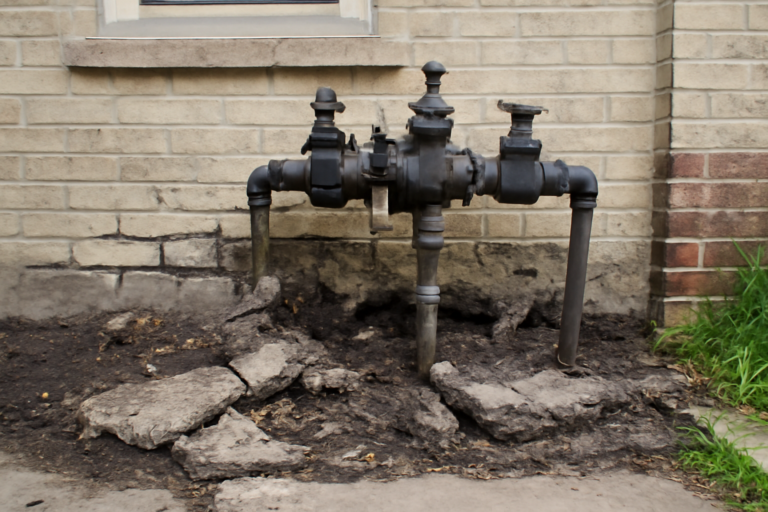
Trusted by 165+ Homeowners
Behind Wall Water Damage Restoration in Riverdale, GA
- Over 165 5-Star Reviews
- Free Estimates and Quotes
- 100% Satisfaction Guaranteed
- Child, Family & Pet Safe Steps
- 24-Hour Emergency Service
- Fully Licensed & Insured
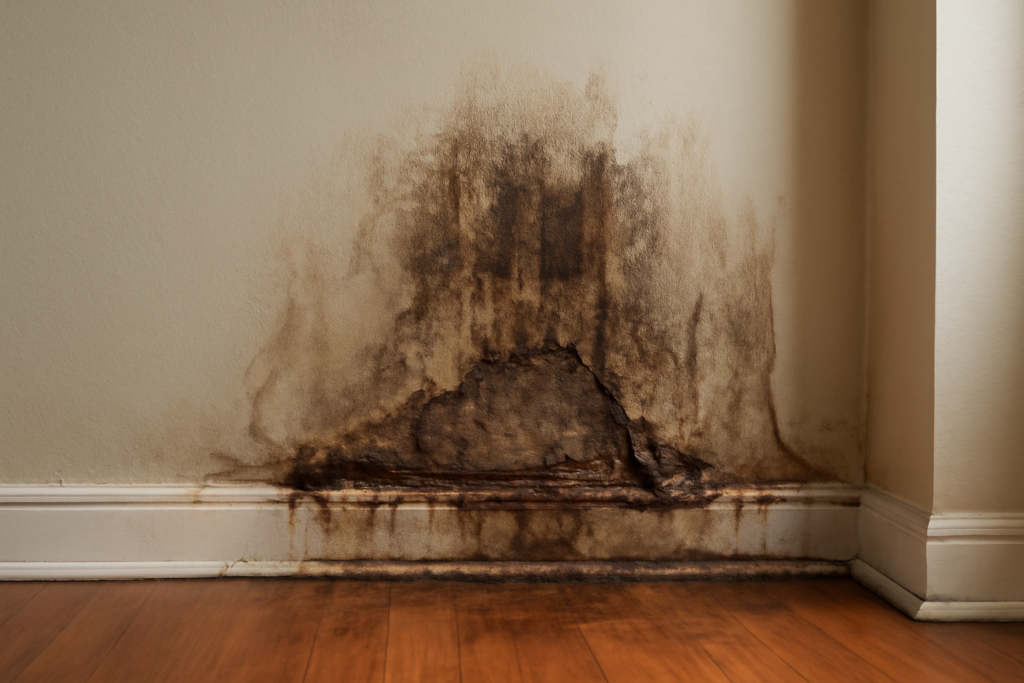
Hidden Water Leaks? We Handle Behind Wall Water Damage Restoration in Riverdale, GA
Did you know that water damage claims related to hidden leaks behind walls can sometimes take longer to resolve than more obvious water intrusions? In fact, up to 30% of all water damage claims involve issues that aren’t immediately visible. This can lead to prolonged stress and unexpected costs if not addressed by professionals. If you’re dealing with the aftermath of a burst pipe, a failing appliance hose, or even just slow, persistent seepage behind your walls, it’s crucial to know you have local experts ready to help. We understand how unsettling it is to suspect water damage you can’t see, and we’re here to bring clarity and effective restoration to your Riverdale, GA home.
We’ve earned the trust of over 165 homeowners in your neighborhood, many of whom have specifically turned to us for the complex challenges of behind wall water damage. They choose us because we bring a methodical, detailed approach to every job, ensuring that every trace of moisture is found and eliminated. Our local crews are familiar with the common issues that affect properties around here, and we work diligently to restore your home efficiently and effectively. You can count on our consistent, high-quality work.
- We specialize in locating and drying hidden moisture, preventing long-term structural issues and mold growth that can start behind your drywall.
- Our team works directly with your insurance provider, helping to document the damage thoroughly and streamline the claims process for you.
- We use advanced drying technology to ensure your walls and the spaces within them are completely dry, safeguarding your home’s integrity.
How Behind Wall Water Damage Restoration Actually Works
When water gets behind your walls, it’s not like a spill on the floor. It can spread unseen, saturating insulation, damaging framing, and creating ideal conditions for mold. Our process is designed to combat this hidden threat head-on. We don’t just patch holes; we identify the source, remove the water, dry everything thoroughly, and then rebuild. Cutting corners here can lead to recurring problems and significantly higher costs down the line. You need a methodical approach that addresses the root cause and the full extent of the damage.
1. Initial Inspection and Water Source Identification
Our first step is always a thorough inspection. We use specialized tools like moisture meters and infrared cameras to pinpoint exactly where the water is and how far it has spread behind your walls. Finding the water source is critical to prevent future leaks and is typically completed within a few hours of arrival. This detailed assessment helps us create a precise plan.
2. Water Extraction
Once the source is contained, we begin removing standing water. For behind wall damage, this often involves carefully opening affected sections of drywall. We use powerful extraction equipment to remove as much water as possible, preventing further saturation of building materials. This phase can take anywhere from a few hours to a full day, depending on the volume of water.
3. Controlled Demolition and Drying
To properly dry hidden spaces, we may need to remove affected drywall and insulation. This allows our specialized drying equipment, such as air movers and dehumidifiers, direct access to the wet areas. We monitor humidity levels closely, ensuring we achieve the necessary dryness to prevent mold. This drying process typically takes 2-5 days, but can vary based on the extent of the saturation.
4. Mold Prevention and Treatment
Moisture behind walls creates a prime environment for mold growth. We take proactive steps to prevent mold, including applying antimicrobial treatments to affected areas once drying is complete. This is a crucial step to ensure your home’s air quality remains healthy and to prevent future mold issues. This step is usually completed within a day.
5. Reconstruction and Restoration
After everything is dry and treated, our team begins the reconstruction process. This involves replacing insulation, installing new drywall, texturing, and painting to return your walls to their pre-loss condition. We aim for a smooth and efficient rebuild, minimizing disruption to your life. Reconstruction timelines vary widely, from a few days for small areas to several weeks for larger projects.
Don’t let hidden water damage compromise your home’s health and structure. Call us today for a prompt assessment and a clear plan to restore your property.
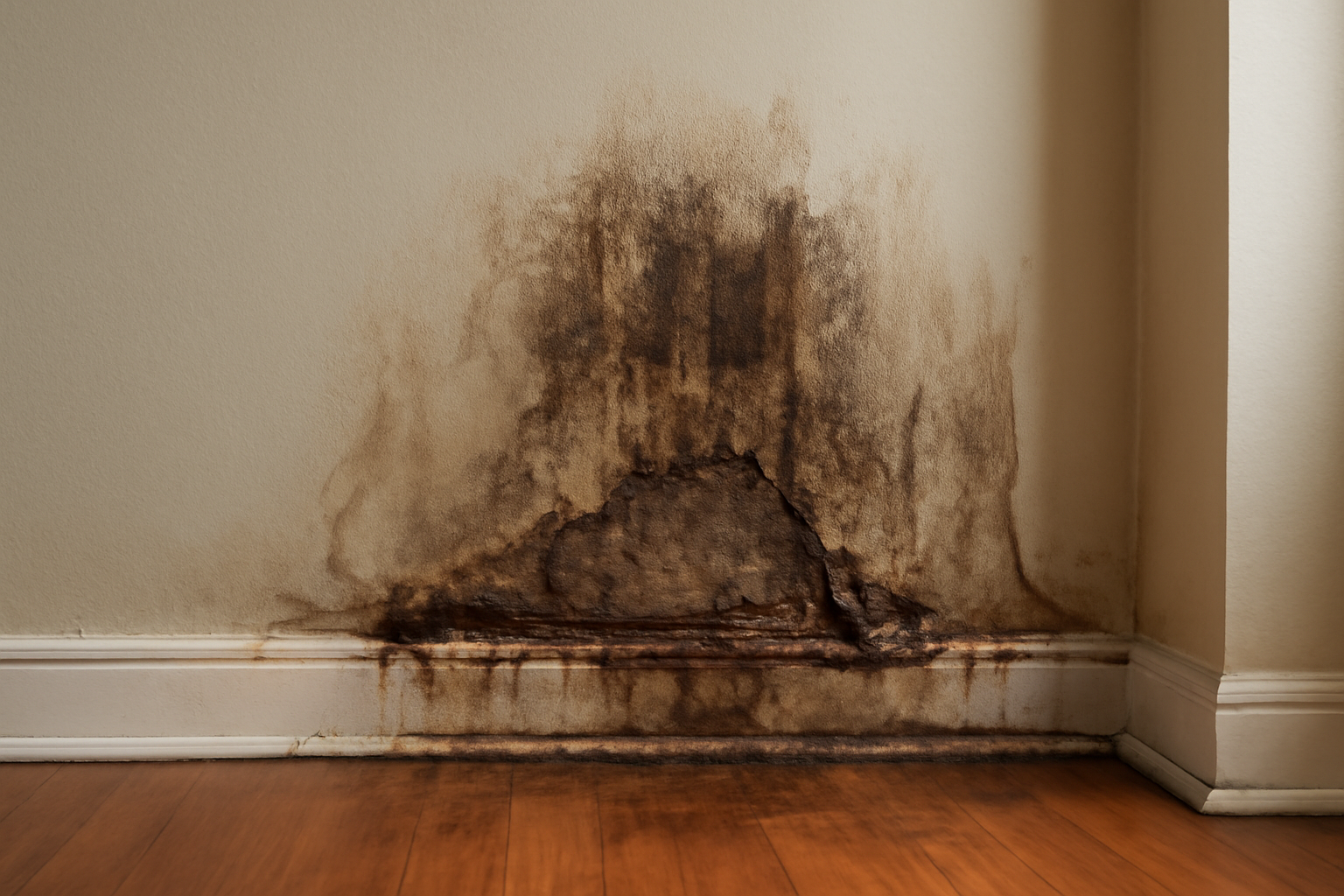
Warning Signs You Need Behind Wall Water Damage Restoration
Catching behind wall water damage early can save you a significant amount of money and prevent much larger, more complex problems from developing. Ignoring subtle signs can turn a minor issue into a major headache. Pay attention to what your home might be telling you.
Musty Odors That Won’t Go Away
A persistent, damp, or musty smell, especially in specific rooms or near plumbing, is a strong indicator of trapped moisture. This odor is often caused by mold or mildew growing in dark, damp wall cavities. Don’t ignore this smell; it’s your nose telling you something is wrong.
Visible Water Stains or Discoloration
While the water is behind the wall, you might see subtle signs on the surface. Look for discolored patches, peeling paint, or warped wallpaper that wasn’t there before. These are often the first external clues of moisture intrusion. Watch for new marks on your walls.
Soft or Spongy Walls
If a section of your wall feels unusually soft, spongy, or even warm to the touch, it could mean the drywall and framing behind it are saturated. This is a clear sign that water has been present for some time. Feel your walls regularly for any changes.
High Humidity Levels Inside
An unexplained increase in your home’s overall humidity, even when it’s not particularly humid outside, could be due to a hidden leak. This excess moisture needs to go somewhere, and it can contribute to a damp feeling throughout your house. Monitor your home’s climate.
The Sound of Dripping or Running Water
If you can hear faint dripping, trickling, or running water sounds from within your walls, especially when no faucets are on, it’s a direct sign of a leak. This is often an early warning before visible signs appear. Listen for unusual sounds.
Increased Water Bills
A sudden, unexplained spike in your water bill can indicate a leak somewhere in your plumbing system, potentially behind a wall. If you can’t find any obvious source, it’s worth investigating hidden leaks. Review your utility statements.
Behind Wall Water Damage Restoration vs. DIY: When To Call a Professional
| Situation | DIY? | Call a Pro? | Why |
|---|---|---|---|
| Detecting a faint musty smell in a specific room | Maybe | Yes | A pro can use specialized equipment to confirm if it’s a hidden leak or just a minor issue. |
| Noticing a small, new water stain on the drywall | Maybe | Yes | While the stain is visible, the damage behind the wall could be much larger than it appears. |
| Hearing dripping sounds from within the wall | No | Yes | Pinpointing the exact location and cause of an internal drip requires professional tools and expertise. |
| Feeling a soft or spongy section of the wall | No | Yes | This indicates significant saturation, requiring professional drying equipment to prevent mold and structural compromise. |
| Dealing with peeling paint or warped wallpaper | No | Yes | These are external signs of internal moisture, and proper drying and repair are essential. |
| Suspecting a leak from a major pipe or appliance connection | No | Yes | These leaks can release large volumes of water quickly, necessitating immediate professional intervention. |
While minor surface issues might seem manageable, behind wall water damage almost always requires professional intervention. Professional assessment is key to ensuring all moisture is removed and mold is prevented. Relying on DIY for these hidden issues often leads to more extensive and costly repairs later.
Behind Wall Water Damage Restoration Cost In Riverdale, GA
The cost of addressing behind wall water damage in Riverdale, GA can vary significantly based on the extent of the damage, the size of the affected area, and the complexity of the repairs needed. These figures are general estimates and not a guarantee of final cost. Understanding these ranges can help you prepare for the restoration process.
| Service | Typical Price Range | What Affects Cost |
|---|---|---|
| Leak Detection and Assessment | $300 – $800 | Use of advanced technology like thermal cameras and moisture meters. |
| Water Extraction (per affected area) | $500 – $2,500 | Volume of water removed and accessibility of the area. |
| Controlled Demolition and Debris Removal | $400 – $1,500 | Amount of drywall and insulation needing removal. |
| Professional Drying (per day, with equipment) | $300 – $700 | Size of the area being dried and duration required. |
| Mold Prevention Treatment | $200 – $600 | Size of the affected area and type of treatment used. |
| Reconstruction (drywall, insulation, paint) | $700 – $3,000+ | Square footage of damaged area and complexity of finishing. |
The most accurate pricing will come after our team conducts an on-site assessment of your specific situation. We offer free estimates so you know exactly what to expect before any work begins.
Service Areas Near Riverdale, GA
Atlanta, East Point, College Park, Hapeville, Forest Park, Jonesboro, Morrow, Lovejoy, Stockbridge, McDonough, Fayetteville, Tyrone, Palmetto, Fairburn, Union City, Riverdale, Clayton, Red Oak, Conley, Scottdale
Common Questions About Behind Wall Water Damage Restoration
What are the first things I should do if I suspect water behind my walls?
If you suspect water behind your walls, your immediate priority is to stop the water source if possible. This might mean shutting off your main water valve or turning off a specific appliance. Then, call us immediately. We’ll dispatch a team to assess the situation using specialized equipment. Prompt action is crucial to minimize damage and prevent mold.
How long does it typically take to dry out walls after a leak?
The drying process for walls can take anywhere from 2 to 5 days, sometimes longer, depending on how saturated the materials are and the structural elements involved. We use industrial-grade dehumidifiers and air movers to speed up evaporation and ensure that the moisture content within the wall cavity reaches a safe level. Our technicians monitor progress closely to determine when drying is complete.
Will my insurance company cover behind wall water damage?
Generally, standard homeowner’s insurance policies do cover damage caused by sudden and accidental water leaks, such as a burst pipe. However, coverage for slow leaks or damage due to neglect might be limited. We work with your insurance to document the damage properly and help you understand your policy’s coverage. We aim to make the claims process as smooth as possible for you.
How do you find leaks behind walls without tearing everything apart?
We use advanced, non-invasive detection tools to locate hidden water. This includes infrared cameras that can detect temperature differences caused by moisture and specialized meters that measure moisture content within building materials. These technologies allow us to accurately pinpoint the problem area with minimal disruption before we need to open up walls for extraction and drying.
Is behind wall water damage a health hazard?
Yes, behind wall water damage can pose significant health hazards, primarily due to the potential for mold growth. Mold spores can become airborne and lead to respiratory issues, allergic reactions, and other health problems, especially for individuals with pre-existing conditions. Our team takes mold prevention seriously by ensuring thorough drying and applying antimicrobial treatments to affected areas.
Check Our Other Relevant Services

Jerry Johns is a licensed Damage Restoration Expert with over 20 years of hands-on experience helping homeowners and businesses navigate property crises. As a trusted authority in the field, Jerry combines technical precision with a compassionate approach to disaster recovery.
𝗖𝗲𝗿𝘁𝗶𝗳𝗶𝗰𝗮𝘁𝗶𝗼𝗻𝘀: Jerry holds multiple elite IICRC certifications, including Water Damage Restoration (WRT), Applied Microbial Remediation (Mold), Applied Structural Drying (ASD), Odor Control, and Fire and Smoke Restoration.
𝗙𝗮𝘃𝗼𝗿𝗶𝘁𝗲 𝗣𝗮𝘀𝘁𝗶𝗺𝗲: When he isn’t on a job site, Jerry is an avid outdoorsman who enjoys fly fishing and restoring vintage woodworking tools.
𝗕𝗲𝘀𝘁 𝗣𝗮𝗿𝘁 𝗼𝗳 𝘁𝗵𝗲 𝗝𝗼𝗯: Jerry finds the most fulfillment in seeing the relief on a client’s face when their property is finally restored to its pre-loss condition, turning a stressful disaster into a fresh start.