Trusted by 165+ Homeowners
Black Water Damage Restoration (Category 3) in Cedartown, GA
- Over 165 5-Star Reviews
- Free Estimates and Quotes
- 100% Satisfaction Guaranteed
- Child, Family & Pet Safe Steps
- 24-Hour Emergency Service
- Fully Licensed & Insured

When the Worst Water Invades Your Cedartown, GA Home
You walk into your basement, and the smell hits you first—a thick, unpleasant odor that tells you something is seriously wrong. Then you see it: standing water, murky and dark, spreading across the floor. It’s not just a little spill; it’s a serious contamination, likely from a sewage backup or a flood carrying dangerous pathogens. This is Black Water Damage, Category 3, and it’s a situation that demands immediate, expert attention to protect your family’s health and your property’s integrity. Dealing with this kind of mess requires more than just mopping; it needs a specialized approach to safely remove hazardous materials and prevent long-term structural damage.
Homeowners around here trust our team because we understand the urgency and the unique challenges of Black Water Damage Restoration (Category 3). We’ve helped hundreds of families in your neighborhood recover from even the most severe water intrusions. Our crews are trained to handle these difficult situations with precision and care, earning us over 165 five-star reviews from satisfied clients who needed immediate help. When you’re facing this kind of contamination, you need a team that’s ready to respond fast and restore your home to a safe, healthy environment.
- Rapid containment of hazardous Black Water (Category 3) to prevent further spread and cross-contamination throughout your home.
- Thorough decontamination and sanitization protocols specifically designed for Category 3 water, ensuring all harmful bacteria and viruses are neutralized.
- Advanced drying techniques using specialized equipment to extract hidden moisture from structural materials, preventing mold growth and secondary damage.
The Technical Process for Category 3 Water Restoration
When Black Water (Category 3) invades your property, a precise, technically driven process is absolutely critical. This isn’t about superficial cleaning; it’s about deep-level restoration. Unlike cleaner water, Category 3 poses significant health risks, so our approach focuses on containment, removal, and complete sanitization. Cutting corners here can lead to persistent odors, mold infestations, and serious health issues down the line. You need professionals who understand the science behind drying and decontamination, utilizing specific equipment and protocols to ensure your home is truly safe again.
Step 1: Immediate Assessment and Containment
Our first priority is to assess the full extent of the Black Water damage. We immediately set up containment barriers to prevent the contaminated water and airborne particles from spreading to unaffected areas. This involves using specialized equipment like negative air machines and poly sheeting to isolate the affected zone. This initial phase is crucial for health and safety.
Step 2: Water Extraction and Debris Removal
Using industrial-grade water extractors and pumps, we remove all standing Black Water as quickly as possible. Our crews then carefully remove any contaminated porous materials that cannot be safely restored, such as drywall, insulation, or carpet padding. This step requires careful handling of hazardous materials and proper disposal according to local regulations.
Step 3: Structural Drying and Dehumidification
Once the bulk of the water is gone, we deploy advanced drying technology. This includes high-speed air movers and industrial dehumidifiers that create specific airflow patterns to accelerate evaporation. We use moisture meters to monitor drying progress precisely, ensuring that all hidden moisture within your walls and subfloors is eliminated.
Step 4: Decontamination and Sanitization
This is a critical step for Black Water damage. We apply EPA-approved antimicrobial and antiviral treatments to all affected surfaces, including structural materials, to kill any remaining pathogens. This process is essential for ensuring a healthy living environment and preventing future mold issues.
Step 5: Odor Control and Final Inspection
Lingering odors are a common problem with Black Water damage. We use specialized thermal fogging and ozone treatments to neutralize odor molecules at their source. Before we consider the job done, our technicians conduct a final inspection and use moisture readings to confirm that your property is completely dry and safe.
Don’t wait to address Category 3 water damage. Call us now to initiate the restoration process. Your home’s safety and your family’s well-being depend on fast, expert intervention today.

Warning Signs You Need Black Water Damage Restoration (Category 3)
Catching the signs of Black Water intrusion early can save you significant time, money, and potential health complications. This type of contamination isn’t always obvious at first glance, but ignoring subtle indicators can lead to much larger problems. Understanding what to look for is your first line of defense against serious property damage and unseen health hazards.
Musty Odors That Won’t Go Away
A persistent, unpleasant smell, often described as musty or like rotten eggs, is a strong indicator of Black Water contamination. This odor can seep into your belongings and building materials, even if you can’t see standing water. It’s a clear sign that harmful microorganisms are present and spreading.
Discolored or Stained Surfaces
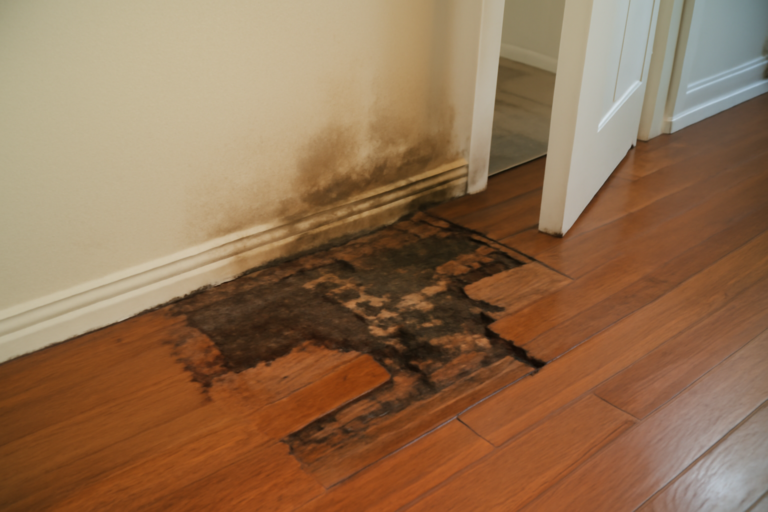
Look for unusual discoloration on walls, ceilings, or floors, especially if it appears suddenly after a plumbing issue or flood. Stains that look murky or have a brownish tint can signal that Black Water has saturated the material. This indicates significant saturation and contamination requiring immediate attention.
Visible Mold or Mildew Growth
Any sign of mold, even small patches, is a red flag. Black Water provides the ideal breeding ground for mold and mildew due to its high level of contaminants. This visible growth means spores are actively spreading, posing respiratory risks.
Warped or Softened Building Materials
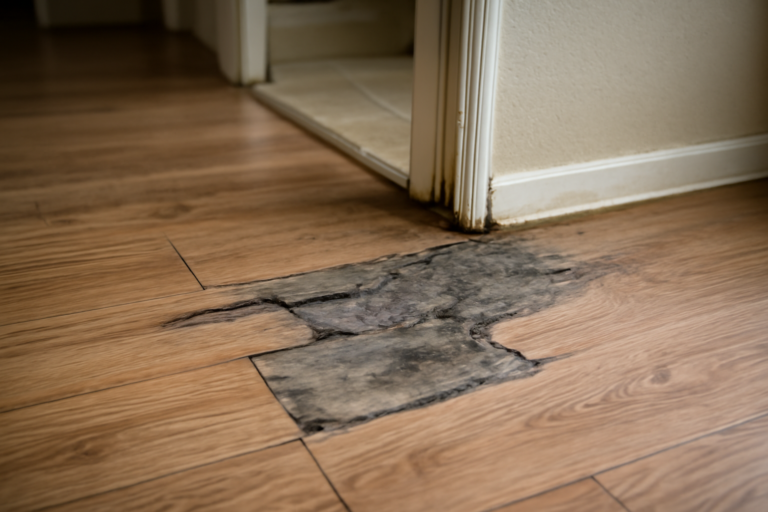
If you notice that drywall feels soft, spongy, or is visibly warping, it’s a sign that it has absorbed a large amount of contaminated water. This compromises the structural integrity of your home. Such materials are often beyond repair and must be removed.
Sudden Pests or Insect Infestations
Unusual increases in insects like cockroaches or rodents can sometimes be linked to Black Water damage. These pests are attracted to the moisture and decaying organic matter present in contaminated water. Their presence suggests a source of unsanitary conditions.
Unexplained Puddles or Damp Spots
Even if the main flood has receded, small, persistent puddles or damp spots that don’t seem to dry out can indicate a hidden leak or residual Black Water. These hidden pockets of moisture are perfect breeding grounds for bacteria and mold.
Black Water Damage Restoration (Category 3) vs. DIY: When To Call a Professional
| Situation | DIY? | Call a Pro? | Why |
|---|---|---|---|
| Small, contained spill from a clean water source (Category 1) | Yes, with caution. | No. | This is manageable with basic cleanup. |
| Sewage backup in basement or lower levels | Absolutely Not. | Yes. | Category 3 water contains dangerous pathogens and requires specialized cleanup. |
| Floodwater intrusion from external sources (river, storm) | No. | Yes. | External floodwaters carry heavy contamination and pose serious health risks. |
| Water damage from a burst pipe carrying greywater (Category 2) | Maybe, with extreme caution. | Yes, recommended. | While less hazardous than Black Water, it still requires careful sanitization. |
| Detecting a persistent, foul odor after any water event | No. | Yes. | This indicates hidden contamination or microbial growth that needs professional assessment. |
| Concern about structural integrity or unseen moisture | No. | Yes. | Professionals have tools to detect and address hidden damage and moisture. |
For Black Water Damage Restoration (Category 3), DIY is almost never a safe or effective option. The health risks associated with sewage and contaminated floodwater are too significant. Our specialized equipment and trained crews are essential for safely remediating the hazard and ensuring your home is truly clean.
Black Water Damage Restoration (Category 3) Cost In Cedartown, GA
The cost of Black Water Damage Restoration (Category 3) in Cedartown, GA can vary widely depending on several factors. These include the extent of the water intrusion, the size of the affected area, the types of materials contaminated, and the complexity of the decontamination process. These figures are estimates to help you plan, not exact quotes.
| Service | Typical Price Range | What Affects Cost |
|---|---|---|
| Initial Assessment and Containment | $500 – $1,500 | Size of the affected area and complexity of containment setup. |
| Water Extraction and Debris Removal | $1,000 – $3,000 | Volume of water to remove and amount of contaminated material needing disposal. |
| Structural Drying and Dehumidification | $1,500 – $4,000 | Square footage needing drying and duration required to reach safe moisture levels. |
| Decontamination and Sanitization | $1,000 – $3,500 | Surface area treated and the type/strength of antimicrobial agents used. |
| Odor Removal | $500 – $2,000 | Severity of odor and the methods required (e.g., thermal fogging, ozone). |
| Reconstruction/Material Replacement (if needed) | Varies Greatly | Extent of damage to drywall, flooring, insulation, and other structural components. |
An on-site assessment by our team is the only way to get an accurate estimate for your specific situation. We offer free estimates to help you understand the scope of work and associated costs. Contact us today for a thorough evaluation and transparent pricing.
Service Areas Near Cedartown, GA
Rockmart, Aragon, Taylorsville, Cave Springs, Rome, Lindale, Armuchee, Shannon, Silver Creek, Etowah, Euharlee, Cartersville, Kingston, Adairsville, Calhoun, Dalton, Summerville, Trion, Lyerly, Menlo
Common Questions About Black Water Damage Restoration (Category 3)
What’s the difference between Black Water, Grey Water, and Clear Water?
Clear water (Category 1) is clean and comes from a broken water line or overflowing sink. Grey water (Category 2) is slightly contaminated, like from a washing machine or dishwasher. Black Water (Category 3) is heavily contaminated and poses the most significant health risk; it typically comes from sewage backups or significant floodwaters carrying raw sewage and other hazardous waste. We specialize in the safe remediation of Black Water.
How quickly do I need to address Black Water damage?
You need to act immediately. Black Water (Category 3) contamination creates a rapidly escalating health hazard. Bacteria and pathogens can spread through the air and surfaces within hours, leading to potential illness and secondary damage like mold. The faster our team arrives, the better we can mitigate the risks and begin the restoration.
Is Black Water damage covered by homeowner’s insurance?
Coverage for Black Water damage can be complex and often depends on the source of the water. Many policies cover sewage backup if you have a specific endorsement for it. Flood damage is typically covered by separate flood insurance. We can help you document the damage for your insurance provider, but it’s best to review your specific policy details or contact your agent.
What kind of equipment do you use for Black Water cleanup?
Our crews utilize specialized equipment designed for Category 3 water restoration. This includes high-capacity water extractors, industrial-grade dehumidifiers, air scrubbers with HEPA filters to remove airborne contaminants, and advanced moisture meters for precise drying. We also use EPA-registered antimicrobial treatments to ensure complete sanitization and prevent microbial growth.
Can I clean up Black Water damage myself in Cedartown, GA?
We strongly advise against attempting to clean up Black Water (Category 3) damage yourself. The risks of exposure to dangerous bacteria, viruses, and parasites are extremely high. Professional remediation is essential for your safety and to ensure the contamination is fully neutralized and removed. We have the protective gear and expertise to handle this hazardous situation.
Check Our Other Relevant Services
Serving Cedartown, GA And Nearby Areas