Trusted by 165+ Homeowners
Black Water Damage Restoration (Category 3) in Conley, GA
- Over 165 5-Star Reviews
- Free Estimates and Quotes
- 100% Satisfaction Guaranteed
- Child, Family & Pet Safe Steps
- 24-Hour Emergency Service
- Fully Licensed & Insured

When Black Water Strikes: Expert Category 3 Damage Restoration in Conley, GA
Did you know that Category 3 water damage, often called black water, can contain dangerous pathogens and toxins? It’s estimated that over 40% of water damage claims involve black water, stemming from sources like sewage backups or flooding from contaminated rivers. This isn’t just a minor inconvenience; it’s a serious health hazard that requires immediate, specialized attention. When this type of contamination affects your home in Conley, GA, you need a team that understands the extreme risks involved and how to mitigate them effectively. We’re here to help you navigate this challenging situation.
Homeowners in your neighborhood trust us when dealing with the aftermath of black water events. We’ve earned over 165 five-star reviews by consistently providing reliable, thorough service for Category 3 water damage. You can count on our experienced crews to handle the complex restoration process with care and precision. We know how stressful this can be, and our goal is to make the restoration as smooth as possible for you and your family.
- Rapid response to contain the spread of hazardous contaminants and prevent further structural damage.
- Advanced drying and dehumidification techniques designed specifically for Category 3 water, ensuring all hidden moisture is removed to prevent mold growth.
- Thorough sanitization and deodorization processes to make your home safe and healthy again, addressing the invisible dangers of black water.
How We Tackle Black Water Damage Restoration (Category 3)
Dealing with black water requires more than just mopping up. It demands a methodical approach to ensure your property is truly safe. We follow a strict process to identify all contaminated materials, safely remove them, and then meticulously dry and sanitize the affected areas. Cutting corners here can lead to lingering health issues and secondary damage, which is why our structured process is so critical. We focus on protecting your investment and your well-being.
Initial Assessment and Containment
Our technicians arrive quickly to assess the full extent of the contamination. We’ll immediately set up containment barriers to prevent the spread of hazardous particles and then begin extracting standing water using specialized pumps. This phase usually takes 1-3 hours, depending on the water volume.
Safe Removal of Contaminated Materials
Porous materials like drywall, insulation, and carpeting that have been exposed to black water are typically unsalvageable. We carefully remove these items, wearing full protective gear, and dispose of them according to strict safety protocols. This step is crucial for preventing long-term health risks and can take anywhere from a few hours to a full day, depending on the scope.
Advanced Structural Drying
Once contaminated materials are gone, we deploy industrial-grade air movers and dehumidifiers. These machines work continuously to pull moisture out of the air and building materials, creating an environment where drying can happen efficiently. Effective drying can take several days, often 3-7 days, depending on the severity and building materials.
Thorough Cleaning and Sanitization
After drying, we deep clean and sanitize all affected surfaces. We use EPA-approved cleaning agents specifically designed to kill bacteria, viruses, and other pathogens found in black water. This vital step ensures your home is not only dry but also safe to inhabit. This process typically takes 1-2 days.
Reconstruction and Restoration
Once the area is clean and dry, we begin the reconstruction phase. This involves replacing removed materials like drywall, flooring, and trim to bring your home back to its pre-loss condition. The timeline for this stage varies greatly, from a few days to several weeks, depending on the extent of the damage.
Don’t wait to address black water damage. The sooner you act, the better the outcome for your home and your health. Contact us immediately to get the specialized restoration process started.

Warning Signs You Need Black Water Damage Restoration (Category 3)
Recognizing the signs of black water contamination early can save you significant money and prevent serious health problems. Ignoring these indicators can turn a manageable situation into a costly and dangerous one. Pay close attention to these common warnings.
Musty Odors That Won’t Go Away
A persistent, strong musty or sewage-like smell is often the first sign of unseen contamination. This odor indicates that bacteria and mold may be growing due to the presence of black water. Don’t just mask the smell; investigate the source.
Visible Sewage or Contaminated Water
If you see sewage backing up into your home or notice water that looks discolored, murky, or contains debris, it’s a clear indicator of Category 3 water. This type of water is highly hazardous and requires immediate professional intervention.
Sudden Dampness or Wet Spots
Unexplained dampness on floors, walls, or ceilings, especially if accompanied by a foul odor, could point to a hidden leak or backup of contaminated water. Even small wet spots can harbor dangerous microorganisms.
Discoloration or Staining
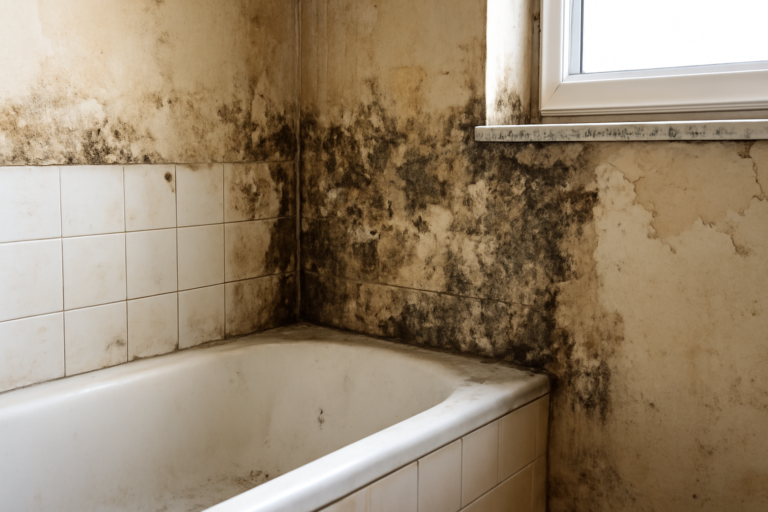
Yellow, brown, or dark stains appearing on walls or ceilings can be a sign that contaminated water has seeped through building materials. These stains are often a visual cue that the material beneath is compromised.
Mold Growth
While mold can grow from any water source, rapid or unusual growth, especially when paired with a sewage odor, strongly suggests a black water issue. Black water provides ideal conditions for many types of hazardous mold to flourish quickly.
Health Symptoms
If household members start experiencing unexplained respiratory issues, headaches, nausea, or skin irritation after a potential water intrusion event, it could be a sign of exposure to toxins from black water. Your family’s health is paramount.
Black Water Damage Restoration (Category 3) vs. DIY: When To Call a Professional
| Situation | DIY? | Call a Pro? | Why |
|---|---|---|---|
| Standing black water in a small, contained area (e.g., a few gallons in a utility sink) | Yes, with extreme caution | Yes | DIY is risky due to unseen pathogens; professionals ensure thorough sanitization. |
| Sewage backup in main living areas | No | Yes | Category 3 water is highly contaminated and poses severe health risks. |
| Water intrusion from a burst sewer line | No | Yes | This is unequivocally black water, requiring specialized containment and removal. |
| Flooding from a river or storm surge that has mixed with ground contaminants | No | Yes | Identifying and neutralizing all contaminants is crucial and complex. |
| Dampness or minor water spots with no visible contamination or odor | Yes | Maybe | Monitor closely; if odors or discoloration appear, call a pro immediately. |
| After initial water extraction, needing drying and sanitization | No | Yes | Proper drying and professional-grade sanitization are essential for health and preventing mold. |
For any situation involving actual sewage or visibly contaminated water, calling a professional is not optional. The health risks associated with DIY cleanup of Category 3 water are simply too high. Our team has the training, equipment, and protective gear to handle these dangerous conditions safely and effectively.
Black Water Damage Restoration (Category 3) Cost In Conley, GA
The cost of Black Water Damage Restoration (Category 3) in Conley, GA can vary significantly. Factors include the size of the affected area, the depth of the water, the type of materials contaminated, and the complexity of the necessary sanitization. These figures are estimates and a full assessment is needed for an accurate quote.
| Service | Typical Price Range | What Affects Cost |
|---|---|---|
| Water Extraction and Removal | $500 – $3,000 | Volume of water, accessibility of the area. |
| Demolition and Disposal of Contaminated Materials | $750 – $5,000+ | Square footage of affected materials, type of materials (e.g., drywall vs. subfloor). |
| Structural Drying (Air Movers, Dehumidifiers) | $1,000 – $7,000+ | Duration of drying needed, number of units required. |
| Cleaning and Sanitization | $800 – $6,000+ | Square footage, type of sanitizing agents used, severity of contamination. |
| Mold Remediation (if secondary mold develops) | $1,000 – $10,000+ | Extent of mold growth, containment measures needed. |
| Reconstruction and Repair | Varies widely | Materials needed, complexity of repairs, square footage. |
These price ranges provide a general idea, but an on-site inspection is the only way to get a precise estimate for your specific situation. We offer free, no-obligation estimates to help you understand the investment needed for proper restoration.
Service Areas Near Conley, GA
Stockbridge, Jonesboro, Forest Park, Morrow, Riverdale, Atlanta, Decatur, Chamblee, Doraville, Norcross, Duluth, Suwanee, Johns Creek, Alpharetta, Milton, Roswell, Sandy Springs, Dunwoody, Marietta, Smyrna
Common Questions About Black Water Damage Restoration (Category 3)
Is black water damage covered by homeowners insurance?
Often, yes, but it depends heavily on the cause of the black water intrusion and your specific policy. Standard policies may cover sudden, accidental events like a burst pipe or sewage backup, but may exclude gradual issues or flood damage if you don’t have separate flood insurance. We work closely with your insurance company to help document the damage and navigate the claims process. It’s always best to review your policy details or contact your insurer directly.
How quickly do I need to address black water damage?
You need to act immediately. Black water contains harmful bacteria and pathogens that can spread rapidly and pose serious health risks within hours. The longer you wait, the more extensive the contamination becomes, leading to higher restoration costs and potential secondary issues like mold growth. Our team is available 24/7 for emergency response to begin the process right away.
What are the health risks associated with black water?
Black water can contain a dangerous mix of bacteria, viruses, parasites, and toxins from sewage and decaying organic matter. Exposure can lead to a wide range of illnesses, including gastrointestinal problems, respiratory infections, skin infections, and other serious health conditions. Proper protective gear and professional-grade sanitization are essential to mitigate these risks. We prioritize your family’s safety above all else.
What equipment do you use for black water restoration?
Our crews use specialized equipment for Category 3 water damage. This includes high-powered extraction units to remove standing water, industrial-grade air movers and dehumidifiers for effective drying, air scrubbers with HEPA filters to remove airborne contaminants, and ozone generators for powerful deodorization and sanitization. We also utilize moisture meters and thermal imaging cameras to ensure all hidden moisture is located and removed. This advanced technology is key to a thorough restoration.
Can I do any cleanup myself before you arrive?
If it is safe to do so, you can take steps like turning off your main water supply if a leak is the source and opening windows for ventilation, but avoid direct contact with black water. Do not attempt to clean or dry the affected areas yourself, especially if the water source is sewage or unknown. Wear protective gear if you must approach the area. Leave the extensive cleaning, drying, and sanitization to our trained professionals to ensure safety and complete removal of contaminants.
Check Our Other Relevant Services
Serving Conley, GA And Nearby Areas