Trusted by 165+ Homeowners
Black Water Damage Restoration (Category 3) in Dunwoody, GA
- Over 165 5-Star Reviews
- Free Estimates and Quotes
- 100% Satisfaction Guaranteed
- Child, Family & Pet Safe Steps
- 24-Hour Emergency Service
- Fully Licensed & Insured

Expert Black Water Damage Restoration (Category 3) in Dunwoody, GA
When you’re facing the aftermath of a sewage backup or flood from an overflowing river, you’re dealing with a serious situation. We’ve seen it all here in Dunwoody, GA, from burst pipes in older homes to major storm surges impacting properties around the Chattahoochee. These events introduce Category 3 water, also known as black water, which is heavily contaminated and poses significant health risks. Our team understands the urgency and the potential dangers involved, and we’re prepared to handle these challenging situations with the care and expertise your home deserves. We’ll tackle the mess safely.
Locally, homeowners trust us when contamination is the primary concern. We’ve earned over 165 five-star reviews by consistently providing reliable and effective Black Water Damage Restoration (Category 3) services. You’ll find our commitment to thoroughness is unmatched. We know that dealing with sewage or flood water isn’t just about cleaning up; it’s about protecting your family’s health and restoring your property to a safe, livable condition. Choose us for a restoration you can count on.
- We utilize advanced containment and air scrubbing technologies to prevent the spread of hazardous contaminants throughout your property, ensuring a healthier indoor environment after the cleanup.
- Our specialized drying and dehumidification equipment targets hidden moisture in structural materials, which is crucial for preventing long-term mold growth and structural compromise after severe water intrusion.
- We manage the entire process, including proper disposal of contaminated materials according to strict safety protocols, giving you one less thing to worry about during a stressful time.
How Black Water Damage Restoration (Category 3) Actually Works
Dealing with black water requires more than just mopping up. A proper process is vital because improper cleanup can leave behind invisible dangers like harmful bacteria and pathogens, leading to health issues down the line. We’ve developed a systematic approach to Black Water Damage Restoration (Category 3) that ensures every trace of contamination is removed and your property is truly safe. Our systematic approach is designed for your protection. We focus on complete contamination removal. You’ll see the difference.
Emergency Water Extraction
The first and most critical step is removing the standing black water as quickly as possible. We use high-powered truck-mounted extraction units capable of removing thousands of gallons of water per hour. This minimizes saturation time for your building materials and helps prevent further damage. Rapid water removal is key to limiting the spread.
Containment and Decontamination
Once standing water is gone, we establish containment zones using heavy-duty plastic sheeting and negative air pressure systems. This prevents airborne contaminants from spreading to unaffected areas of your home. All affected surfaces are then treated with EPA-approved disinfectants and antimicrobial solutions to neutralize bacteria and mold spores. Thorough decontamination is non-negotiable.
Controlled Demolition and Removal
Materials that have been saturated with black water, such as drywall, carpeting, padding, and insulation, are often unsalvavgeable and must be safely removed. Our crews perform meticulous demolition, carefully cutting away affected sections and bagging them for proper disposal. Safe material removal protects your health.
Drying and Dehumidification
After contamination is removed and surfaces are clean, we begin the critical drying process. We deploy a network of industrial air movers and LGR (Low-Grain Refrigerant) dehumidifiers to remove residual moisture from the air and structural cavities. This process can take several days, depending on the extent of the damage and building materials involved. Advanced drying techniques are essential.
Odor Removal and Air Quality Restoration
Black water often leaves behind strong, unpleasant odors. We use specialized equipment like ozone generators and thermal fogging machines to eliminate these odors at their source, not just mask them. Air scrubbers with HEPA filters are also employed to capture any remaining particulate matter, ensuring your indoor air quality is restored. Effective odor elimination makes a difference.
Don’t delay when you suspect black water has infiltrated your home. Contact us immediately for a professional assessment and to start the restoration process. Your safety is our priority.

Warning Signs You Need Black Water Damage Restoration (Category 3)
Catching the signs of black water intrusion early can save you a lot of trouble and expense. Ignoring these indicators can lead to more severe contamination, structural damage, and serious health risks for your family. Prompt detection is crucial. We help you identify the problems.
Musty Odors That Won’t Go Away
A persistent, unpleasant smell, often described as moldy or sewage-like, is a strong indicator of hidden contamination. This smell can linger even after visible water has been removed if the source isn’t properly addressed. Persistent odors signal a problem.
Visible Sewage or Flood Water
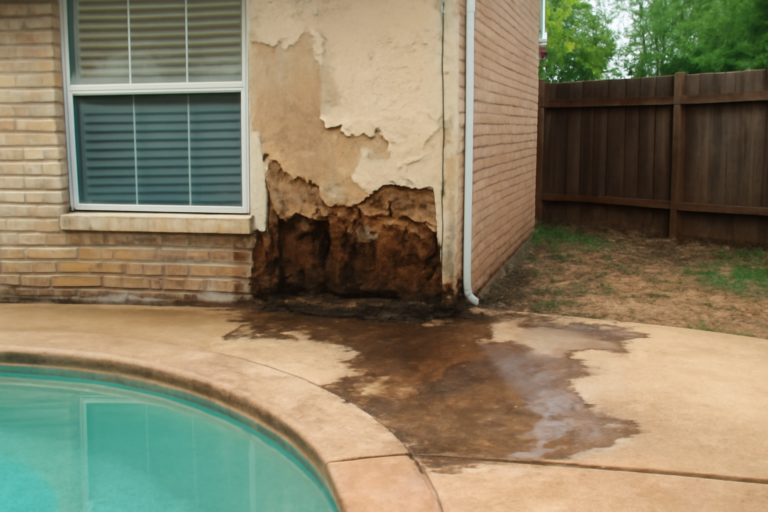
Anytime you see sewage backup or floodwaters that have come into contact with the ground or external sources, assume it’s Category 3 water. This includes water from overflowing rivers, lakes, or storm drains. Visible contamination requires immediate attention.
Discolored or Damp Walls and Ceilings
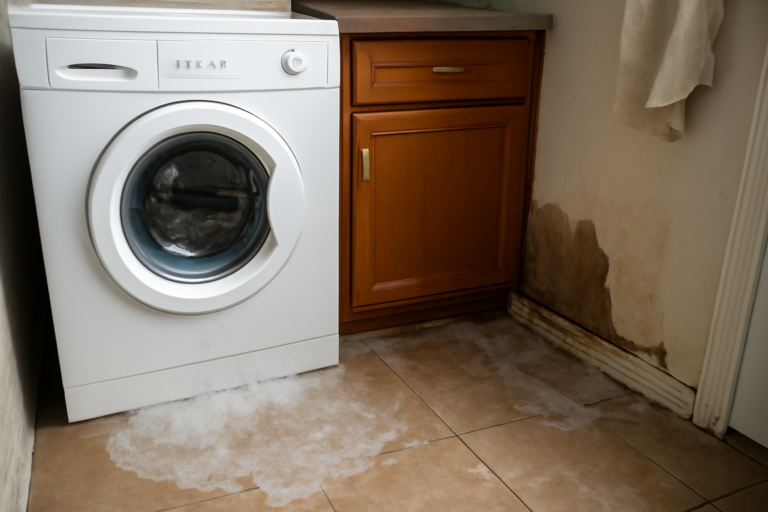
Water stains, peeling paint, or soggy drywall are clear signs of water intrusion. If the water source is questionable, this discoloration could indicate contamination from black water seeping into your home’s structure. Damp building materials are a concern.
Unexplained Health Symptoms
Sudden onset of respiratory issues, allergies, headaches, or skin irritation among household members can be linked to exposure to mold and bacteria from contaminated water. Your family’s health is paramount. Health symptoms shouldn’t be ignored.
Pooling Water Indoors
Any standing water inside your home, especially if its source isn’t clear or it smells foul, is a serious red flag. It means water has entered your living space and may be carrying harmful contaminants. Standing water is a direct threat.
Mold Growth Appearing Quickly
If you notice fuzzy or slimy patches of mold appearing rapidly on surfaces after a water event, it’s a sign that contaminated moisture is present and mold is thriving. This often happens within 24-48 hours in ideal conditions. Rapid mold growth is a warning.
Black Water Damage Restoration (Category 3) vs. DIY: When To Call a Professional
| Situation | DIY? | Call a Pro? | Why |
|---|---|---|---|
| Minor toilet overflow (clean water, contained to one area) | Yes | No | Usually manageable with basic cleanup supplies and good ventilation. |
| Sewage backup into a finished basement | No | Yes | Category 3 water is hazardous; professional containment and disinfection are essential. |
| Floodwater from an overflowing river entering your home | No | Yes | This is considered black water and requires specialized equipment and safety protocols. |
| Leaking pipe with clear water, contained to a small section of flooring | Yes | No | Can typically be dried and cleaned with fans and dehumidifiers. |
| Water intrusion from a damaged roof during a storm (clean rainwater) | Maybe | No | Can often be managed with drying equipment, but check for structural damage. |
| Suspected contamination from a sewer line break affecting multiple rooms | Absolutely Not | Yes | Extreme health risks; requires professional-grade containment, remediation, and disposal. |
For any situation involving sewage, floodwaters, or heavily contaminated sources, professional intervention is non-negotiable. DIY attempts with black water can be dangerous and ineffective. Our trained technicians have the protective gear and specialized equipment to handle these risks safely and thoroughly.
Black Water Damage Restoration (Category 3) Cost In Dunwoody, GA
The cost for Black Water Damage Restoration (Category 3) in Dunwoody, GA, can vary significantly based on the severity of the contamination, the size of the affected area, and the extent of structural damage. These estimates provide a general idea, but an on-site inspection is always needed for an accurate quote. Local conditions can also influence pricing.
| Service | Typical Price Range | What Affects Cost |
|---|---|---|
| Emergency Water Extraction | $500 – $3,000 | Volume of water, accessibility, and time required. |
| Containment and Decontamination | $750 – $4,000 | Size of the containment area, type of disinfectants used, and complexity of the space. |
| Controlled Demolition and Material Removal | $1,000 – $10,000+ | Amount of material needing removal and disposal costs for hazardous waste. |
| Structural Drying and Dehumidification | $1,500 – $8,000+ | Duration of drying, number of dehumidifiers and air movers needed, and structural cavity drying. |
| Odor Removal and Air Quality Testing | $300 – $1,500 | Severity of odors and the need for advanced treatments like ozone or thermal fogging. |
| Mold Remediation (if secondary mold develops) | $1,000 – $15,000+ | Extent of mold growth, containment needs, and remediation protocols. |
These figures are approximate, and your specific situation will determine the final cost. We offer free estimates after a thorough on-site assessment. Transparent pricing is important to us.
Service Areas Near Dunwoody, GA
Atlanta, Norcross, Chamblee, Tucker, Marietta, Sandy Springs, Brookhaven, Roswell, Smyrna, Duluth, Johns Creek, Suwanee, Alpharetta, Decatur, Clarkston, Avondale Estates, Stone Mountain, Lilburn, Doraville, Stockbridge
Common Questions About Black Water Damage Restoration (Category 3)
What is the difference between Category 2 and Category 3 water damage?
Category 2 water, or “gray water,” is water that has a lower level of contamination but may still cause illness. It can originate from sources like dishwasher leaks or washing machine overflows. Category 3 water, or “black water,” is grossly contaminated and can contain pathogens, toxic chemicals, and sewage. Professional remediation is always recommended for Category 3, as DIY cleanup is extremely risky due to the severe health hazards. We ensure proper handling of all contamination levels.
How quickly does mold grow after black water damage?
Mold can begin to grow in as little as 24 to 48 hours after a water intrusion event, especially if the water is contaminated like black water. The presence of moisture and organic materials provides a perfect breeding ground. Rapid mold development is a serious concern, which is why immediate drying and decontamination are critical. Our rapid response helps prevent secondary mold growth.
How long does Black Water Damage Restoration (Category 3) typically take?
The timeline for Category 3 water damage restoration varies greatly. Initial cleanup and extraction might take 1-3 days. However, the structural drying and dehumidification process can take anywhere from 3 days to several weeks, depending on the extent of saturation and the building materials affected. Thorough drying is essential for long-term safety. We provide realistic timelines after assessment.
Will my homeowner’s insurance cover Black Water Damage Restoration (Category 3)?
Coverage for black water damage depends heavily on your specific insurance policy and the cause of the water intrusion. Policies often cover damage from sudden and accidental sources like burst pipes or storms, but sewage backup may require a specific endorsement or rider. It’s important to review your policy. We can help you navigate the claims process and provide the necessary documentation for your insurance company. We work with your adjuster.
Is it safe to stay in my home during Black Water Damage Restoration (Category 3)?
It is generally not recommended to stay in your home during Category 3 water damage restoration, especially if sewage or heavily contaminated floodwaters are involved. The process involves potent cleaning agents, demolition, and potential airborne contaminants that can pose health risks. Your family’s health is our top priority. We recommend vacating the property until our team declares it safe to re-enter. We prioritize your well-being.
Check Our Other Relevant Services
Serving Dunwoody, GA And Nearby Areas