Trusted by 165+ Homeowners
Black Water Damage Restoration (Category 3) in Hiram, GA
- Over 165 5-Star Reviews
- Free Estimates and Quotes
- 100% Satisfaction Guaranteed
- Child, Family & Pet Safe Steps
- 24-Hour Emergency Service
- Fully Licensed & Insured

When Sewage Backs Up: Your Guide to Black Water Damage Restoration (Category 3) in Hiram, GA
If you’re dealing with a sewage backup or floodwater that’s visibly contaminated, it’s crucial to understand the seriousness of Category 3 black water damage. This isn’t just dirty water; it’s a potential health hazard that requires immediate, professional attention. Unlike cleaner water damage, black water can contain dangerous bacteria and viruses, making it unsafe to handle yourself. You’ll want to ensure your property is handled with the utmost care and expertise from the very first moments.
Our local crews have helped over 165,000 homeowners in your neighborhood tackle their toughest water damage challenges, and we’ve earned over 165 five-star reviews for our dedication. When it comes to the complex and hazardous nature of Category 3 water damage, residents trust us because we bring a level of specialized knowledge and rapid response that makes a real difference. We understand the stress you’re under, and we’re here to bring clarity and effective solutions to your situation.
- Swift Emergency Response: We prioritize immediate action to mitigate further damage and health risks associated with black water, often reaching your property within hours.
- Advanced Health & Safety Protocols: Our technicians use specialized equipment and protective gear to safely remove contaminated materials and thoroughly disinfect your home.
- Complete Contaminant Removal: We go beyond surface cleaning to ensure all traces of harmful bacteria and pathogens are eliminated, restoring a safe living environment.
How We Tackle Category 3 Black Water Damage
Dealing with black water damage demands a systematic and aggressive approach. It’s not just about drying things out; it’s about containment, thorough decontamination, and preventing long-term health issues. When corners are cut with this type of water, the consequences can be severe and costly. Our team follows a rigorous process, honed over years of experience, to ensure your property is restored safely and effectively. We understand the critical first 24 to 48 hours are vital for preventing secondary damage and mold growth.
1. Emergency Water Extraction
Our first priority is to remove as much standing black water as possible. We use powerful, truck-mounted extraction units designed to pull water from carpets, subfloors, and structural materials quickly. This step is critical to stop the spread of contamination and begin the drying process. You can expect this initial extraction to take anywhere from a few hours to a full day, depending on the volume of water.
2. Containment and Decontamination
Once the bulk of the water is gone, we establish containment zones using industrial-grade plastic sheeting and negative air pressure. This prevents airborne contaminants from spreading to unaffected areas of your home. We then apply EPA-approved disinfectants and antimicrobials to all affected surfaces to kill bacteria, viruses, and mold spores. This crucial step ensures your family’s safety and is paramount in Category 3 situations.
3. Removal of Damaged Materials
Many porous materials, like drywall, insulation, and certain types of flooring, cannot be effectively cleaned or decontaminated after exposure to black water. Our crews will carefully identify and remove these items. This is a necessary but often challenging part of the process, as it involves discarding items that may have sentimental value but pose a health risk. We aim to salvage what’s safely possible and remove what’s not.
4. Advanced Drying and Dehumidification
After decontamination and removal, we bring in specialized drying equipment, including high-speed air movers and industrial dehumidifiers. These machines work tirelessly to remove residual moisture from the air and structural components. We monitor humidity and moisture levels closely, often for several days, to ensure materials are dried to safe standards. Proper drying is essential to prevent mold and structural damage.
5. Odor Control and Final Cleaning
Black water damage often leaves behind stubborn odors. We utilize advanced odor-control equipment, such as ozone generators and thermal foggers, to neutralize any lingering smells. Following this, we perform a thorough final cleaning and sanitization of all affected areas. Our goal is to leave your home not just dry, but also fresh and healthy.
Don’t delay when you suspect black water damage. The sooner you call, the more we can protect your property and your health. Contact us immediately for rapid, expert assistance.

Warning Signs You Need Category 3 Black Water Damage Restoration
Recognizing the early indicators of black water damage is key to preventing more extensive problems and costly repairs. Ignoring these signs can lead to serious health risks and structural issues down the line. Being aware can save you significant trouble and expense.
Musty Odors That Won’t Go Away
A persistent, unpleasant smell, often described as mildew or sewage, is a strong indicator of contamination. This odor typically means bacteria and mold are already present, even if you can’t see them. Addressing these smells promptly is vital.
Visible Sewage or Contaminated Water
If you see water that’s discolored, murky, or has debris floating in it, especially if it originates from a toilet overflow or sewer line issue, it’s almost certainly Category 3. This is the most obvious sign that professional cleanup is required.
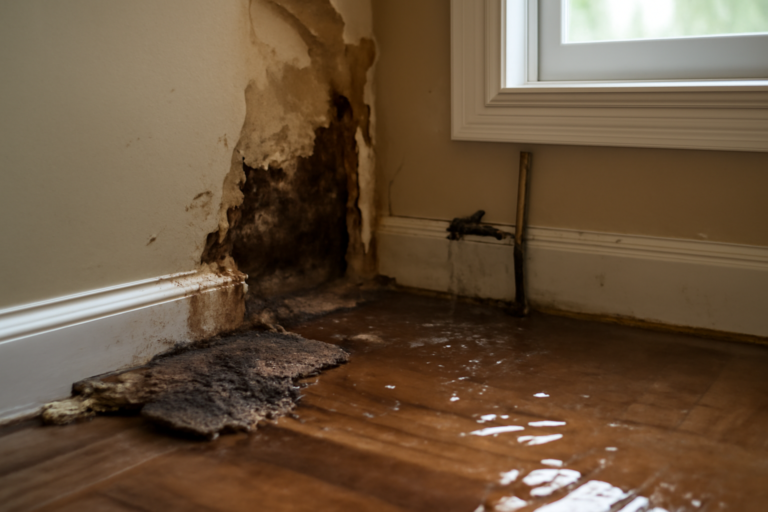
Discolored or Swollen Walls and Ceilings
Water seeping into building materials can cause them to warp, swell, or develop stains. If these changes are accompanied by an odd smell, it suggests the water is contaminated. Prompt assessment is crucial to determine the extent of damage.
Health Symptoms After Water Intrusion
Experiencing headaches, nausea, respiratory issues, or skin irritation after a water event could indicate exposure to harmful contaminants. These symptoms are a serious warning that your environment is not safe.
Water Pooling Around Drains or Toilets
If you notice water backing up or pooling around plumbing fixtures, especially toilets or floor drains, it often signals a problem with your sewer line. This is a direct entry point for dangerous black water.
Damp or Soggy Flooring
Carpet, padding, and even some hard surface flooring can become saturated and contaminated. If your floors feel unusually damp, squishy, or emit a foul odor, it’s a sign that professional remediation is needed.
Category 3 Black Water Damage Restoration vs. DIY: When To Call a Professional
| Situation | DIY? | Call a Pro? | Why |
|---|---|---|---|
| Minor toilet overflow, contained to porcelain bowl | Yes, with gloves and disinfectant | No | Usually doesn’t breach the bowl or saturate materials extensively. |
| Sewage backup into your living space | Absolutely Not | Yes | Category 3 water contains dangerous pathogens; DIY attempts are unsafe and ineffective. |
| Floodwater from a burst pipe (clean water) | Potentially for minor leaks | Yes, for significant flooding | Clean water can still cause mold and structural damage if not dried properly. |
| Water damage from a natural flood (river, storm) | Absolutely Not | Yes | This is Category 3 water, heavily contaminated with sewage, chemicals, and debris. |
| Dampness after a small leak, no visible contamination | Yes, for drying and cleaning | Yes, if mold is suspected or appears | Mold can grow quickly and pose health risks; professional assessment is best. |
| Suspected mold growth after any water event | No | Yes | Mold remediation requires specialized knowledge, equipment, and safety protocols. |
For any situation involving Category 3 black water, DIY is simply not a safe or effective option. The health risks are too high, and the required remediation process is complex. Trusting this to professionals ensures your home is truly decontaminated and restored.
Category 3 Black Water Damage Restoration Cost In Hiram, GA
The cost of black water damage restoration can vary significantly based on the extent of the contamination, the size of the affected area, and the specific materials that need to be addressed. These figures provide a general idea for homeowners in Hiram, GA; an on-site assessment is always needed for an exact quote.
| Service | Typical Price Range | What Affects Cost |
|---|---|---|
| Emergency Water Extraction & Removal | $500 – $2,500 | Volume of water, accessibility of the area. |
| Containment & Decontamination | $750 – $3,000 | Size of affected area, number of rooms, type of disinfectants used. |
| Removal of Damaged Materials (Demo) | $1,000 – $5,000+ | Amount of drywall, flooring, insulation removed, labor intensity. |
| Structural Drying & Dehumidification | $1,500 – $6,000+ | Duration of drying, number of machines needed, size of the space. |
| Odor Control & Air Scrubbing | $300 – $1,500 | Severity of odor, size of space, duration of treatment. |
| Mold Remediation (if secondary mold develops) | $1,000 – $7,000+ | Extent of mold growth, complexity of removal, structural repairs needed. |
These ranges represent typical costs for specialized Category 3 services. We offer free estimates and work with you to understand the full scope of the damage and the most effective restoration plan. Getting a professional assessment is the best next step.
Service Areas Near Hiram, GA
Douglasville, Lithia Springs, Powder Springs, Marietta, Austell, Smyrna, Kennesaw, Acworth, Dallas, Temple, Villa Rica, Winston, Mableton, Vinings, Roswell, Dunwoody, Sandy Springs, Atlanta, Chattahoochee Hills, Fairburn
Common Questions About Category 3 Black Water Damage Restoration
What’s the difference between gray water and black water damage?
Gray water (Category 2) comes from sources like toilet overflows that don’t contain human waste or from washing machines and dishwashers. It’s contaminated but generally less hazardous than black water. Black water (Category 3) is the most dangerous, originating from sewage backups, toilet overflows with waste, or floodwaters from rivers and lakes that are heavily contaminated with bacteria, viruses, and other pathogens. Our team uses specialized protocols for each category, but Category 3 requires the most stringent decontamination measures.
How long does black water damage restoration take?
The timeline for Category 3 black water restoration varies greatly depending on the severity and the extent of contamination. Initial water extraction and containment might take 1-3 days. Removal of damaged materials can take another few days. Crucially, the drying and dehumidification process can take anywhere from 3 to 14 days or even longer, as we need to ensure all structural materials are dried to safe levels. We’ll provide you with a more accurate timeline after our initial assessment.
Is black water damage covered by homeowner’s insurance?
Coverage for black water damage can be complicated and often depends on the cause of the water intrusion. Damage from sewer backups is sometimes excluded unless you have specific sewer backup coverage on your policy. Flood damage is typically covered by separate flood insurance policies. We recommend reviewing your policy or contacting your insurance provider directly. We can assist with documentation to help you navigate the claims process.
What are the health risks associated with black water?
Black water is teeming with harmful microorganisms like bacteria, viruses, and parasites. Exposure can lead to a range of illnesses, including gastrointestinal problems, respiratory infections, skin infections, and more serious diseases. It’s why attempting to clean it yourself without proper protective gear and knowledge is extremely risky. Our technicians are trained in safety protocols to minimize exposure risks during cleanup and restoration.
Can mold grow after black water damage?
Yes, absolutely. Mold thrives in damp environments, and if black water damage isn’t addressed quickly and dried thoroughly, mold can begin to grow within 24 to 48 hours. The presence of mold creates additional health concerns and complicates the restoration process. That’s why our rapid response and advanced drying techniques are so critical for preventing secondary mold growth after Category 3 water events.
Check Our Other Relevant Services

Jerry Johns is a licensed Damage Restoration Expert with over 20 years of hands-on experience helping homeowners and businesses navigate property crises. As a trusted authority in the field, Jerry combines technical precision with a compassionate approach to disaster recovery.
𝗖𝗲𝗿𝘁𝗶𝗳𝗶𝗰𝗮𝘁𝗶𝗼𝗻𝘀: Jerry holds multiple elite IICRC certifications, including Water Damage Restoration (WRT), Applied Microbial Remediation (Mold), Applied Structural Drying (ASD), Odor Control, and Fire and Smoke Restoration.
𝗙𝗮𝘃𝗼𝗿𝗶𝘁𝗲 𝗣𝗮𝘀𝘁𝗶𝗺𝗲: When he isn’t on a job site, Jerry is an avid outdoorsman who enjoys fly fishing and restoring vintage woodworking tools.
𝗕𝗲𝘀𝘁 𝗣𝗮𝗿𝘁 𝗼𝗳 𝘁𝗵𝗲 𝗝𝗼𝗯: Jerry finds the most fulfillment in seeing the relief on a client’s face when their property is finally restored to its pre-loss condition, turning a stressful disaster into a fresh start.