
Trusted by 165+ Homeowners
Ceiling Drywall Water Damage Restoration in Alpharetta, GA
- Over 165 5-Star Reviews
- Free Estimates and Quotes
- 100% Satisfaction Guaranteed
- Child, Family & Pet Safe Steps
- 24-Hour Emergency Service
- Fully Licensed & Insured
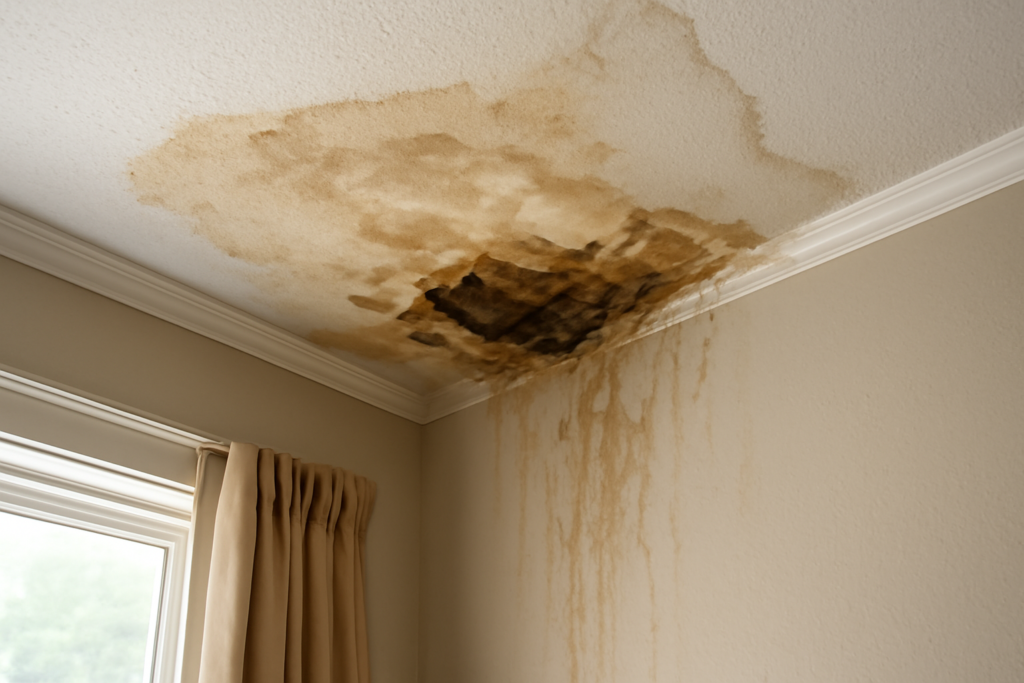
Don’t Let a Leaky Ceiling Ruin Your Home: Expert Ceiling Drywall Water Damage Restoration in Alpharetta, GA
Seeing a water stain bloom on your ceiling is never a good sign. It often means you’re dealing with more than just a cosmetic issue. Ignoring ceiling water damage can lead to serious structural problems and even mold growth if not addressed quickly. You might be tempted to just patch it up yourself, but that’s rarely the right move when water has seeped into your drywall. We understand how stressful a situation like this can be for your family in Alpharetta, GA, and we’re here to help you navigate it with calm, expert care. Prompt professional attention is key to preventing further damage.
Our local crews have helped hundreds of homeowners in the area get their ceilings back to normal. We’ve earned over 165 five-star reviews because we focus on getting the job done right, the first time. People choose us specifically for ceiling water damage because they know we bring the right equipment and the right expertise to tackle this tricky problem. You can trust our experienced technicians to restore your home efficiently and effectively. We aim for your complete satisfaction with every project we handle.
- We meticulously dry and dehumidify your ceiling to prevent long-term structural weakening and potential mold development, going beyond a simple surface fix.
- Our team carefully assesses the extent of the water intrusion into your drywall and insulation, ensuring all compromised materials are identified and addressed.
- We provide professional mold testing and remediation if necessary, protecting your family’s health by eliminating hidden dangers that water damage can create.
How Ceiling Drywall Water Damage Restoration Actually Works
When water finds its way through your ceiling, it doesn’t just sit on the surface; it saturates the drywall, potentially affecting insulation and even the joists above. A quick, proper response is crucial. Simply painting over a water stain won’t solve the underlying problem. In fact, it can trap moisture, leading to rot and mold. Our crews follow a detailed, science-based process to ensure your ceiling is not only dry but also structurally sound and safe. Understanding the process helps you know what to expect and why speed matters so much in these situations. We prioritize rapid response to minimize damage.
Emergency Water Extraction
The very first step is to stop the water source if possible and then remove any standing water. We use specialized pumps and vacuums designed for water extraction to quickly pull water out of your attic and ceiling cavities. This phase is critical for limiting further saturation. It typically takes a few hours, depending on the volume of water.
Thorough Drying and Dehumidification
Once standing water is gone, we bring in powerful air movers and industrial-grade dehumidifiers. These machines work around the clock to pull moisture out of the air and the affected materials. Our goal is to dry your ceiling materials to pre-loss conditions as quickly as possible. This process can take anywhere from 24 to 72 hours, sometimes longer, depending on the severity of the water damage. We use moisture meters to verify complete dryness.
Mold Prevention and Inspection
Moist drywall is a prime breeding ground for mold. As soon as we begin the drying process, we’re also looking for any signs of mold growth. If mold is present or suspected, we’ll perform specific mold testing and containment procedures. Protecting your home’s air quality is a top priority for our team. This step is essential for your family’s health and well-being.
Drywall Repair and Replacement
Once everything is completely dry and mold-free, we address the damaged drywall. This often involves cutting out saturated sections and replacing them with new drywall. We then expertly tape, mud, sand, and prime the new sections to match your existing ceiling. Our goal is a seamless repair that’s virtually invisible. This part of the process usually takes 1-3 days, depending on the size of the affected area.
Painting and Finishing
The final step is painting. We’ll match the texture and color of your existing ceiling to restore its original appearance. You’ll be able to look up and see a ceiling that looks like the water damage never happened. We take pride in delivering a flawless finishing touch. This typically takes 1-2 days to complete.
Don’t wait for that small drip to turn into a major problem. Taking action immediately can save you significant time and money. Contact our team now to get your ceiling assessed and restored. We’re ready to help.
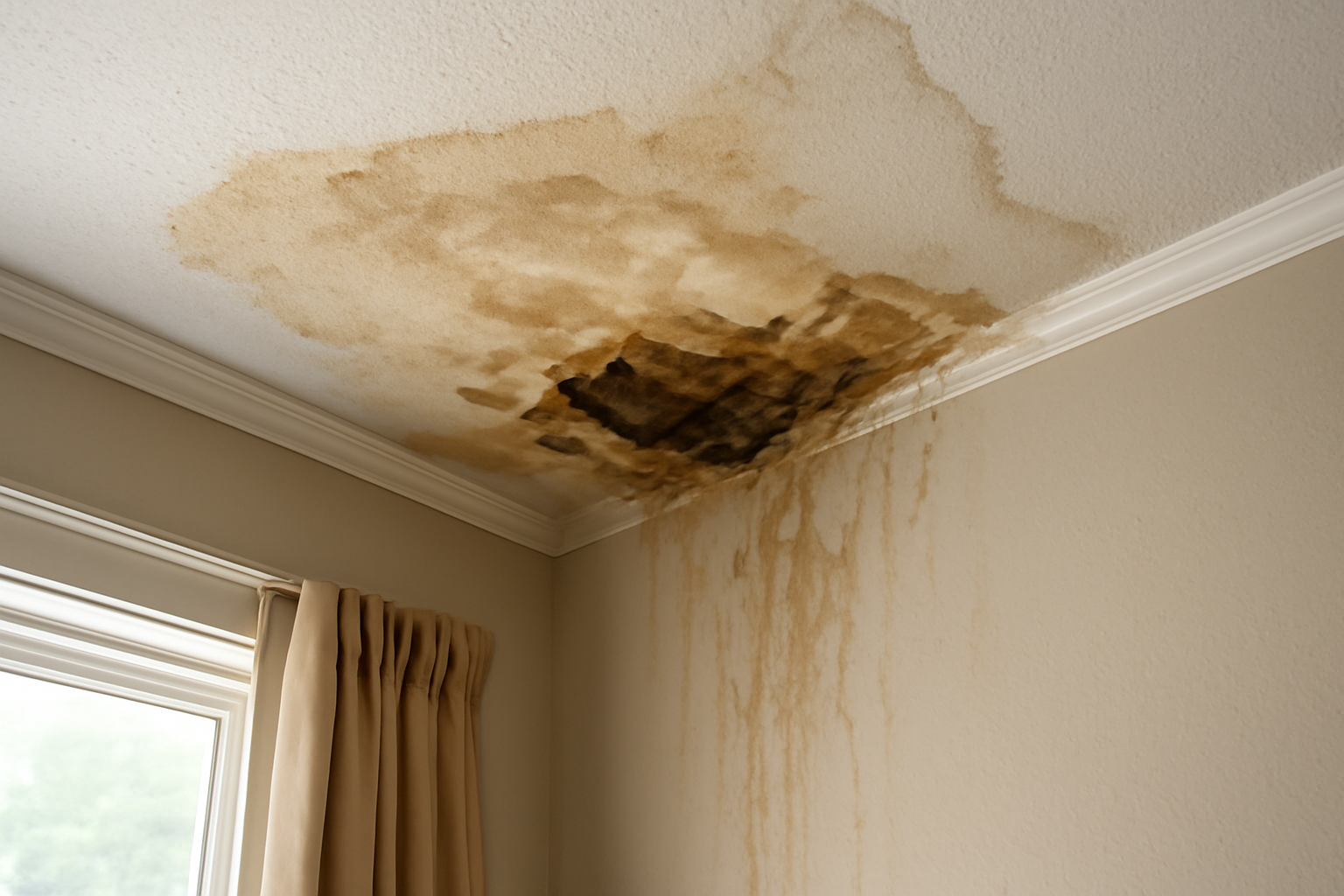
Warning Signs You Need Ceiling Drywall Water Damage Restoration
Catching water damage early is the best way to minimize its impact on your home and your wallet. Many homeowners don’t realize the extent of the problem until it becomes very obvious. Paying attention to subtle changes can make a huge difference in preventing costly repairs down the line. Early detection saves money and prevents bigger headaches. Don’t dismiss these signs; they’re your home’s way of telling you something’s wrong.
Discolored Ceiling Stains
The most common sign is a yellow or brown stain on your ceiling. This indicates that water has penetrated the paint and the drywall material itself. These stains will likely reappear if the underlying moisture isn’t properly addressed. Visible stains demand attention.
Sagging or Soft Drywall
If your ceiling feels soft to the touch or you can see it starting to bulge or sag, that’s a clear sign of significant water saturation. This means the drywall is losing its structural integrity and could collapse. Address sagging immediately before it causes injury or further damage.
Peeling or Bubbling Paint
Water trapped behind paint layers can cause them to peel away from the drywall surface. You might see small bubbles forming as moisture pushes the paint outward. This is a strong indicator that water is present and needs to be dealt with. Peeling paint is a warning.
Musty Odors That Won’t Go Away
A persistent, damp, musty smell coming from your ceiling area, even when it hasn’t rained recently, can signal hidden moisture and potential mold growth. Mold thrives in damp environments and releases these telltale odors. Investigate persistent odors seriously.
Visible Water Dripping
Of course, seeing water actively dripping from your ceiling is a critical emergency. This means there’s a significant leak, and the drywall is likely heavily saturated. You need to act fast to prevent further damage and potential collapse. Stop active leaks as soon as possible.
Increased Humidity Levels
If your home feels unusually humid, especially in rooms directly below potential leak sources, it could be a sign of moisture being released into the air from a damaged ceiling. This can contribute to mold growth and discomfort. Monitor indoor humidity closely.
Ceiling Drywall Water Damage Restoration vs. DIY: When To Call a Professional
| Situation | DIY? | Call a Pro? | Why |
|---|---|---|---|
| Small, fresh water spot on ceiling, no sag | Yes, for immediate drying. | Yes, if stain persists or reappears. | DIY can address surface drying, but professionals ensure no hidden moisture. |
| Visible sagging or bulging drywall | No. | Yes, immediately. | Sagging indicates structural compromise; DIY is unsafe and ineffective. |
| Water is actively dripping | No. | Yes, immediately. | Active leaks pose immediate risk and require emergency response to stop the source. |
| Musty odor present, no visible damage | No. | Yes, for inspection. | Odors suggest hidden moisture or mold, requiring specialized detection and remediation. |
| Large water stain covering more than 1 square foot | No. | Yes, for assessment. | Extensive saturation means drywall is likely compromised and needs professional drying and repair. |
| After a major leak (e.g., burst pipe, roof damage) | No. | Yes, immediately. | Large-scale events require rapid, professional drying and assessment to prevent widespread damage. |
For anything beyond a very minor, fresh water spot, calling a professional is almost always the wisest choice. DIY attempts can be dangerous and often lead to more extensive damage and higher costs down the road. Our team has the specialized equipment and training to handle all levels of ceiling water damage effectively. Professional intervention is crucial for long-term safety and structural integrity.
Ceiling Drywall Water Damage Restoration Cost In Alpharetta, GA
The cost for ceiling drywall water damage restoration in Alpharetta, GA, can vary significantly. Factors like the size of the affected area, the extent of water saturation, the type of drywall, and the complexity of the repair all play a role. These figures are estimates and can change based on your specific situation. Accurate pricing requires an assessment of your property.
| Service | Typical Price Range | What Affects Cost |
|---|---|---|
| Water Damage Assessment & Inspection | $200 – $500 | Size of affected area, complexity of access. |
| Water Extraction (for minor to moderate) | $300 – $1,000 | Volume of water, time required. |
| Drying & Dehumidification Setup | $400 – $1,500 | Number of machines needed, duration of drying. |
| Drywall Repair (per sheet) | $150 – $400 | Type of drywall, number of patches, finishing level. |
| Mold Testing & Remediation (if needed) | $500 – $3,000+ | Severity of mold, containment needs, treatment methods. |
| Painting & Finishing | $200 – $600 | Ceiling size, texture matching, number of coats. |
These prices are meant to give you a general idea of potential costs. A thorough on-site inspection is necessary for a precise quote. We offer free, no-obligation estimates so you know exactly what to expect before we begin. Get your free estimate today.
Service Areas Near Alpharetta, GA
Alpharetta, Roswell, Johns Creek, Milton, Cumming, Suwanee, Duluth, Norcross, Marietta, Sandy Springs, Atlanta, Dunwoody, Chamblee, Doraville, Tucker, Stone Mountain, Lilburn, Lawrenceville, Snellville, Buford.
Common Questions About Ceiling Drywall Water Damage Restoration
What if I have a small water spot on my ceiling? Can I just paint over it?
While it might be tempting to simply paint over a small water spot, it’s generally not recommended without addressing the underlying moisture. If the drywall is still damp, painting over it can trap moisture, leading to mold growth and further deterioration of the drywall. Proper drying is essential before any cosmetic repairs. Our team can quickly assess the spot, ensure it’s completely dry, and then expertly repair and paint it.
How long does ceiling drywall water damage restoration usually take?
The timeline can vary greatly depending on the severity of the water damage. Simple drying and minor repairs might take 1-3 days. However, if there’s significant saturation, mold growth, or extensive drywall replacement needed, it could take a week or more. We use advanced drying equipment to expedite the drying process as much as possible. We’ll provide you with a realistic timeline after our initial assessment.
Is ceiling water damage dangerous to my health?
Yes, it absolutely can be. The biggest health risk associated with water-damaged drywall is mold growth. Mold spores can cause allergic reactions, respiratory problems, and other health issues, especially for individuals with pre-existing conditions. Protecting your family’s health is paramount. Our technicians are trained to identify and remediate mold safely and effectively as part of the restoration process.
What kind of equipment do you use to dry out my ceiling?
We utilize professional-grade equipment designed for rapid and thorough drying. This includes high-speed air movers to circulate air and speed up evaporation, and powerful industrial dehumidifiers to pull moisture out of the air and materials. We also use specialized moisture meters to track dryness levels and ensure the area is completely restored. This equipment is far more effective than typical household fans or dehumidifiers.
How can I prevent ceiling water damage in the future?
Regular maintenance is key. This includes checking your roof for damage, ensuring gutters are clear and draining properly, and inspecting plumbing lines, especially in bathrooms and kitchens directly above living spaces. If you have an attic, ensure it’s properly insulated and ventilated. For immediate peace of mind, consider having us inspect your home for potential vulnerabilities. Proactive maintenance prevents problems and saves you from stressful emergency calls.
Check Our Other Relevant Services

Jerry Johns is a licensed Damage Restoration Expert with over 20 years of hands-on experience helping homeowners and businesses navigate property crises. As a trusted authority in the field, Jerry combines technical precision with a compassionate approach to disaster recovery.
𝗖𝗲𝗿𝘁𝗶𝗳𝗶𝗰𝗮𝘁𝗶𝗼𝗻𝘀: Jerry holds multiple elite IICRC certifications, including Water Damage Restoration (WRT), Applied Microbial Remediation (Mold), Applied Structural Drying (ASD), Odor Control, and Fire and Smoke Restoration.
𝗙𝗮𝘃𝗼𝗿𝗶𝘁𝗲 𝗣𝗮𝘀𝘁𝗶𝗺𝗲: When he isn’t on a job site, Jerry is an avid outdoorsman who enjoys fly fishing and restoring vintage woodworking tools.
𝗕𝗲𝘀𝘁 𝗣𝗮𝗿𝘁 𝗼𝗳 𝘁𝗵𝗲 𝗝𝗼𝗯: Jerry finds the most fulfillment in seeing the relief on a client’s face when their property is finally restored to its pre-loss condition, turning a stressful disaster into a fresh start.


