
Trusted by 165+ Homeowners
Ceiling Drywall Water Damage Restoration in Belvedere Park, GA
- Over 165 5-Star Reviews
- Free Estimates and Quotes
- 100% Satisfaction Guaranteed
- Child, Family & Pet Safe Steps
- 24-Hour Emergency Service
- Fully Licensed & Insured
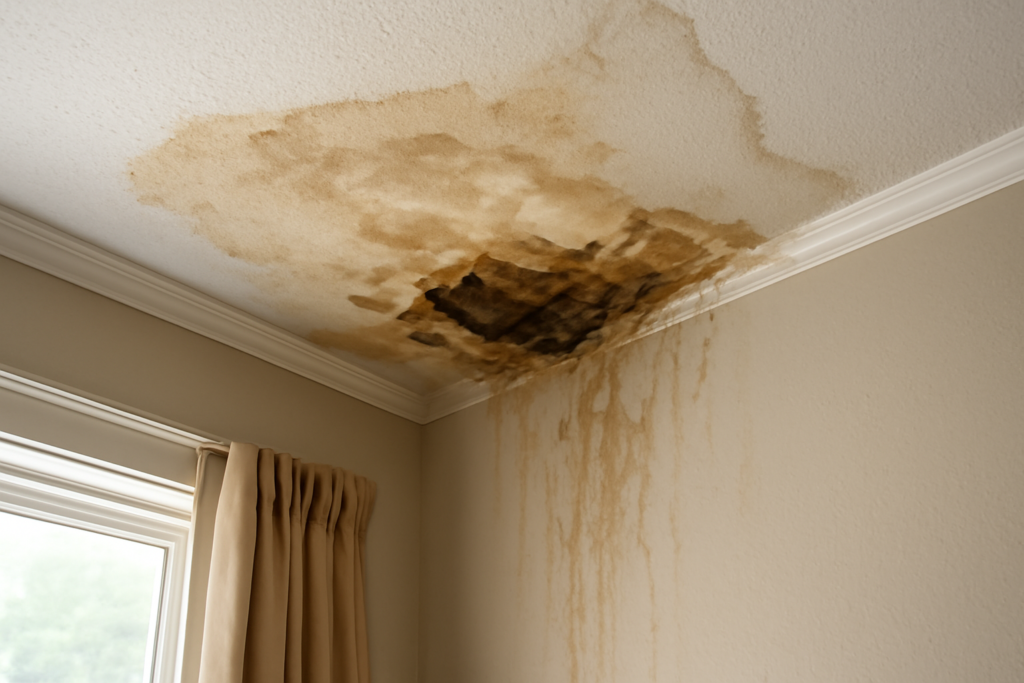
Don’t Ignore That Sagging Ceiling: Your Guide to Ceiling Drywall Water Damage Restoration in Belvedere Park, GA
That telltale sign of a water stain spreading across your ceiling, or worse, a visible sag, means you need to act fast. Ignoring it can lead to serious structural damage, mold growth, and a much larger repair bill down the line. For homeowners in Belvedere Park, GA, understanding the immediate steps for ceiling drywall water damage is crucial to protecting your home. You’ll want to know how to safely assess the situation and what to expect when professional help arrives. Remember, the longer water sits, the more it compromises your drywall and insulation.
Locally, homeowners have trusted our team for over 165 five-star reviews when ceiling water damage occurs. We understand the stress and disruption this brings to your family’s life. That’s why we focus on delivering clear communication and effective repairs for your specific ceiling issue. You’re not just getting a repair; you’re getting a neighbor who’s dedicated to restoring your home’s integrity and comfort. We work diligently to get things back to normal as quickly as possible, ensuring minimal disruption to your routine.
- Rapid assessment and containment prevent further spreading, saving you money on extensive repairs.
- Targeted drying techniques remove hidden moisture, stopping mold before it starts and protecting your indoor air quality.
- Skilled drywall repair and finishing restore your ceiling’s appearance seamlessly, making it look like the damage never happened.
How We Tackle Ceiling Drywall Water Damage: A Swift and Thorough Process
When water infiltrates your ceiling, a methodical approach is absolutely essential. Delaying repairs or using incorrect methods can turn a manageable problem into a major headache, affecting not just the drywall but also the joists and insulation above. Our process is designed for speed and precision. We utilize specialized equipment to quickly identify the source of the leak, extract standing water, and thoroughly dry the affected materials. This prevents secondary damage like mold and rot, ensuring a long-lasting repair.
1. Emergency Water Extraction and Containment
Our first priority is to stop the water source and remove any standing water. We use powerful truck-mounted extraction units to pull water out of your ceiling and the surrounding areas. Containment barriers are set up to prevent water from spreading to other parts of your home. This critical step usually takes a few hours, depending on the volume of water.
2. Advanced Drying and Dehumidification
Once the bulk of the water is gone, we bring in industrial-grade air movers and dehumidifiers. These machines are specifically designed to accelerate the drying process for materials like drywall, wood, and insulation. We monitor humidity levels closely to ensure effective moisture removal. This phase can last from 24 to 72 hours, sometimes longer in severe cases.
3. Mold Prevention Treatment
Where moisture has been present, mold can quickly take hold. We apply EPA-approved antimicrobial treatments to the affected drywall and surrounding materials to prevent mold and mildew growth. This is a crucial step for your family’s health and the long-term integrity of your home. This treatment is typically completed within a few hours once the area is dry.
4. Drywall Repair and Replacement
Severely damaged or saturated drywall often needs to be removed and replaced. Our skilled technicians carefully cut out damaged sections and install new drywall, ensuring a smooth and seamless finish. We match the texture and paint to blend the repaired area perfectly with the rest of your ceiling, restoring its original appearance. This typically takes one to two days, depending on the size of the affected area.
5. Final Inspection and Air Quality Testing
Before we consider the job done, we conduct a thorough inspection to ensure all moisture has been removed and the repairs are up to our high standards. We may also perform air quality testing to confirm that the environment is safe and healthy. Your satisfaction is our goal, ensuring complete restoration. This final check usually takes a few hours.
Don’t wait for that water stain to grow larger or for mold to appear. Contact us immediately to start the drying and repair process. A quick response can save you significant money and stress in the long run.
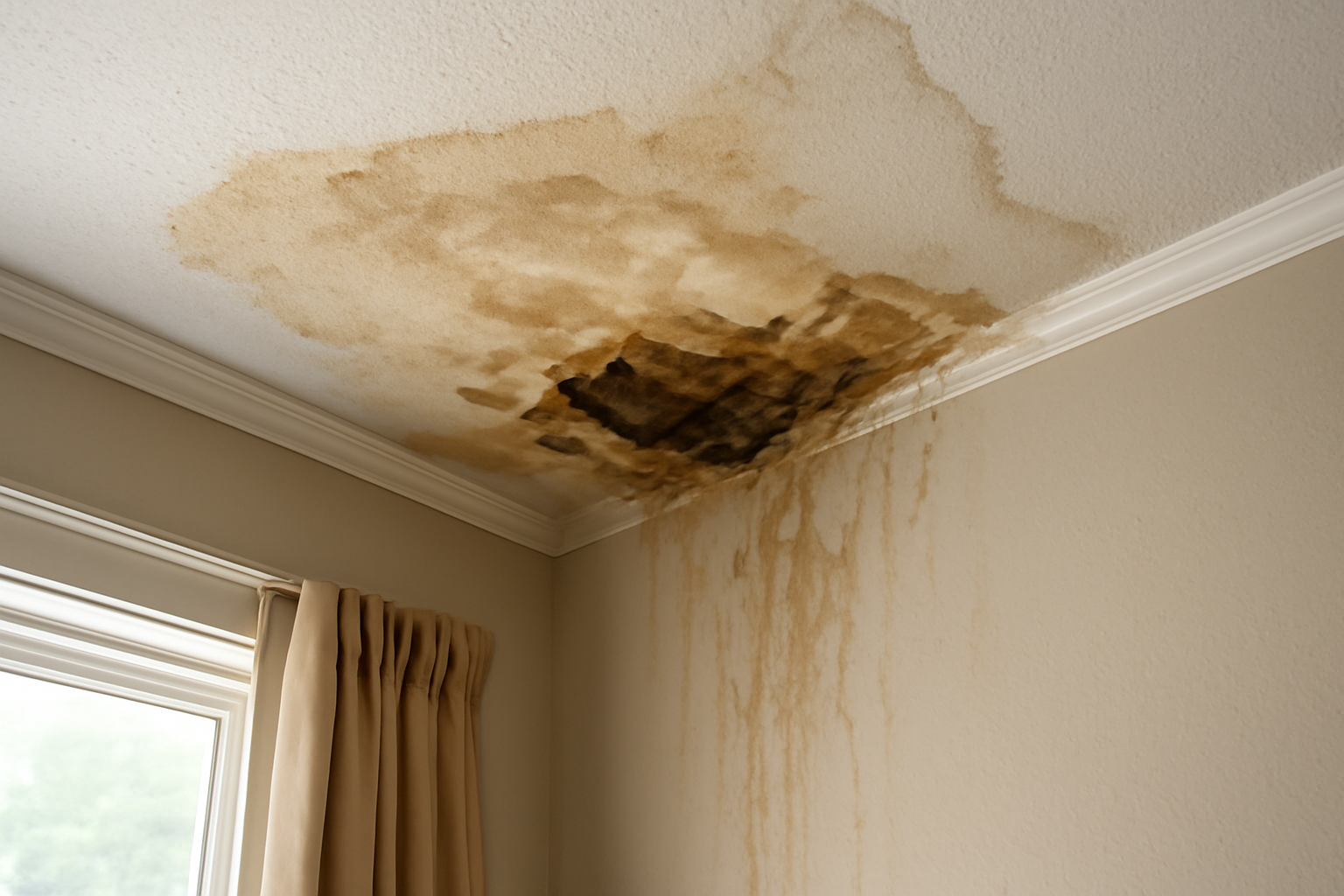
Warning Signs You Need Ceiling Drywall Water Damage Restoration
Catching the early indicators of ceiling water damage is key to preventing more extensive and costly problems. Your ceiling might be telling you something is wrong long before you see a major leak. Being aware of these subtle signs can help you address issues when they are still minor, protecting your home’s structural integrity and your family’s well-being.
Musty Odors That Won’t Go Away
A persistent damp or musty smell, especially in rooms directly below bathrooms, kitchens, or attics, is a strong indicator of hidden moisture. This smell often means mold is already starting to grow behind your drywall. Ignoring this smell can lead to worsening air quality and potential health issues.
Visible Water Stains or Discoloration
Brown or yellow rings and patches on your ceiling are the most obvious signs of a past or present leak. Even if the leak has stopped, the stained area indicates that the drywall has been saturated and may be weakened. These stains are a clear signal for prompt professional attention.
Peeling or Bubbling Paint/Wallpaper
When moisture gets behind the paint or wallpaper on your ceiling, it can cause the adhesive to fail, leading to peeling or bubbling. This is a visual cue that the drywall underneath is compromised. Addressing this early prevents further delamination and easier repairs.
Sagging or Drooping Drywall
A visible dip or sag in your ceiling is a critical warning sign. It means the drywall is saturated and its structural integrity is compromised, potentially holding a large amount of water. This is an urgent situation that requires immediate professional intervention to prevent collapse.
Cracks or Holes in the Ceiling
Water saturation can weaken the drywall, leading to new cracks or the expansion of existing ones. In severe cases, the drywall might even develop small holes as it deteriorates. These are clear indicators that the material is no longer sound.
Mold or Mildew Growth
You might see fuzzy patches of black, green, or white growth on your ceiling. This is a direct sign of mold, which thrives in damp environments and can pose serious health risks. Eradicating mold requires specialized techniques and professional expertise.
Ceiling Drywall Water Damage Restoration vs. DIY: When To Call a Professional
| Situation | DIY? | Call a Pro? | Why |
|---|---|---|---|
| Small, fresh water stain with no sag | Yes, with caution. | Yes, for peace of mind. | Even small stains can hide underlying issues or lead to mold if not dried properly. |
| Visible sagging or drooping ceiling | Absolutely Not. | Yes, immediately. | A sagging ceiling is a structural risk and could collapse, causing injury and extensive damage. |
| Suspected mold growth (fuzzy spots, strong odors) | No. | Yes, immediately. | Mold can be hazardous to your health and requires specialized containment and removal. |
| Water source is still active (e.g., a persistent leak) | No. | Yes, immediately. | You need to stop the active leak first before any drying or repair can begin. |
| Large affected area (more than a few square feet) | No. | Yes. | Large areas require professional equipment and expertise for thorough drying and structural integrity. |
| Ceiling has multiple layers of paint or textured finish | No. | Yes. | Properly repairing and matching these finishes requires specialized skills and materials. |
While minor cosmetic issues might seem manageable, any situation involving significant water saturation, structural compromise, or potential mold growth demands professional attention. Our team has the specialized equipment and training to properly dry, repair, and restore your ceiling, ensuring your home is safe and healthy again.
Ceiling Drywall Water Damage Restoration Cost In Belvedere Park, GA
The cost for ceiling drywall water damage restoration in Belvedere Park, GA, can vary significantly. Factors like the size of the affected area, the severity of the water damage, the type of ceiling material, and the complexity of the repair all play a role. These figures are general estimates and a precise quote requires an on-site assessment.
| Service | Typical Price Range | What Affects Cost |
|---|---|---|
| Minor Water Stain Drying & Treatment | $500 – $1,500 | Size of stain, humidity levels, and need for antimicrobial treatment. |
| Partial Drywall Replacement (up to 4’x4′) | $800 – $2,000 | Size of the section replaced, texture matching, and paint. |
| Full Ceiling Panel Replacement (standard room) | $1,500 – $4,000 | Square footage of the ceiling, complexity of the structure, and finishing work. |
| Advanced Drying Equipment Rental | $300 – $1,000 (per day) | Duration of drying needed, number of units required. |
| Mold Remediation (if present) | $1,000 – $5,000+ | Severity of mold infestation, containment needs, and area affected. |
| Water Source Identification & Minor Repair | $400 – $1,200 | Complexity of accessing the leak source (e.g., in a wall cavity or attic). |
We offer free estimates to provide you with a clear understanding of the costs involved for your specific situation. Our goal is to provide transparent pricing and effective restoration services.
Service Areas Near Belvedere Park, GA
Atlanta, Avondale Estates, Brookhaven, Chamblee, Clarkston, Decatur, Doraville, Druid Hills, Dunwoody, East Point, Forest Park, Hapeville, Johns Creek, Lithonia, Mableton, Marietta, Norcross, North Atlanta, Riverdale, Sandy Springs, Smyrna, Stone Mountain, Tucker, Union City, Vinings, Wesley Hills, White Oak Creek.
Common Questions About Ceiling Drywall Water Damage Restoration
What should I do immediately if I see water dripping from my ceiling?
Your immediate priority is safety and damage control. If water is actively dripping, place buckets to catch the water and try to relocate valuable items from below. If the ceiling is sagging significantly, consider carefully puncturing the lowest part of the bulge with a screwdriver to allow trapped water to drain safely into a bucket; this can prevent a sudden collapse. Then, contact us right away to begin the professional drying and repair process.
How long does it take to dry out a water-damaged ceiling?
The drying process can vary significantly, typically taking anywhere from 24 hours to several days. Factors influencing the timeline include the amount of water absorbed by the drywall, the humidity levels in your home, and the effectiveness of our specialized drying equipment like air movers and dehumidifiers. We monitor the process closely to ensure complete moisture removal.
Is ceiling water damage covered by homeowners insurance?
In most cases, homeowners insurance policies cover damage caused by sudden and accidental water leaks, such as a burst pipe or a faulty appliance. However, damage from long-term neglect or gradual leaks might not be covered. We can help document the damage for your insurance claim and work directly with your adjuster to ensure proper claim handling.
Will the repair look noticeable after you fix my ceiling?
Our goal is to make the repair virtually invisible. Our skilled technicians are trained in drywall patching, texturing, and painting. We meticulously match the existing ceiling’s texture and color to ensure a seamless blend. You’ll be able to admire your restored ceiling, confident that the damage is gone.
Can I prevent ceiling water damage from happening again?
Preventing future damage involves regular maintenance and prompt attention to small issues. Regularly inspect plumbing in attics and bathrooms for leaks, ensure your roof is in good condition, and check the seals around tubs and showers. Promptly addressing any small water stains or drips can prevent them from becoming major repair jobs.
Check Our Other Relevant Services

Jerry Johns is a licensed Damage Restoration Expert with over 20 years of hands-on experience helping homeowners and businesses navigate property crises. As a trusted authority in the field, Jerry combines technical precision with a compassionate approach to disaster recovery.
𝗖𝗲𝗿𝘁𝗶𝗳𝗶𝗰𝗮𝘁𝗶𝗼𝗻𝘀: Jerry holds multiple elite IICRC certifications, including Water Damage Restoration (WRT), Applied Microbial Remediation (Mold), Applied Structural Drying (ASD), Odor Control, and Fire and Smoke Restoration.
𝗙𝗮𝘃𝗼𝗿𝗶𝘁𝗲 𝗣𝗮𝘀𝘁𝗶𝗺𝗲: When he isn’t on a job site, Jerry is an avid outdoorsman who enjoys fly fishing and restoring vintage woodworking tools.
𝗕𝗲𝘀𝘁 𝗣𝗮𝗿𝘁 𝗼𝗳 𝘁𝗵𝗲 𝗝𝗼𝗯: Jerry finds the most fulfillment in seeing the relief on a client’s face when their property is finally restored to its pre-loss condition, turning a stressful disaster into a fresh start.


