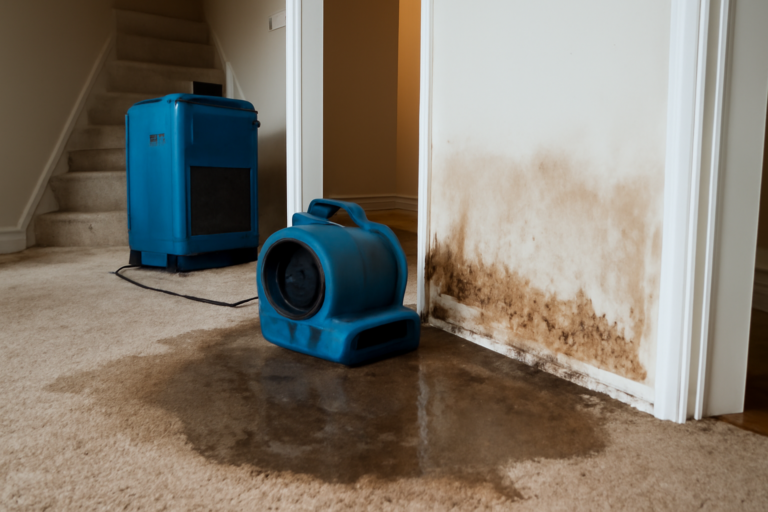
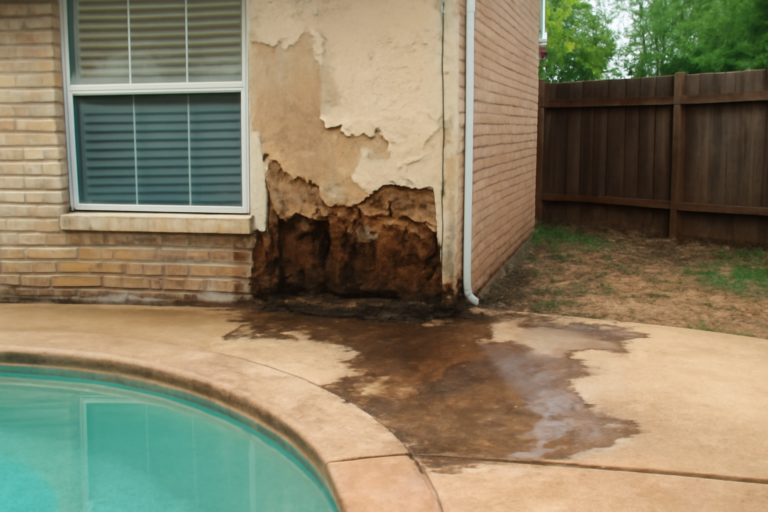
Trusted by 165+ Homeowners
Ceiling Drywall Water Damage Restoration in Carrollton, GA
- Over 165 5-Star Reviews
- Free Estimates and Quotes
- 100% Satisfaction Guaranteed
- Child, Family & Pet Safe Steps
- 24-Hour Emergency Service
- Fully Licensed & Insured
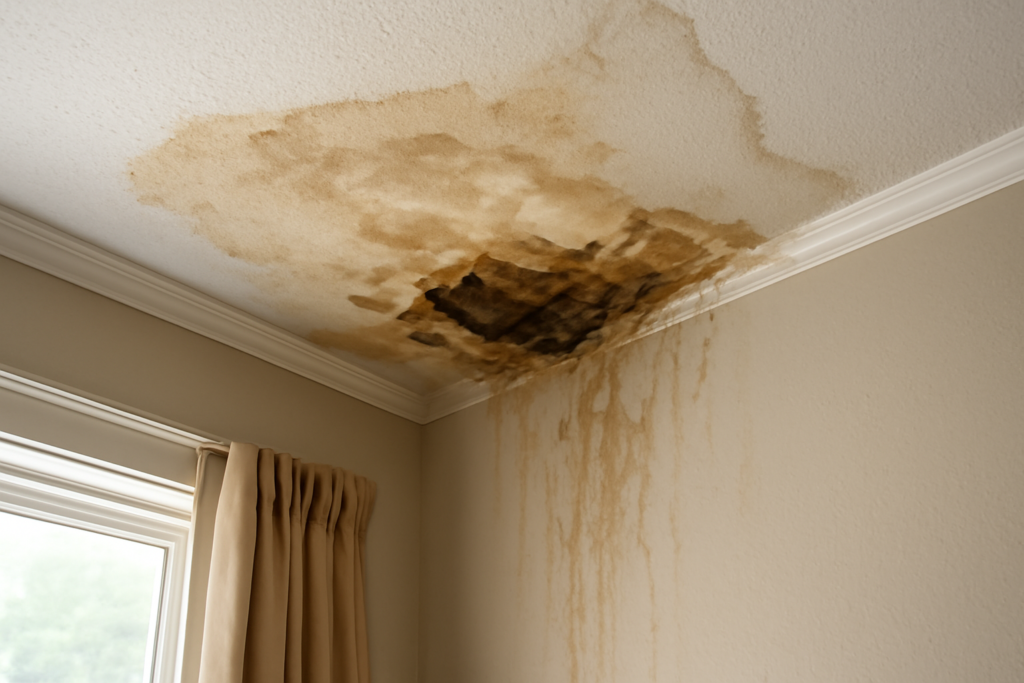
Is That Sagging Ceiling a Sign of Trouble? We Handle Ceiling Drywall Water Damage Restoration in Carrollton, GA
You walk into your living room, and there it is. A dark, spreading stain mars your once-perfect ceiling. It’s not just a cosmetic issue; it’s a clear indicator of water intrusion. You might even hear a faint drip, or notice a damp, musty smell that wasn’t there yesterday. This kind of damage needs immediate attention to prevent further structural problems. We’re here to help you tackle this specific issue head-on, restoring your home quickly and effectively. You’ve found the right place for expert water damage repair.
Homeowners around here trust our team for a reason. We’ve earned over 165 five-star reviews by consistently delivering exceptional results for this exact problem. When you’re dealing with a compromised ceiling, you need a team that understands the science of drying and rebuilding. We focus on getting your ceiling back to its original state, preventing mold growth and ensuring your home’s safety. Your satisfaction is our top priority.
- We specialize in safely removing damaged drywall and materials, ensuring no mold or mildew takes hold in your home.
- Our advanced drying techniques use specialized equipment to extract hidden moisture, protecting your home’s structure.
- We meticulously repair and repaint your ceiling, leaving no trace of the damage and restoring your home’s beauty.
How Our Ceiling Drywall Water Damage Restoration Process Works
Dealing with water damage in your ceiling requires a methodical approach. Simply patching over a wet spot won’t cut it. It can lead to mold, rot, and even further structural compromise down the line. Our team follows a strict protocol, utilizing precise tools and scientific drying principles to ensure a complete and lasting repair. We understand the urgency and the technical details involved in restoring your ceiling correctly. This is about professional restoration, not just a quick fix.
1. Initial Assessment and Moisture Detection
The first step is a thorough inspection. We use advanced moisture meters to pinpoint exactly where the water has penetrated the drywall and framing. This allows us to understand the full scope of the damage, often revealing more than what’s visible. We’ll identify the source of the leak if possible. This critical step prevents us from missing hidden moisture pockets.
2. Water Extraction and Containment
If there’s standing water, we’ll extract it immediately using professional-grade pumps. We also set up containment barriers to prevent the spread of moisture and potential contaminants to other parts of your home. This containment is crucial for a controlled drying environment.
3. Controlled Drying
This is where science meets restoration. We deploy specialized drying equipment, including air movers and dehumidifiers, to systematically lower the moisture content in your ceiling and surrounding materials. We monitor humidity and temperature levels closely. Our goal is to dry your home safely and efficiently, preventing secondary damage like mold growth. This process ensures thorough moisture removal.
4. Damaged Material Removal
Once drying is complete, we carefully remove any drywall or insulation that has been compromised by the water. We cut out sections of the ceiling affected by staining, sagging, or structural weakness. This ensures that only clean, dry materials remain for rebuilding. We focus on removing all compromised sections.
5. Repair and Restoration
After the affected areas are clear, we install new drywall, tape, mud, and sand the seams to create a smooth surface. We then prime and paint the repaired section to match your existing ceiling. Our aim is a seamless finish that looks like the damage never happened. You’ll appreciate the restored appearance.
Don’t let a damaged ceiling linger. Call us today to get your home back to normal. We’re ready to tackle your water damage situation immediately.
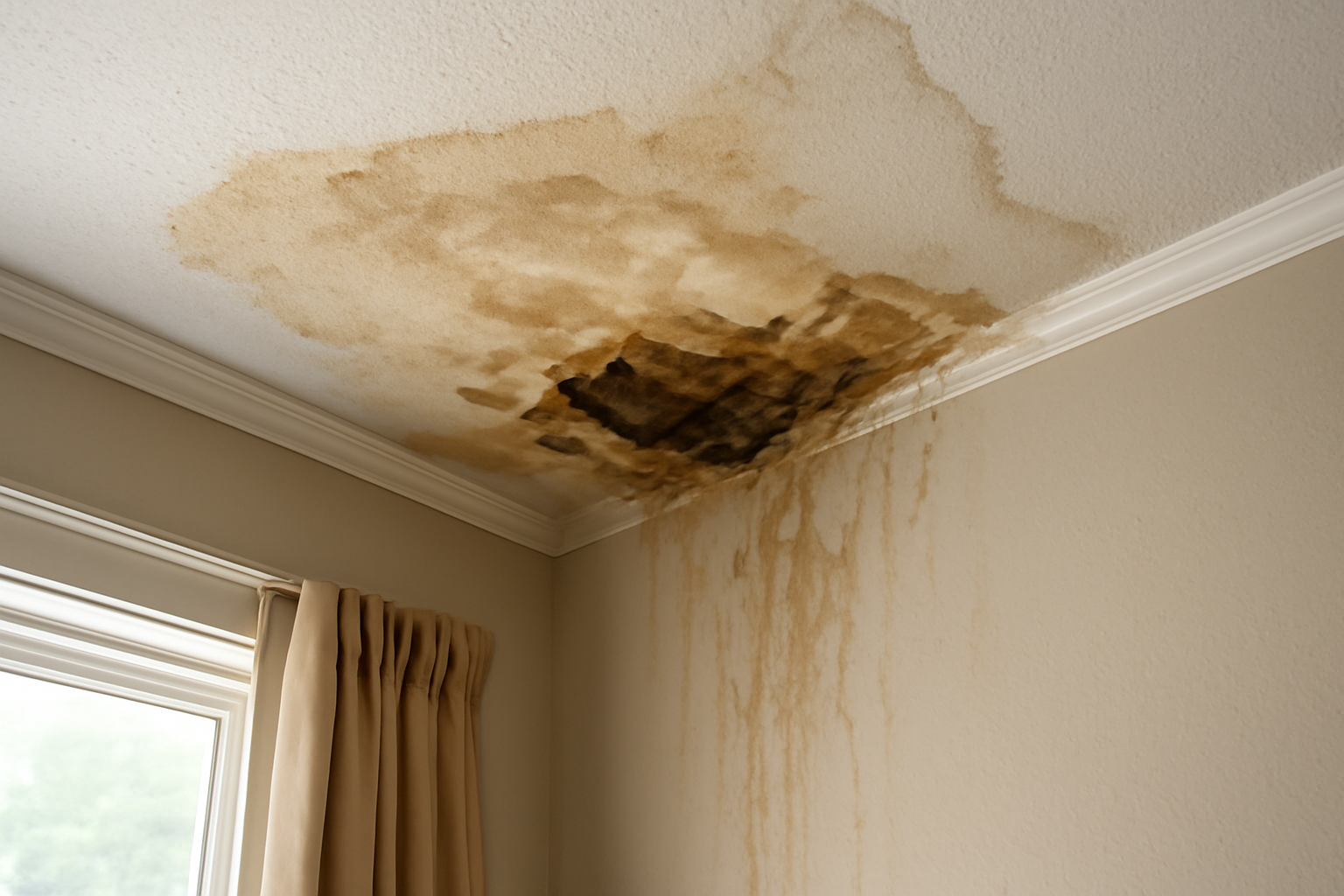
Warning Signs You Need Ceiling Drywall Water Damage Restoration
Catching water damage early is key to minimizing repair costs and preventing serious health hazards. Your ceiling might be sending out signals that you shouldn’t ignore. Early detection saves you money and stress. Keep an eye out for these common indicators. Recognizing these signs means you can act fast to protect your property. We’re here to help you understand what to look for.
Musty Odors That Won’t Go Away
A persistent, damp, or musty smell, especially in a specific room, is a strong indicator of hidden moisture. This smell often signals the beginnings of mold growth behind the drywall. Don’t ignore unpleasant household smells.
Visible Water Stains or Discoloration
Any yellow, brown, or even rust-colored stains appearing on your ceiling are clear signs of water penetration. The size of the stain often underestimates the true extent of the water damage behind the surface. These stains are direct evidence of leaks.
Sagging or Bulging Drywall
When drywall gets saturated, it loses its structural integrity. You might notice your ceiling starting to droop or bulge in certain areas. This is a critical sign that the material is waterlogged and could collapse. Watch for visible ceiling deformations.
Peeling Paint or Wallpaper
Water can weaken the adhesive holding paint and wallpaper to your ceiling. If you see bubbling, peeling, or flaking paint or wallpaper, it’s a sign that moisture is behind it. This indicates a breach in the surface.
Dripping Water
The most obvious sign is water actively dripping from your ceiling. This indicates a significant leak that requires immediate attention. Don’t try to catch it with buckets for too long; call for professional help. This is urgent water intrusion.
Mold or Mildew Growth
Visible patches of mold or mildew, often black, green, or white, on your ceiling are a serious health concern. This means the moisture has been present long enough for mold to colonize. It requires immediate professional remediation. Address mold contamination promptly.
Ceiling Drywall Water Damage Restoration vs. DIY: When To Call a Professional
| Situation | DIY? | Call a Pro? | Why |
|---|---|---|---|
| Small, fresh water spot (less than 1 sq ft) from a recent, resolved minor leak. | Yes, if you can dry it thoroughly and monitor it. | Maybe, if you’re unsure about drying. | Small spots might be manageable if dried completely and quickly to prevent mold. |
| Large, spreading water stain (over 2 sq ft) or multiple small stains. | No. | Yes. | Larger areas indicate deeper saturation and increased risk of mold and structural damage. |
| Ceiling is visibly sagging or feels soft and spongy. | Absolutely not. | Yes, immediately. | Sagging drywall is a sign of imminent collapse and requires professional structural assessment. |
| You can smell mold or see visible mold growth on the ceiling. | No. | Yes, immediately. | Mold remediation requires specialized containment and cleaning protocols for health and safety. |
| The leak source is unknown or ongoing. | No. | Yes, immediately. | You need professionals to identify and stop the leak before addressing the water damage. |
| Water has affected electrical fixtures or is near light fixtures. | No. | Yes, immediately. | Electrical hazards are extremely dangerous and require trained professionals to manage safely. |
When it comes to ceiling drywall water damage, most situations beyond a tiny, fresh spot are best handled by professionals. Trying to DIY extensive damage can lead to costly mistakes, health risks, and incomplete drying. Our team has the expertise and equipment to handle it right the first time. We ensure proper drying and repair.
Ceiling Drywall Water Damage Restoration Cost in Carrollton, GA
The cost for ceiling drywall water damage restoration in Carrollton, GA, can vary significantly based on the extent of the damage, the size of the affected area, and the complexity of the repairs. These figures are estimates and a precise quote requires an on-site assessment. We aim for transparent pricing.
| Service Aspect | Typical Price Range | What Affects Cost |
|---|---|---|
| Water Damage Assessment and Moisture Testing | $300 – $700 | Complexity of the leak, number of areas to test. |
| Water Extraction (for standing water) | $400 – $1,000 | Volume of water, accessibility of the area. |
| Controlled Drying (Equipment Rental & Monitoring) | $500 – $2,500 | Size of the area, duration of drying needed, equipment type. |
| Drywall Removal and Disposal | $200 – $600 per section | Amount of drywall to be removed, complexity of access. |
| Drywall Repair, Taping, Mudding, Sanding | $400 – $1,200 | Size of the repaired area, number of coats needed, texture matching. |
| Priming and Painting | $300 – $800 | Square footage of the ceiling, type of paint, matching existing color. |
The final cost is determined after a thorough inspection of your specific situation. We offer free estimates to provide you with a clear understanding of the investment. Contact us today to schedule your free damage assessment.
Service Areas Near Carrollton, GA
Carrollton, Bowdon, Whitesburg, Temple, Villa Rica, Roopville, Waco, Bremen, Tallapoosa, Douglasville, Lithia Springs, Hiram, Dallas, Powder Springs, Austell, Mableton, Smyrna, Vinings, Atlanta, Fairburn.
Common Questions About Ceiling Drywall Water Damage Restoration
My ceiling is leaking, should I call a plumber or a restoration company first?
You should call us first to address the immediate water damage and begin the drying process. While a plumber is needed to fix the source of the leak, our team can prevent further damage to your ceiling and home structure. We work closely with plumbers to ensure a coordinated effort for swift water damage control.
How long does ceiling drywall water damage restoration typically take?
The timeline varies greatly depending on the severity of the water intrusion and the drying time required. Minor repairs might take a couple of days, while more extensive damage, including deep drying, could take one to two weeks. We focus on thorough drying and repair, not just speed, to ensure a long-lasting restoration.
Is it safe to be in my home if my ceiling has water damage?
It can be unsafe, especially if the water damage is extensive or if there’s a risk of mold growth or structural compromise. Electrical components near the damaged area also pose a significant risk. We prioritize your family’s safety and will advise you on any necessary precautions during our initial assessment. Your home’s safety is paramount.
What kind of equipment do you use to dry out a wet ceiling?
We use industrial-grade air movers to circulate air and promote evaporation, high-capacity dehumidifiers to remove moisture from the air, and specialized moisture meters to track drying progress. In some cases, we might use specialized drying equipment to target specific areas. This advanced equipment ensures efficient and effective drying.
How can I prevent my ceiling from getting water damage in the future?
Regularly inspect your roof, gutters, and plumbing for any signs of leaks or damage. Ensure your attic is properly insulated and ventilated to prevent condensation. Promptly address any small leaks you notice. We can also perform inspections to identify potential issues before they cause damage. Proactive maintenance is key to prevention.
Check Our Other Relevant Services

Jerry Johns is a licensed Damage Restoration Expert with over 20 years of hands-on experience helping homeowners and businesses navigate property crises. As a trusted authority in the field, Jerry combines technical precision with a compassionate approach to disaster recovery.
𝗖𝗲𝗿𝘁𝗶𝗳𝗶𝗰𝗮𝘁𝗶𝗼𝗻𝘀: Jerry holds multiple elite IICRC certifications, including Water Damage Restoration (WRT), Applied Microbial Remediation (Mold), Applied Structural Drying (ASD), Odor Control, and Fire and Smoke Restoration.
𝗙𝗮𝘃𝗼𝗿𝗶𝘁𝗲 𝗣𝗮𝘀𝘁𝗶𝗺𝗲: When he isn’t on a job site, Jerry is an avid outdoorsman who enjoys fly fishing and restoring vintage woodworking tools.
𝗕𝗲𝘀𝘁 𝗣𝗮𝗿𝘁 𝗼𝗳 𝘁𝗵𝗲 𝗝𝗼𝗯: Jerry finds the most fulfillment in seeing the relief on a client’s face when their property is finally restored to its pre-loss condition, turning a stressful disaster into a fresh start.