
Trusted by 165+ Homeowners
Ceiling Drywall Water Damage Restoration in Cartersville, GA
- Over 165 5-Star Reviews
- Free Estimates and Quotes
- 100% Satisfaction Guaranteed
- Child, Family & Pet Safe Steps
- 24-Hour Emergency Service
- Fully Licensed & Insured
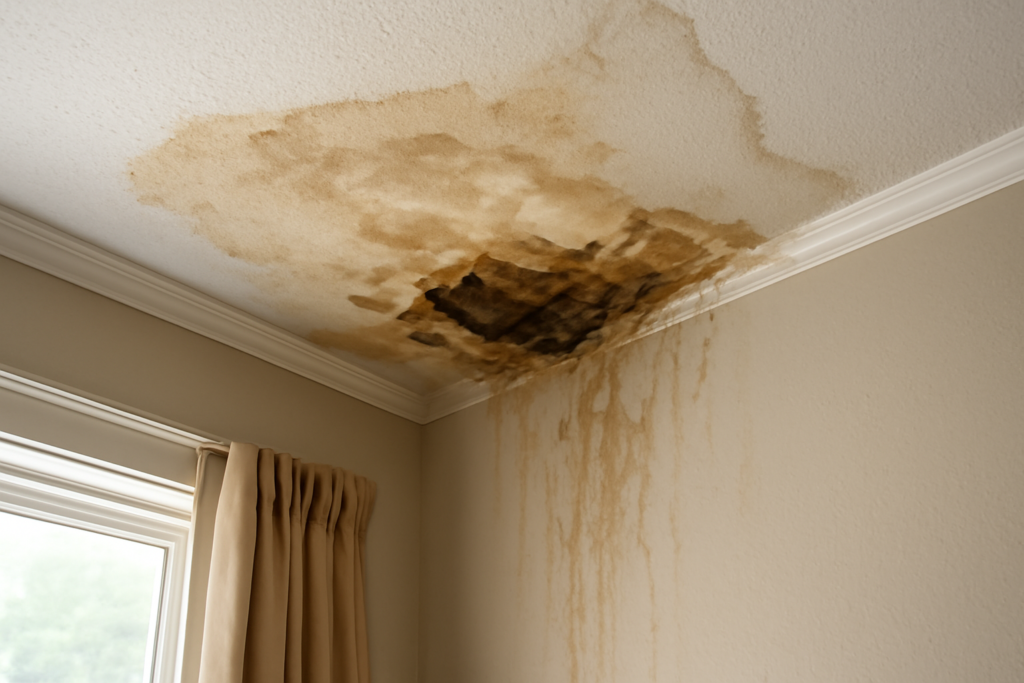
When Water Comes Through Your Ceiling in Cartersville, GA
Did you know that up to 40% of water damage claims in homes are related to ceiling leaks? It’s true. That means your situation with water dripping from your ceiling, staining drywall, or even causing it to sag, is more common than you might think. Dealing with ceiling drywall water damage requires a specific approach to prevent mold and structural issues down the line. We’re here to explain exactly what needs to happen to fix it right. You’ll want to address unexpected ceiling stains promptly. It’s crucial to understand the potential for hidden moisture.
Homeowners around here trust our team because we’ve handled countless ceiling water damage jobs, earning us over 165 five-star reviews. We understand the unique challenges ceiling drywall presents, from its position overhead to how it absorbs water. Our local crews are dedicated to restoring your property effectively. You can count on us for clear communication and efficient service when you need it most.
- We specialize in identifying the exact source of ceiling leaks, whether it’s a roof issue, plumbing problem, or HVAC malfunction, preventing recurrence.
- Our process includes thorough drying and dehumidification to ensure no residual moisture remains, which is key to stopping mold growth in your ceiling.
- We handle the removal of damaged drywall and can expertly match textures and paint to make the repair virtually invisible, restoring your home’s appearance.
How Ceiling Drywall Water Damage Restoration Actually Works
Restoring ceiling drywall after water damage isn’t just about patching a hole; it’s a detailed process designed to protect your home’s integrity. Cutting corners here can lead to recurring mold, weakened structures, and costly future repairs. Our team follows a methodical approach, starting with immediate water extraction and moving through careful drying and rebuilding. You need a systematic water damage plan. We focus on preventing secondary issues like mold and mildew. It’s about doing the job right the first time.
1. Initial Water Assessment and Containment
The first step is always a thorough inspection to pinpoint the water’s origin and assess the full extent of the ceiling drywall damage. We’ll then set up containment measures to prevent further water spread and protect unaffected areas of your home. This phase involves using moisture meters to detect hidden wetness. Expect this to take a few hours to a full day, depending on the complexity.
2. Water Extraction and Drying
If there’s standing water, we use specialized pumps and vacuums to remove it quickly. Following extraction, we deploy industrial-grade air movers and dehumidifiers. These machines work tirelessly to pull moisture out of the air and the affected drywall materials. This critical drying period can last two to five days, sometimes longer for severe saturation.
3. Mold Prevention and Remediation
Once the area is dry, we inspect for any signs of mold growth. If mold is present, our certified technicians will safely remove it using industry-standard protocols. We also apply antimicrobial treatments to the affected surfaces to inhibit future mold development. This step is vital for your family’s health and ensuring a safe indoor environment.
4. Drywall Removal and Replacement
Saturated drywall often loses its structural integrity and needs to be removed. We carefully cut out the damaged sections, ensuring we remove enough material to reach dry, unaffected areas. New drywall is then cut to size and installed to match the existing ceiling. This part of the process usually takes one to two days.
5. Finishing and Restoration
After new drywall is in place, we’ll tape, mud, and sand the seams to create a smooth finish. Then, we prime and paint the repaired area to match your existing ceiling color and texture. Our goal is to make the repair virtually undetectable, restoring your ceiling’s original look. This final stage typically takes an additional day or two.
Don’t let ceiling water damage linger. Addressing it quickly prevents bigger problems and saves you money in the long run. Get a professional assessment started today.
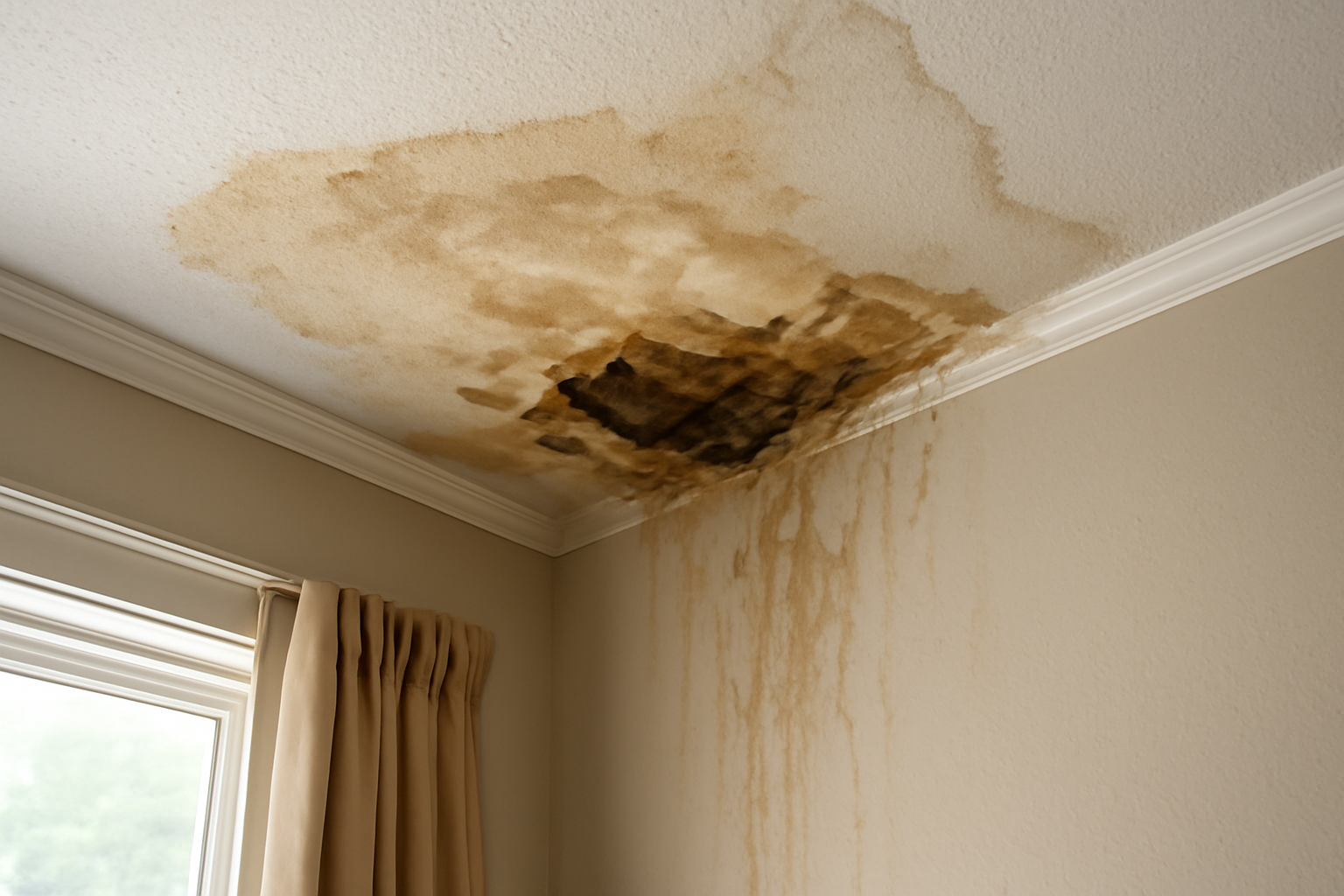
Warning Signs You Need Ceiling Drywall Water Damage Restoration
Catching these signs early can save you from much more extensive and expensive repairs. Ignoring subtle changes in your ceiling can lead to serious structural issues and health concerns. Understanding what to look for is your first line of defense. Pay attention to subtle ceiling changes. It’s better to be safe than sorry when it comes to water damage.
Musty Odors That Won’t Go Away
A persistent musty or earthy smell, especially when the weather is humid, often indicates hidden mold growth behind or within your ceiling drywall. This smell is a clear indicator of moisture.
Visible Water Stains or Discoloration
Yellow, brown, or even dark spots on your ceiling are direct signs of water penetration. The size and color of the stain can tell us a lot about the severity of the leak.
Sagging or Bulging Drywall
When drywall absorbs a lot of water, it becomes heavy and can start to droop or bulge. This is a critical warning sign that the drywall is compromised and at risk of collapse.
Peeling or Bubbling Paint/Wallpaper
Water trapped behind paint or wallpaper will cause it to lose adhesion, leading to peeling or bubbling effects on the ceiling surface. This indicates moisture beneath the finish.
Dripping or Puddles
This is the most obvious sign. If you see water actively dripping from your ceiling or notice puddles forming, it means a significant amount of water has infiltrated the structure. Immediate action is absolutely essential.
Cracks or Holes in the Ceiling
Water damage can weaken the integrity of the drywall, leading to new cracks or the enlargement of existing ones. Holes can form as the material deteriorates under prolonged saturation. These are signs of structural weakening.
Ceiling Drywall Water Damage Restoration vs. DIY: When To Call a Professional
| Situation | DIY? | Call a Pro? | Why |
|---|---|---|---|
| Small, fresh water spot from a minor, immediately fixed leak | Yes | No | You can likely dry it with fans and a dehumidifier yourself. |
| Large, spreading water stain with visible sagging | No | Yes | The drywall is likely saturated and needs professional assessment and removal. |
| Musty odors present, even after drying | No | Yes | Hidden mold growth requires specialized detection and remediation. |
| Water damage near light fixtures or electrical outlets | No | Yes | Electrical hazards require trained professionals for safety. |
| The leak source is unclear or ongoing | No | Yes | Identifying and stopping the leak is the first, crucial step. |
| Extensive damage requiring multiple drywall panels | No | Yes | Professional matching of texture and paint is needed for a seamless finish. |
For anything beyond a very minor, fresh water spot, calling a professional is usually the safer and more effective route. Our team has the equipment and expertise to handle the complexities of ceiling water damage properly. It’s about preventing long-term damage and ensuring your home is safe.
Ceiling Drywall Water Damage Restoration Cost In Cartersville, GA
The cost for ceiling drywall water damage restoration in Cartersville, GA, can vary widely. Factors include the size of the affected area, the extent of saturation, and whether mold is present. These are estimates to give you an idea of what to expect. We always provide clear, upfront pricing after an assessment.
| Service Aspect | Typical Price Range | What Affects Cost |
|---|---|---|
| Water Extraction and Drying | $500 – $3,000 | Amount of water, size of area, duration of drying needed. |
| Mold Testing and Remediation | $500 – $4,000+ | Severity of mold infestation and containment needs. |
| Drywall Removal and Replacement (per panel) | $200 – $600 | Complexity of access, amount of drywall to remove. |
| Taping, Mudding, Sanding | $150 – $400 | Size of the repaired area and number of coats needed. |
| Priming and Painting | $100 – $500 | Ceiling height, number of coats, texture matching. |
| Leak Source Identification | $150 – $750 | Complexity of diagnosis, specialized equipment needed. |
An on-site inspection is the only way to get an accurate quote for your specific situation. We offer free, no-obligation estimates to help you understand the costs involved.
Service Areas Near Cartersville, GA
Acworth, Adairsville, Aragon, Ball Ground, Cartersville, Cassville, Euharlee, Emerson, Fairmount, Kingston, Kennesaw, Lake Allatoona, Marietta, New Hope, North Metro, Oakwood, Piedmont, Rockmart, Rome, Rydal, Taylorsville, White.
Common Questions About Ceiling Drywall Water Damage Restoration
What’s the first thing I should do when I see water damage on my ceiling?
Your immediate priority is safety and stopping the water source if possible. If water is actively dripping, try to place buckets to catch it and protect your belongings. If you can safely access your main water shut-off valve, turn off the water to your home. Then, call us immediately. We’ll guide you through the next steps and dispatch a team to assess the situation. Addressing it quickly prevents further structural damage.
How long does ceiling drywall water damage restoration typically take?
The timeline can vary significantly based on the extent of the water damage and how quickly we can stop the source. Simple drying and minor repairs might take a few days. However, if extensive drywall replacement, mold remediation, or complex leak detection is needed, it could take one to two weeks or longer. We’ll provide a more accurate estimate after our initial inspection.
Will my insurance company cover ceiling drywall water damage?
Most standard homeowner’s insurance policies cover water damage caused by sudden, accidental events like burst pipes or roof leaks. However, they typically do not cover damage from neglect or slow leaks that have gone unnoticed for too long. We work closely with insurance adjusters to document the damage thoroughly and help you navigate the claims process. We provide detailed documentation for your claim.
Is ceiling water damage dangerous to my health?
Yes, ceiling water damage can pose health risks, primarily due to mold growth. Mold spores can become airborne and, when inhaled, can cause allergic reactions, respiratory problems, and other health issues, especially for those with asthma or compromised immune systems. Our technicians are trained in mold testing and remediation to ensure your home is safe. We take air quality seriously.
How can I prevent future ceiling water damage?
Regular maintenance is key. This includes inspecting your roof for damage, ensuring gutters are clear, checking plumbing and appliance hoses periodically, and monitoring HVAC systems for leaks. Pay attention to any small spots or musty smells on your ceiling, as these can be early warnings. Proactive checks can save you from costly future repairs and keep your home dry.
Check Our Other Relevant Services
Serving Cartersville, GA And Nearby Areas


