
Trusted by 165+ Homeowners
Ceiling Drywall Water Damage Restoration in Cumming, GA
- Over 165 5-Star Reviews
- Free Estimates and Quotes
- 100% Satisfaction Guaranteed
- Child, Family & Pet Safe Steps
- 24-Hour Emergency Service
- Fully Licensed & Insured
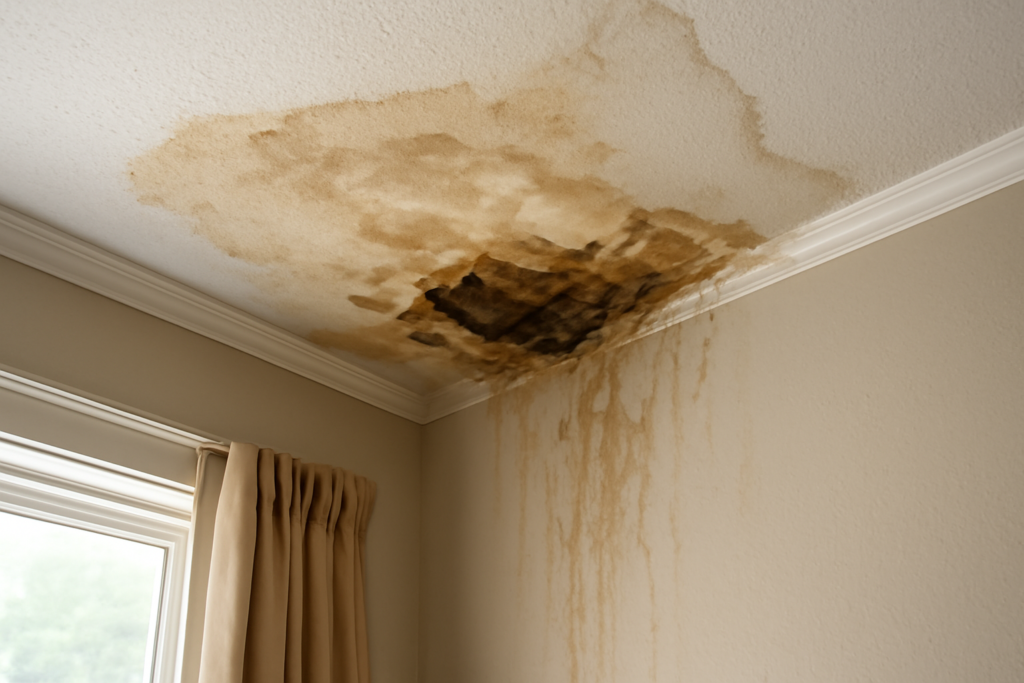
When Water Stains Appear: Your Guide to Ceiling Drywall Damage Restoration in Cumming, GA
Seeing a brown stain bloom across your ceiling, or worse, feeling a drip, is never a good sign. It’s easy to think it’s just a cosmetic issue, something you can paint over once it dries. But that’s a critical mistake. Ceiling drywall soaks up water like a sponge, and what starts as a small spot can quickly lead to significant structural problems, mold growth, and even damage to the insulation and framing above. Addressing this promptly is absolutely essential for protecting your home’s integrity and your family’s health. We understand how unsettling this can be.
Locally, homeowners have consistently turned to our team for reliable Ceiling Drywall Water Damage Restoration, as evidenced by over 165 five-star reviews. You choose us because you know we respond quickly and treat your property with the care it deserves. We’ve seen it all, from minor leaks to burst pipes, and we bring that experience to every job. You can count on us for clear communication and honest work.
- Our rapid response means we’re often on-site within hours, not days, limiting the spread of damage and preventing further deterioration of your ceiling materials.
- We use specialized drying equipment, like industrial-grade dehumidifiers and air movers, to extract hidden moisture from your drywall and the space above, which is crucial for preventing long-term issues like mold.
- Beyond just drying, we meticulously assess for secondary damage, ensuring that any compromised materials are correctly identified and replaced, restoring your ceiling to its original condition.
How Ceiling Drywall Water Damage Restoration Actually Works
When water makes its way into your ceiling, a swift, methodical approach is key. Simply drying the surface isn’t enough; you need to address the moisture that’s saturated the drywall material itself and potentially the framing above. Our process is designed to be thorough and efficient, minimizing disruption to your daily life. Delaying professional intervention can turn a manageable situation into a costly nightmare, often involving more extensive repairs and a longer restoration timeline. We follow a strict protocol to ensure effective water extraction and drying.
1. Emergency Water Extraction
The very first step is to stop the source of the water, if possible, and then remove any standing water. Our crews use powerful pumps and vacuums to extract water quickly, preventing it from spreading further into your home. This immediate action is vital to minimize saturation and further damage.
2. Thorough Drying and Dehumidification
Once standing water is gone, we deploy advanced drying equipment. This includes high-velocity air movers to circulate air across wet surfaces and industrial dehumidifiers to pull moisture out of the air and building materials. The goal here is to reduce humidity levels and dry out the affected drywall and surrounding areas completely.
3. Moisture Monitoring
We don’t guess when it comes to drying. Our technicians use specialized moisture meters to precisely measure the water content in your drywall and other materials. This ensures that we continue drying efforts until all materials are restored to their normal moisture levels, preventing future mold growth.
4. Containment and Odor Control
Water damage often brings musty odors. We use specialized containment procedures to prevent the spread of contaminants and implement odor control treatments. This step is crucial for ensuring a healthy indoor environment after the water is removed.
5. Drywall Repair and Replacement
If the drywall has been significantly saturated or weakened, it will likely need to be repaired or replaced. We carefully assess the damage, cut out any irreparable sections, and install new drywall, ensuring a smooth finish that’s ready for priming and painting. This ensures structural integrity is restored.
Don’t let water damage linger. A fast response is your best defense against escalating problems. Contact us immediately when you notice ceiling water issues, and we’ll get our team out there.
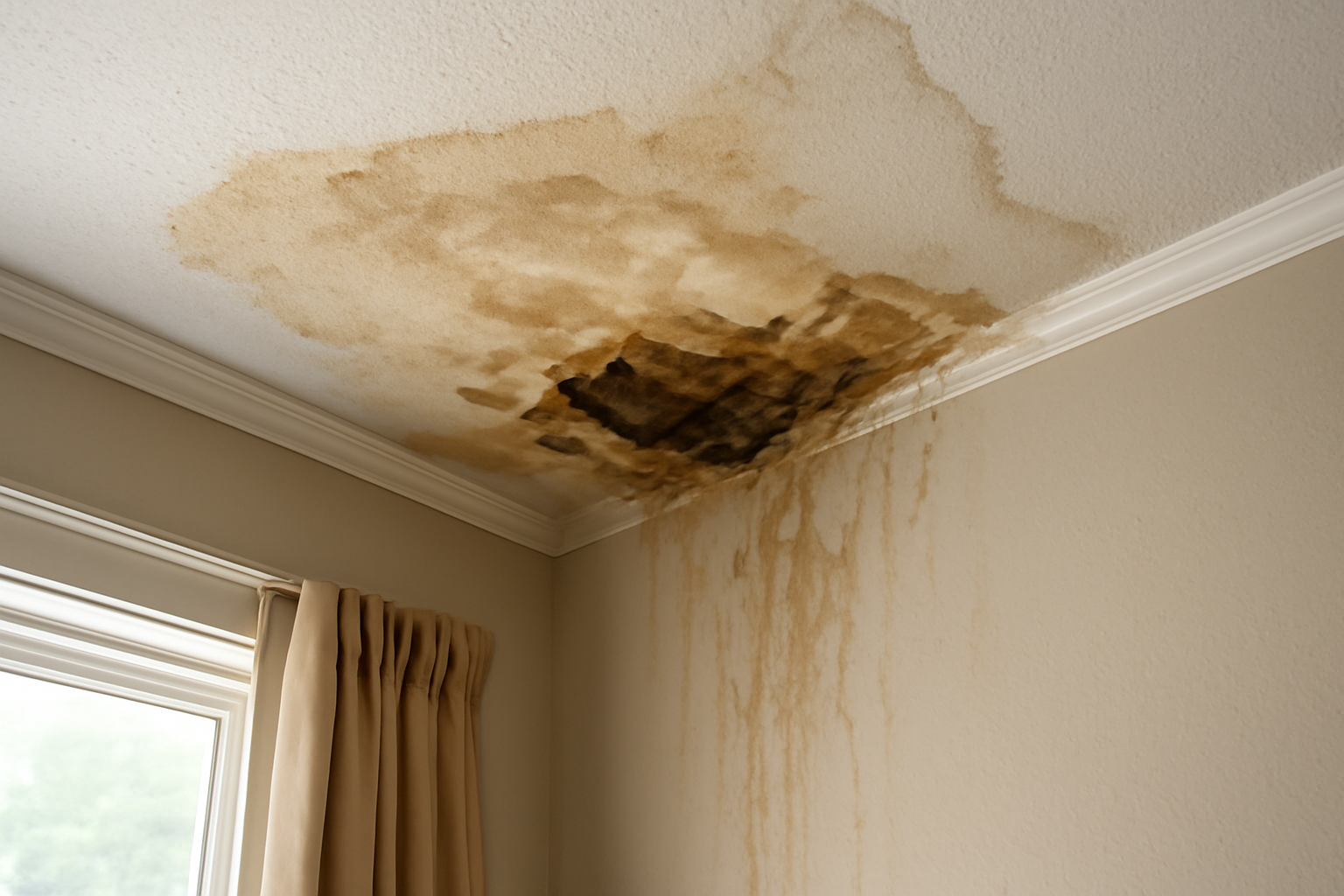
Warning Signs You Need Ceiling Drywall Water Damage Restoration
Catching ceiling water damage early is crucial for preventing more serious and expensive issues down the line. Many homeowners overlook subtle signs, hoping they’ll resolve on their own. However, these indicators often point to a problem that requires professional attention to avoid widespread mold or structural compromise. Being aware of these signs can save you a lot of trouble.
Water Stains or Discoloration
The most obvious sign is a visible water stain or discoloration on your ceiling. This yellow or brown patch indicates that water has penetrated the drywall. Ignoring these spots is a common mistake homeowners make.
Sagging or Soft Drywall
If your ceiling drywall feels soft to the touch or appears to be sagging, it’s a clear sign of saturation. The gypsum core can break down when wet, leading to structural weakness. This is a critical warning signal.
Musty Odors That Won’t Go Away
A persistent musty smell, especially after rain or a plumbing issue, often means mold is starting to grow behind the drywall or in the insulation. This indicates a hidden moisture problem.
Peeling Paint or Wallpaper
Water can cause paint to blister and peel or wallpaper to lose its adhesion. If you notice these issues on your ceiling, it’s likely due to moisture from above. This suggests water intrusion is ongoing.
Dripping Water
Any visible dripping water from the ceiling is an emergency. This means the saturation is severe, and there’s an immediate risk of the ceiling collapsing. This is an urgent situation requiring action.
Increased Humidity or Dampness
A general feeling of dampness or unusually high humidity in the room, even when the weather is dry, can be a sign of a slow, undetected leak. This points to a gradual water source.
Ceiling Drywall Water Damage Restoration vs. DIY: When To Call a Professional
| Situation | DIY? | Call a Pro? | Why |
|---|---|---|---|
| Minor surface stain from a known, temporary leak (e.g., a brief roof drip during a storm that has since stopped) | Yes, potentially | Yes, if unsure | DIY might be okay for appearance, but a pro ensures no hidden moisture remains. |
| Visible sagging or soft spots in the drywall | No | Yes, absolutely | Sagging indicates structural compromise that needs professional assessment and repair. |
| Persistent musty odors | No | Yes, definitely | Odors often mean mold is growing, which requires specialized removal and remediation. |
| Water dripping from the ceiling | No, never | Yes, immediately | This is an emergency; the ceiling could collapse, and immediate professional intervention is needed. |
| Large water stains covering a significant area (more than 2-3 square feet) | No | Yes | Large areas mean deep saturation and potential damage to framing, requiring professional drying and repair. |
| Any water damage following a plumbing failure (burst pipe, overflowing toilet) | No | Yes, immediately | Plumbing issues can introduce contaminants and cause rapid, extensive damage requiring professional cleanup. |
While minor cosmetic issues might seem like a DIY fix, any sign of saturation, structural compromise, or potential mold growth absolutely warrants professional attention. Our team has the specialized equipment and expertise to handle these situations effectively. Trusting the process with professionals saves you time and prevents bigger problems.
Ceiling Drywall Water Damage Restoration Cost In Cumming, GA
The cost of ceiling drywall water damage restoration in Cumming, GA, can vary significantly. Factors such as the size of the affected area, the extent of the water saturation, the type of water (clean vs. contaminated), and the complexity of the repair all play a role. These figures are general estimates to give you an idea.
| Service | Typical Price Range | What Affects Cost |
|---|---|---|
| Water Extraction and Drying | $500 – $2,500 | Amount of water, size of area, duration of drying needed. |
| Moisture Monitoring and Assessment | $150 – $500 | Complexity of the affected space, number of moisture readings required. |
| Containment and Odor Control | $300 – $1,200 | Size of the affected zone, severity of odors, need for specialized treatments. |
| Drywall Repair (Patching small areas) | $300 – $800 per patch | Size and location of the patch, texture matching, number of patches needed. |
| Drywall Replacement (Large sections or full panels) | $600 – $2,000+ | Square footage of replacement, accessibility of the ceiling, need for structural support. |
| Mold Remediation (if necessary) | $1,000 – $5,000+ | Amount of mold, type of surface affected, containment procedures required. |
For an accurate assessment and a precise quote, our team provides free on-site estimates. We’ll thoroughly evaluate your specific situation and explain all your options. Getting a free estimate is the best way to understand your restoration costs.
Service Areas Near Cumming, GA
Alpharetta, Milton, Suwanee, Johns Creek, Duluth, Norcross, Roswell, Sandy Springs, Marietta, Woodstock, Ball Ground, Dawsonville, Dahlonega, Buford, Sugar Hill, Oakwood, Gainesville, Flowery Branch, Braselton, Hoschton.
Common Questions About Ceiling Drywall Water Damage Restoration
What if the water damage is from a sewage backup?
Water from sewage backups is considered Category 3 or “black water” and is highly contaminated. If you suspect this is the source of your ceiling damage, you must evacuate the area immediately and call professionals. Our team is equipped with the specialized personal protective equipment and cleaning agents necessary to safely remediate black water damage. We ensure thorough disinfection and drying to protect your health.
How long will it take to dry out my ceiling?
Drying times can vary significantly based on the amount of water, the type of drywall, and ambient humidity. Typically, with our advanced drying equipment, we can significantly reduce moisture levels within 24-72 hours. However, achieving the proper dryness for structural integrity and preventing mold can take anywhere from a few days to over a week. We use moisture meters for precise tracking.
Will insurance cover my ceiling water damage?
Most homeowner’s insurance policies cover water damage caused by sudden and accidental events, like burst pipes or roof leaks. However, damage from gradual leaks or poor maintenance is often excluded. It’s best to review your specific policy and contact your insurance provider. We can assist with the documentation your insurance company will need, providing detailed reports of our work.
How do I know if I need to replace the drywall or just repair it?
If the drywall is only slightly damp and has not sagged or lost its structural integrity, repairs might be possible. However, if the drywall is soft, sagging, shows signs of mold, or has been saturated for more than 48 hours, replacement is usually necessary. Our technicians will perform a careful structural assessment to determine the best course of action.
Can I just paint over a water stain to fix it?
While painting over a water stain might hide the discoloration temporarily, it’s not a true fix and can lead to bigger problems. The underlying moisture needs to be addressed, or mold can develop behind the paint. Painting over wet or saturated drywall will cause the paint to peel and blister. We focus on complete moisture removal before any cosmetic repairs.
Check Our Other Relevant Services

Jerry Johns is a licensed Damage Restoration Expert with over 20 years of hands-on experience helping homeowners and businesses navigate property crises. As a trusted authority in the field, Jerry combines technical precision with a compassionate approach to disaster recovery.
𝗖𝗲𝗿𝘁𝗶𝗳𝗶𝗰𝗮𝘁𝗶𝗼𝗻𝘀: Jerry holds multiple elite IICRC certifications, including Water Damage Restoration (WRT), Applied Microbial Remediation (Mold), Applied Structural Drying (ASD), Odor Control, and Fire and Smoke Restoration.
𝗙𝗮𝘃𝗼𝗿𝗶𝘁𝗲 𝗣𝗮𝘀𝘁𝗶𝗺𝗲: When he isn’t on a job site, Jerry is an avid outdoorsman who enjoys fly fishing and restoring vintage woodworking tools.
𝗕𝗲𝘀𝘁 𝗣𝗮𝗿𝘁 𝗼𝗳 𝘁𝗵𝗲 𝗝𝗼𝗯: Jerry finds the most fulfillment in seeing the relief on a client’s face when their property is finally restored to its pre-loss condition, turning a stressful disaster into a fresh start.


