
Trusted by 165+ Homeowners
Ceiling Drywall Water Damage Restoration in East Point, GA
- Over 165 5-Star Reviews
- Free Estimates and Quotes
- 100% Satisfaction Guaranteed
- Child, Family & Pet Safe Steps
- 24-Hour Emergency Service
- Fully Licensed & Insured
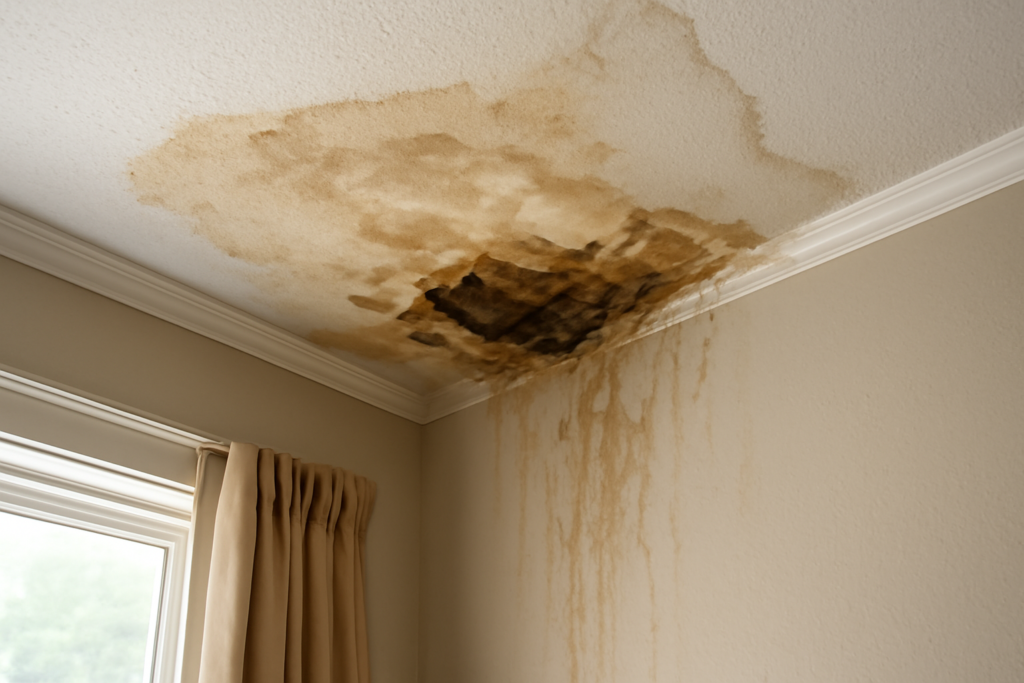
Don’t Let Ceiling Water Damage Ruin Your Home in East Point, GA
When you see that tell-tale stain spreading across your ceiling, it’s easy to feel a knot of worry. Ceiling drywall is incredibly absorbent, and what starts as a small drip can quickly lead to significant structural issues if not addressed immediately. One common mistake homeowners make is assuming a small patch of discoloration means the problem is minor; often, the water has spread far behind the visible surface. Acting fast is crucial for preventing further damage and potential mold growth. We understand how unsettling this can be, and our team is here to bring calm and expertise to your situation.
You’ll find that many in your neighborhood trust us for their water damage needs, and it’s often because of the swift, reliable response we provide. We’ve helped over 165 homeowners in the area recover from stressful situations, and we’re dedicated to delivering the same level of care and effectiveness for your ceiling drywall. You can count on our crews to arrive quickly, assess the situation thoroughly, and get your property back to normal as efficiently as possible. We know you want a team that gets it right the first time.
- We focus on rapid water extraction from your ceiling drywall to prevent it from weakening further, which is key to stopping the damage in its tracks.
- Our team uses specialized drying equipment to ensure all hidden moisture is removed, protecting your home from secondary issues like mold and rot that can develop from lingering dampness.
- We handle the necessary drywall repair and replacement with precision, aiming to restore the appearance and integrity of your ceiling so you can forget the damage ever happened.
How Ceiling Drywall Water Damage Restoration Actually Works
Addressing ceiling drywall water damage requires a methodical approach, and our process is designed to be thorough and efficient. Simply patching a wet spot without properly drying the area behind it is a recipe for bigger problems down the road, like mold or structural compromise. Our crews follow a proven system, utilizing advanced equipment to ensure every bit of moisture is removed and the area is restored correctly. We believe in transparency, so you’ll know exactly what to expect as we work to fix your ceiling. Speedy intervention minimizes long-term effects.
Emergency Water Extraction
The very first step is to stop the water source and then remove as much standing water as possible from the affected ceiling area. We use powerful, truck-mounted extraction units to pull water out quickly. This phase is critical for preventing further saturation and potential collapse of the drywall. Efficient water removal protects your home’s structure.
Advanced Drying and Dehumidification
Once the bulk of the water is gone, we deploy specialized drying equipment, including air movers and industrial-grade dehumidifiers. These machines create optimal airflow and reduce humidity levels, drawing out residual moisture from the drywall and the space above it. This process can take several days, but it’s vital for preventing mold and ensuring the materials are ready for repair. Thorough drying prevents future issues.
Mold Prevention and Remediation
If water has been present for more than 24-48 hours, mold can start to grow. Our team inspects carefully for any signs of mold. If detected, we employ safe and effective mold remediation techniques to remove it and prevent its spread. This is a crucial step for your home’s health and safety. Protecting your indoor air quality is a top priority.
Drywall Repair and Replacement
Once the area is completely dry and mold-free, we move on to repairing the damaged drywall. This often involves cutting out saturated sections, replacing them with new drywall, and then expertly taping, mudding, and sanding to create a smooth surface. We ensure the repair blends seamlessly with the rest of your ceiling. Restoring your ceiling’s appearance is our goal.
Painting and Finishing
The final step is applying primer and paint to the repaired area, matching it to your existing ceiling color and texture. Our goal is to make the repaired section virtually indistinguishable from the rest of your ceiling. We pay close attention to detail to ensure a professional, polished finish. Achieving a flawless finish completes the restoration.
Don’t let a leaky ceiling turn into a major headache. Contact us immediately if you notice any signs of water damage. We’re ready to help restore your peace of mind and your home.
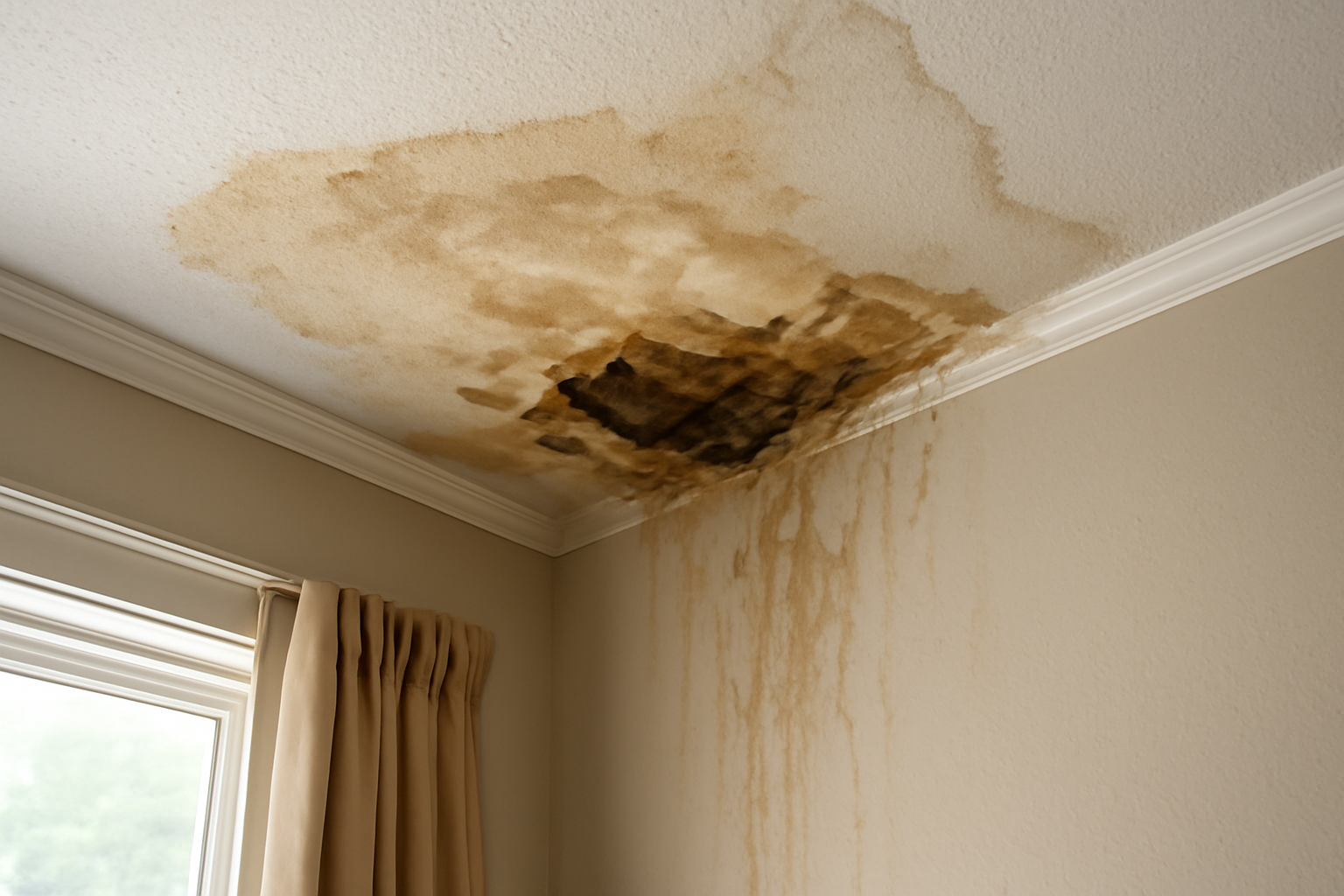
Warning Signs You Need Ceiling Drywall Water Damage Restoration
Catching water damage early is key to minimizing the extent of the problem and the cost of repairs. Ignoring subtle signs can lead to much larger, more expensive issues down the line, including structural damage and unhealthy mold growth. Pay attention to what your home is telling you; it’s often trying to warn you before the situation becomes dire. Early detection saves significant expense.
Visible Water Stains or Discoloration
This is the most obvious sign. Yellow or brown stains on your ceiling indicate that water has penetrated the drywall. Even small spots should be investigated, as they suggest a leak that could be spreading. Addressing stains promptly prevents them from worsening.
Sagging or Bulging Drywall
When drywall becomes saturated, it loses its rigidity and can begin to sag or bulge downwards. This is a serious sign that the drywall is compromised and may be close to failing. Ignoring sagging drywall is dangerous and can lead to ceiling collapse.
Peeling or Bubbling Paint/Wallpaper
Water trapped behind paint or wallpaper can cause it to peel away from the drywall surface. If you see bubbles or sections lifting, it’s a clear indication that moisture is present. Investigating peeling finishes reveals hidden water issues.
Musty Odors That Won’t Go Away
A persistent damp, musty smell in a room, especially without an obvious source like a recent spill, often points to hidden moisture and potential mold growth within the ceiling cavity. Eliminating musty smells tackles the root cause.
Dripping Water
This is an emergency situation. If you see water actively dripping from your ceiling, the leak is significant, and there’s an immediate risk of damage to your belongings and potential structural compromise. Stopping active drips is the highest priority.
Mold or Mildew Growth
Visible fuzzy or discolored patches of mold on the ceiling are a clear sign of a water problem and a health hazard. Mold thrives in damp environments and can spread quickly. Remediating mold safely protects your health.
Ceiling Drywall Water Damage Restoration vs. DIY: When To Call a Professional
| Situation | DIY? | Call a Pro? | Why |
|---|---|---|---|
| Small, fresh drip stain with no sagging | Yes, monitor closely | Yes, for peace of mind | Ensures no hidden moisture or mold is missed. |
| Large, spreading water stain | No | Yes | Professional equipment is needed for thorough drying. |
| Sagging or bulging ceiling drywall | Absolutely Not | Yes | Risk of collapse is high; professional structural assessment needed. |
| Musty odors or visible mold | No | Yes | Health risks are significant; requires specialized containment and remediation. |
| Water source is unknown or ongoing | No | Yes | Source must be identified and repaired by a professional plumber or roofer. |
| Damage covers more than a few square feet | No | Yes | Extensive drying and repair are beyond typical DIY capabilities. |
While minor water spots might seem like a DIY fix, most ceiling drywall water damage issues require professional intervention. Calling a pro ensures the job is done right, preventing costly callbacks and protecting your home’s long-term health. We have the tools and expertise to handle the full scope of the problem.
Ceiling Drywall Water Damage Restoration Cost In East Point, GA
The cost for ceiling drywall water damage restoration in East Point, GA, can vary significantly based on the size of the affected area, the severity of the water damage, and the complexity of the repair. These estimates provide a general idea of what you might expect for common scenarios in the area. Understanding potential costs helps in planning.
| Service Aspect | Typical Price Range | What Affects Cost |
|---|---|---|
| Water Extraction and Initial Drying | $500 – $2,000 | Amount of standing water, size of area, duration of drying |
| Mold Inspection and Testing | $300 – $1,000 | Extent of suspected mold, number of samples taken |
| Mold Remediation | $750 – $3,000+ | Square footage affected, type of mold, containment measures required |
| Drywall Repair and Patching | $300 – $1,500 | Size of patch, number of patches, complexity of ceiling texture |
| Drywall Replacement | $700 – $2,500 | Square footage of drywall replaced, accessibility of the ceiling |
| Painting and Finishing | $200 – $800 | Size of the area to be painted, matching existing ceiling color and texture |
For an accurate assessment and a precise estimate for your specific situation, it’s always best to have our technicians visit your property. We offer free, no-obligation estimates to help you understand the full scope and cost. We’re committed to providing transparent pricing.
Service Areas Near East Point, GA
Hapeville, Atlanta, College Park, Forest Park, Morrow, Jonesboro, Riverdale, Clayton, Lovejoy, Tyrone, Palmetto, Fayetteville, Stockbridge, Conley, Ellenwood, Redan, Lithonia, Pine Lake, Scottdale, Avondale Estates.
Common Questions About Ceiling Drywall Water Damage Restoration
My insurance company is asking for a detailed estimate for ceiling drywall water damage. Can you provide that?
Yes, absolutely. We work closely with insurance adjusters and can provide detailed, itemized estimates that meet their requirements for ceiling drywall water damage restoration. We document everything, from the initial assessment to the drying logs and repair work, to ensure your claim is handled smoothly. Providing clear documentation is part of our service.
How quickly do I need to address ceiling water damage? Is it really that urgent?
Yes, it’s extremely urgent. The longer water sits in your ceiling drywall, the more damage it causes. Within 24-48 hours, mold can start to grow, and the structural integrity of the drywall can be severely compromised, leading to sagging or even collapse. Rapid response minimizes structural risks and secondary problems.
What are the health risks associated with ceiling water damage and potential mold?
The primary health risk comes from mold growth, which can release spores into your air. Inhaling these spores can trigger allergic reactions, asthma symptoms, and other respiratory issues, especially for individuals with pre-existing conditions. Ensuring a mold-free environment is critical for your well-being.
What kind of equipment do you use to dry out a wet ceiling?
We use a range of professional-grade equipment, including high-powered water extractors to remove standing water, industrial air movers to increase airflow across the wet surfaces, and powerful dehumidifiers to pull moisture out of the air and materials. Sometimes, we might also use specialized drying chambers or inject air into wall cavities. Advanced drying technology is key to a complete restoration.
Can I just paint over a water stain on my ceiling to fix it?
Painting over a water stain without addressing the underlying moisture issue and thoroughly drying the area is a temporary fix at best, and often makes things worse. The stain will likely reappear, and more importantly, any residual moisture can lead to mold growth or further drywall deterioration behind the paint. Properly repairing water stains requires more than just a coat of paint.
Check Our Other Relevant Services
Serving East Point, GA And Nearby Areas


