
Trusted by 165+ Homeowners
Ceiling Drywall Water Damage Restoration in Fayetteville, GA
- Over 165 5-Star Reviews
- Free Estimates and Quotes
- 100% Satisfaction Guaranteed
- Child, Family & Pet Safe Steps
- 24-Hour Emergency Service
- Fully Licensed & Insured
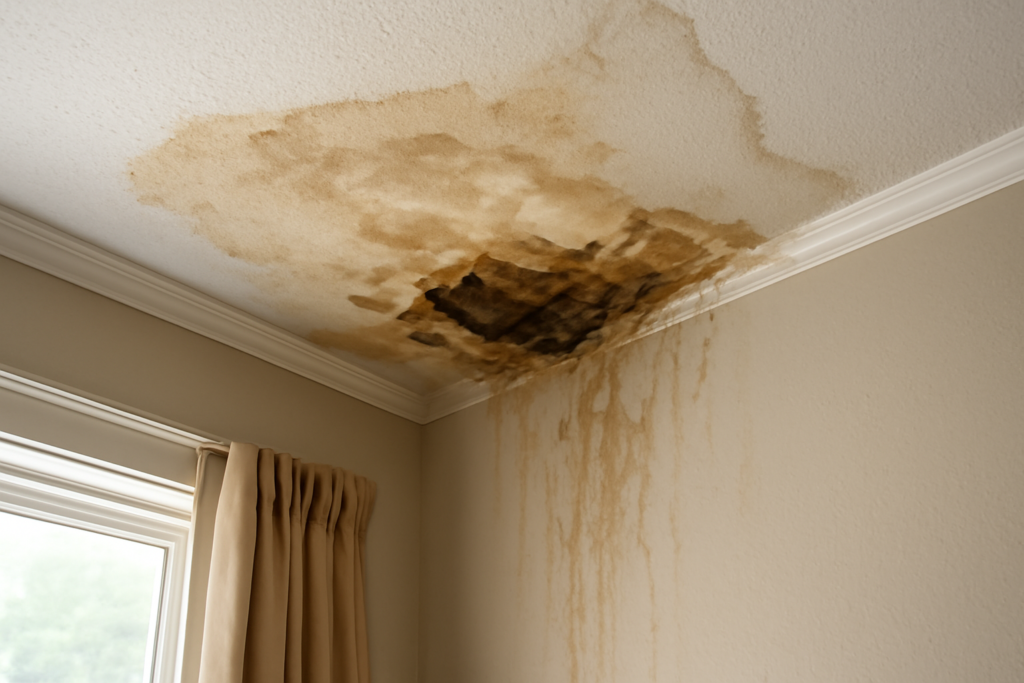
Don’t Let That Ceiling Stain Become a Disaster
It’s a homeowner’s worst nightmare: a sudden drip from your ceiling, or worse, a growing stain that signals hidden water damage. If you’re seeing this happen in your Fayetteville, GA home, it’s crucial to act fast. Ignoring ceiling drywall water damage can lead to serious structural issues and even mold growth if not addressed promptly. You need a team that understands the urgency of this specific problem. We’ll help you tackle this challenge effectively and get your home back to normal.
We’ve earned the trust of over 165 five-star reviews from homeowners right here in the area. They choose us because they know we specialize in getting ceiling drywall water damage taken care of quickly and correctly. When water starts impacting your ceiling, you want a local crew that’s experienced with these exact issues. We’re dedicated to providing reliable emergency response when you need it most.
- Rapid water extraction prevents further saturation and structural compromise of your ceiling and the materials above it.
- Targeted drying techniques using specialized equipment ensure that hidden moisture within wall cavities and ceiling joists is completely removed, preventing mold.
- Careful assessment and repair of the damaged drywall, followed by professional finishing, restores the appearance and integrity of your ceiling.
How Ceiling Drywall Water Damage Restoration Actually Works
When water infiltrates your ceiling, every hour counts. A proper restoration process for ceiling drywall water damage isn’t just about cleanup; it’s about preventing secondary damage and ensuring your home’s safety. Rushing the job or using the wrong methods can leave you with lingering problems and higher costs down the line. Our team follows a meticulous, proven process to address the source of the leak, remove all moisture, and restore your ceiling to its original condition. We’re committed to thorough moisture detection and effective drying protocols.
1. Emergency Water Source Identification and Mitigation
The very first step is finding out exactly where the water is coming from and stopping it. This might involve shutting off a supply line, repairing a roof leak, or addressing a plumbing issue. We work quickly to isolate the source and prevent any more water from entering your home, which is critical for limiting further damage.
2. Water Extraction and Removal
Once the source is stopped, we use powerful, truck-mounted extraction units to remove as much standing water from your ceiling and any affected areas as possible. This step is essential for minimizing saturation and speeding up the drying process for the drywall and underlying structure.
3. Advanced Drying and Dehumidification
This is where specialized equipment comes into play. We deploy industrial-grade air movers and dehumidifiers to systematically dry out the affected ceiling materials and any adjacent cavities. Our technicians use moisture meters to ensure we reach dryness in cavities and that all hidden moisture is gone, preventing mold growth.
4. Mold Prevention and Remediation
If mold has already begun to grow, or if the conditions are right for it, our certified technicians will safely remove and treat affected areas. Preventing mold is a key part of our process, and we take air quality monitoring seriously to ensure your home is safe.
5. Drywall Repair and Restoration
Once everything is completely dry, we’ll assess the drywall for damage. Depending on the extent of the water damage, this may involve patching small holes, replacing sections of drywall, applying new joint compound, sanding, priming, and painting. Our goal is to make your ceiling look like it was never damaged.
Don’t wait for that ceiling stain to spread and cause more trouble. Call us now to get immediate help with your ceiling drywall water damage. We’re ready to respond to your emergency.
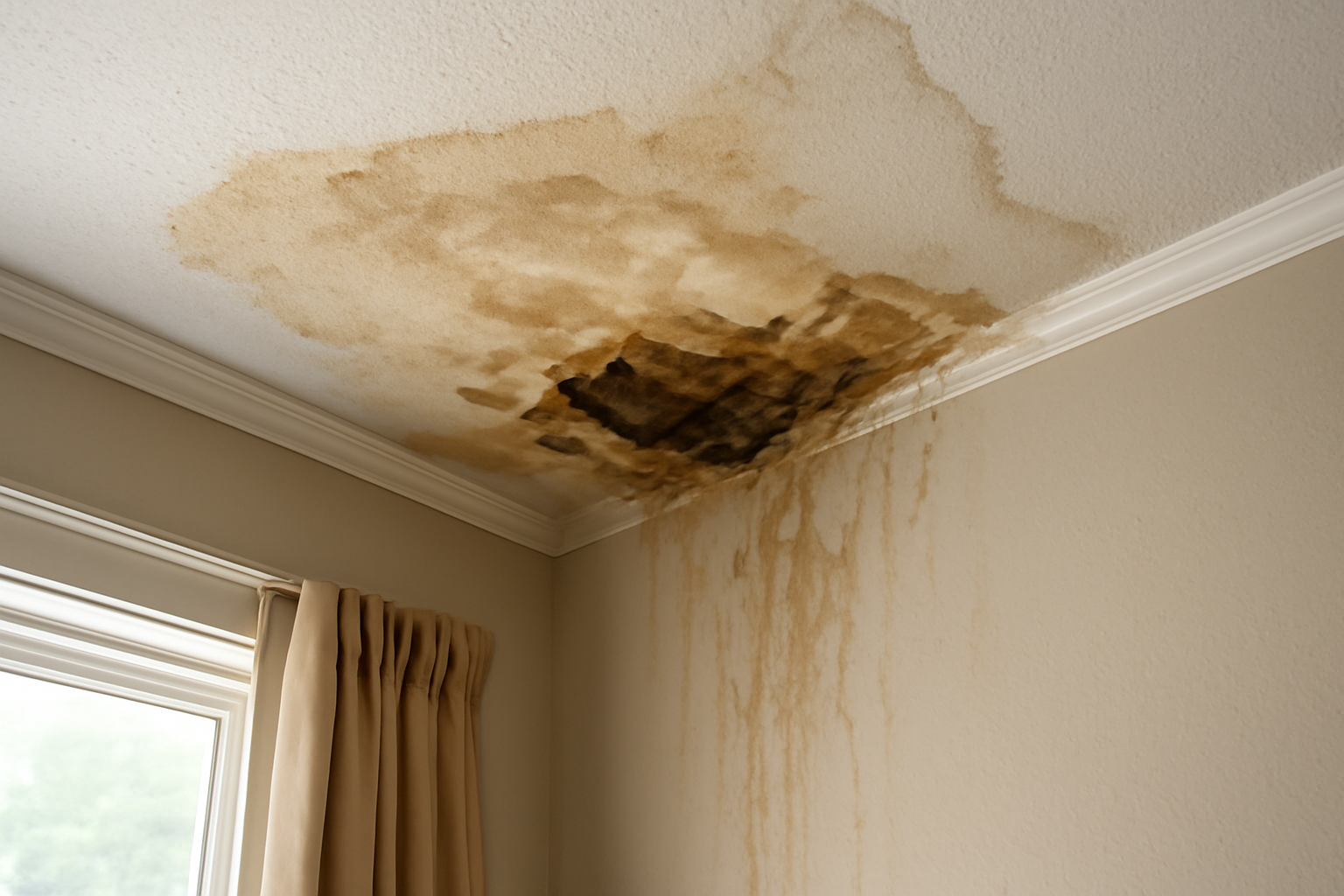
Warning Signs You Need Ceiling Drywall Water Damage Restoration
Catching ceiling water damage early is key to preventing bigger, more expensive problems. Your ceiling might be trying to tell you something’s wrong long before a major leak occurs. Pay attention to these subtle signs, because they can save you a lot of headaches and money in the long run. You need to recognize these indicators to protect your home.
Musty Odors That Won’t Go Away
A persistent, unpleasant smell, especially a damp or musty one, can indicate hidden moisture behind your walls or in your ceiling. This is often one of the first signs that mold might be growing, even if you can’t see a stain yet.
Discolored Spots or Stains on the Ceiling
Yellow, brown, or even rust-colored spots appearing on your ceiling are clear indicators of water intrusion. These stains mean water has saturated the drywall and is beginning to break down the paint and paper.
Sagging or Soft Spots in the Ceiling
If your ceiling drywall starts to droop or feels soft when touched, it’s a serious sign. This indicates that the drywall material has absorbed a significant amount of water and is losing its structural integrity, which can lead to collapse.
Peeling or Bubbling Paint on the Ceiling
Water trapped behind paint can cause it to lift, bubble, or peel away from the drywall surface. This is a visual cue that the drywall is being compromised by moisture from above.
Visible Water Dripping or Pooling
This is the most obvious sign that you have an active leak. If you see water dripping or pooling on your ceiling, it’s an emergency situation that requires immediate attention to stop the water flow and prevent further damage.
Cracks or Holes in the Ceiling
Sometimes, water damage can weaken the drywall to the point where cracks or even small holes form. These are direct pathways for more water to enter or for existing damage to worsen.
Ceiling Drywall Water Damage Restoration vs. DIY: When To Call a Professional
| Situation | DIY? | Call a Pro? | Why |
|---|---|---|---|
| Small, isolated drip from a minor pipe leak with no visible stain | Yes, if you can safely access and immediately repair the source. | Yes, if the leak is ongoing or you’re unsure of the source. | DIY can work for minor issues, but professionals ensure complete drying and prevent hidden damage. |
| Large stain or sagging in the ceiling | No. | Yes. | Sagging drywall indicates significant saturation and potential structural weakening; requires professional assessment and repair. |
| Suspected mold growth or musty odors | No. | Yes. | Mold can be hazardous to health and requires specialized containment and removal techniques. |
| Water damage from a roof leak or severe storm | No. | Yes. | These issues often involve extensive damage requiring specialized equipment and expertise for thorough drying and structural repair. |
| Water damage with no obvious source | No. | Yes. | Hidden leaks behind walls or in ceilings need advanced detection tools to locate and repair properly. |
| Minor ceiling discoloration from a past, resolved leak | Maybe, for cosmetic touch-ups. | Yes, for a full assessment. | Even old stains can indicate underlying issues or incomplete drying that could lead to future problems. |
For anything beyond a very minor, isolated incident, calling a professional for ceiling drywall water damage is the safest and most effective route. We have the tools and knowledge to ensure complete restoration.
Ceiling Drywall Water Damage Restoration Cost In Fayetteville, GA
The cost for ceiling drywall water damage restoration in Fayetteville, GA can vary significantly based on the size and severity of the damage, as well as the complexity of the repair. These figures are estimates and a precise quote will be provided after a thorough on-site assessment. We aim to provide transparent pricing for your peace of mind.
| Service Aspect | Typical Price Range | What Affects Cost |
|---|---|---|
| Water Extraction & Drying | $500 – $3,000 | Amount of water, size of area, drying time needed. |
| Mold Inspection & Testing | $300 – $1,000 | Number of samples taken, complexity of the affected area. |
| Mold Remediation | $500 – $5,000+ | Severity of mold growth, containment needs, square footage. |
| Drywall Patching/Repair | $300 – $1,500 | Size of damaged area, number of patches, complexity of ceiling access. |
| Drywall Replacement | $700 – $2,500+ | Square footage of drywall needed, ease of access, need for matching texture. |
| Priming and Painting | $200 – $1,000 | Square footage of ceiling, type of paint, number of coats. |
An on-site inspection by our team is the best way to get an accurate estimate for your specific situation. We’re happy to provide a free, no-obligation estimate.
Service Areas Near Fayetteville, GA
We proudly serve homeowners in Fayetteville, GA and surrounding communities including Brooks, Tyrone, Peachtree City, Senoia, Sharpsburg, Newnan, Palmetto, Riverdale, Forest Park, Jonesboro, Hampton, Locust Grove, McDonough, Stockbridge, Lovejoy, Griffin, Jackson, Experiment, Williamson, and Zebulon.
Common Questions About Ceiling Drywall Water Damage Restoration
How quickly do I need to address ceiling water damage?
You need to address ceiling water damage as soon as you notice it. The longer water sits in your ceiling drywall, the more it weakens the material and the more likely mold is to grow. Our team offers 24/7 emergency response to tackle these issues immediately.
Will my homeowner’s insurance cover ceiling drywall water damage?
Typically, homeowner’s insurance covers water damage caused by sudden and accidental events like burst pipes or roof leaks, but not slow leaks or lack of maintenance. It’s always best to review your policy and contact your insurance provider. We can help document the damage for your claim, ensuring you get proper coverage.
How long does the ceiling drywall water damage restoration process take?
The timeline varies greatly depending on the extent of the water damage. Simple drying and minor repairs might take a few days, while extensive damage requiring full drywall replacement could take a week or more. We focus on efficient, thorough drying using equipment like high-speed air movers.
What are the health risks associated with ceiling water damage?
The primary health risk is mold growth, which can cause respiratory problems, allergies, and other health issues. Water-damaged materials can also attract pests. Our technicians are trained to identify and remediate mold safely, protecting your family’s health and ensuring safe indoor air quality.
Can I just dry out the wet drywall myself?
For very minor, fresh spots, you might be able to dry it out, but it’s risky. You can’t see the moisture hidden within the ceiling cavity. Professional drying equipment, like industrial dehumidifiers and air scrubbers, is essential to ensure all moisture is removed, preventing future problems like mold and structural compromise. We use advanced moisture detection to confirm dryness.
Check Our Other Relevant Services
Serving Fayetteville, GA And Nearby Areas


