
Trusted by 165+ Homeowners
Ceiling Drywall Water Damage Restoration in Forest Park, GA
- Over 165 5-Star Reviews
- Free Estimates and Quotes
- 100% Satisfaction Guaranteed
- Child, Family & Pet Safe Steps
- 24-Hour Emergency Service
- Fully Licensed & Insured
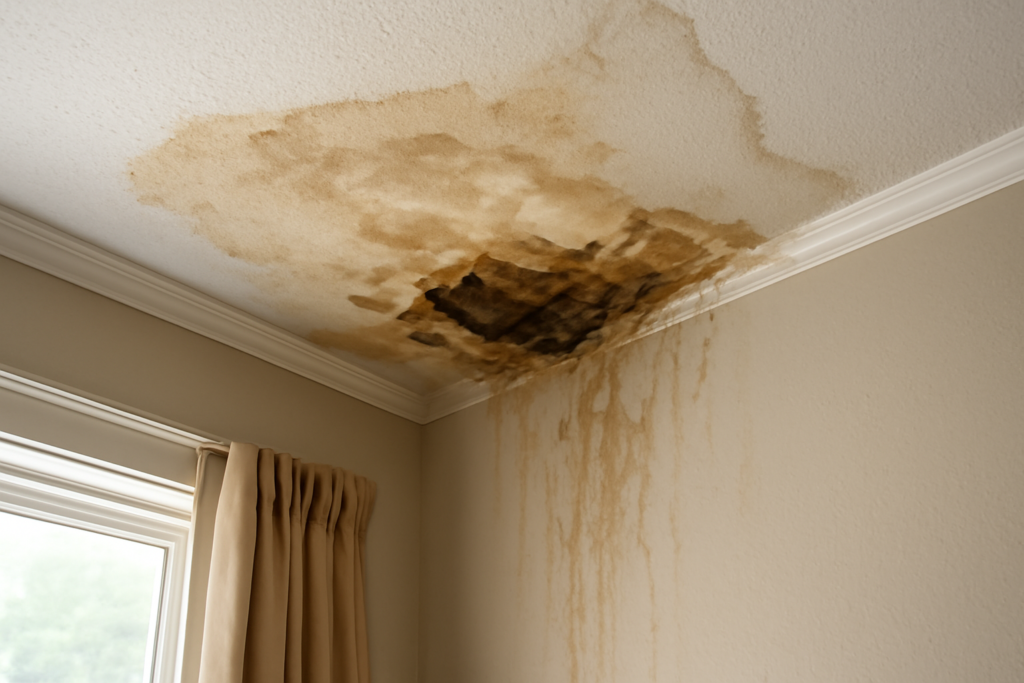
When Water Finds Its Way Through Your Ceiling in Forest Park, GA
You just saw it. A dark, spreading stain on your ceiling. Maybe it’s dripping, a slow, steady drip, or worse, a cascade. That unsettling smell of dampness and mildew is starting to fill the air. It’s a situation nobody wants to face, but when water damage appears overhead, it’s critical to act fast. Dealing with ceiling drywall water damage means more than just a cosmetic repair; it’s about preventing mold and structural issues before they get worse in your Forest Park, GA home. You need a swift, expert response to protect your property.
Homeowners around here trust our team for this specific problem. We’ve helped neighbors in countless situations, earning over 165 five-star reviews for our focused approach to ceiling drywall water damage restoration. We understand the urgency and the unique challenges this type of damage presents. When you see that tell-tale stain, remember you’re not alone, and there’s a local team ready to help get your home back to normal quickly and effectively. We’re committed to delivering a thorough, professional restoration.
- We precisely identify the source of the leak, stopping further damage and preventing future occurrences.
- Our advanced drying methods use specialized equipment to extract moisture from drywall and insulation, avoiding costly replacements where possible.
- We focus on restoring the integrity and appearance of your ceiling, ensuring a safe and healthy environment for your family.
The Technical Process Behind Ceiling Drywall Water Damage Restoration
When water soaks into your ceiling drywall, it’s not just about patching a hole. It’s a science. Our process for ceiling drywall water damage restoration involves meticulous steps to ensure a complete dry-out and prevent secondary problems like mold. Skipping crucial steps, like proper moisture detection or ventilation, can lead to hidden issues that resurface later, costing you more. We use specific protocols to safeguard your home’s structure and restore your peace of mind. You can count on our team for a detailed, methodical approach.
1. Initial Assessment and Containment
First, our technicians will arrive quickly to assess the extent of the water intrusion. We’ll identify the source of the leak and take immediate steps to contain the affected area. This might involve setting up containment barriers to prevent the spread of moisture and potential mold spores. We aim to stop the problem at its source.
2. Water Extraction
Depending on the severity, we’ll extract standing water using specialized pumps and vacuums. For ceilings, this often means carefully managing drips and saturation without causing further collapse. Our goal is to remove as much excess water as possible, as fast as possible, to minimize long-term damage.
3. Controlled Drying
This is where our technical expertise truly shines. We deploy industrial-grade dehumidifiers and air movers. These machines work in tandem to pull moisture out of the air and from within the drywall materials. We use moisture meters to track progress, ensuring the area is dried to industry standards. This controlled drying prevents warping and weakening of the drywall. It’s a critical step for structural integrity.
4. Moisture Monitoring
Throughout the drying process, we continuously monitor moisture levels. We use advanced equipment to detect hidden moisture deep within wall cavities or insulation that you can’t see. This ensures that every bit of dampness is eliminated, preventing future mold growth and potential structural decay. This precise monitoring is essential.
5. Drywall Repair and Restoration
Once everything is thoroughly dried and tested, we’ll address the damaged drywall. This often involves patching, replacing sections, or re-texturing to match your existing ceiling. Our team ensures the repair is not only functional but also blends seamlessly with the rest of your room. We handle the final cosmetic repairs.
Don’t let a ceiling leak turn into a major issue. Call us today to get a professional assessment and start the restoration process immediately. Your home deserves the best possible care.
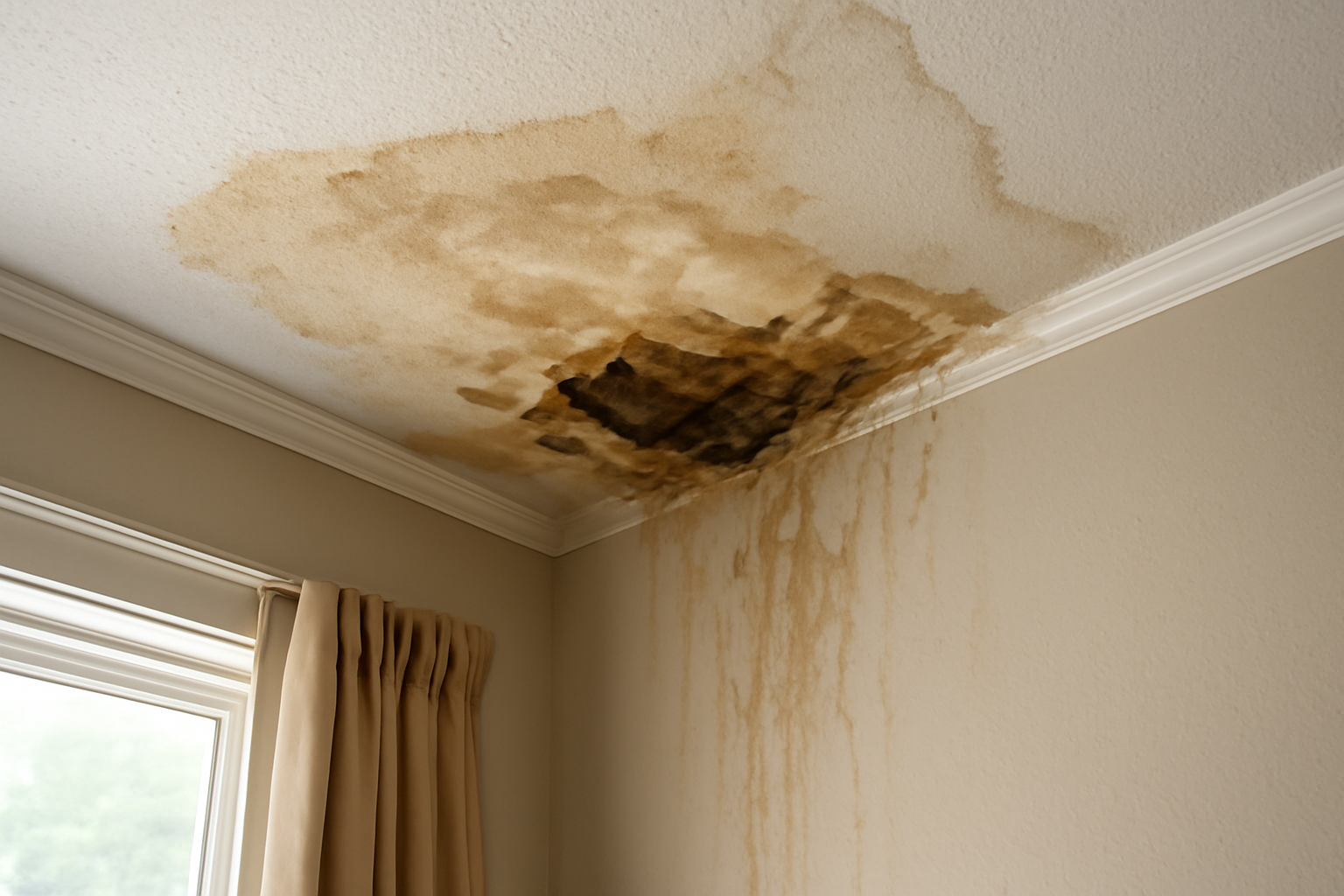
Warning Signs You Need Ceiling Drywall Water Damage Restoration
Catching water damage early is key to minimizing repair costs and preventing health hazards. Your ceiling might be trying to tell you something’s wrong, even before a major leak starts. Ignoring these signs can lead to widespread mold, compromised structural integrity, and much more expensive repairs down the line. Pay close attention to these indicators to protect your home. Early detection means a quicker, less costly fix.
Musty Odors That Won’t Go Away
A persistent damp or musty smell, especially in a room that isn’t otherwise humid, is often the first sign of hidden water. This odor usually indicates mold growth behind the drywall or in the insulation, fueled by moisture. It’s a clear indicator of a problem.
Visible Water Stains or Discoloration
That brownish or yellowish stain spreading across your ceiling is a direct sign of water intrusion. The color indicates minerals and other substances from the water or the attic/wall cavity are being wicked through the drywall. You need to address these stains promptly.
Sagging or Bulging Drywall
When drywall becomes saturated, it loses its rigidity and can start to sag downwards. In severe cases, it might bulge outwards. This is a critical warning sign that the material is compromised and may be close to collapsing. It’s a major structural concern.
Peeling or Bubbling Paint/Wallpaper
Water trapped behind the paint or wallpaper on your ceiling can cause it to lose adhesion. You might see peeling edges or bubbles forming where the moisture has softened the material and its bond to the drywall. This indicates water is actively affecting the surface.
Mold or Mildew Growth
Visible patches of black, green, or white mold on the ceiling surface or around stains are a serious health concern. Mold thrives in damp environments, and its presence signifies a significant water problem that needs immediate attention. This is a health and safety hazard.
Dripping Water
The most obvious sign, of course, is active dripping. Whether it’s a slow drip or a steady stream, this means water is actively pooling above your ceiling and finding a way through. You need to stop the source and dry the area immediately.
Ceiling Drywall Water Damage Restoration vs. DIY: When To Call a Professional
| Situation | DIY? | Call a Pro? | Why |
|---|---|---|---|
| Small, isolated water spot from a recent, quickly fixed leak (e.g., a minor roof drip stopped immediately) | Yes | No | Minor spots can often be dried with fans and spot-treated if caught instantly. |
| Large, spreading water stain with visible sagging | No | Yes | Sagging indicates saturation and potential structural compromise requiring expert assessment and drying. |
| Persistent musty odor without visible signs of water | No | Yes | Hidden moisture and mold growth are likely, requiring specialized detection and remediation equipment. |
| Water damage from a sewage backup or contaminated source | Absolutely Not | Yes | Contaminated water poses serious health risks and requires professional containment and disinfection protocols. |
| Ceiling drywall showing signs of damage after heavy rain or a burst pipe | Maybe, for very small spots | Yes | Larger areas need professional dehumidification to prevent warping, mold, and further damage. |
| You’re unsure about the source or extent of the water damage | No | Yes | An expert can accurately diagnose the problem and ensure a thorough, safe restoration. |
While small, easily managed water spots might seem like a DIY project, anything involving significant saturation, sagging drywall, or persistent odors demands professional attention. For effective ceiling drywall water damage restoration, our team utilizes specialized equipment and protocols to ensure a complete and safe recovery. Trusting the process to experts prevents costly long-term damage and ensures your home is truly dry and healthy.
Ceiling Drywall Water Damage Restoration Cost In Forest Park, GA
The cost for ceiling drywall water damage restoration in Forest Park, GA can vary significantly. Factors like the size of the affected area, the severity of the water damage, and whether mold has begun to grow will impact the final price. These estimates provide a general idea, but a precise quote comes after an on-site inspection. We work to provide fair and transparent pricing.
| Service Aspect | Typical Price Range | What Affects Cost |
|---|---|---|
| Water Damage Assessment & Inspection | $200 – $600 | Complexity of the leak source and extent of visible damage. |
| Water Extraction (for significant pooling) | $400 – $1,500 | Volume of water and accessibility of the affected ceiling area. |
| Controlled Drying & Dehumidification | $600 – $2,000 | Size of the affected area, humidity levels, and duration of drying required. |
| Mold Testing & Remediation (if needed) | $500 – $3,000+ | Severity and spread of mold growth; containment needs. |
| Drywall Repair & Patching | $300 – $1,200 | Size of the damaged section, need for re-texturing, and matching existing finishes. |
| Ceiling Paint & Finish Restoration | $200 – $700 | Square footage of the ceiling needing repainting and complexity of the finish. |
These figures are estimates for typical scenarios. For an exact cost tailored to your specific situation, we offer free, no-obligation estimates after a thorough on-site assessment. Contact us today to get a clear understanding of your restoration costs and begin the repair process.
Service Areas Near Forest Park, GA
Atlanta, College Park, East Point, Hapeville, Jonesboro, Morrow, Riverdale, Stockbridge, Clayton County, Clayton, Conley, Ellenwood, Fayetteville, Forest Park, Hampton, Lake City, Lovejoy, McDonough, North Clayton, Orchard Hill, Red Oak, Rex, Riverdale, Roswell, Sandy Springs, Smyrna, South Clayton, Stone Mountain, Tyrone, Union City, Virginia-Highlands, West Atlanta, Whitesburg, Wilson Mill.
Common Questions About Ceiling Drywall Water Damage Restoration
What should I do immediately after discovering water damage on my ceiling?
First, try to identify and stop the source of the leak if it’s safe to do so. Place buckets or towels to catch any dripping water. If the ceiling is visibly bulging or sagging heavily, you may need to carefully puncture the lowest point to allow water to drain, preventing a collapse. Then, call us immediately. We provide fast emergency response to begin the drying and restoration process quickly.
How long does ceiling drywall water damage restoration typically take?
The timeline for ceiling drywall water damage restoration varies based on the extent of the saturation and the drying conditions. The initial water extraction and setup of drying equipment might take a day. The actual drying process can take anywhere from 24 hours to several days, sometimes up to a week or more for severe saturation. We use advanced drying technology to speed up this process safely.
Is it safe to stay in my home while ceiling drywall is wet?
It can be unsafe, especially if mold growth is suspected or if the drywall is severely compromised and risks collapse. Wet materials can also contribute to poor indoor air quality. We prioritize your safety and will advise you on whether temporary relocation is necessary during the restoration. Our goal is to create a healthy living environment as quickly as possible.
What equipment do you use to dry out a wet ceiling?
We use a combination of industrial-grade dehumidifiers to remove moisture from the air, high-velocity air movers to circulate air across the wet surfaces and encourage evaporation, and sometimes specialized drying equipment like LGR (Low-Grain Refrigerant) dehumidifiers for maximum efficiency. We also use moisture meters to precisely measure dryness levels and ensure the job is done right.
How can I prevent water damage to my ceiling in the future?
Regularly inspect your roof for damage, ensure your gutters and downspouts are clear and directing water away from your foundation, and check for any plumbing leaks in the attic or floors above. For homes in Forest Park, GA, routine maintenance can prevent many common issues. We can also provide expert advice on prevention during our visits.
Check Our Other Relevant Services
- After Hours Water Damage Service in Forest Park, GA
- Attic Water Damage Restoration in Forest Park, GA
Serving Forest Park, GA And Nearby Areas


