
Trusted by 165+ Homeowners
Ceiling Drywall Water Damage Restoration in Gresham Park, GA
- Over 165 5-Star Reviews
- Free Estimates and Quotes
- 100% Satisfaction Guaranteed
- Child, Family & Pet Safe Steps
- 24-Hour Emergency Service
- Fully Licensed & Insured
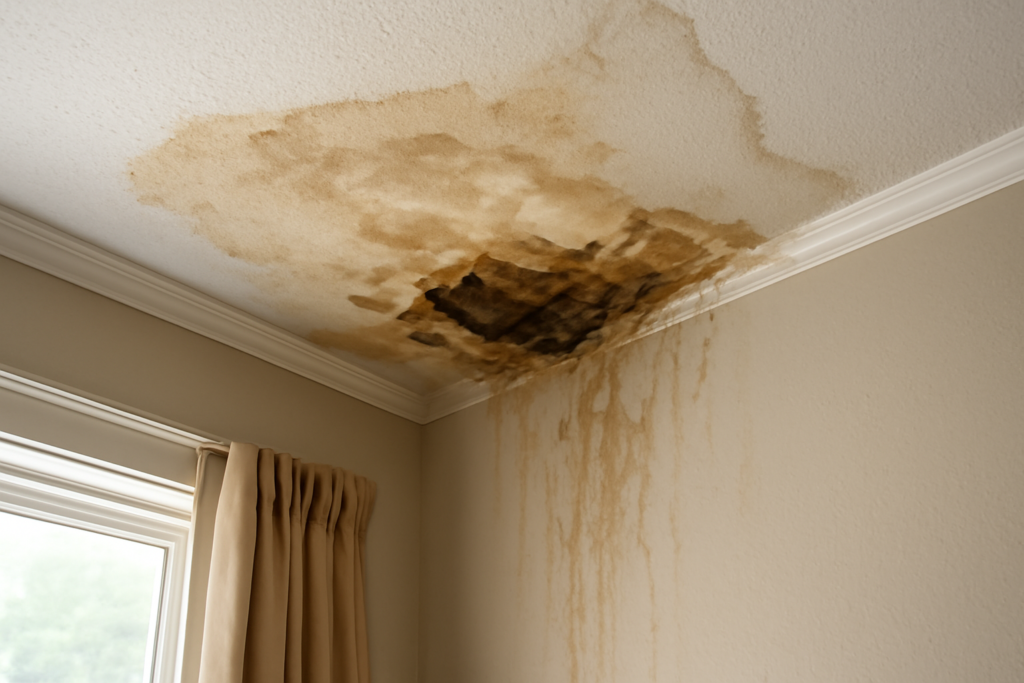
Don’t Let a Leaky Ceiling Ruin Your Home in Gresham Park, GA
You walk into your living room, and there it is. A dark, growing stain on your ceiling. Maybe it’s sagging, maybe you hear a faint drip. It’s a stressful situation, and you know it needs immediate attention. Ignoring ceiling drywall water damage means inviting mold, structural weakness, and bigger repair bills down the line. This isn’t just an inconvenience; it’s a critical home repair that requires a fast, professional response.
Locals trust our team because we tackle ceiling water damage with unmatched expertise. We’ve earned over 165 five-star reviews from neighbors right here in your neighborhood who have experienced similar water intrusion. They call us for our reliable service and our commitment to getting things right the first time. We understand the unique challenges that water damage presents to your home’s structure, especially when it affects your ceilings.
- We use advanced moisture meters to pinpoint hidden water, ensuring your ceiling is dried completely and preventing future mold growth.
- Our team contains the affected area to stop water from spreading, protecting your belongings and other parts of your home.
- We specialize in restoring drywall, not just patching it, so your ceiling looks and feels like new again.
The Science Behind Drying Your Ceiling Right
When water soaks into your ceiling drywall, it doesn’t just sit on the surface. It saturates insulation, can damage the wood framing above, and creates an ideal environment for mold. Simply wiping it down won’t fix the problem. Our process is built on scientific principles of drying and containment. We employ specialized equipment and techniques to extract moisture effectively, prevent further damage, and restore your ceiling’s integrity. Cutting corners here leads to recurring issues and costly future repairs.
Initial Water Extraction
First, we identify and stop the water source. Then, we use powerful extraction tools to remove as much standing water as possible from the affected ceiling area. This quick water removal is crucial for minimizing damage and starting the drying process efficiently. We’ll assess the extent of saturation to determine the best tools for the job.
Moisture Detection and Assessment
Our technicians use advanced, non-invasive moisture meters to scan the drywall, insulation, and framing above. This allows us to see exactly where the water has penetrated, even in areas you can’t see. Understanding the full scope of moisture is key to a successful restoration and preventing hidden mold.
Controlled Drying Environment
We set up a controlled drying environment using industrial-grade dehumidifiers and air movers. These machines work together to lower humidity levels and accelerate evaporation from the building materials. This targeted approach ensures that even deep-seated moisture is removed, promoting rapid structural drying.
Containment and Air Filtration
To prevent the spread of water damage and potential mold spores, we establish containment barriers. We also use HEPA air scrubbers to filter the air, removing contaminants and improving air quality. This creates a safe zone for our work and protects the rest of your home from the drying process. It’s about protecting your indoor air.
Drywall Repair and Restoration
Once everything is completely dry, we address the damaged drywall. This often involves removing saturated sections, replacing them with new material, and ensuring a smooth, paint-ready finish. Our goal is to make the damage invisible and undetectable.
Don’t wait for that small drip to turn into a major structural problem. Call us now for immediate assistance with your ceiling water damage. We’re ready to help you restore your home quickly.
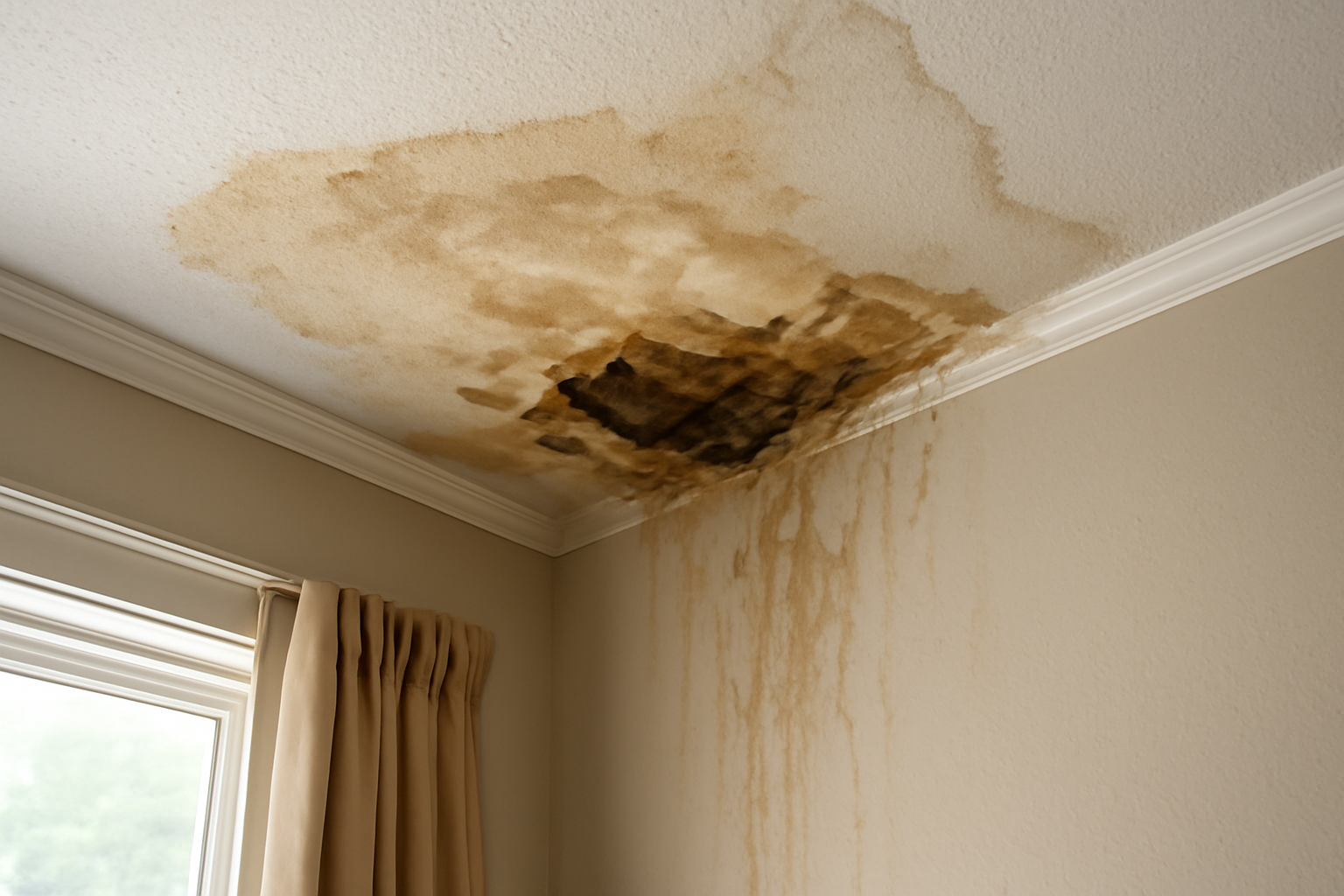
Warning Signs You Need Ceiling Drywall Water Damage Restoration
Catching water damage early is the smartest move you can make. It saves you money, time, and a lot of headaches. Your ceiling will often give you clear signals that something is wrong, but you have to know what to look for. These signs mean it’s time to call in the professionals before the problem gets worse.
Dark Stains or Discoloration
A new or expanding dark spot on your ceiling is the most obvious sign of a leak. These stains indicate that water has saturated the drywall and possibly the paint layer. It’s a clear indication of water intrusion that needs immediate attention.
Sagging or Bulging Drywall
When drywall absorbs water, it loses its structural integrity and begins to sag or bulge downwards. This is a critical warning sign, as a severely saturated ceiling can collapse. It means the material is compromised and weakening.
Visible Water Droplets or Puddles
If you see water dripping from the ceiling or pooling on its surface, the leak is active and significant. This is an emergency situation. You need to stop the water flow immediately and call for professional drying.
Musty Odors That Won’t Go Away
Even if you can’t see visible water, a persistent musty or moldy smell coming from your ceiling is a strong indicator of hidden moisture. This smell often signals the early stages of mold growth behind the drywall. It’s a warning of unseen mold.
Peeling or Bubbling Paint
Water trapped behind paint can cause it to bubble up or peel away from the drywall surface. This is another sign that moisture is affecting the integrity of your ceiling finish. It’s a visual cue of saturation.
Increased Humidity or Dampness in the Room
A general feeling of dampness in the air, or condensation on windows and walls, can sometimes point to a larger water issue, including a ceiling leak. This indicates elevated moisture levels that need proper ventilation and drying.
Ceiling Drywall Water Damage Restoration vs. DIY: When To Call a Professional
| Situation | DIY? | Call a Pro? | Why |
|---|---|---|---|
| Small, fresh drip stain from a known, fixed minor leak (e.g., a brief shower overflow) | Yes, for minor cosmetic touch-ups after drying | No, unless it persists | Minor stains can often be painted over after thorough drying, but persistent signs need investigation. |
| Visible sagging or bulging drywall | Absolutely Not | Yes, Immediately | Sagging drywall is a structural hazard and can collapse, requiring professional assessment and repair. |
| Persistent musty odors without visible signs | No, not reliably | Yes | Hidden mold is a serious health risk and requires specialized detection and remediation equipment. |
| Water damage from a roof leak or plumbing issue within walls | No | Yes, Immediately | These are complex issues requiring source identification, water extraction, and thorough drying of hidden cavities. |
| Large, dark stains covering a significant ceiling area | No | Yes | Extensive saturation requires professional drying equipment to prevent mold and structural damage. |
| Any concern about mold growth | No | Yes, Immediately | Mold remediation is a specialized field requiring safety protocols and effective removal techniques. |
While small, fresh water spots might seem manageable for a DIY approach, anything involving structural integrity, potential mold, or persistent moisture absolutely requires professional intervention. Our team has the tools and training to handle these complex issues safely and effectively.
Ceiling Drywall Water Damage Restoration Cost In Gresham Park, GA
The cost of ceiling drywall water damage restoration in Gresham Park, GA, varies greatly depending on the extent of the damage, the size of the affected area, and how quickly you address the problem. These figures are estimates and can change based on specific circumstances. Accurate pricing requires a professional assessment.
| Service | Typical Price Range | What Affects Cost |
|---|---|---|
| Water Source Identification & Stop | $300 – $800 | Complexity of the leak source (e.g., roof vs. pipe). |
| Water Extraction & Drying | $700 – $3,000+ | Amount of water, size of the area, and required drying time. |
| Moisture Assessment & Testing | $200 – $600 | The number of areas tested and the advanced equipment used. |
| Drywall Removal & Replacement | $400 – $1,200 per panel | Size and number of drywall panels needing replacement. |
| Mold Inspection & Testing (if suspected) | $300 – $1,000 | Scope of the inspection and lab analysis required. |
| Professional Dehumidification & Air Movers | $500 – $2,500 (rental/service) | Number of units needed and duration of the drying process. |
These ranges give you a general idea, but an on-site inspection is the only way to get an exact quote. We offer free, no-obligation estimates to help you understand the scope and cost for your specific situation.
Service Areas Near Gresham Park, GA
Atlanta, Decatur, East Point, Forest Park, Hapeville, Jonesboro, Lake City, Lovejoy, Morrow, North Atlanta, North Clayton, North Decatur, North Druid Hills, Panthersville, Riverdale, Stockbridge, Stone Mountain, Union City, Virginia Highland, West Atlanta.
Common Questions About Ceiling Drywall Water Damage Restoration
What should I do immediately when I see a water stain on my ceiling?
Your first step is to try and identify and stop the water source if possible, like turning off a supply line or covering a leaky roof section. Then, place buckets to catch any drips and try to remove any standing water from the surface. If the ceiling is bulging significantly, you may need to carefully puncture it to relieve pressure and prevent collapse, but only if it’s safe to do so. Calling our team immediately is crucial for prompt assessment and drying.
How long does it take to dry out ceiling drywall after a leak?
The drying time varies greatly depending on the extent of saturation and the materials involved. It can range from a few days to over a week. We use specialized equipment to accelerate the drying process, but it’s essential to allow materials to dry completely to prevent mold. Our technicians will monitor moisture levels closely to determine when it’s safe to proceed with repairs.
Is ceiling water damage a health hazard?
Yes, it can be. Water-damaged drywall and the surrounding materials can quickly become a breeding ground for mold and mildew. Inhaling mold spores can cause allergic reactions, asthma attacks, and other respiratory problems. We take air quality seriously and use containment and air scrubbers to protect your family’s health during the restoration.
What kind of equipment do you use to dry out ceilings?
We utilize a range of professional-grade equipment, including high-capacity dehumidifiers to remove moisture from the air, and powerful air movers to increase airflow and speed up evaporation. We also use advanced moisture meters to accurately measure water content in materials and ensure thorough drying. This specialized drying technology is key to preventing secondary damage.
Will insurance cover ceiling drywall water damage restoration in Gresham Park, GA?
Typically, homeowner’s insurance covers water damage caused by sudden and accidental events, such as burst pipes or roof leaks. Damage from slow leaks or lack of maintenance might not be covered. We can help you document the damage and work with your insurance company to facilitate the claims process. We aim to make the insurance claim process smoother for you.
Check Our Other Relevant Services
Serving Gresham Park, GA And Nearby Areas


