
Trusted by 165+ Homeowners
Ceiling Drywall Water Damage Restoration in Hapeville, GA
- Over 165 5-Star Reviews
- Free Estimates and Quotes
- 100% Satisfaction Guaranteed
- Child, Family & Pet Safe Steps
- 24-Hour Emergency Service
- Fully Licensed & Insured
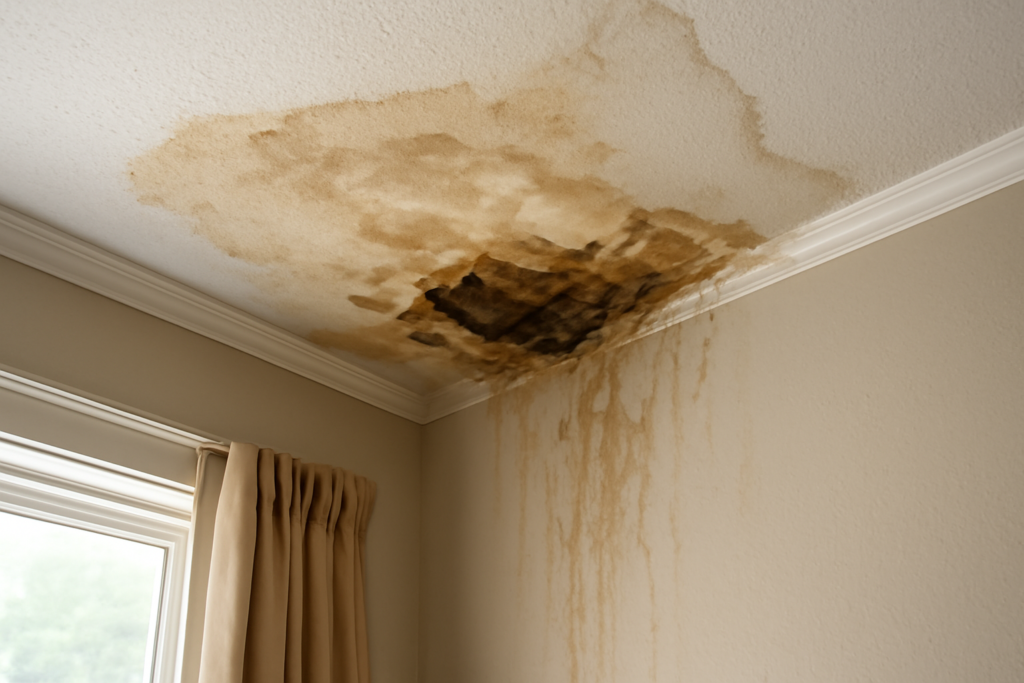
When Water Shows Up Where It Shouldn’t: Ceiling Drywall Water Damage Restoration in Hapeville, GA
We’ve seen it all when it comes to water damage in the unique homes around Hapeville, GA. From older plumbing issues in established neighborhoods to unexpected leaks after a storm, water finding its way into your ceiling drywall is a serious problem. It’s not just about the unsightly stains; it’s about protecting your home’s structure and your family’s health. You’re likely feeling stressed and unsure of what to do next, but that’s where our experienced crews come in. We understand how to tackle difficult ceiling repairs and get your home back to normal, fast. You can count on our team for reliable water damage service.
Homeowners across the area have trusted us with their ceiling drywall issues, contributing to over 165 five-star reviews. They choose us because we don’t just patch things up; we address the root cause of the water intrusion and perform thorough drying and repair. Your neighbors know that when they need prompt water extraction and expert drywall repair, our dedicated technicians are the ones to call. We provide the highest quality workmanship, ensuring your ceiling is restored to its original condition.
- We specialize in identifying the source of leaks, preventing future occurrences and saving you from repeat damage to your ceiling drywall.
- Our advanced drying equipment ensures that even hidden moisture within your walls and ceiling cavities is completely removed, preventing mold growth and structural weakening.
- We handle the entire process, from initial assessment and water extraction to precise drywall repair, texturing, and painting, giving you a truly finished result.
How Ceiling Drywall Water Damage Restoration Actually Works
Dealing with a water-damaged ceiling can feel overwhelming, but a structured, methodical approach is key to a successful restoration. Cutting corners here means more problems down the road, like mold, sagging drywall, and compromised insulation. Our process is designed to be efficient and effective, minimizing disruption to your life while ensuring your home is completely dry and secure. We use specialized tools and techniques to effectively remove water and properly dry out affected materials, making sure your ceiling is structurally sound and safe again. You’ll appreciate our clear communication throughout the job.
Initial Water Assessment and Containment
The first step is always to assess the extent of the water damage and pinpoint the source of the leak. Our technicians will then contain the affected area to prevent further spread of water. We use moisture meters and thermal imaging to detect hidden water, ensuring a thorough damage assessment. This phase typically takes a few hours, depending on the complexity of the leak.
Water Extraction
Once the source is stopped, we immediately begin removing standing water from your ceiling and any affected areas. We utilize powerful, truck-mounted extraction equipment to remove bulk water quickly and efficiently. The sooner we extract the water, the less secondary damage occurs, and this step is crucial for preventing structural issues. This can take anywhere from a few hours to a full day, depending on the volume of water.
Drying and Dehumidification
This is a critical stage. After the bulk water is gone, we set up specialized drying equipment, including high-speed air movers and industrial dehumidifiers. These machines work tirelessly to pull moisture out of the air and building materials like drywall, insulation, and wood framing. Proper drying is essential to prevent mold growth and ensure the integrity of your ceiling. This process can take several days, as we monitor humidity levels closely.
Damage Repair and Reconstruction
Once everything is thoroughly dried, our skilled crews get to work on repairing the damaged drywall. This often involves removing saturated or compromised sections of drywall and replacing them with new material. We then expertly tape, mud, sand, and texture the new drywall to match your existing ceiling. Our goal is to make it look like the damage never happened, providing a flawless drywall finish. This stage can take a few days to a week, depending on the size of the repair.
Final Inspection and Cleaning
Before we consider the job done, we conduct a final inspection to ensure all repairs are complete and the area is clean. We’ll check moisture levels one last time to be certain everything is dry. You’ll receive a walkthrough to ensure your complete satisfaction with the restored ceiling appearance. Your satisfaction is our top priority.
Don’t let water damage linger. Reach out to us today for a prompt and professional assessment of your ceiling drywall. We’re ready to provide the expert restoration services you need.
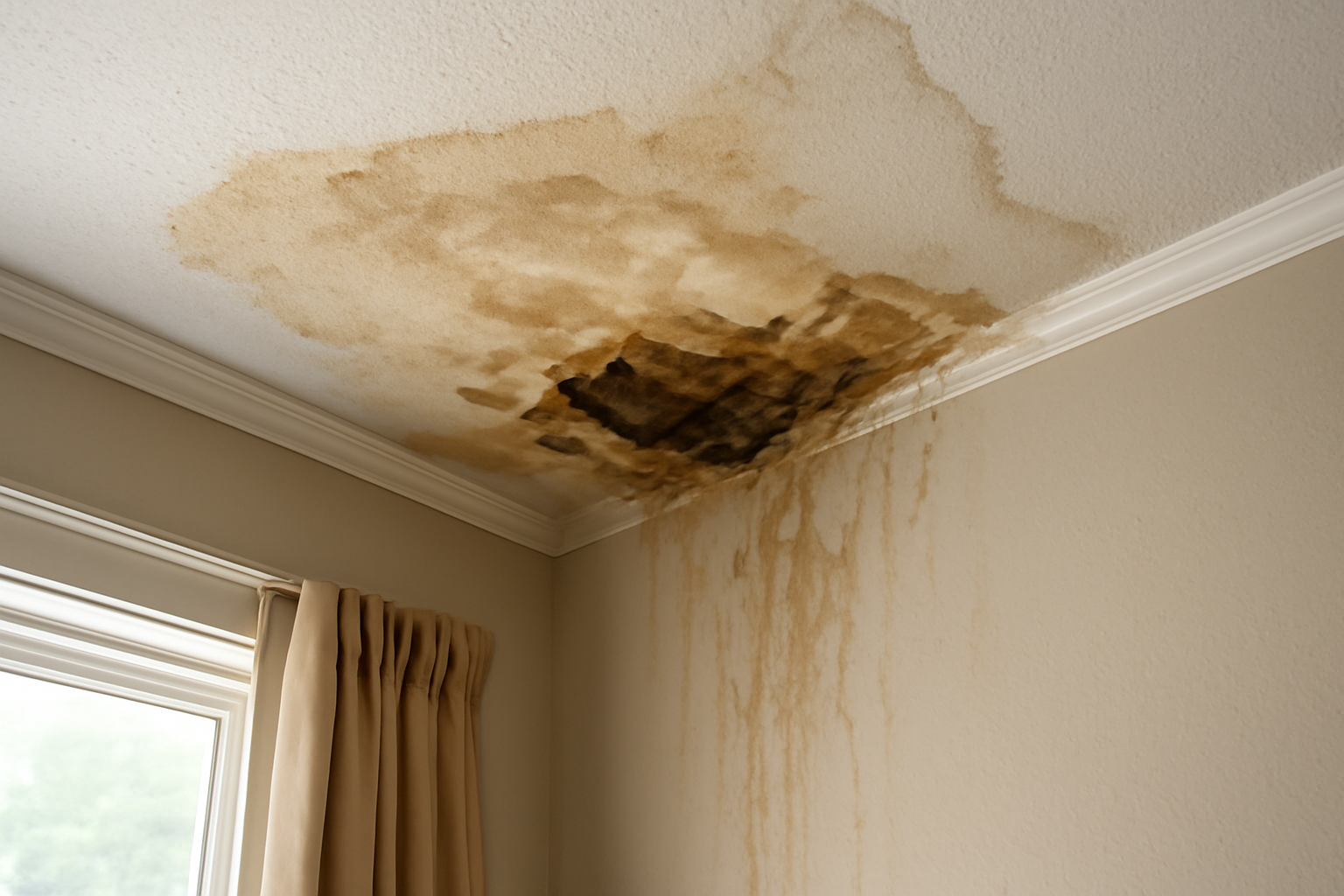
Warning Signs You Need Ceiling Drywall Water Damage Restoration
Catching water damage early is key to minimizing costs and preventing more serious problems like mold or structural compromise. Your ceiling drywall can show subtle signs that something is wrong, even before you see a major leak. Keep an eye out for these indicators, and don’t ignore them. Addressing them quickly can save you a lot of headaches and money in the long run, protecting your home’s overall value.
Discolored Stains or Water Spots
The most obvious sign is a yellow or brown stain appearing on your ceiling. These are often the first visual cue that water has saturated the drywall and is beginning to break it down. It’s a clear indicator that immediate attention is needed.
Sagging or Bubbling Drywall
As drywall absorbs water, it loses its structural integrity and can start to sag or bubble. This is a serious sign that the material is heavily compromised and could potentially collapse if not addressed promptly. You should treat sagging ceiling panels as an emergency.
Peeling Paint or Wallpaper
Moisture behind the paint or wallpaper on your ceiling can cause it to blister, peel, or flake away. This indicates that the drywall is absorbing moisture from above, weakening the bond of the finish. Watch for loose paint edges.
Musty Odors That Won’t Go Away
A persistent damp, musty smell, even when you can’t see any visible water, is a strong indicator of hidden moisture. This is often the sign of mold or mildew beginning to grow in the insulation or behind the drywall. You don’t want to breathe moldy air.
Visible Water Dripping
If you see water actively dripping from your ceiling, this is an emergency situation. It means the water source is significant, and the drywall is saturated, potentially leading to a collapse. You need urgent water removal.
Increased Humidity Levels
A sudden and unexplained increase in indoor humidity can signal a hidden leak that is constantly adding moisture to the air. This might be accompanied by condensation on windows or a generally clammy feeling in your home. Monitor your home’s humidity.
Ceiling Drywall Water Damage Restoration vs. DIY: When To Call a Professional
| Situation | DIY? | Call a Pro? | Why |
|---|---|---|---|
| Small, isolated drip stain from a recently fixed leak. | Yes, with caution. | No | If the leak was minor and is completely dried, a small stain might be paintable. |
| Visible sagging or bubbling drywall. | No | Yes | This indicates severe saturation and potential structural failure; DIY is unsafe. |
| Uncertainty about the water source or extent of damage. | No | Yes | Professionals have tools to detect hidden moisture and identify the root cause. |
| Musty odors present. | No | Yes | This suggests mold growth, which requires specialized containment and removal. |
| Water has affected electrical fixtures or wiring. | Absolutely not. | Yes | Electrical hazards are extremely dangerous and require certified professionals. |
| Large areas of ceiling drywall are affected. | No | Yes | Extensive damage requires professional drying, repair, and potential structural assessment. |
While minor water spots might seem manageable, any situation involving sagging drywall, persistent odors, or uncertainty about the water source demands professional attention. Our trained technicians have the specialized equipment and knowledge to handle complex water damage scenarios safely and effectively. Trusting the job to us ensures a complete and lasting restoration.
Ceiling Drywall Water Damage Restoration Cost In Hapeville, GA
The cost of ceiling drywall water damage restoration in Hapeville, GA, can vary significantly. Factors like the size of the affected area, the severity of the water damage, and the complexity of the repairs all play a role. These estimates are meant to give you a general idea of what to expect; an on-site assessment is always necessary for an accurate quote. We strive to provide transparent pricing for all our services.
| Service | Typical Price Range | What Affects Cost |
|---|---|---|
| Water Damage Assessment and Moisture Detection | $300 – $800 | Complexity of the leak and need for advanced tools like thermal imaging. |
| Water Extraction (for moderate saturation) | $500 – $2,000 | Volume of water removed and the time required. |
| Drying and Dehumidification Setup | $400 – $1,500 (per day/week) | Number of machines needed and duration of the drying process. |
| Drywall Repair and Replacement (per square foot) | $5 – $15 | Size of the damaged section, type of drywall, and need for matching texture. |
| Priming and Painting Ceiling | $2 – $5 per square foot | Height of the ceiling, number of coats, and paint quality. |
| Mold Inspection and Remediation (if necessary) | $500 – $4,000+ | Severity of mold infestation and containment procedures required. |
An accurate estimate for your specific situation is just a call away. We offer free, no-obligation assessments to provide you with a clear understanding of the restoration costs. Contact us to schedule your free inspection.
Service Areas Near Hapeville, GA
College Park, East Point, Atlanta, Forest Park, Jonesboro, Riverdale, Morrow, Conley, Scottdale, Clarkston, Decatur, Chamblee, Doraville, Tucker, Stone Mountain, Lilburn, Duluth, Norcross, Suwanee, Johns Creek.
Common Questions About Ceiling Drywall Water Damage Restoration
What is the average timeline for ceiling drywall water damage repair?
The timeline for ceiling drywall water damage repair can vary greatly, typically ranging from a few days to two weeks. It depends heavily on the initial water saturation, the drying process, and the extent of necessary repairs. We work diligently to expedite the process while ensuring all work is done correctly, providing you with a detailed project schedule.
How does insurance handle ceiling drywall water damage?
Most homeowner’s insurance policies cover water damage caused by sudden, accidental events like burst pipes or roof leaks, but not slow leaks or neglect. We can help you navigate the claims process, providing detailed documentation for your insurance provider. Understanding your policy is key, and we’re here to assist with that insurance claim support.
Is it safe to stay in my home during ceiling drywall water damage restoration?
In most cases, yes, it’s safe to remain in your home, especially if the damage is confined to a specific area. However, if mold is present or there are concerns about structural integrity, we might recommend temporary relocation. Your safety is paramount, and we’ll provide guidance on whether it’s best for you to stay or go during the restoration process, ensuring your home is fully habitable.
What kind of equipment do you use for drying ceiling drywall?
We use a range of specialized equipment, including industrial-grade dehumidifiers, high-velocity air movers, and sometimes heat systems. These tools are essential for efficiently removing moisture from the air and building materials, preventing mold and structural damage. Our technicians are trained to deploy the right drying technology for your specific situation, achieving optimal dryness.
Can I prevent future ceiling drywall water damage?
Preventing future damage involves regular home maintenance. This includes checking your roof for wear, inspecting plumbing for leaks, ensuring proper drainage around your foundation, and maintaining your HVAC system. Addressing small issues promptly can prevent major water intrusions. We can also offer advice on preventative maintenance tips to protect your property from future water threats.
Check Our Other Relevant Services

Jerry Johns is a licensed Damage Restoration Expert with over 20 years of hands-on experience helping homeowners and businesses navigate property crises. As a trusted authority in the field, Jerry combines technical precision with a compassionate approach to disaster recovery.
𝗖𝗲𝗿𝘁𝗶𝗳𝗶𝗰𝗮𝘁𝗶𝗼𝗻𝘀: Jerry holds multiple elite IICRC certifications, including Water Damage Restoration (WRT), Applied Microbial Remediation (Mold), Applied Structural Drying (ASD), Odor Control, and Fire and Smoke Restoration.
𝗙𝗮𝘃𝗼𝗿𝗶𝘁𝗲 𝗣𝗮𝘀𝘁𝗶𝗺𝗲: When he isn’t on a job site, Jerry is an avid outdoorsman who enjoys fly fishing and restoring vintage woodworking tools.
𝗕𝗲𝘀𝘁 𝗣𝗮𝗿𝘁 𝗼𝗳 𝘁𝗵𝗲 𝗝𝗼𝗯: Jerry finds the most fulfillment in seeing the relief on a client’s face when their property is finally restored to its pre-loss condition, turning a stressful disaster into a fresh start.


