
Trusted by 165+ Homeowners
Ceiling Drywall Water Damage Restoration in Hiram, GA
- Over 165 5-Star Reviews
- Free Estimates and Quotes
- 100% Satisfaction Guaranteed
- Child, Family & Pet Safe Steps
- 24-Hour Emergency Service
- Fully Licensed & Insured
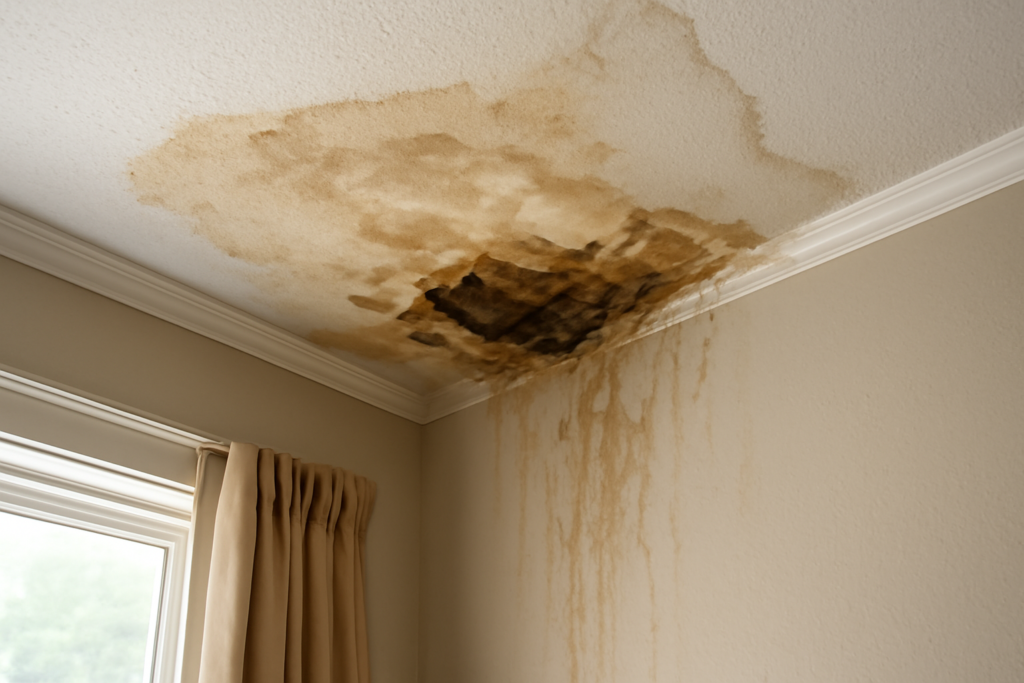
Don’t Let Ceiling Water Stains Become a Bigger Problem in Hiram, GA
You’ve probably seen it before — a small, discolored spot on your ceiling that you hoped would just disappear. But if you’re dealing with a growing water stain, sagging drywall, or even drips, it’s a clear sign that water is actively damaging your ceiling. Ignoring ceiling water damage can lead to much more serious issues, like mold growth and structural compromise. We understand how unsettling it is to discover this, and our team is here to help you navigate it with prompt and effective repairs right here in the area.
Local homeowners consistently choose our team because we treat every property with the care it deserves, especially when it comes to tricky ceiling water damage. With over 165 five-star reviews, you can see that we’re dedicated to providing reliable and thorough service for your home. We focus on getting the job done right the first time, ensuring your ceiling is restored to its original condition and preventing future problems.
- We specialize in identifying the source of leaks, whether it’s a roof issue, plumbing problem, or an AC condensate line failure, to ensure your ceiling damage is fully resolved.
- Our crews use advanced drying and dehumidification equipment to extract all moisture from your drywall and the surrounding structure, preventing mold and further deterioration.
- We carefully assess the extent of the damage, and can seamlessly replace compromised drywall sections, retexture, and repaint to make your ceiling look like new again.
How Ceiling Drywall Water Damage Restoration Actually Works
Addressing ceiling water damage requires a precise and rapid approach. The longer water sits in your drywall, the weaker it becomes, and the higher the risk of mold. We don’t just patch up the visible stain; our process involves thoroughly assessing the damage, completely drying the affected area, and then making the necessary structural repairs. This methodical approach is crucial for a lasting fix and for your family’s health. Cutting corners here can lead to recurring problems and significantly higher costs down the road.
1. Emergency Water Extraction and Assessment
As soon as you contact us, our technicians arrive quickly to pinpoint the source of the leak and stop it. We’ll then set up industrial-grade water extractors to remove standing water from your ceiling and any affected materials. This initial assessment helps us understand the full scope of the damage and plan the most efficient repair strategy, often taking just a few hours to complete.
2. Thorough Drying and Dehumidification
Once the water is removed, the real work of drying begins. We deploy specialized drying equipment, including high-velocity air movers and industrial dehumidifiers, to pull moisture out of the drywall, insulation, and framing. This critical step can take anywhere from 24 to 72 hours, depending on the saturation level, and is essential for preventing mold growth.
3. Containment and Mold Prevention
While drying, we take measures to contain the affected area, preventing moisture and potential mold spores from spreading to other parts of your home. Our team uses air scrubbers and antimicrobial treatments where necessary to ensure a healthy environment throughout the drying and repair process. This focus on containment is a key part of our service.
4. Drywall Repair and Replacement
Once everything is completely dry, we inspect the drywall for any permanent damage. If the drywall is sagging, stained, or structurally compromised, we’ll carefully cut out the damaged sections and replace them with new material. We ensure that the new drywall is properly taped, mudded, and sanded to create a smooth surface for finishing. This step is vital for restoring your ceiling’s integrity.
5. Texture and Painting
The final stage involves matching the existing ceiling texture and applying primer and paint. Our goal is to make the repaired area indistinguishable from the rest of your ceiling, leaving you with a clean, refreshed look. We pay close attention to detail during this phase to ensure flawless cosmetic results.
Don’t wait for a small drip to turn into a major headache. If you suspect your ceiling has water damage, it’s time to call in the professionals. We’re ready to respond quickly and get your home back to normal.
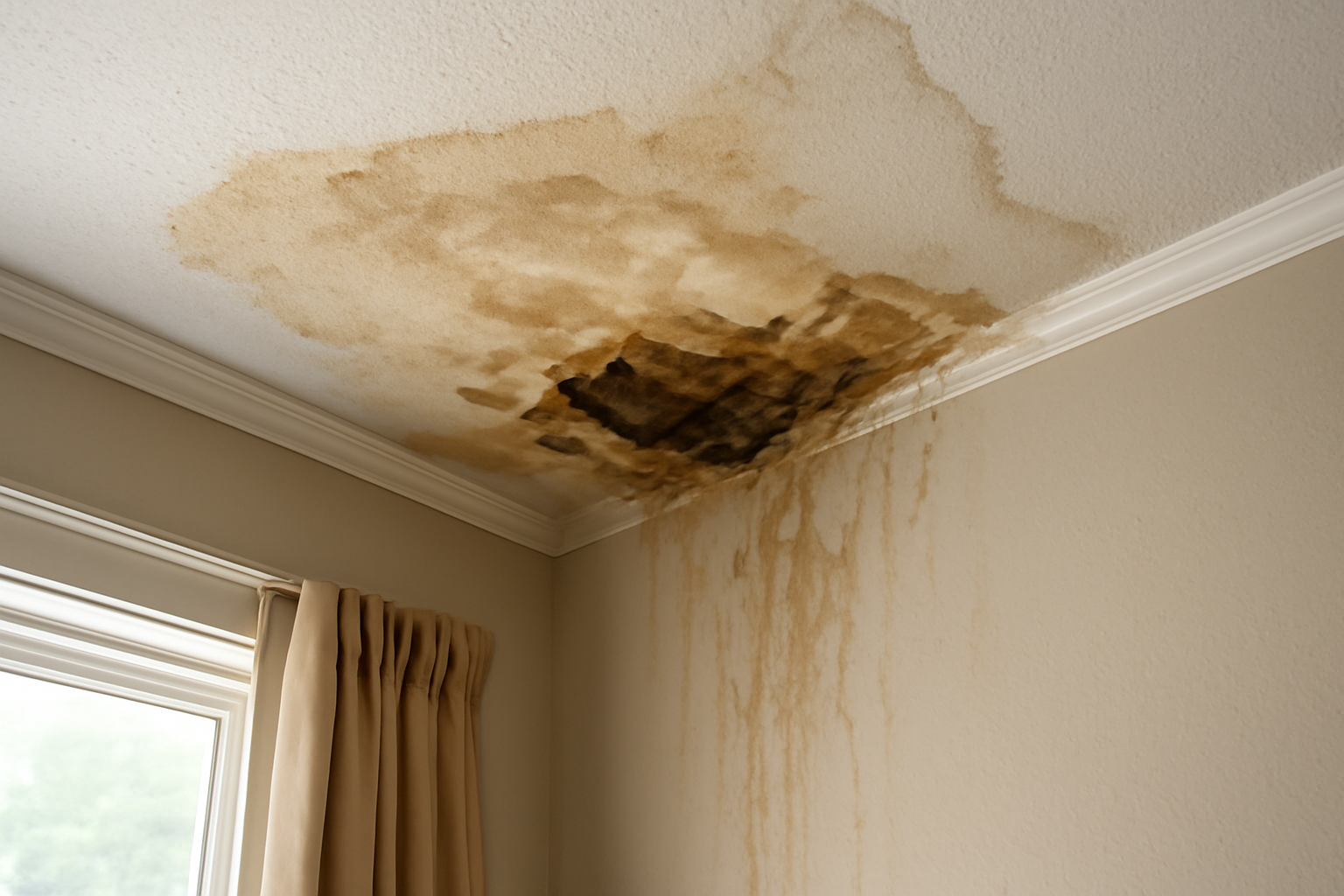
Warning Signs You Need Ceiling Drywall Water Damage Restoration
Catching ceiling water damage early is the best way to minimize repair costs and prevent more serious structural or health issues. Your ceiling might be trying to tell you something important, even if the water isn’t actively dripping yet. Recognizing these subtle signs can save you a lot of trouble and expense down the line.
Musty Odors That Won’t Go Away
A persistent damp, musty smell, especially when you’re indoors, is often the first indicator of hidden moisture. This smell can point to water seeping behind the drywall or into the attic space, creating an environment for mold to thrive. Ignoring this smell is a mistake many homeowners make.
Visible Water Stains or Discoloration
Yellow, brown, or even rusty-looking spots on your ceiling are a direct sign of water intrusion. These stains aren’t just unsightly; they indicate that water has saturated the drywall material and is likely causing it to weaken. It’s a clear signal for immediate attention.
Sagging or Bubbling Drywall
When drywall absorbs water, it loses its structural integrity and can begin to sag, bulge, or even bubble. This is a critical warning sign that the material is saturated and may be close to failing, potentially causing a section of your ceiling to collapse. This is a serious structural concern.
Peeling Paint or Wallpaper
Water behind the paint or wallpaper on your ceiling can cause the adhesive to break down, leading to peeling or blistering. If you notice sections of your ceiling finish detaching, it’s a strong indicator of moisture exposure. This cosmetic issue often signals a deeper problem.
Cracks or Holes in the Ceiling
While cracks can have various causes, new or expanding cracks, especially when accompanied by other signs of water damage, suggest that the drywall is being compromised by moisture. Small holes can also be an entry point for water or a sign that the material is already breaking down. Addressing these promptly is crucial for safety.
Ceiling Drywall Water Damage Restoration vs. DIY: When To Call a Professional
| Situation | DIY? | Call a Pro? | Why |
|---|---|---|---|
| Small, fresh water spot from a minor, easily fixed leak (e.g., a single loose pipe connection). | Yes, if you can stop the leak and dry the spot quickly. | No | You can likely manage minor spots with good ventilation and a quick clean-up. |
| Large, spreading water stain, or multiple stains on the ceiling. | No | Yes | Large stains indicate significant saturation and potential structural damage that requires professional assessment. |
| Ceiling drywall is visibly sagging, bubbling, or feels soft. | No | Yes | This is a structural failure risk; DIY attempts could worsen damage or cause injury. |
| Suspected mold growth or musty odors accompanying water stains. | No | Yes | Mold remediation requires specialized equipment and safety protocols that professionals are trained to handle. |
| Water source is unclear or difficult to access (e.g., from the roof or a hidden pipe). | No | Yes | Locating and stopping unknown leaks requires specialized tools and expertise. |
| Water damage has occurred multiple times in the same area. | No | Yes | Persistent issues point to underlying problems needing a professional diagnosis and permanent repair. |
While minor water spots might seem manageable, any significant or recurring ceiling water damage warrants professional attention. Our team has the specialized equipment and expertise to accurately diagnose the problem, dry your home thoroughly, and perform lasting repairs. Trusting the job to professionals ensures that the damage is fully addressed, protecting your home’s structure and your family’s health.
Ceiling Drywall Water Damage Restoration Cost In Hiram, GA
The cost of ceiling drywall water damage restoration in Hiram, GA can vary significantly based on the size of the affected area, the severity of the water damage, and the complexity of the repairs needed. These price ranges are estimates to give you an idea of what to expect.
| Service | Typical Price Range | What Affects Cost |
|---|---|---|
| Water Damage Assessment and Inspection | $200 – $600 | Complexity of the leak, need for specialized tools like thermal cameras. |
| Water Extraction and Drying | $500 – $2,500 | Amount of water, size of the affected area, duration of drying needed. |
| Mold Prevention/Antimicrobial Treatment | $300 – $1,000 | Size of the area treated and the type of treatment applied. |
| Drywall Repair (Patching small sections) | $300 – $800 per patch | Size and location of the patch, complexity of matching texture. |
| Drywall Replacement (Larger sections) | $700 – $3,000+ | Square footage of drywall replaced, need for structural support, accessibility. |
| Priming and Painting | $200 – $700+ | Square footage of ceiling painted, number of coats, matching existing paint color. |
The most accurate pricing will come from an on-site assessment of your specific situation. We’re happy to provide a free, no-obligation estimate for any ceiling water damage concerns you have.
Service Areas Near Hiram, GA
Dallas, Powder Springs, Mableton, Austell, Lithia Springs, Douglasville, Marietta, Smyrna, Acworth, Kennesaw, Woodstock, Canton, Cartersville, Acworth, Norcross, Duluth, Suwanee, Johns Creek, Roswell, Milton
Common Questions About Ceiling Drywall Water Damage Restoration
My upstairs bathroom leaked, and now my ceiling has a big stain. Do I need to call a professional?
Yes, it’s highly recommended. Even if the stain seems manageable, water can saturate drywall and insulation, creating a breeding ground for mold and weakening the ceiling structure. Our team can quickly extract the water, thoroughly dry the area using specialized equipment like industrial dehumidifiers, and assess the drywall for damage, ensuring a complete and safe repair.
How long does it take to repair ceiling water damage?
The timeline varies depending on the extent of the damage. The drying process alone can take 24 to 72 hours with our advanced equipment. After that, drywall repair, texturing, and painting typically add another 1 to 3 days. We aim to work as efficiently as possible to restore your home quickly.
Is ceiling water damage a health hazard?
Absolutely. Stagnant water and damp drywall create ideal conditions for mold and mildew growth, which can release spores into your air. Inhaling these spores can lead to respiratory issues and allergic reactions for some individuals. Our process includes thorough drying and, if necessary, antimicrobial treatments to ensure your home is safe and healthy.
What kind of equipment do you use to dry out wet drywall?
We use professional-grade equipment that is far more powerful than anything you’d find at a retail store. This includes high-speed air movers to accelerate evaporation, powerful dehumidifiers to remove moisture from the air, and sometimes specialized tools like LGR (Low Grain Refrigerant) dehumidifiers. This equipment helps us dry your ceiling materials much faster and more effectively, preventing long-term damage.
Can I prevent ceiling water damage?
While not all leaks are preventable, regular maintenance can significantly reduce your risk. This includes inspecting your roof for damage, checking plumbing and appliance connections (like AC units or dishwashers) for leaks, and promptly addressing any small drips or stains you notice. Addressing minor issues quickly can prevent them from becoming major ceiling water damage problems.
Check Our Other Relevant Services
Serving Hiram, GA And Nearby Areas


