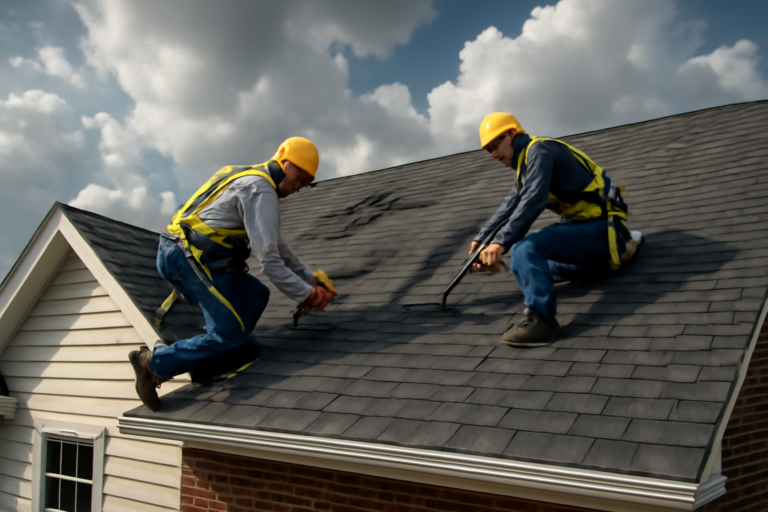
Trusted by 165+ Homeowners
Ceiling Drywall Water Damage Restoration in Johns Creek, GA
- Over 165 5-Star Reviews
- Free Estimates and Quotes
- 100% Satisfaction Guaranteed
- Child, Family & Pet Safe Steps
- 24-Hour Emergency Service
- Fully Licensed & Insured
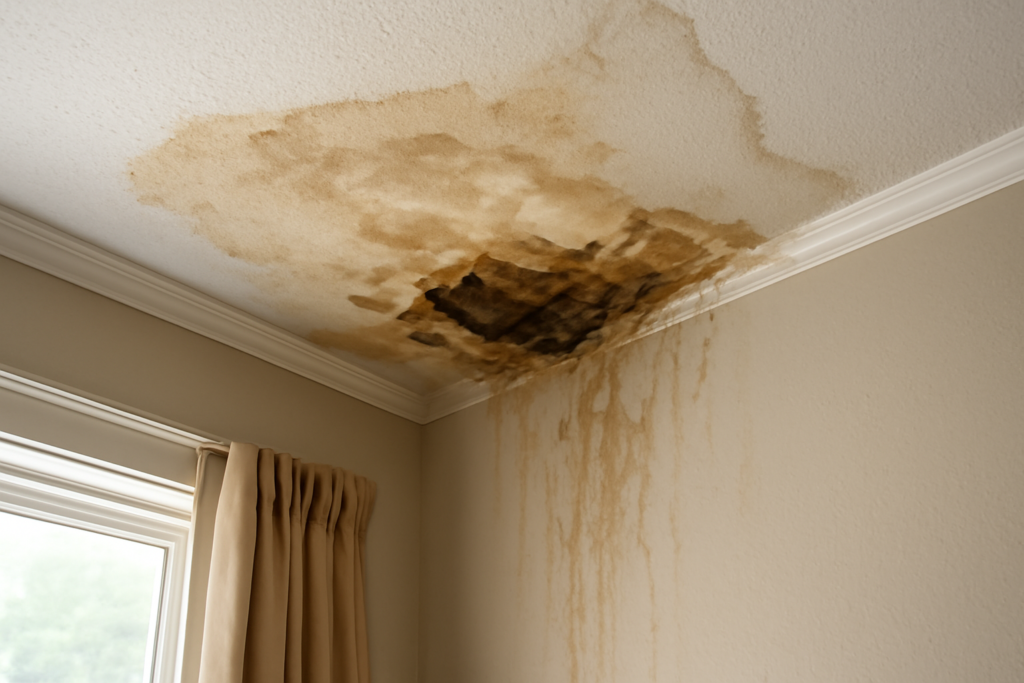
Expert Ceiling Drywall Water Damage Restoration in Johns Creek, GA
We’ve seen it all when it comes to water damaging ceilings right here in Johns Creek, GA. From leaky pipes in attics of older homes to appliance malfunctions in modern condos, swift ceiling repairs are crucial. Ignoring that telltale drip or developing stain means more than just cosmetic damage. It can lead to significant structural issues and mold growth if not addressed promptly. Let our team handle the mess, so you don’t have to worry about further property damage.
It’s no surprise that over 165 five-star reviews highlight our dedication to homeowners facing these stressful situations. Locally, we’re known for our meticulous approach to restoring ceilings after water intrusion. You’ll find our crews are not just skilled technicians but also empathetic neighbors who understand the disruption water damage causes. We focus on getting your home back to normal, efficiently and effectively, so you can feel secure again.
- We specialize in drying out saturated drywall and insulation, preventing mold before it even has a chance to form, which is a huge relief for your family’s health.
- Our team can precisely identify the source of the leak, ensuring that the problem is permanently fixed, not just temporarily patched.
- We handle everything from water extraction and drying to drywall repair, painting, and reinstallation, providing a complete ceiling restoration for your property.
The Process for Restoring Your Water Damaged Ceiling
Dealing with water in your ceiling is never a pleasant experience. You’re likely feeling stressed and unsure about what to do next. That’s where our methodical process comes in. We understand that a thorough approach is non-negotiable for proper restoration. Cutting corners here can lead to recurring problems, mold, and the need for repeated repairs, costing you more time and money in the long run. Our detailed plan ensures every drop of moisture is removed and your ceiling is restored to its pre-loss condition, providing lasting protection.
1. Initial Water Assessment and Containment
Upon arrival, we conduct a thorough inspection to pinpoint the extent of the water damage and identify the source. We’ll immediately set up containment barriers to prevent further spread of moisture and potential contaminants throughout your home. This initial step is vital for protecting unaffected areas.
2. Water Extraction
Using powerful, professional-grade extraction equipment, we remove all standing water from your ceiling and surrounding areas. This is a critical phase to halt the damage progression and begin the drying process as quickly as possible. We aim for rapid water removal.
3. Structural Drying
Once the bulk of the water is gone, we deploy specialized drying equipment, including high-speed air movers and dehumidifiers. These machines work continuously to pull moisture out of the air and building materials, ensuring that even hidden moisture is eliminated. This stage can take several days, depending on the severity and materials involved, and it’s key to preventing secondary damage.
4. Mold Prevention and Treatment
As soon as the drying process is underway, we assess for any signs of mold growth or the potential for it to develop. If necessary, we’ll apply EPA-approved antimicrobial treatments to inhibit mold and mildew. This proactive step is essential for maintaining a healthy indoor environment.
5. Drywall Repair and Restoration
Once everything is completely dry and safe, our skilled technicians will repair or replace damaged drywall sections. We meticulously match textures and paint colors to ensure the repaired area blends seamlessly with the rest of your ceiling. You’ll be left with a smooth, like-new finish.
Don’t let a leaky ceiling linger. Contact us today to get a professional assessment and start the restoration process. We’re ready to help restore your peace of mind.
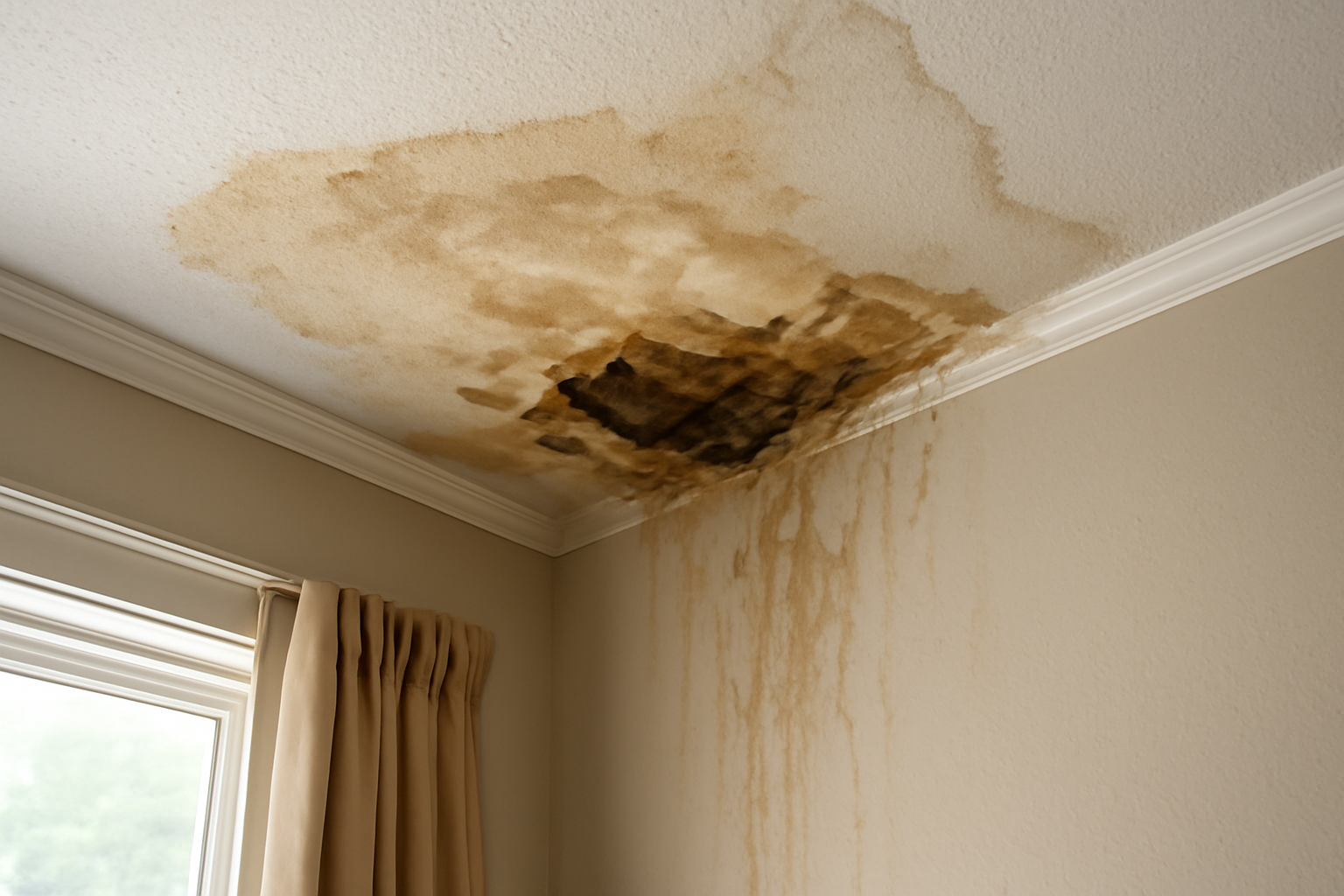
Warning Signs You Need Ceiling Drywall Water Damage Restoration
Catching water damage early is key to minimizing repair costs and preventing more serious issues like mold growth and structural compromise. Your ceiling might be trying to tell you something. Pay attention to these common indicators that signal it’s time to call in the pros. Early detection means smaller repairs and less disruption.
Discolored Spots or Stains
Yellow or brown stains on your ceiling are classic signs of water intrusion. These marks indicate that water has penetrated the paint and drywall layers, potentially weakening the material. Ignoring them can lead to further material breakdown.
Sagging or Soft Drywall
If your ceiling drywall feels soft to the touch or appears to be drooping, it’s absorbed a significant amount of water. This is a serious warning sign that the drywall structure is compromised and needs immediate attention to prevent collapse. Structural integrity is paramount.
Visible Water Dripping or Puddles
This is the most obvious sign, but it’s crucial to act immediately. Active dripping or puddles mean the water source is still active and has saturated the drywall, potentially causing extensive damage. Immediate action is required.
Musty Odors That Won’t Go Away
A persistent damp or musty smell, especially in the absence of visible water, often indicates hidden moisture. This is a prime environment for mold and mildew to develop behind the drywall, posing health risks. Address hidden moisture promptly.
Peeling or Bubbling Paint
Water trapped behind paint layers will cause them to lose adhesion, leading to peeling or bubbling. This indicates that moisture is actively compromising the integrity of the ceiling surface. Don’t delay repairs.
Cracks or Holes in the Ceiling
Water saturation can weaken drywall to the point where it cracks or develops holes. These are clear indicators of damage that requires professional assessment and repair to ensure safety and stability. Secure your ceiling now.
Ceiling Drywall Water Damage Restoration vs. DIY: When To Call a Professional
| Situation | DIY? | Call a Pro? | Why |
|---|---|---|---|
| Small, isolated drip stain from a recent, quickly fixed minor leak. | Yes, if it’s just cosmetic and the area is fully dry. | Maybe. | A pro can ensure complete drying and prevent future issues. |
| Ceiling drywall is visibly sagging or feels soft. | No. | Yes. | This indicates severe saturation and risk of collapse. |
| Active water is still dripping from the ceiling. | No. | Yes. | You need to find and stop the source before any repair can begin. |
| Musty odor is present, but no visible water. | Maybe, with caution. | Yes. | Hidden mold is a serious health risk and requires professional remediation. |
| Water damage covers a large area (more than a few square feet). | No. | Yes. | Large areas require specialized drying equipment and expertise. |
| You suspect the water source is from a sewage backup or contaminated water. | Absolutely Not. | Yes. | This is a biohazard requiring specialized containment and cleanup protocols. |
While minor cosmetic issues might seem like a DIY project, any sign of structural compromise, hidden moisture, or potential contamination warrants professional attention. Our team has the specialized knowledge and equipment to handle these situations safely and effectively, ensuring your home is truly dry and safe.
Ceiling Drywall Water Damage Restoration Cost In Johns Creek, GA
The cost of ceiling drywall water damage restoration in Johns Creek, GA can vary significantly. Factors like the size of the affected area, the extent of the water saturation, and the complexity of the repair all play a role. These figures are general estimates, and an on-site assessment is always needed for an accurate quote. We aim to provide transparent and fair pricing.
| Service | Typical Price Range | What Affects Cost |
|---|---|---|
| Water Extraction & Drying | $500 – $3,000 | Amount of water, size of area, duration of drying needed. |
| Mold Inspection & Prevention Treatment | $300 – $1,500 | Size of area, type of treatment applied. |
| Drywall Repair (per section) | $200 – $800 | Size and complexity of the damaged section, access difficulty. |
| Painting & Finishing | $150 – $700 | Square footage of ceiling to be painted, number of coats, paint quality. |
| Full Ceiling Panel Replacement | $500 – $2,500 | Cost of materials, size of replacement panel, labor intensity. |
| Plumbing or Roof Leak Repair (if source is within scope) | $300 – $2,000+ | Complexity of the repair, parts needed, accessibility. |
The final cost will depend on a detailed inspection of your specific situation. We offer free, no-obligation estimates to give you a clear understanding of the investment needed for complete ceiling restoration.
Service Areas Near Johns Creek, GA
Alpharetta, Suwanee, Duluth, Norcross, Peachtree Corners, Sandy Springs, Roswell, Milton, Cumming, Buford, Lawrenceville, Lilburn, Tucker, Chamblee, Doraville, Atlanta, Marietta, Kennesaw, Acworth, Canton.
Common Questions About Ceiling Drywall Water Damage Restoration
How much does it cost to repair water damaged drywall on a ceiling?
The cost for ceiling drywall repair after water damage varies widely, typically ranging from a few hundred to a couple of thousand dollars. It depends on the size of the affected area, the extent of saturation, and whether the entire panel needs replacement or just patching. We provide detailed estimates after a thorough on-site inspection to give you an accurate cost breakdown. We also work with your insurance company to ensure claims are handled smoothly.
How long does it take to dry out a water-damaged ceiling?
Drying out a water-damaged ceiling can take anywhere from 24 hours to several days, or even longer in severe cases. This depends on the amount of water, the type of building materials, and the effectiveness of our drying equipment. Our IICRC-certified technicians use advanced tools to accelerate the process, ensuring thorough drying to prevent further damage and mold growth.
Is mold from a water-damaged ceiling a health risk?
Yes, mold growth resulting from water-damaged ceilings poses significant health risks. Exposure to mold can cause allergic reactions, asthma symptoms, and other respiratory problems, especially for sensitive individuals. Our team takes mold prevention very seriously, using antimicrobial treatments during the drying process and ensuring the area is completely remediated. We prioritize your family’s health and safety.
What equipment do you use to dry a wet ceiling?
We utilize professional-grade equipment designed for effective water damage restoration. This includes powerful water extractors to remove standing water, high-speed air movers to circulate air and speed up evaporation, and industrial dehumidifiers to pull moisture out of the air. These tools are essential for complete structural drying and preventing long-term problems.
What should I do immediately after noticing water damage on my ceiling?
Your first step should be to safely try and contain the water if possible, perhaps with buckets. Then, shut off the water source if you know what it is and can do so safely. It’s also wise to document the damage with photos or videos for insurance purposes. Most importantly, call us immediately. We’ll guide you through the next steps and dispatch a team to start the restoration process promptly, preventing further issues.
Check Our Other Relevant Services
- Antimicrobial Treatment Services in Johns Creek, GA
- Basement Water Damage Restoration in Johns Creek, GA

Jerry Johns is a licensed Damage Restoration Expert with over 20 years of hands-on experience helping homeowners and businesses navigate property crises. As a trusted authority in the field, Jerry combines technical precision with a compassionate approach to disaster recovery.
𝗖𝗲𝗿𝘁𝗶𝗳𝗶𝗰𝗮𝘁𝗶𝗼𝗻𝘀: Jerry holds multiple elite IICRC certifications, including Water Damage Restoration (WRT), Applied Microbial Remediation (Mold), Applied Structural Drying (ASD), Odor Control, and Fire and Smoke Restoration.
𝗙𝗮𝘃𝗼𝗿𝗶𝘁𝗲 𝗣𝗮𝘀𝘁𝗶𝗺𝗲: When he isn’t on a job site, Jerry is an avid outdoorsman who enjoys fly fishing and restoring vintage woodworking tools.
𝗕𝗲𝘀𝘁 𝗣𝗮𝗿𝘁 𝗼𝗳 𝘁𝗵𝗲 𝗝𝗼𝗯: Jerry finds the most fulfillment in seeing the relief on a client’s face when their property is finally restored to its pre-loss condition, turning a stressful disaster into a fresh start.