Trusted by 165+ Homeowners
Ceiling Drywall Water Damage Restoration in Lawrenceville, GA
- Over 165 5-Star Reviews
- Free Estimates and Quotes
- 100% Satisfaction Guaranteed
- Child, Family & Pet Safe Steps
- 24-Hour Emergency Service
- Fully Licensed & Insured
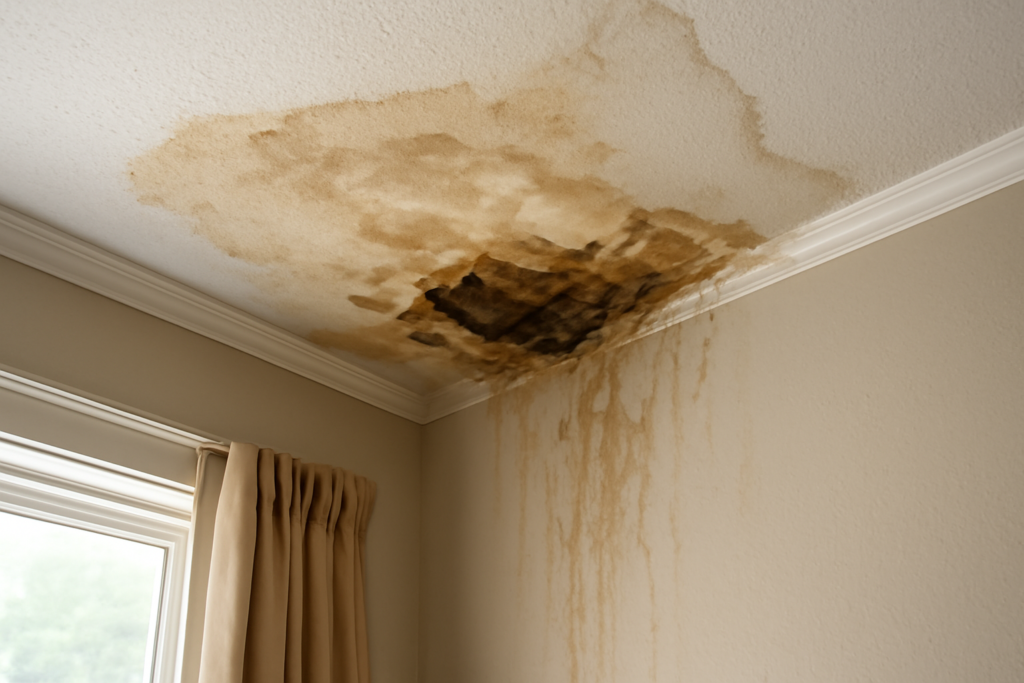
When Water Falls From Your Ceiling: Expert Drywall Restoration in Lawrenceville, GA
Here in Lawrenceville, GA, we know how quickly a sudden downpour or even a slow roof leak can turn a peaceful home into a stressful situation. Sometimes, it’s that heavy Georgia humidity causing condensation, or maybe a burst pipe upstairs. Whatever the cause, seeing water stains on your ceiling is never a good sign. It means your drywall has absorbed moisture, weakening its structure and potentially leading to bigger issues if not handled correctly. We understand how disruptive this can be to your daily life, and we’re here to help bring your home back to normal.
Locally, homeowners trust our team because we focus on getting your ceiling drywall fixed right the first time. We’ve built a reputation for reliable service, backed by over 165 five-star reviews from your neighbors. When you’re dealing with this kind of damage, you need someone who understands the specific challenges of ceiling drywall and can respond quickly. We’re committed to providing effective repairs and clear communication throughout the entire process.
- We specialize in restoring your ceiling drywall to its original condition, preventing further structural damage and mold growth.
- Our technicians use advanced drying techniques to ensure your ceiling is completely dry, not just on the surface.
- We handle everything from minor patch repairs to larger section replacements, ensuring a smooth and seamless finish.
The Right Way to Fix Your Water-Damaged Ceiling Drywall
When water gets into your ceiling drywall, it’s crucial to address it properly. Just patching over a wet spot won’t solve the underlying problem; it can actually make things worse by trapping moisture and promoting mold. Our team follows a detailed, methodical process to ensure your ceiling is not only repaired but also thoroughly dried and protected. We believe in educating you on why each step is important, so you know exactly what’s happening and why it matters for the long-term health of your home.
Step 1: Initial Assessment and Water Source Identification
The first thing we do is figure out exactly where the water came from and how much damage it caused. This involves a thorough inspection of your ceiling and the area above it. Identifying the source is key to preventing future leaks. This initial assessment usually takes about an hour, depending on the complexity of the situation.
Step 2: Water Extraction and Drying
If there’s standing water, we’ll remove it using specialized equipment. Then, we deploy powerful air movers and dehumidifiers to thoroughly dry the affected drywall and framing. This is a critical step that can take anywhere from 24 to 72 hours, ensuring no hidden moisture remains to cause problems later.
Step 3: Damage Evaluation and Containment
Once everything is dry, we carefully examine the drywall for signs of damage like sagging, staining, or weakening. We’ll determine if the drywall needs to be removed and replaced or if it can be repaired. We take steps to contain the area to prevent dust and debris from spreading throughout your home during the repair process.
Step 4: Drywall Repair or Replacement
Depending on the damage, we’ll either repair the existing drywall or replace the affected sections. This involves cutting out damaged material, installing new drywall, and ensuring a perfect fit. We aim for a smooth, even surface ready for finishing.
Step 5: Finishing and Restoration
After the new or repaired drywall is in place, we’ll tape, mud, and sand it to match the surrounding texture. The goal is a seamless finish that looks like the damage never happened. We then prime and paint the area, leaving you with a restored ceiling that blends perfectly with the rest of your room. This final stage usually takes a day or two.
Don’t let water damage linger; it’s essential to act fast. Contact us today to schedule your assessment and get your ceiling back in top shape.
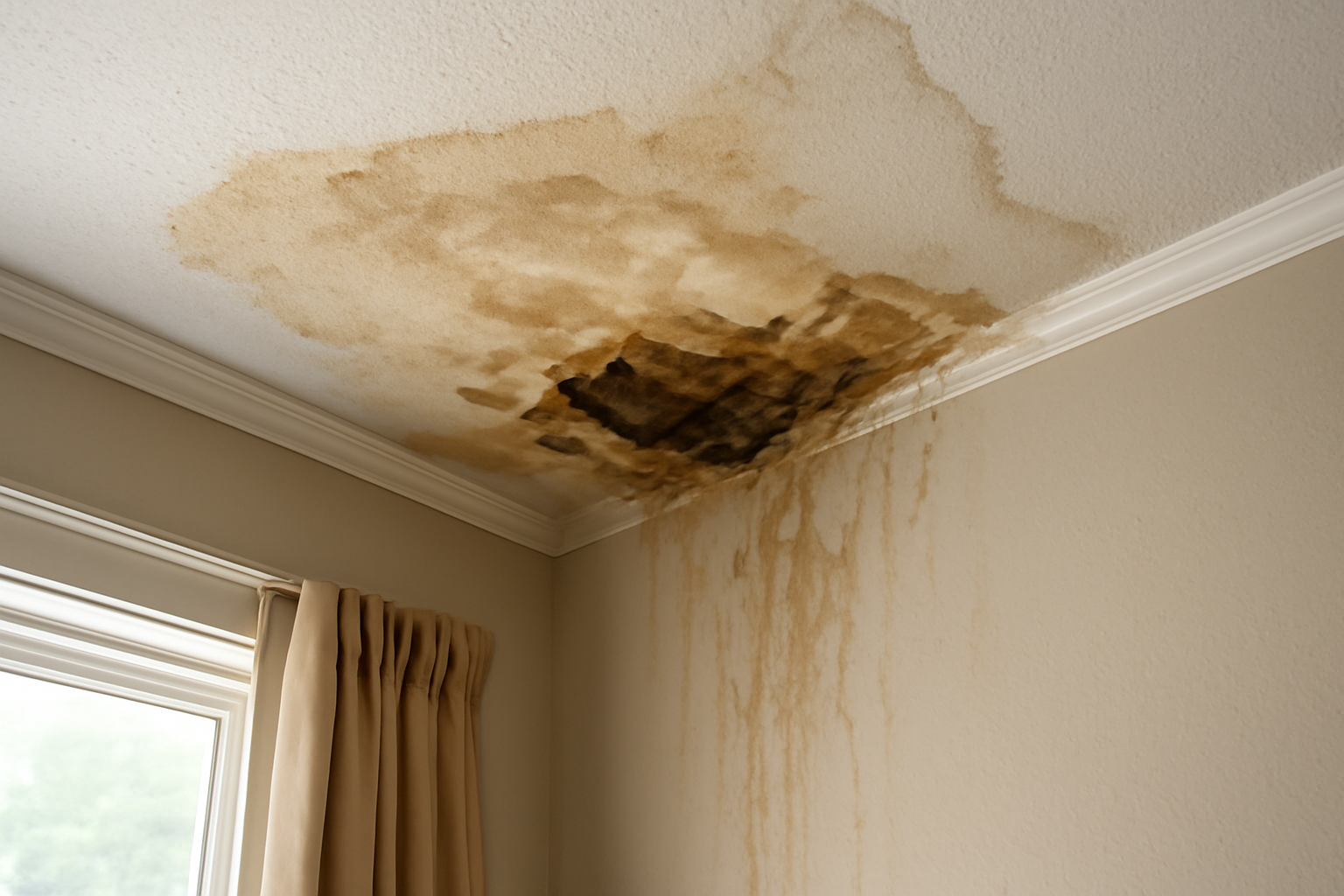
Warning Signs You Need Ceiling Drywall Water Damage Restoration
Catching water damage early can save you a lot of headaches and money down the line. Your ceiling drywall might be trying to tell you something’s wrong even before you see a major leak. Keep an eye out for these common warning signs, and remember that prompt action is always your best defense against bigger problems.
Discolored or Sagging Drywall
That yellow or brown stain on your ceiling is a clear indicator of water intrusion. If the drywall also starts to droop or sag, it means it’s becoming saturated and losing its structural integrity. This is a serious sign of damage that needs immediate attention.
Musty Odors That Won’t Go Away
A persistent, damp, or musty smell coming from your ceiling area, especially after rain or a plumbing issue, can signal hidden moisture. This odor is often caused by mold or mildew starting to grow behind the drywall. It’s a warning you shouldn’t ignore.
Peeling or Bubbling Paint/Wallpaper
Water behind your ceiling’s finish can cause paint to bubble up or peel away, and wallpaper to lose its adhesive. This indicates that moisture is reaching the surface and compromising the integrity of the finish. It’s an early indicator of water presence.
Visible Water Trails or Drips
Any visible streaks of water running down your ceiling, or actual drips, are obvious signs that water is actively penetrating the drywall. This requires immediate investigation to find and stop the leak before more damage occurs. Don’t wait to address active leaks.
Cracking or Crumbling Drywall Edges
When drywall gets repeatedly wet and then dries out, the material can become brittle. You might notice cracks forming, especially around seams, or even parts of the drywall crumbling away. This shows the drywall is compromised and needs professional assessment.
Ceiling Drywall Water Damage Restoration vs. DIY: When To Call a Professional
| Situation | DIY? | Call a Pro? | Why |
|---|---|---|---|
| Small, fresh water stain with no sagging | Maybe | Yes | Easier to dry and paint over, but professional assessment confirms no hidden issues. |
| Large, dark water stain that has been there for a while | No | Yes | Likely structural damage and potential mold growth that requires specialized drying and remediation. |
| Ceiling drywall is visibly sagging or bulging | Absolutely Not | Yes | The drywall is saturated and at risk of collapse; requires immediate professional intervention. |
| Suspected mold growth (black, green spots, fuzzy texture) | Absolutely Not | Yes | Mold can be a serious health hazard and requires professional containment and removal. |
| Water source is unclear or recurring | No | Yes | Professionals can identify and fix the root cause, preventing future damage and ensuring proper repairs. |
| Need to match existing ceiling texture | Difficult | Yes | Achieving a seamless texture match often requires professional skill and specialized tools. |
While minor cosmetic issues might seem manageable yourself, any significant water intrusion into your ceiling drywall warrants professional attention. Our team has the expertise and equipment to properly dry, repair, and restore your ceiling, ensuring a safe and healthy environment in your home.
Ceiling Drywall Water Damage Restoration Cost In Lawrenceville, GA
Understanding the cost of ceiling drywall water damage restoration in Lawrenceville, GA, is important. Prices can vary significantly based on how much drywall is affected, the severity of the water damage, and whether mold is present. These figures are general estimates to help you plan.
| Service | Typical Price Range | What Affects Cost |
|---|---|---|
| Minor Drywall Patch Repair (under 2 sq ft) | $300 – $750 | Complexity of repair, texture matching, and paint. |
| Sectional Drywall Replacement (2-10 sq ft) | $750 – $2,500 | Size of the area, difficulty of access, and need for structural support. |
| Full Ceiling Section Replacement (over 10 sq ft) | $2,500 – $7,000+ | Extensive water damage, potential structural issues, and multiple layers of drywall. |
| Professional Drying and Dehumidification | $500 – $2,000 (per day/equipment set) | Size of the affected space, duration of drying needed, and type of equipment used. |
| Mold Testing and Remediation (if needed) | $1,000 – $5,000+ | Amount of mold present, type of mold, and containment procedures required. |
| Painting and Finishing | $200 – $600 (per room/section) | Ceiling height, number of coats, and custom color matching. |
The best way to get an accurate estimate for your specific situation is to have our team conduct an on-site assessment. We offer free, no-obligation estimates for ceiling drywall water damage restoration services.
Service Areas Near Lawrenceville, GA
Suwanee, Duluth, Snellville, Lilburn, Norcross, Peachtree Corners, Johns Creek, Buford, Sugar Hill, Flowery Branch, Hoschton, Braselton, Winder, Auburn, Dacula, Hamilton Mill, Buford Highway, Gwinnett Place, Norcross Industrial Park, Lawrenceville Highway.
Common Questions About Ceiling Drywall Water Damage Restoration
What causes water damage to ceilings in Lawrenceville, GA?
Common causes include leaking roofs, especially after heavy rains common in our area, faulty plumbing in upstairs bathrooms or kitchens, overflowing toilets or tubs, and even condensation from HVAC systems. Sometimes, ice dams in colder months can also lead to water seeping into your ceiling. Our team can help identify the specific source and address the damage effectively.
How long does it take to repair water-damaged ceiling drywall?
The timeline varies greatly depending on the extent of the damage. The drying process alone can take 24-72 hours. After that, repairs and finishing might take another 1-3 days. We aim to complete the restoration efficiently while ensuring thorough drying and quality repairs so you can get back to normal as soon as possible.
Is water-damaged drywall a health hazard?
Yes, it absolutely can be. Wet drywall is a prime breeding ground for mold and mildew, which can release spores into your air, potentially causing respiratory issues and allergic reactions. It’s vital to address water-damaged drywall promptly to prevent these health risks from developing and ensure your home environment is safe.
Do I need to worry about mold after ceiling water damage?
You should always be concerned about mold when water has damaged your ceiling drywall. Mold can begin to grow within 24-48 hours in damp conditions. Our technicians are trained to identify potential mold growth and can perform the necessary testing and remediation to ensure your home is free from harmful mold.
How much does ceiling drywall water damage restoration typically cost?
The cost can range from a few hundred dollars for a small patch to several thousand for extensive damage requiring replacement and specialized drying. Factors like the size of the affected area, the severity of the water intrusion, and whether mold remediation is needed will influence the final price. We provide transparent estimates after a thorough assessment.
Check Our Other Relevant Services
- Bathroom Water Damage Restoration in Lawrenceville, GA
- Antimicrobial Treatment Services in Lawrenceville, GA

Jerry Johns is a licensed Damage Restoration Expert with over 20 years of hands-on experience helping homeowners and businesses navigate property crises. As a trusted authority in the field, Jerry combines technical precision with a compassionate approach to disaster recovery.
𝗖𝗲𝗿𝘁𝗶𝗳𝗶𝗰𝗮𝘁𝗶𝗼𝗻𝘀: Jerry holds multiple elite IICRC certifications, including Water Damage Restoration (WRT), Applied Microbial Remediation (Mold), Applied Structural Drying (ASD), Odor Control, and Fire and Smoke Restoration.
𝗙𝗮𝘃𝗼𝗿𝗶𝘁𝗲 𝗣𝗮𝘀𝘁𝗶𝗺𝗲: When he isn’t on a job site, Jerry is an avid outdoorsman who enjoys fly fishing and restoring vintage woodworking tools.
𝗕𝗲𝘀𝘁 𝗣𝗮𝗿𝘁 𝗼𝗳 𝘁𝗵𝗲 𝗝𝗼𝗯: Jerry finds the most fulfillment in seeing the relief on a client’s face when their property is finally restored to its pre-loss condition, turning a stressful disaster into a fresh start.